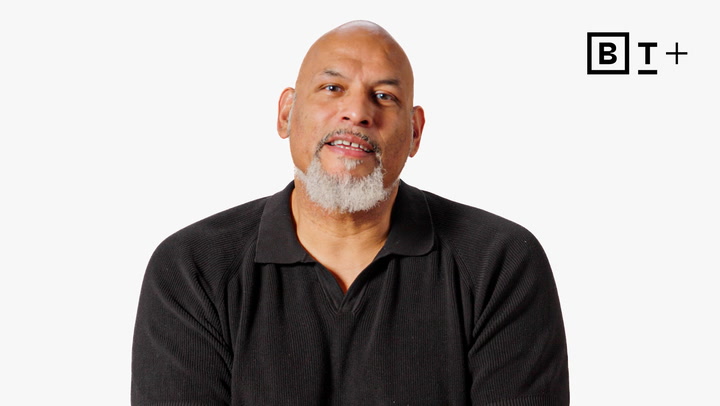
In elite sports, true greatness stems from enduring the monotony of basic drills and overcoming frustration, as highlighted by former NBA player John Amaechi, who emphasizes that mastery requires focused effort and well-executed practice rather than just flashy performances.
Brené Brown emphasizes the importance of self-compassion, urging us to treat ourselves with love rather than criticism, while psychologist John Amaechi offers tools for overcoming inner obstacles, embracing failure, and fostering resilience to achieve our goals.
The ancient Greek maxim “Know thyself,” inscribed at Delphi, remains relevant today, as psychologist John Amaechi emphasizes that deep self-awareness is essential for personal growth, success, and navigating external expectations through introspection and self-assessment.
Psychologist John Amaechi emphasizes that, like Luke Skywalker, real-world success relies on building a supportive network—your own Rebel Alliance—of people who share your vision and help you stay focused and motivated through challenges.
In a lesson inspired by Pixar’s Inside Out, entrepreneur Chip Conley emphasizes that observing and naming emotions, especially anxiety, can help individuals regain control by understanding their emotional habits through a structured approach to managing uncertainty and powerlessness.
Authenticity, often misunderstood, is about embracing your true self in all interactions, as it fosters genuine connections; prioritize activities that align with your authentic self and reframe or eliminate those that don’t to enhance personal acceptance and fulfillment.
Introverts can thrive in the extroverted business world by embracing their strengths, pushing themselves to engage in meetings and networking, and gradually challenging their social comfort zones to succeed without compromising their natural tendencies.
Visionary change requires resilience and persistence, as true changemakers embrace risks, communicate their vision, reframe rejection, and use disappointment as motivation to refine their ideas and foster innovation within their teams.
The volatile job market demands “second-skilling,” or developing a complementary expertise, which not only enhances mental flexibility but also unlocks potential through new learning challenges, as highlighted by Barbara Oakley.
Barbara Oakley teaches that while learning styles vary, embracing your inner imposter and adopting a beginner’s mindset can enhance your ability to learn, as humility fosters growth and deeper understanding, especially for those who learn at a slower pace.
The human mind tends to become lazy and routinized, leading to a phenomenon called “einstellung,” but Barbara Oakley suggests strategies like exposing oneself to novel stimuli and engaging with diverse opinions to foster mental flexibility and overcome this limitation.
The Pomodoro Technique helps manage distractions and enhance productivity by focusing on a specific task for 25 minutes, allowing for breaks and rewards, ultimately making daunting work more manageable and efficient.
Mastery involves consistently performing at a high level through techniques like “chunking” and “interleaving,” which help build flexible neural patterns and enhance problem-solving skills, ultimately leading to expertise and creativity.
Understanding the two modes of information processing—Focus Mode for specific tasks and Diffuse Mode for broader thinking—is crucial for effective problem-solving and learning, with techniques like mantra-based and mindfulness meditation enhancing each mode’s neural networks.
Deepak Chopra emphasizes the importance of getting seven to eight hours of sleep for optimal health, detailing its benefits for mental processing, toxin removal, and healing, while providing tips to minimize distractions and create a conducive sleep environment.
Dr. Rudolph Tanzi emphasizes that our emotional outlook influences brain activation and genetic activity, urging mindfulness and self-awareness to foster positive habits that enhance creativity and empathy rather than succumbing to fear and negative emotions.
Dr. Rudolph Tanzi explains that healthy lifestyle changes can influence gene activity through epigenetics, potentially preventing disease expression, while managing stress involves recognizing and understanding its temporary nature and underlying causes.
Deepak Chopra advocates for “radical well-being,” urging us to rethink our physical, social, and emotional health through self-reflection and gradual behavior changes, emphasizing that true success encompasses love, compassion, and creativity alongside goal achievement.
Sexual harassment thrives in a culture sustained by bystanders and enablers; those who witness harassment must support victims and confront abusers to foster a safer environment.
In a professional landscape that often neglects women’s advocacy, Gretchen Carlson emphasizes the importance of having a proactive plan against workplace sexual harassment, which includes documenting incidents, consulting a lawyer, gathering witnesses, and understanding state laws on recording.
In a shifting corporate culture where job hopping is seen as essential for advancement, Neil Irwin outlines two principles—honesty and reciprocity—to help employees and employers foster trusting, mutually beneficial relationships amidst evolving expectations.
Neil Irwin advocates for viewing career development as a “career lattice” rather than a ladder, emphasizing that growth involves lateral and downward moves, and encourages professionals to embrace new opportunities and reassess their roles every few years.
In a video lesson, Neil Irwin emphasizes that while data is the 21st century’s currency, mastering its interpretation and application can enhance both individual and organizational success, urging professionals to leverage data wisely for career development.
In this video lesson, Neil Irwin emphasizes the importance of teamwork and communication skills in today’s organizations, advocating for individuals to become “glue people” who enhance team dynamics while also challenging themselves to develop new skills and seek diverse opportunities.
Navigating 21st-century careers is complex due to constant economic shifts, requiring adaptability and a focus on diverse skill sets, as discussed by Neil Irwin in his video lesson on understanding modern workplace dynamics and defining personal success.
Maria Konnikova emphasizes that imagination is crucial for effective problem solving, suggesting we should incorporate creativity into our process by taking breaks and allowing time for reflection, much like Sherlock Holmes does.
In this lesson, Maria Konnikova teaches how to optimize memory by intentionally organizing and encoding experiences, expanding your brain’s capacity for efficient recall through sensory inputs and associative links.
Successful teams, much like jazz ensembles, thrive on fluidity and adaptability, embracing mistakes as opportunities for growth while fostering a culture of improvisation and collaboration to navigate constantly changing environments.
Natalie Nixon emphasizes the importance of questioning for creativity, advocating for a blend of divergent, convergent, and hybrid questions while embracing ambiguity to foster collaboration and innovation within teams.
Natalie Nixon emphasizes that nurturing creativity—defined as the ability to balance wonder and rigor—is essential for individuals and organizations to thrive in the 4th Industrial Revolution, where automation and AI are prevalent, and introduces the 3i Creativity Model to foster this skill.