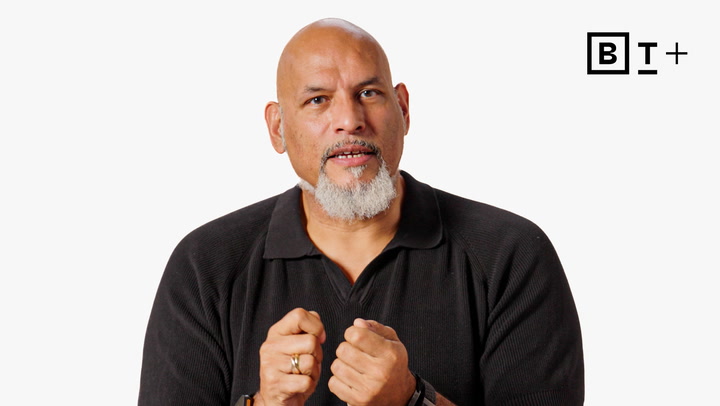
Psychologist John Amaechi emphasizes that high performers excel not due to innate talent, but through the relentless pursuit of four key drivers: knowledge, skills, opportunity, and motivation, which can be cultivated to enhance personal performance.
The volatile job market demands “second-skilling,” or developing a complementary expertise, which not only enhances mental flexibility but also unlocks potential through new learning challenges, as highlighted by Barbara Oakley.
The human mind tends to become lazy and routinized, leading to a phenomenon called “einstellung,” but Barbara Oakley suggests strategies like exposing oneself to novel stimuli and engaging with diverse opinions to foster mental flexibility and overcome this limitation.
Navigating 21st-century careers is complex due to constant economic shifts, requiring adaptability and a focus on diverse skill sets, as discussed by Neil Irwin in his video lesson on understanding modern workplace dynamics and defining personal success.
Successful teams, much like jazz ensembles, thrive on fluidity and adaptability, embracing mistakes as opportunities for growth while fostering a culture of improvisation and collaboration to navigate constantly changing environments.
Natalie Nixon emphasizes the importance of questioning for creativity, advocating for a blend of divergent, convergent, and hybrid questions while embracing ambiguity to foster collaboration and innovation within teams.
Natalie Nixon emphasizes that nurturing creativity—defined as the ability to balance wonder and rigor—is essential for individuals and organizations to thrive in the 4th Industrial Revolution, where automation and AI are prevalent, and introduces the 3i Creativity Model to foster this skill.
In this class, Natalie Nixon, founder of Figure 8 Thinking, explores her 3i Creativity Model, a framework designed to enhance individual creativity and drive organizational innovation for greater relevance and success.
Effective communication often falters due to misunderstandings of intellectual diversity, but by recognizing different attention triggers and adjusting your approach—such as using clear subject lines, summarizing key points, or asking guiding questions—you can transform potential breakdowns into breakthroughs.
Effective communication often falters not due to clarity or attention but because of inherent differences in how individuals process information, termed “mind patterns,” which are crucial for enhancing connectional intelligence (CQ).
In a video lesson, Professor Ethan Mollick outlines how to effectively integrate generative AI into your workflow, emphasizing the importance of human oversight, contextual guidance, and the proactive exploration of AI’s capabilities while remaining aware of its limitations.
In late 2022, ChatGPT popularized “generative artificial intelligence,” which encompasses large language models capable of producing diverse outputs, prompting Professor Ethan Mollick to explore their implications and how we can effectively coexist and thrive with this transformative technology.
Productivity consultant Carson Tate emphasizes that while you may feel overshadowed by others’ natural abilities, there is no universal method for productivity; instead, it’s crucial to tailor your approach to maximize your results.
Rasmus Hougaard’s lesson on mindfulness emphasizes focused attention as a foundation for developing advanced awareness, fostering connection and compassion, achieving balance through a beginner’s mind, practicing acceptance, and effectively dealing with change.
An inflection point marks a shift in trajectory, and business consultant Rita McGrath suggests viewing life as a series of these moments, encouraging us to assess our decisions by asking if they expand our options and offer learning opportunities for better choices.
New parents must prioritize self-care amidst their baby’s needs, especially when returning to work; Lauren Smith Brody offers strategies like skincare, a curated wardrobe, redefining “me time,” and preparing for emotional challenges to help reduce stress for all parents.
Moms, often undervalued despite their extensive skills in efficiency and multitasking gained from caregiving, should take time to recognize their worth and contributions in the workplace, as outlined by Lauren Smith Brody in her video lesson.
New parents often hesitate to communicate their evolving needs at work, but Lauren Smith Brody emphasizes that speaking up about flexible arrangements can enhance not only their own work-life balance but also benefit colleagues and overall company performance.

Lauren Smith Brody suggests viewing the first 12 weeks after birth as a “fifth trimester,” highlighting the challenges new moms face when returning to work too soon, often before they feel physically and emotionally ready, which can lead to feelings of “mom guilt.”
In this video lesson, Charles Duhigg explores how Disney’s “Frozen” overcame developmental challenges using the “Disney Method,” emphasizing that creativity stems from a process of combining existing knowledge and experiences to innovate effectively.
James Bond’s thrilling escapades contrast sharply with the slow, strategic nature of real-life espionage, as former CIA operative Andrew Bustamante explains that success in business, much like spying, requires critical thinking, adaptability, and the ability to operate discreetly for a competitive edge.
Join former CIA officer Andrew Bustamante to discover how espionage strategies and psychological insights can enhance your business and leadership skills, helping you motivate teams, safeguard secrets, and unlock your inner secret agent.
Complexity is the primary challenge organizations face today, and training in equanimity, flexibility, and clear thinking, as emphasized by Harvard psychologist Susan David, is essential to unlocking the true potential of individuals and teams.
In today’s complex marketplace, effective leaders must balance self-management, network influence, and team collaboration to close performance and opportunity gaps, transforming from mere bosses into value creators and game changers.
Cal Newport suggests using time blocking to enhance productivity and reduce stress by intentionally scheduling specific activities, allowing for focused work on larger tasks and flexibility for adjustments when plans change.
In this video lesson, Professor Michael Watkins emphasizes the importance of mental agility in strategic thinking, comparing chess to business decision-making, where each choice triggers a ripple effect, requiring a balance between big-picture awareness and attention to detail.
In his video lesson, Jon Acuff emphasizes the importance of recognizing and navigating both voluntary and involuntary changes in your career, highlighting that your response to these “do-over” moments is within your control.
Psychologists refer to “mirroring,” the subconscious imitation of gestures and speech, as a way to foster connections and collaboration, and entrepreneur Nathalie Molina Niño emphasizes its importance in adapting communication styles to enhance relationships and ensure mutual understanding.
In this video lesson, TOPGUN graduate Guy Snodgrass emphasizes the importance of proactive planning and scenario analysis to anticipate challenges in life and career, encouraging discussions with experienced mentors to navigate potential setbacks effectively.
In this video lesson, former fighter pilot Guy Snodgrass shares strategies for maintaining composure under pressure, emphasizing that calmness fosters a steady environment, enhances decision-making, and encourages effective communication within teams facing adversity.