Skip to content

Oops! That page can’t be found.

It looks like nothing was found at this location. Maybe try a search?


Were you looking for something like this?
In this video lesson, psychologist Ethan Kross discusses how personal and group rituals, like Dr. Shepherd’s pre-surgery mantra in Grey’s Anatomy, can help manage negative inner dialogue and restore a sense of order and control during stressful situations.
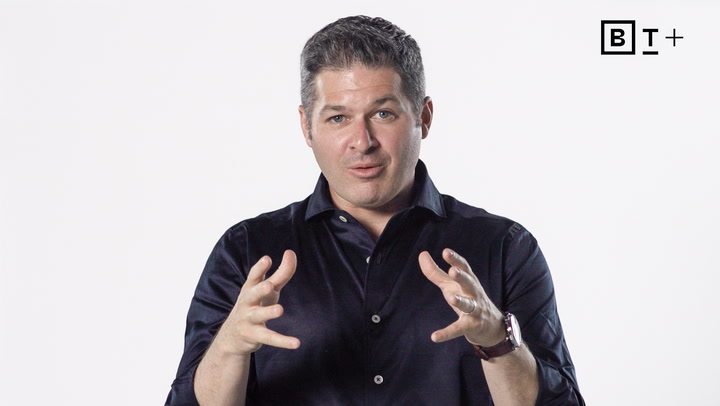
Psychologist Ethan Kross emphasizes that while venting can satisfy emotional needs, it’s crucial to also seek cognitive support by sharing your thoughts with trusted advisors who can help you reframe your experiences and find solutions to move past stress.
Wade Boggs emphasized that our reactions shape our lives, a sentiment echoed by psychologist Ethan Kross, who explains that adopting a challenge mindset over a threat response can enhance performance and well-being, particularly through techniques like distanced self-talk.
In the early 1990s, Stuart Smalley’s humorous affirmations on SNL highlighted the power of self-coaching, a concept supported by psychologist Ethan Kross, who suggests that addressing oneself in the second person can alleviate anxiety and improve problem-solving by fostering a broader perspective.
In a video lesson, psychologist Ethan Kross explores the negative effects of “chatter”—cyclical negative thoughts that hinder focus, strain relationships, and impact physical health—while encouraging viewers to develop personalized strategies for managing their inner dialogue.
Your inner voice significantly influences your quality of life, and while it can motivate you, psychologist Ethan Kross warns it can also lead to negative thought cycles, or “chatter,” but his research offers tools to regain control and foster a positive mindset.
In a video lesson, brand designer Debbie Millman discusses the successes and failures of recent brand redesigns, highlighting Tropicana’s backlash in 2009, Starbucks’ effective logo evolution, and Burger King’s successful return to its roots.
In her video lesson, brand designer Debbie Millman outlines five essential phases for a successful organizational redesign: diagnostic, projective, exploratory, implementation, and launch, emphasizing the extensive work behind visible changes like new logos and packaging.
Brand designer Debbie Millman emphasizes that evolving a brand should be done carefully and intentionally, focusing on meaningful changes that resonate with consumers, supported by vibrant storytelling across all touchpoints to enhance brand acceptance and engagement.
In her video lesson, brand designer Debbie Millman emphasizes the importance of clear communication and addressing artificial harmony in collaborative design processes to ensure mutual understanding and effective conflict resolution.
Debbie Millman emphasizes the importance of aligning a brand’s mission, vision, and market position to authentically benefit consumers, advocating for transparency and strategic positioning to avoid misleading claims and foster genuine connections.
In a market flooded with over 100 bottled water brands, consumers increasingly favor those like Mananalu, which prioritize meaningful missions such as eliminating plastic waste, highlighting the importance of branding that resonates with modern values and social responsibility.
Designer Debbie Millman explains that branding extends beyond fashion to encompass religious and cultural beliefs, illustrating how shared symbols historically fostered community and safety, while modern technology has shifted brand creation back to a bottom-up approach, empowering consumers to shape their identities.
In her video lesson, brand designer Debbie Millman emphasizes that brands serve as nonverbal signals of our identity and values, highlighting their importance for success in the era of brand democratization.
Designer Debbie Millman emphasizes that effective branding transcends capitalism, as it involves creating meaningful symbols and slogans while iterating designs that align with values and resonate with customers in a crowded marketplace.
Many individuals experience frustration with workplace technology, but author Nir Eyal argues that the real issue lies in workplace culture, emphasizing the need for psychological safety, employee forums, and modeling focus-friendly behaviors to foster a healthier, more productive environment.
In his video lesson, author Nir Eyal explains how making pacts—effort, price, and identity—can enhance workplace motivation and accountability by precommitting to actions that prevent unwanted behaviors and distractions.
Nir Eyal emphasizes the importance of distinguishing between external triggers that lead to distraction and those that foster focus, advocating for the removal of unhelpful cues and the implementation of strategies to enhance productivity in both personal and workplace environments.
In his 1908 book, Arnold Bennett emphasized that we have all the time there is, and modern author Nir Eyal builds on this by advocating for intentional planning and syncing schedules to align with our goals and values to regain control over our time.
Brian Tracy emphasizes that our beliefs shape our reality, a notion supported by Nir Eyal, who suggests that by reframing uncomfortable emotional triggers and adopting a proactive mindset, we can overcome distractions and self-limiting beliefs to enhance our focus and willpower.
Procrastination often stems from internal triggers like fear of loneliness or boredom, as Nir Eyal explains, suggesting that managing time effectively requires addressing the emotional discomfort that prompts distractions.
Nir Eyal argues that to become “indistractable,” one must first address internal triggers rather than external distractions, emphasizing that effective time management is fundamentally about managing emotional pain.
In a competitive business landscape, prioritizing employees’ emotional well-being and relationships, as advocated by psychologist Daniel Goleman, can lead to long-term success, with leaders fostering a high emotional intelligence environment through clear expectations and genuine care.
An emotionally intelligent team, as described by psychologist Daniel Goleman, can quickly foster a supportive environment that enhances self-awareness, trust, and collaboration, creating an emotional oasis amid organizational challenges.
In a fast-paced business world, emotional intelligence (EI) is crucial for success; Daniel Goleman emphasizes that EI can be learned at any stage, and developing it through practices like peer feedback and learning circles can significantly enhance team performance and morale.
Leadership consultant Simon Sinek emphasizes that true leadership involves caring for your team, while psychologist Daniel Goleman highlights that emotionally intelligent leaders foster positivity and support, significantly enhancing team performance and well-being.
As social isolation and loneliness rise, developing meaningful relationships becomes crucial, with psychologist Daniel Goleman emphasizing that effective relationship management—key for leaders—includes assessing skills, coaching, and providing continuous feedback to inspire and develop team members.