 Learning & Development
Develop leaders in your organization with Big Think+ classes
Learning & Development
Develop leaders in your organization with Big Think+ classes
 Custom Content
Create premium thought leadership and storytelling with Big Think Creative
Custom Content
Create premium thought leadership and storytelling with Big Think Creative
 Advertising Campaigns
Reach the smartest audience on the Internet with Big Think editorial integrations
Advertising Campaigns
Reach the smartest audience on the Internet with Big Think editorial integrations
 Live Events
Bring your people and ideas to life with Big Think Events
Live Events
Bring your people and ideas to life with Big Think Events
Managing the Voice in Your Head

Managing the Voice in Your Head: Why It Matters and How to Harness It
Psychologist Ethan Kross explores the dual nature of your inner voice, highlighting how it can shift from a helpful asset to a harmful force—referred to as "chatter"—and offers strategies for understanding and managing it effectively.
The Fundamentals of Chatter
In a video lesson, psychologist Ethan Kross explores the negative effects of "chatter"—cyclical negative thoughts that hinder focus, strain relationships, and impact physical health—while encouraging viewers to develop personalized strategies for managing their inner dialogue.
Distancing Yourself from Your Problems
In the early 1990s, Stuart Smalley's humorous affirmations on SNL highlighted the power of self-coaching, a concept supported by psychologist Ethan Kross, who suggests that addressing oneself in the second person can alleviate anxiety and improve problem-solving by fostering a broader perspective.
Reframing Your Experiences
Wade Boggs emphasized that our reactions shape our lives, a sentiment echoed by psychologist Ethan Kross, who explains that adopting a challenge mindset over a threat response can enhance performance and well-being, particularly through techniques like distanced self-talk.
Talking to Others
Psychologist Ethan Kross emphasizes that while venting can satisfy emotional needs, it's crucial to also seek cognitive support by sharing your thoughts with trusted advisors who can help you reframe your experiences and find solutions to move past stress.

Engaging in Rituals
In this video lesson, psychologist Ethan Kross discusses how personal and group rituals, like Dr. Shepherd's pre-surgery mantra in Grey's Anatomy, can help manage negative inner dialogue and restore a sense of order and control during stressful situations.

Embracing Physical Environments
In stressful times, engaging in cleaning tasks can help alleviate mental clutter, as psychologist Ethan Kross suggests that organizing your environment and connecting with nature can reduce negative thoughts and foster a sense of order and calm.
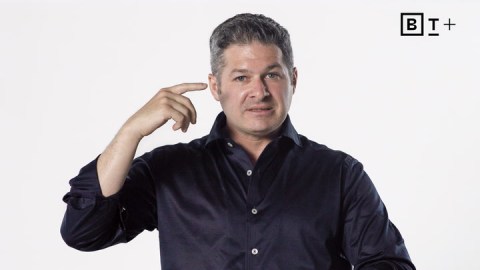
The voice you hear most often is your own, so what it says has a big impact on your quality of life. And while your inner voice can be a friend and motivator, psychologist Ethan Kross points out that it can also trap us in what he calls “chatter” (i.e., negative thought cycles). But you don’t have to stay in that state. His research has helped uncover a set of tools you can use to get your chatter under control so you can go back to being your own best friend.
Learning Objectives
- Recognize what causes you to experience chatter.
- Adopt a broader perspective on your problems.
- View threats as challenges.
- Share chatter productively and help others do the same.
- Minimize chatter by creating rituals and introducing more awe into your life.