Skip to content


In this video lesson, workplace expert Amy Gallo discusses common challenges with difficult colleagues and provides strategies for improving interactions with them, highlighting that while we can choose many aspects of our lives, coworkers are often beyond our control.

Amy Gallo highlights that fostering positive work relationships through empathy and clear communication is essential for enhancing performance, creativity, and well-being, ultimately leading to more supportive and productive professional environments.
TOPGUN graduate Guy Snodgrass emphasizes the importance of building a supportive network through genuine relationships and early connections, advocating for a mindset of generosity and trust to foster collaboration and mutual assistance.
Psychologist Ethan Kross emphasizes that while venting can satisfy emotional needs, it’s crucial to also seek cognitive support by sharing your thoughts with trusted advisors who can help you reframe your experiences and find solutions to move past stress.
In her video lesson, brand designer Debbie Millman emphasizes the importance of clear communication and addressing artificial harmony in collaborative design processes to ensure mutual understanding and effective conflict resolution.
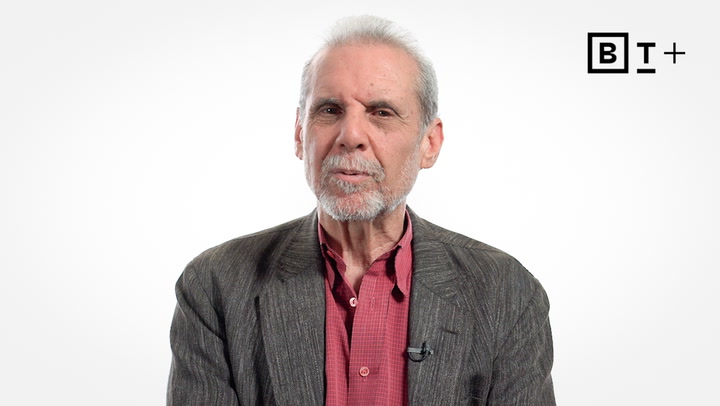
An emotionally intelligent team, as described by psychologist Daniel Goleman, can quickly foster a supportive environment that enhances self-awareness, trust, and collaboration, creating an emotional oasis amid organizational challenges.
As social isolation and loneliness rise, developing meaningful relationships becomes crucial, with psychologist Daniel Goleman emphasizing that effective relationship management—key for leaders—includes assessing skills, coaching, and providing continuous feedback to inspire and develop team members.
Shep Hyken’s motto emphasizes treating employees as internal customers, a sentiment echoed by Tiffani Bova, who argues that employee satisfaction directly impacts customer experience and organizational growth, highlighting the need to address employee disengagement and burnout.
James Cash Penney emphasized that courteous treatment leads to customer loyalty, but Tiffani Bova highlights that true customer experience (CX) involves creating added value through multiple metrics, ensuring elevated experiences that encourage recommendations and retention.
Dale Carnegie emphasizes that people resist being told what to do, so marketing professor Jonah Berger suggests using questions instead to foster openness, encourage commitment, and demonstrate genuine interest in others’ perspectives for more effective persuasion.
Marketing professor Jonah Berger explains that employees often adopt the linguistic norms of their peers, which can predict retention and success in the workplace, suggesting that using similar language fosters connections and enhances organizational fit.
Marketing professor Jonah Berger emphasizes that understanding linguistics can enhance our communication skills, enabling us to fit in, persuade, engage, and positively influence others, especially with the aid of advanced language analysis tools and his SPEACC Framework.
Instead of mundane morning interactions, psychiatrist Bessel van der Kolk suggests that offices should engage in joyful group activities like dance parties to foster camaraderie and support, especially for colleagues healing from trauma, while empowering employees and cultivating community.
In a video lesson, psychiatrist Bessel van der Kolk emphasizes the importance of compassion when interacting with trauma survivors, highlighting that seemingly negative behaviors may be coping mechanisms for deep emotional pain and urging us to consider their struggles before passing judgment.
Jim Peters emphasizes that firing should never be easy, as it requires care and empathy; Professor Suzy Welch outlines key strategies for ethical terminations, including addressing performance issues early, preserving dignity, offering support for future steps, and providing a fair severance package.
In a stormy situation, Jesse Eisenberg emphasizes that effective leadership involves seeking solutions, fostering collaboration, and balancing confidence with vulnerability to motivate your team and navigate challenges together.
Jesse Eisenberg emphasizes that while perfectionism can hinder project completion, effective leaders should manage time by acknowledging their team’s contributions and guiding them to prioritize essential tasks over unnecessary refinements.
In a video lesson, Jesse Eisenberg emphasizes that effective leadership can thrive on harmonious relationships and collaboration rather than extroverted bravado, encouraging leaders to prioritize understanding their team and fostering a supportive environment over traditional authoritative styles.
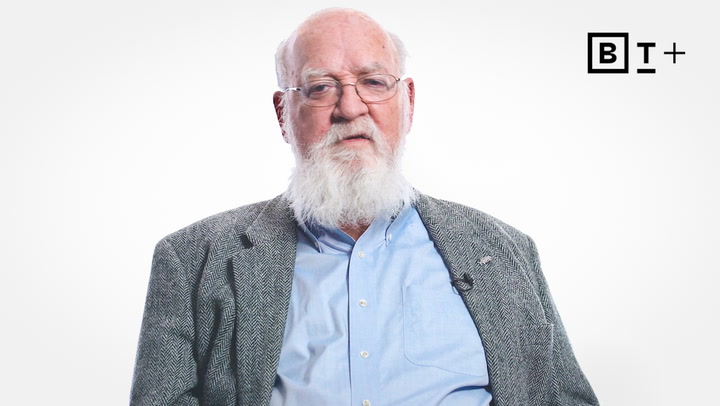
Constructive criticism often falls short in practice, but Daniel C. Dennett offers rules for intelligent dissent that emphasize clarity, acknowledgment of the target’s ideas, and agreement on shared points before presenting any criticism to foster a more respectful dialogue.
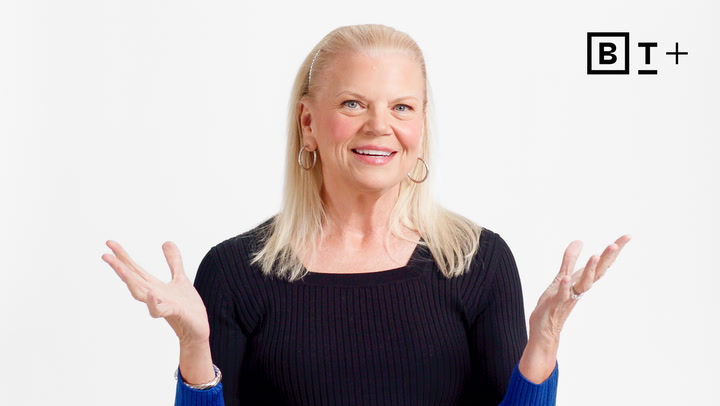
Kieran Behan’s journey to the 2012 Olympics exemplifies resilience in the face of adversity, a theme echoed by Ginni Rometty, who emphasizes the importance of relationships and a positive attitude in overcoming life’s challenges.
This class, led by experts like Amy Cuddy and Tony Coles, focuses on developing presence, emotional intelligence, and self-knowledge to enhance personal and professional growth, emphasizing the importance of self-affirmation, leadership dynamics, and creating a supportive workplace culture.
In a video lesson, negotiation expert Dan Shapiro emphasizes that genuine apologies require sacrificing pride, expressing honest remorse, acknowledging impact, accepting responsibility, committing to change, and offering reparation, as insincere apologies often fail to mend relationships.
Avoiding conflict can lead to greater issues later, so leaders should address disputes promptly, ensuring all parties feel heard, while also sharing the emotional labor of conflict management to foster a smoother organizational environment.
Led by experts like Angie McArthur and Ginni Rometty, this class teaches relational intelligence through lessons on empathy, conflict resolution, and self-awareness, emphasizing the importance of respectful communication and vulnerability in transforming challenging interactions into collaborative opportunities.
Michael Strahan emphasizes that effective leadership involves modeling desired behaviors, fostering authenticity, and ensuring every team member feels valued, while also reflecting on one’s role in team dynamics to promote a positive environment.
Isabel Allende emphasizes that giving enriches us non-materially, while Adam Grant highlights that generosity fosters stronger relationships and connections, urging a balance between helping others and self-advancement to avoid being exploited by takers.