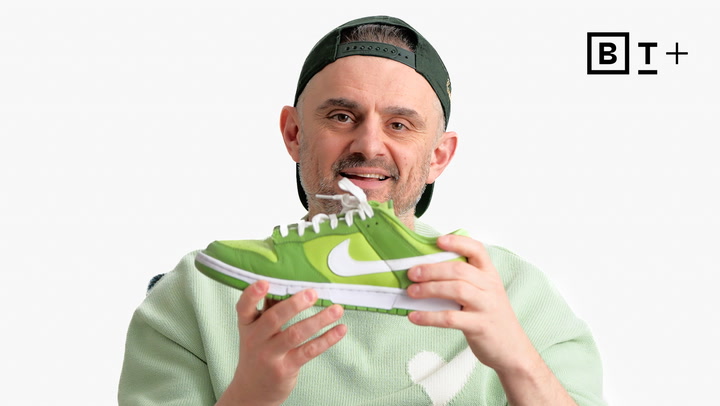
Derek Thompson’s concept of “aha” moments, where disfluency transitions to fluency, is key to engaging audiences and enhancing their experience with our offerings, prompting us to explore how to integrate these moments into our storytelling, product education, and marketing.

Success is not solely determined by quality; rather, it hinges on the right person discovering the right idea at the right time, emphasizing the importance of effective distribution and consumer understanding to transform failures into successes.
Achieving coolness involves a nuanced rebellion against the mainstream, where success lies not in broad appeal but in resonating with a small, dedicated niche that feels misunderstood by the majority, as explained by Derek Thompson.
In this video lesson, Derek Thompson explores the concept of MAYA (Most Advanced Yet Acceptable), illustrating how successful products balance familiarity and surprise, using examples like Star Wars and the iPhone, while highlighting the pitfalls of innovations like Google Glass that failed to resonate with consumers.
Charlene Li emphasizes that instead of mastering specific social media tools, leaders should prioritize engaging their audience through strategic listening, informed priority-setting, and effective communication, as social media platforms will continue to evolve.
The first ten seconds of a job interview significantly influence the outcome, so leverage this by asking the interviewer why they invited you, prompting them to recall your positive attributes and strengths.
Managing people requires fostering internal motivation rather than relying on coercion, and Robert Cialdini suggests using “pre-suasive” techniques, such as congratulating teams on their commitment to future goals and encouraging creative problem-solving in expansive environments.
Robert Cialdini outlines three effective negotiation techniques: match your partner’s verbal style, pause before presenting your strongest point, and build trust by revealing a weakness before making your main argument, all of which can lead to more favorable outcomes.
Robert Cialdini emphasizes the ethical use of persuasion and pre-suasion, warning that irresponsible practices can lead to high turnover and a culture of dishonesty, while encouraging businesses to prioritize customer interests and the genuine value of their offerings.
Pre-suasion, based on the psychological concept of priming, highlights how prior experiences shape our attention and emotional responses, and Cialdini presents two techniques: emphasizing self-relevance in messaging and using mystery to engage potential customers’ need for closure.
In “Influence: The Science of Persuasion,” Robert Cialdini identifies six principles—reciprocity, liking, authority, social proof, scarcity, and commitment/consistency—that enhance message acceptance and can be effectively utilized in “pre-suading” audiences before a project or pitch.
Thoughts, feelings, and actions are influenced by unconscious factors, and “pre-suasion” involves strategically preparing audiences to be receptive to a message by using imagery or cues that align with desired behaviors, enhancing the effectiveness of persuasion.
To engage your audience effectively, psychologist Robert Cialdini suggests using “pre-suasion” to prime them with subtle cues, ensuring they are receptive to your stories and emotional appeals.
In her video lesson, brand designer Debbie Millman explores how the neuroscience of the brain’s limbic system influences consumer attraction to visually striking products, highlighting the importance of color, shape, and design in capturing attention amidst overwhelming visual stimuli.
In a market flooded with over 100 bottled water brands, consumers increasingly favor those like Mananalu, which prioritize meaningful missions such as eliminating plastic waste, highlighting the importance of branding that resonates with modern values and social responsibility.
Designer Debbie Millman emphasizes that effective branding transcends capitalism, as it involves creating meaningful symbols and slogans while iterating designs that align with values and resonate with customers in a crowded marketplace.
Warren Buffet’s insight on legacy thinking highlights the importance of prioritizing future care in professional endeavors, a philosophy echoed by Gary Vaynerchuk, who emphasizes that authenticity and long-term vision can yield both spiritual fulfillment and financial success.
Gary Vaynerchuk emphasizes that just as ripened fruit is more enjoyable, a patient approach in business—rewarding long-term achievements and measuring metrics over months or years—can lead to better results, while fear of failure should be eradicated to foster growth.
Entrepreneur Gary Vaynerchuk encourages leaders to adopt a “maybe” mindset towards emerging technologies, as this openness fosters growth and adaptability, while defaulting to “no” can hinder progress and allow competitors to take the lead.
Brands like Apple, Disney, and Nike achieved their iconic status through innovation and strategic focus on emotional connections, as discussed by entrepreneur Gary Vaynerchuk, who emphasizes the importance of patience and long-term thinking in building brand recognition and measuring its ROI.
Gary Vaynerchuk emphasizes the importance of consumer segmentation in advertising, advocating for tailored marketing strategies that focus on smaller, specific groups rather than broad categories to create more impactful and relevant messages.
Entrepreneur Gary Vaynerchuk emphasizes the importance of adapting marketing strategies in real-time by monitoring consumer attention, utilizing underpriced attention opportunities, and fostering creativity and self-awareness to effectively engage audiences across various platforms.
In advertising, as in education, showing genuine care for your audience enhances engagement, and by leveraging consumer insights and social media feedback, marketers can create relevant content that addresses pain points and adds value to consumers’ lives.
Entrepreneur Gary Vaynerchuk, known as “GaryVee,” emphasizes the importance of listening before speaking, a practice that enhances his advertising success and helps him build a meaningful life and legacy, as discussed in his video lesson.