sociology

Radical thinker Rutger Bregman paints a new, more beautiful portrait of humanity.

Historian Rutger Bregman argues that the persistent theory that most people are monsters is just wrong.
▸
6 min
—
with

Synchronous movement seems to help us form cohesive groups by shifting our thinking from “me” to “we.”

We make school kids read “Lord of the Flies”—but it’s only half the story.
▸
5 min
—
with

Anastasia lives alone in perfect harmony with nature – or so the story goes – and nature serves her devotedly.

Humans are particularly prone to shiver when a group does or thinks the same thing at the same time.

She was walking down the forest path with a roll of white cloth in her hands. It was trailing behind her like a long veil. It was sweeping needles, leaves […]

Societies aren’t just engines of prosperity.

Two anthropologists question the chemical imbalance theory of mental health disorders.

What good is a conspiracy theory you can’t profit from?
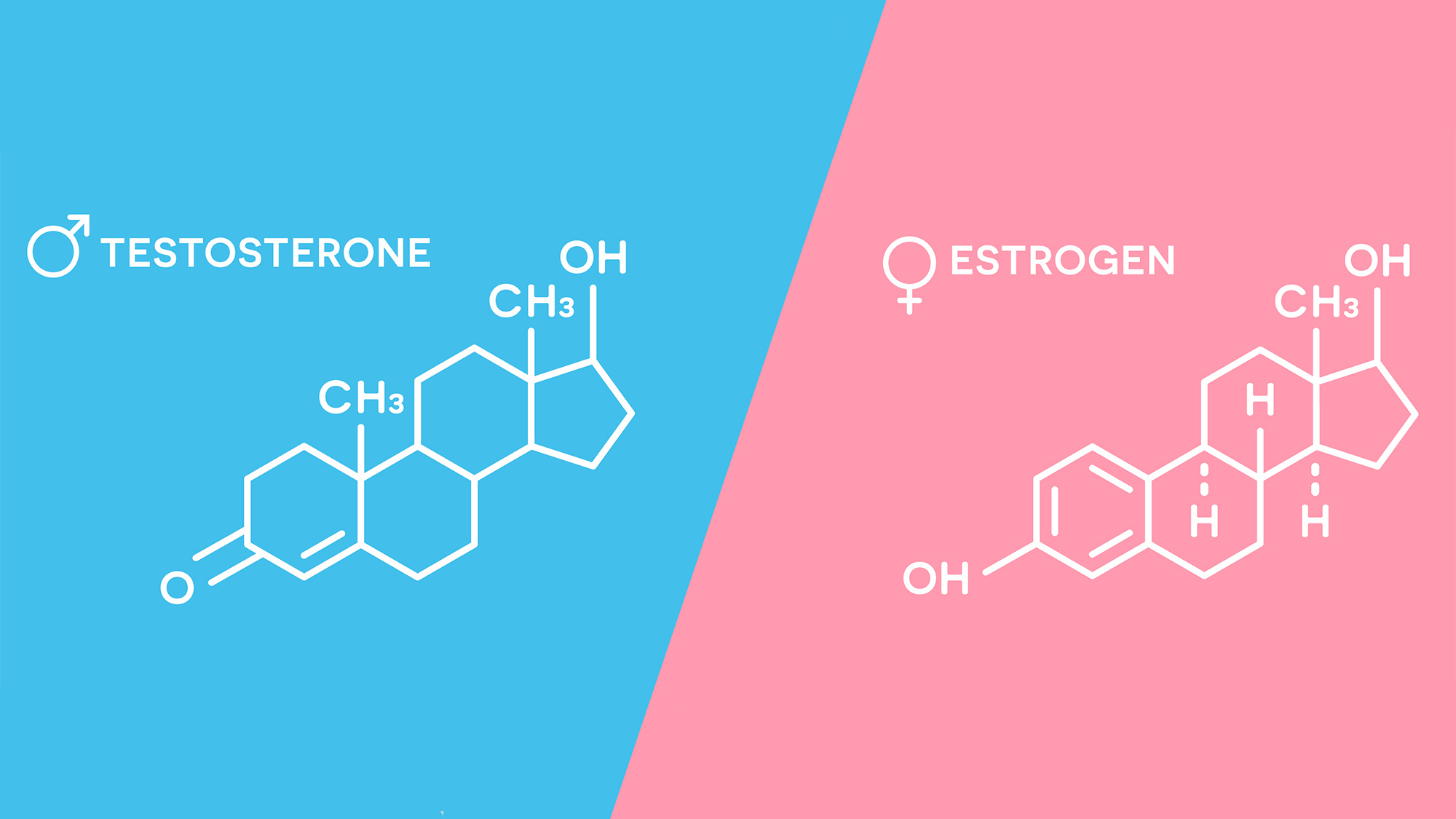
A new study on brain differences between sexes sparks a persistent question.

A new study from Ohio State University details implicit bias.
Master negotiator Chris Voss breaks down how to get what you want during negotiations.

Placing science and religion at opposite ends of the belief spectrum is to ignore their unique purposes.
▸
14 min
—
with

Yet, the real-world roles and expectations of fathers have changed in recent years.

A Penn State study finds today’s middle-aged are experiencing much higher stress levels than 30 years ago.

Despite being raised in a screen-lit world, today’s children make and maintain friendships as well as past generations.

Some purveyors of “wellness” sure are sounding like right-wing conspiracy theorists.

Over 800 prisoners in Texas relate their experiences.

More than 30 essays on the subject “Why I became a Nazi” written by German women in 1934 have been lying fallow in the archives.

People often incorporate lessons from fictional stories into their beliefs, attitudes and value judgments, sometimes without even being aware that they are doing so.

There are scientifically proven ways you can improve your self-esteem, right now.
From understanding human aggression to epigenetics, Stanford University offers all 25 lessons of this fascinating course for free on YouTube.

Is the experience we call “love” felt the same in every language?

The use of words related to negative emotions has increased by more than one third.

A Mars Space Flight team member warns that people need to be prepared for what’s coming.

Antisocial is a deep dive into the extremist views.

What is the hive mind? Turns out there are antisocial and prosocial dimensions to it.
▸
4 min
—
with

Hierarchies of taste exist in our society, but their roots often reflect more than just the quality of work.
▸
3 min
—
with

The internet has given us the opportunity to stay informed better than ever. It’s also given us the ability to misinform ourselves — delude ourselves — beyond belief.
▸
5 min
—
with