sociology
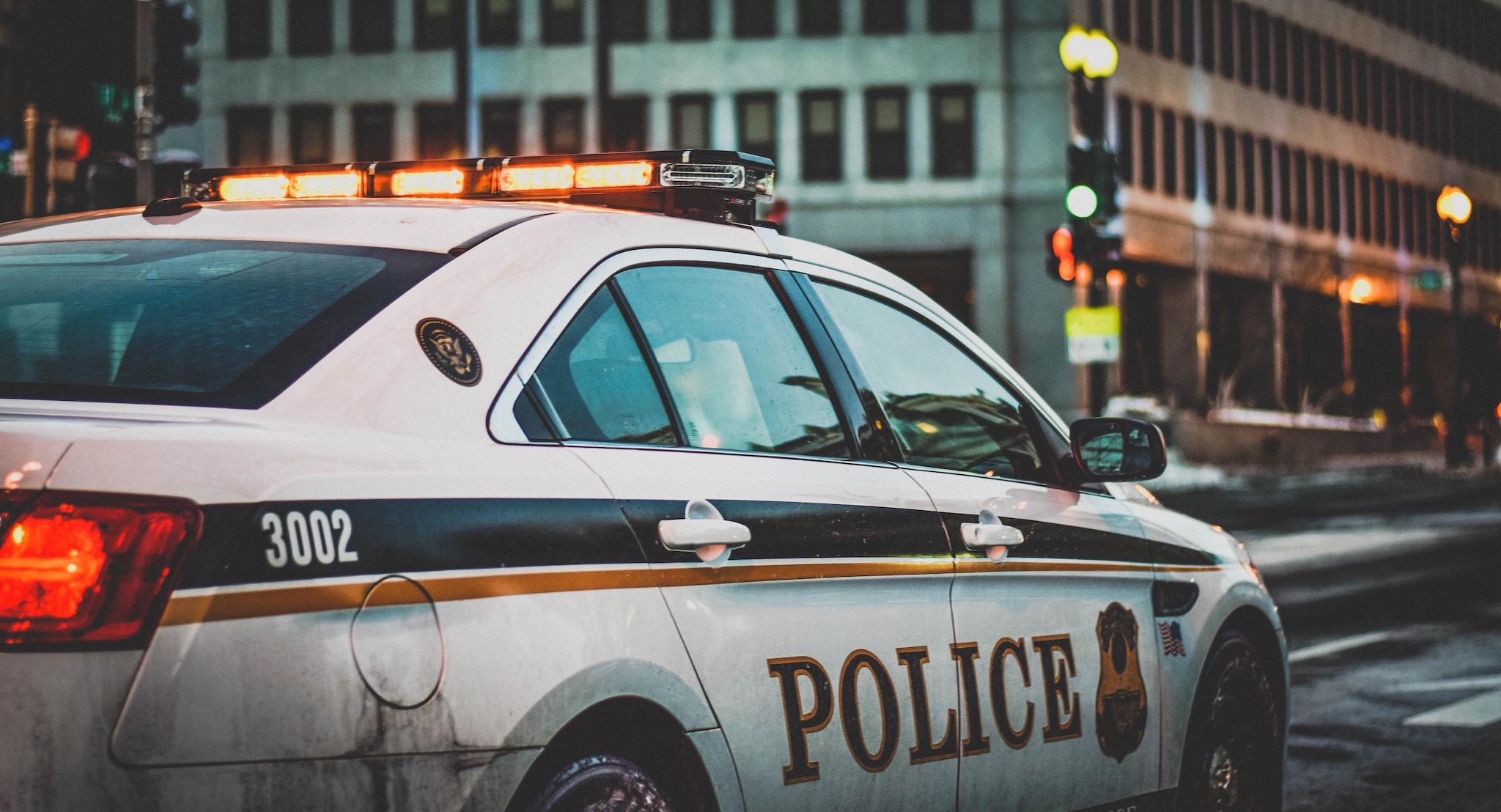
Three ideas could help create the police force that Americans want.

For the ancients, hospitality was an inviolable law enforced by gods and priests and anyone else with the power to make you pay dearly for mistreating a stranger.
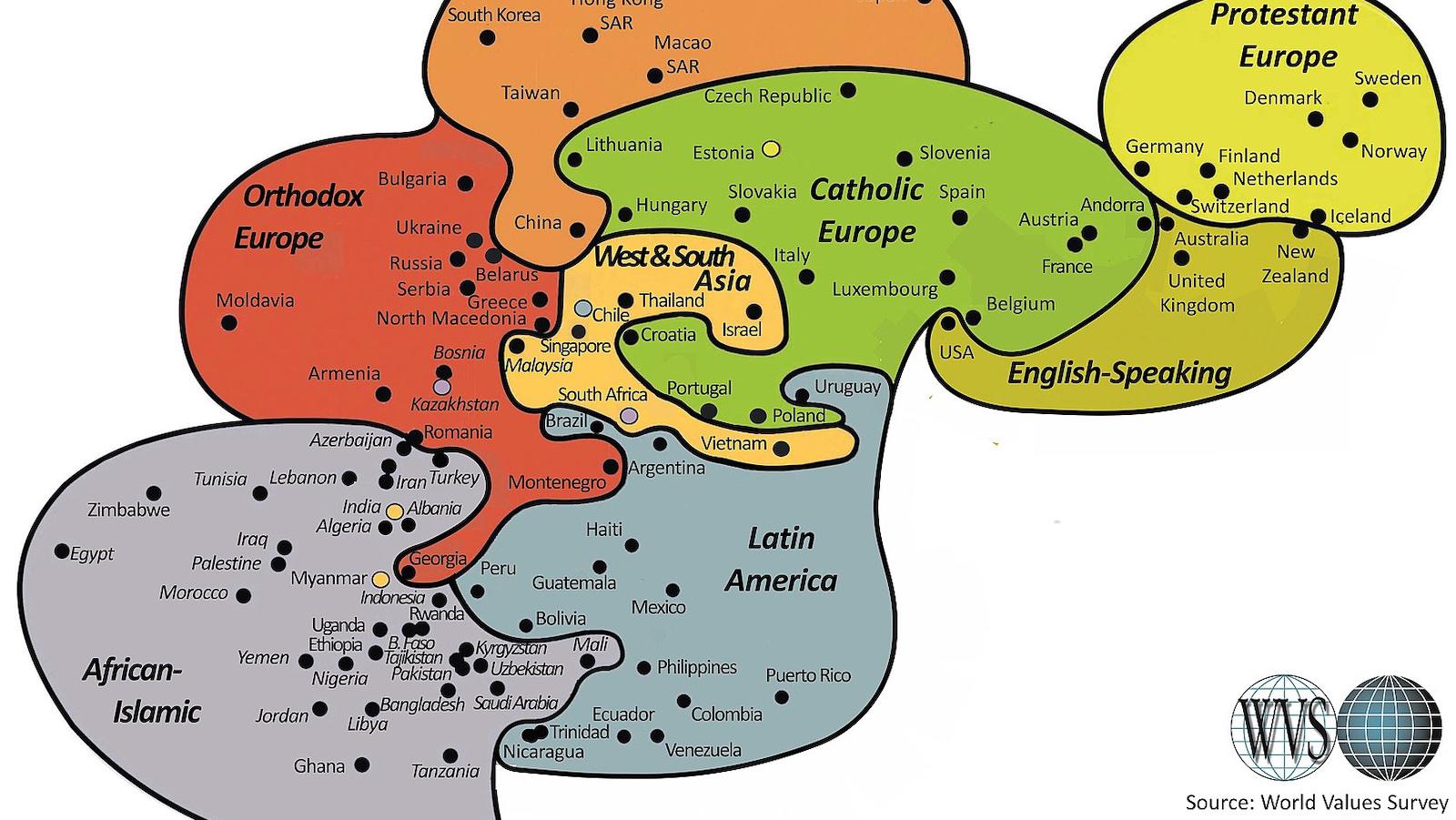
The Inglehart-Welzel World Cultural map replaces geographic accuracy with closeness in terms of values.

English is a dynamic language, and this summer’s new additions to dictionary.com tell us a lot about how we’re living.

Unstable politics and virtue signaling are responsible for creating bureaucratic nightmares.
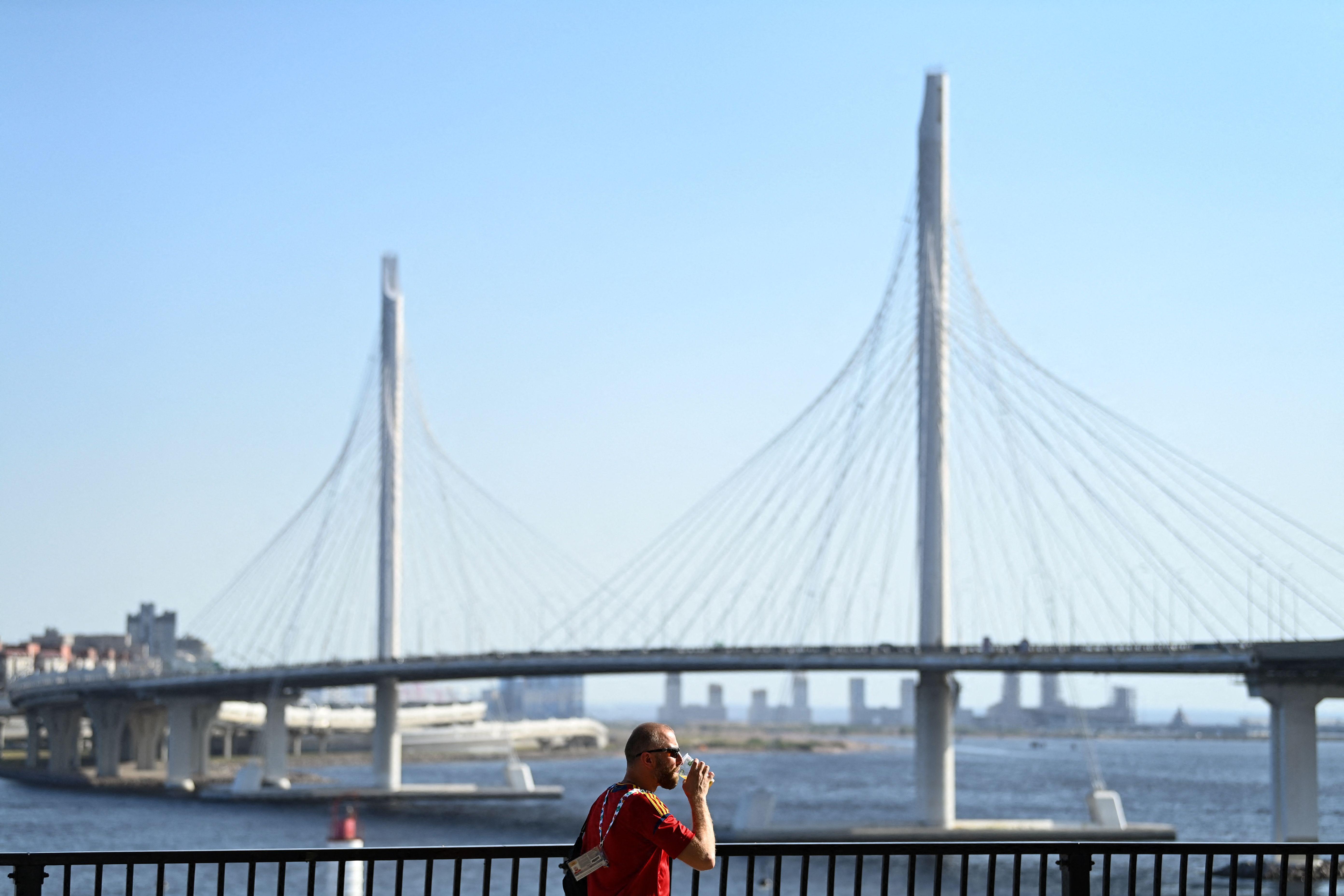
South Korea is piloting a CCTV system it hopes will save lives.

Two-thirds of romances start out as friendships.

Most schools use a semester system, but a new study suggests that they should switch to quarters.
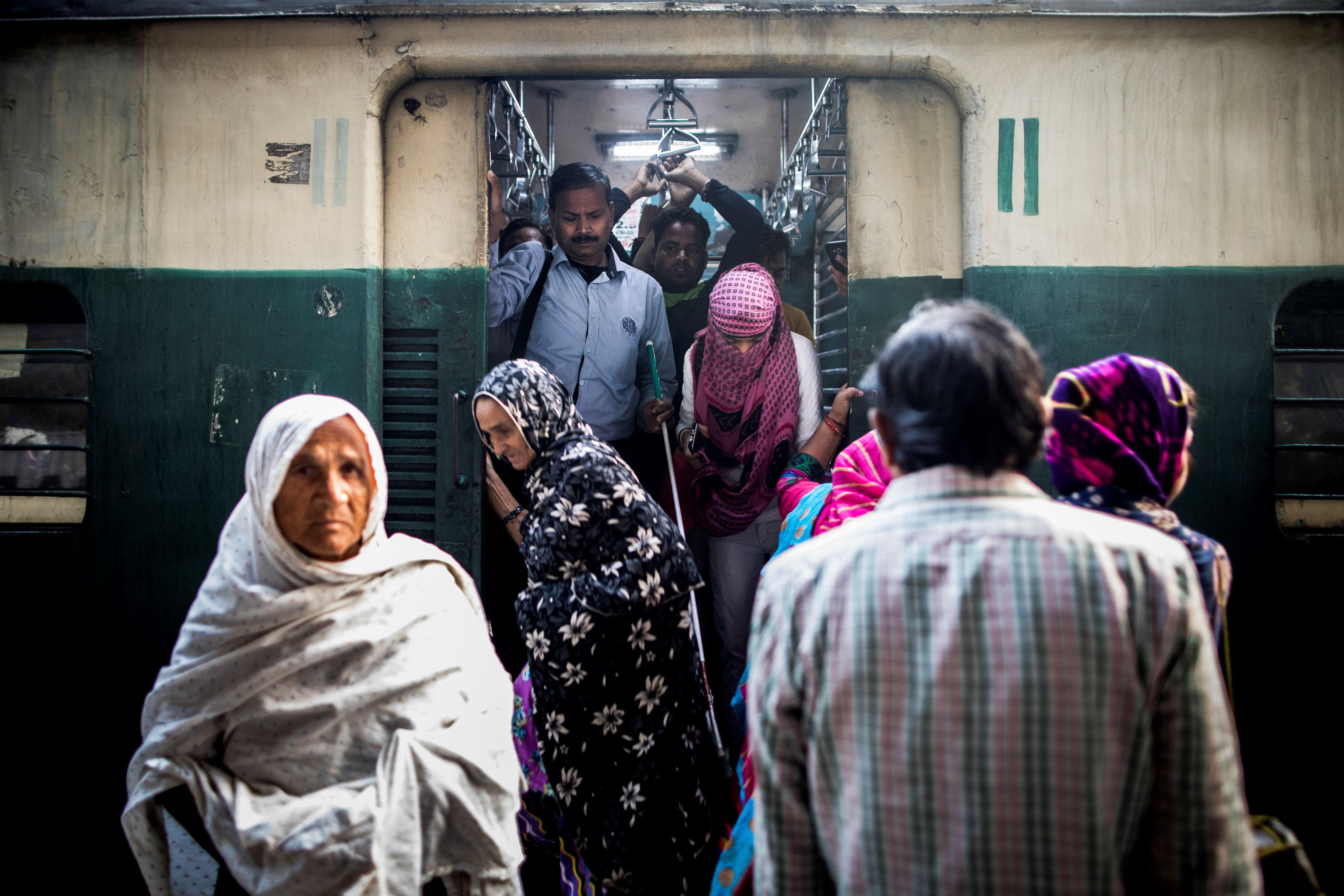
Nearly 90% of the world’s blind live in low-income countries.
Our program lowers reincarceration rates by 44 percent.
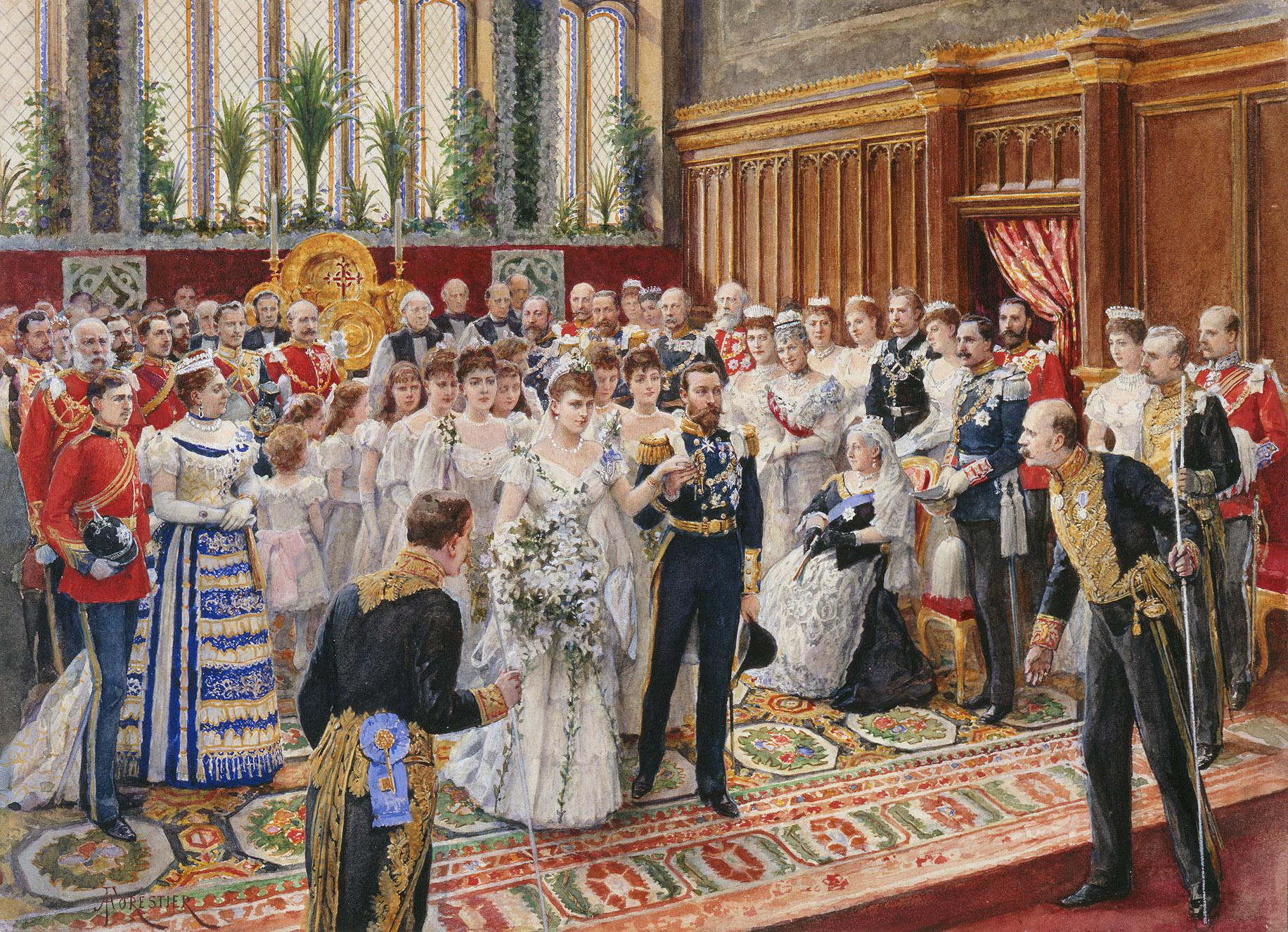
When the mutual relatives of two royal families died, the countries were likelier to go to war.
As air pollution increases, so does violent crime.

As a form of civil disobedience, hacking can help make the world a better place.
In each of our minds, we draw a demarcation line between beliefs that are reasonable and those that are nonsense. Where do you draw your line?

Milgram’s experiment is rightly famous, but does it show what we think it does?

The symbol for love is the heart, but the brain may be more accurate.
▸
14 min
—
with

According to this research, eight percent of Americans always refuse vaccines. Why?
Too few babies — not overpopulation — is likely to be a major problem this century.

Science journals may be lowering their standards to publish studies with eye-grabbing — but probably incorrect — results.

There were at least four major climate catastrophes that reshaped global religion. It could be happening again.
Political partisanship might be a treatable condition.

Is working from home the ultimate liberation or the first step toward an even unhappier “new normal”?

A new study explores how investors’ behavior is affected by participating in online communities, like Reddit’s WallStreetBets.
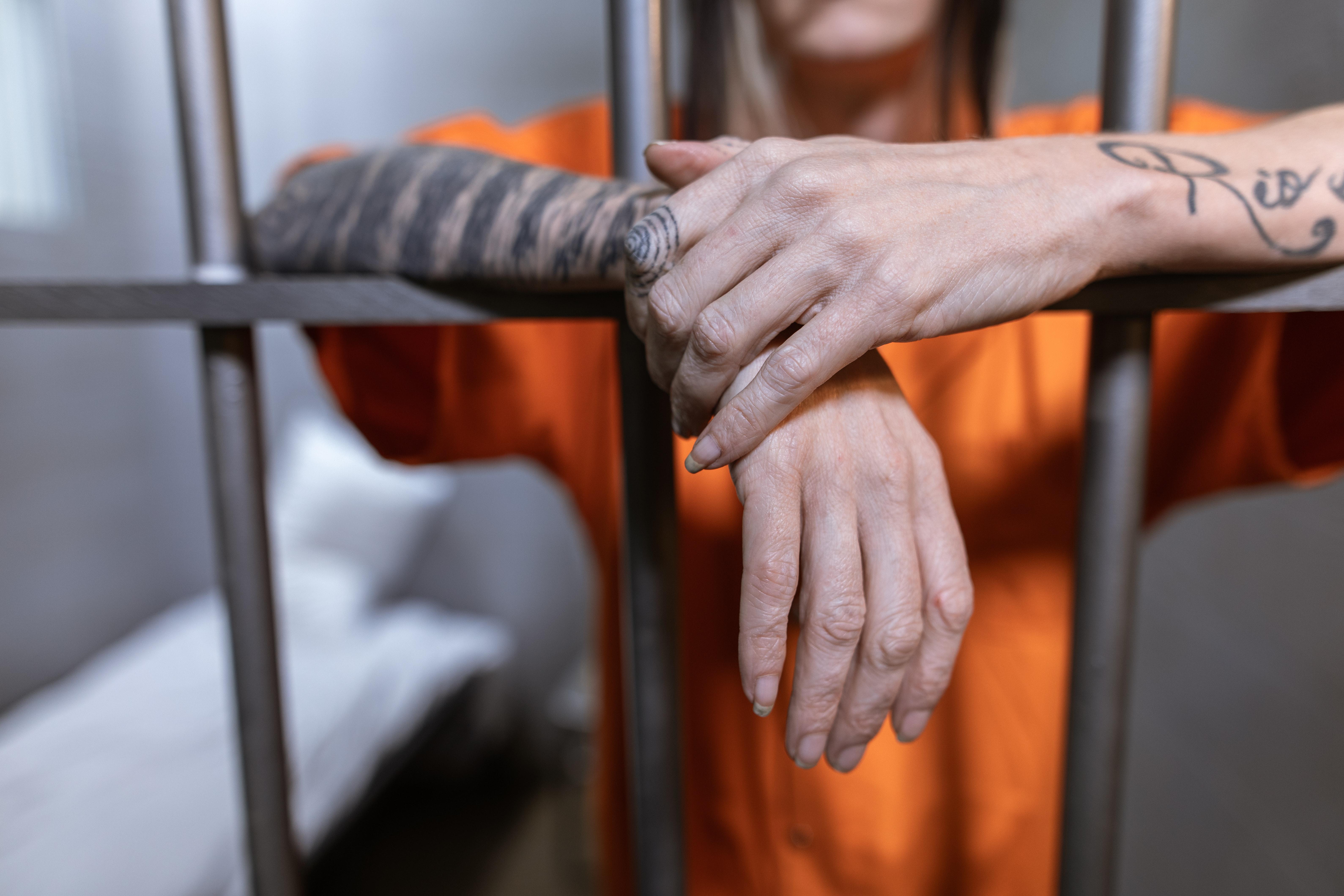
A new study suggests that private prisons hold prisoners for a longer period of time, wasting the cost savings that private prisons are supposed to provide over public ones.

Dunbar’s number is a popular estimate for the maximum size of social groups. But new research suggests that it’s a fictitious number based on flimsy data and bad theory.

Humans may have evolved to be tribalistic. Is that a bad thing?
▸
17 min
—
with
Many people believe that in the face of profound evil, they would have the courage to speak up. It might be harder than we think.

The US prison system continues to fail, so why does it still exist?
▸
18 min
—
with
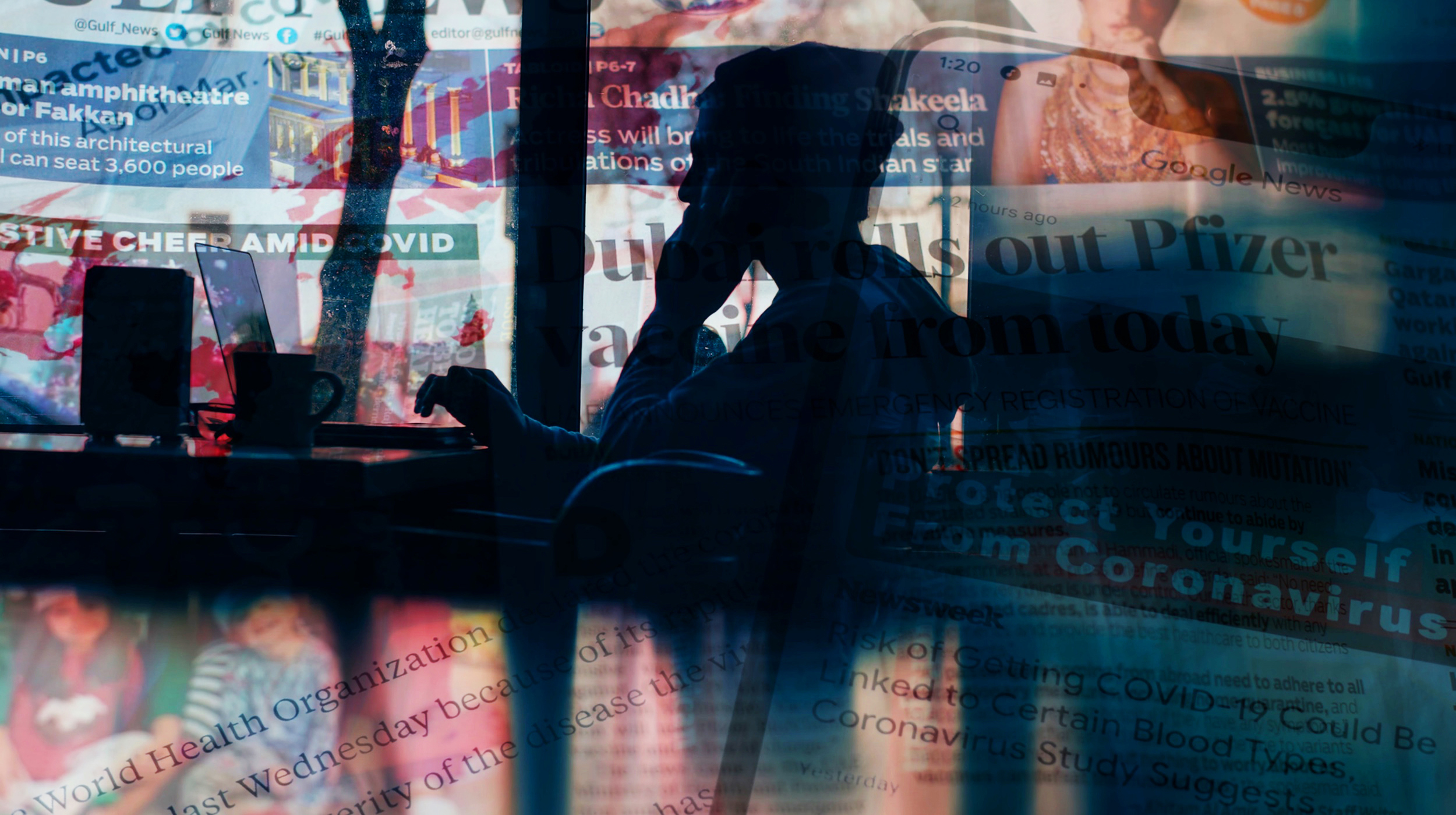
Counterintuitively, directly combating misinformation online can spread it further. A different approach is needed.
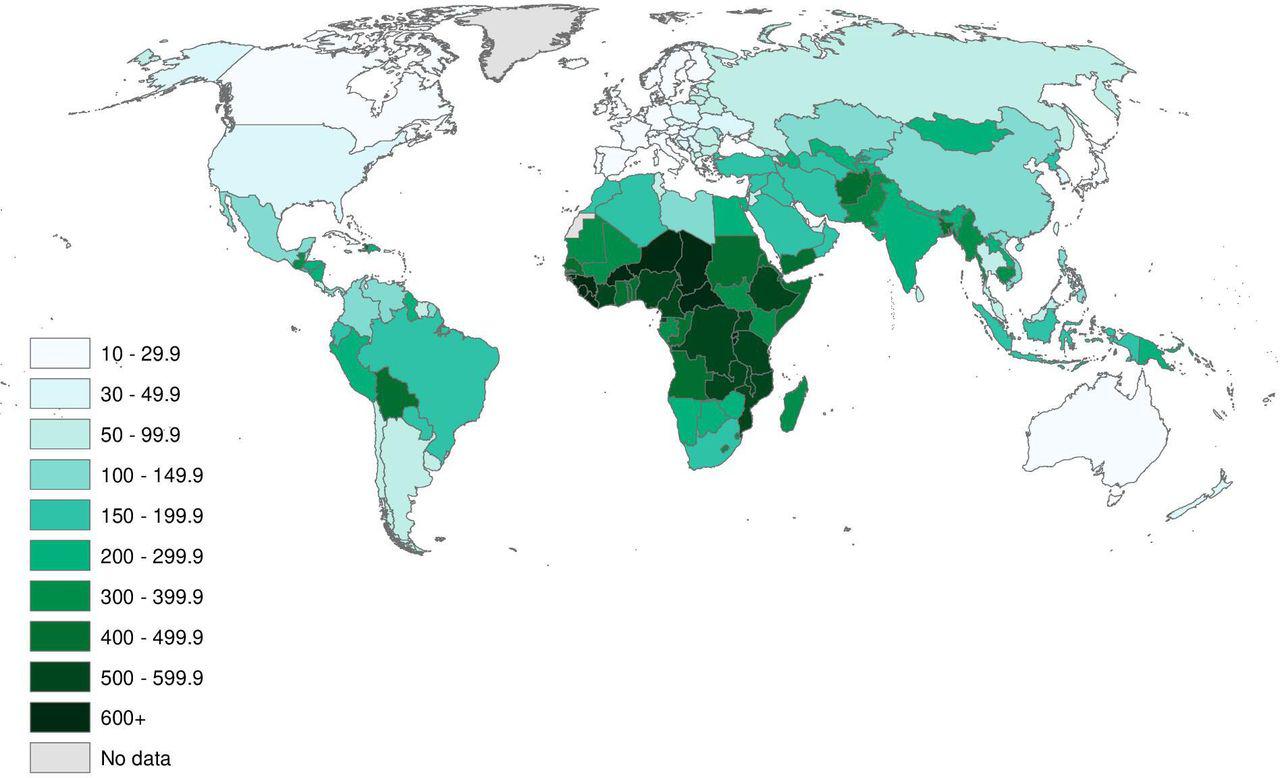
Global inequality takes many forms, including who has lost the most children