sociology
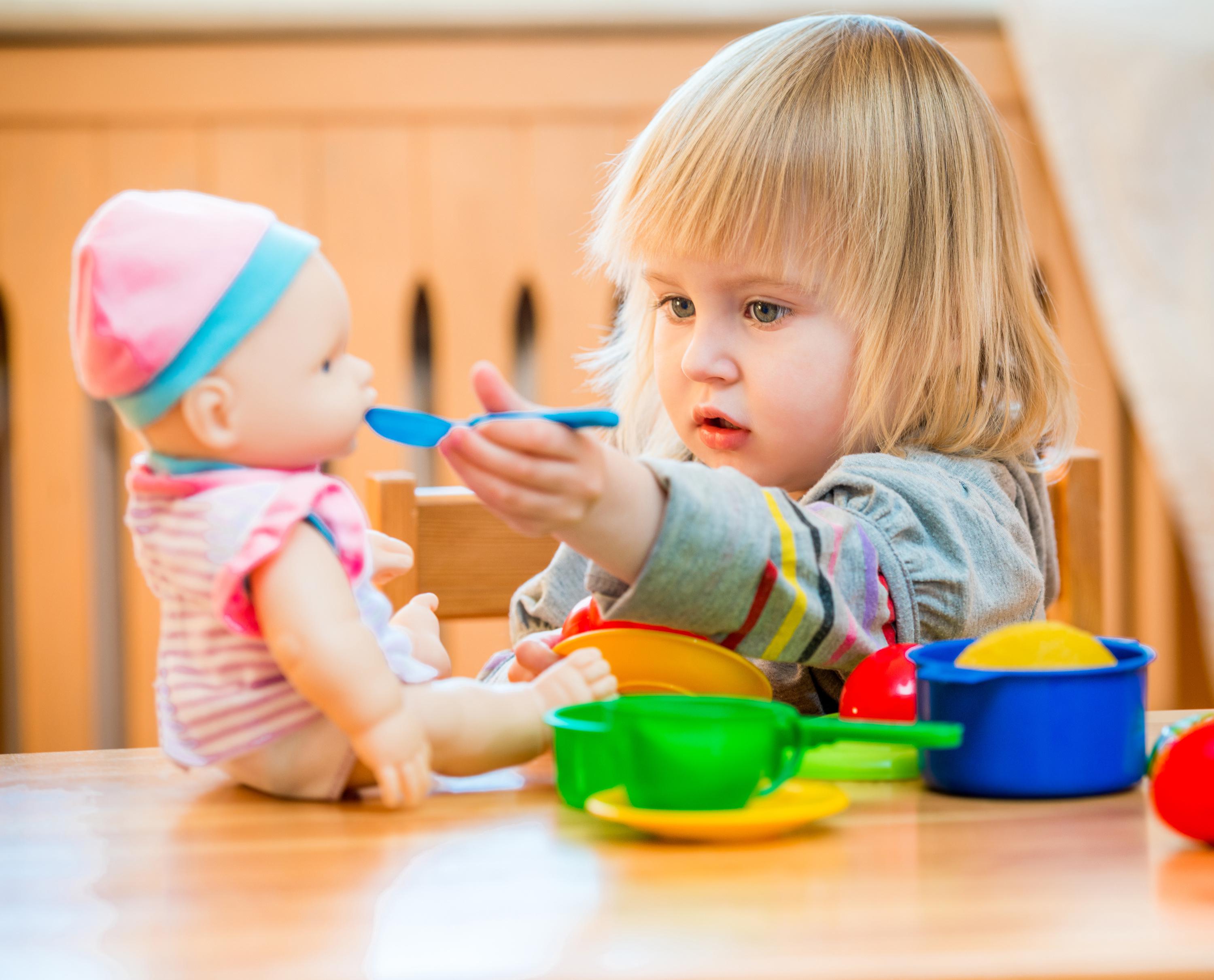
Fifty years of research on children’s toy preferences shows that kids generally prefer toys oriented toward their own gender.
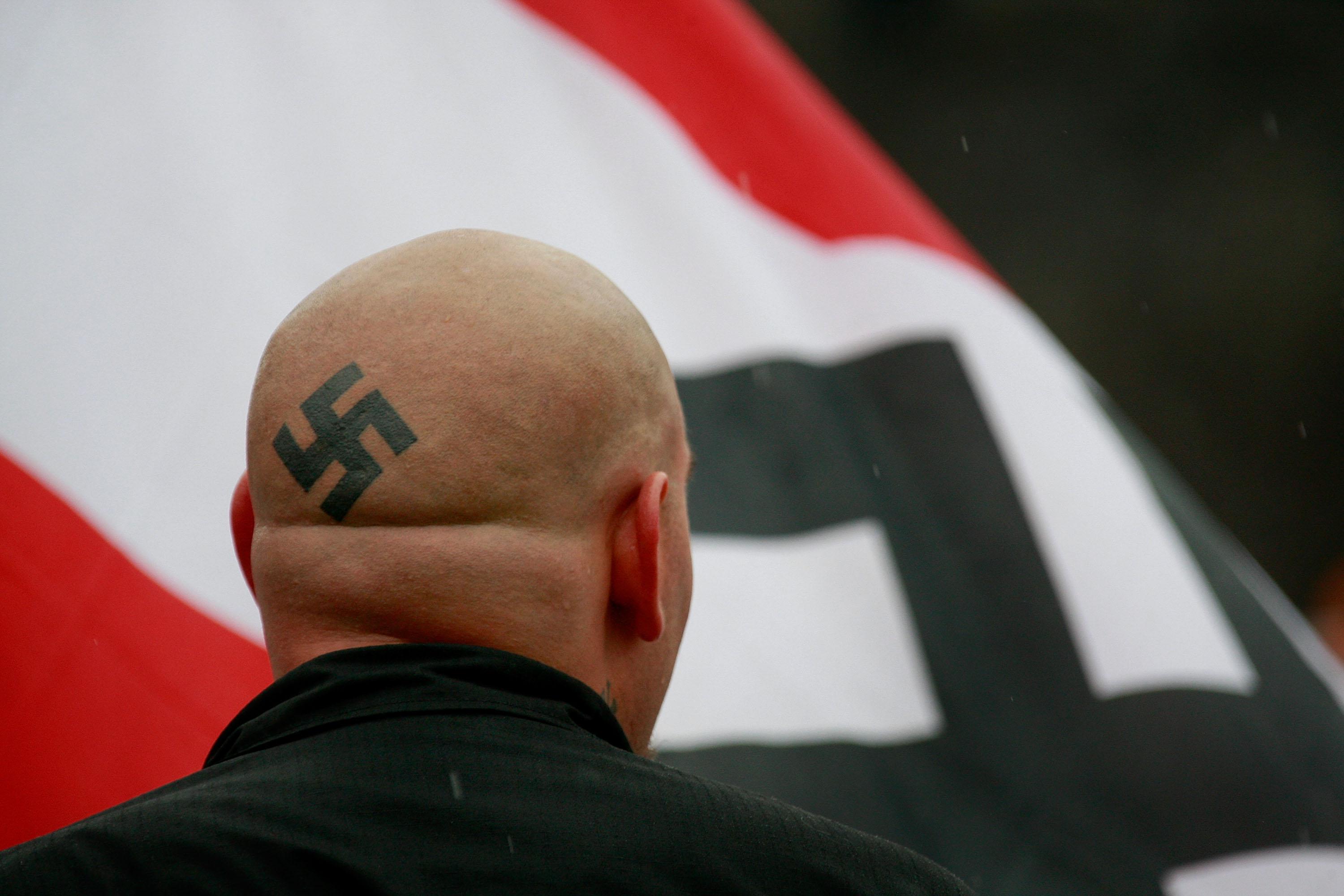
New research sheds light on the indoctrination process of radical extremist groups.
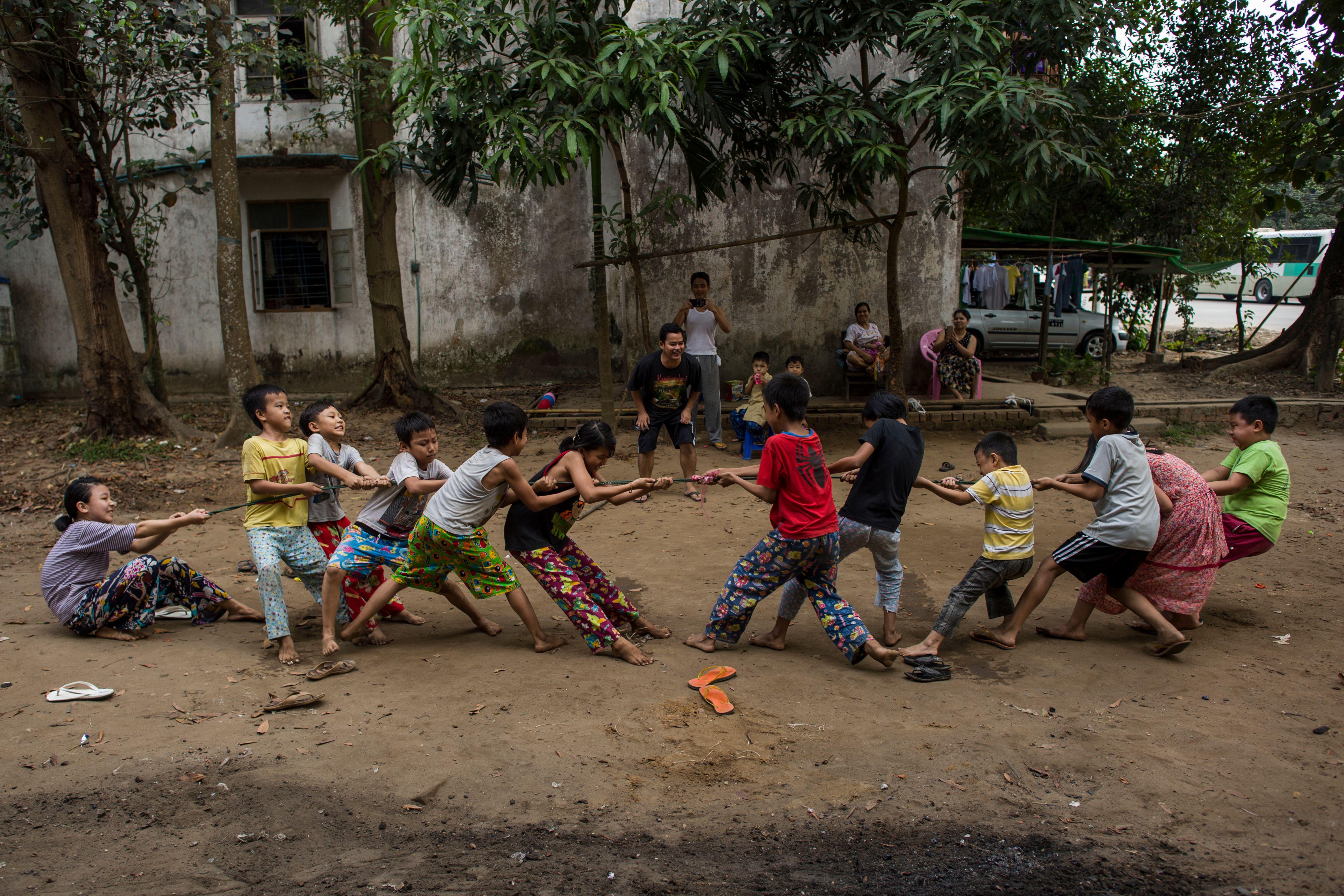
People often divide the world into “us” and “them” then forget about everybody else.
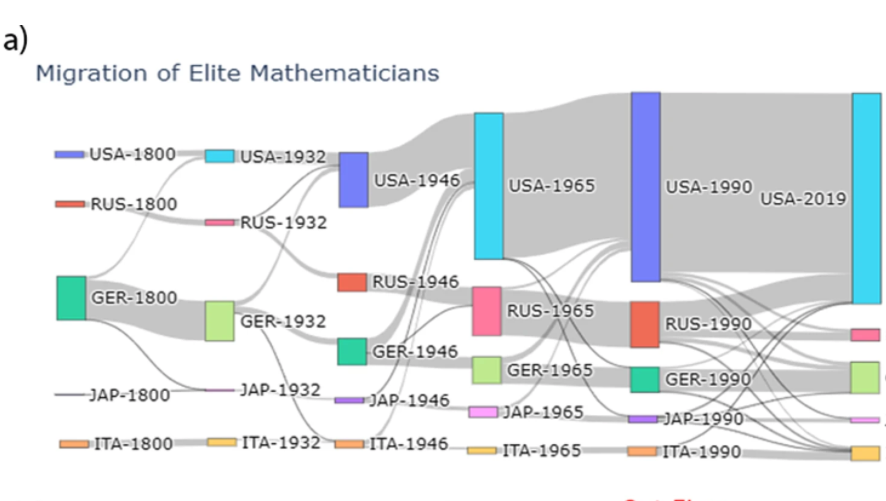
The Field Medal was created to elevate promising mathematicians from underrepresented demographics. But has it followed through on that goal?

“It’s not always about agreement, more often it’s about business.”

The public sphere should be open to conflict.
A new study explores how using positive labels to describe a majority group may negative impact perceptions of minority groups.
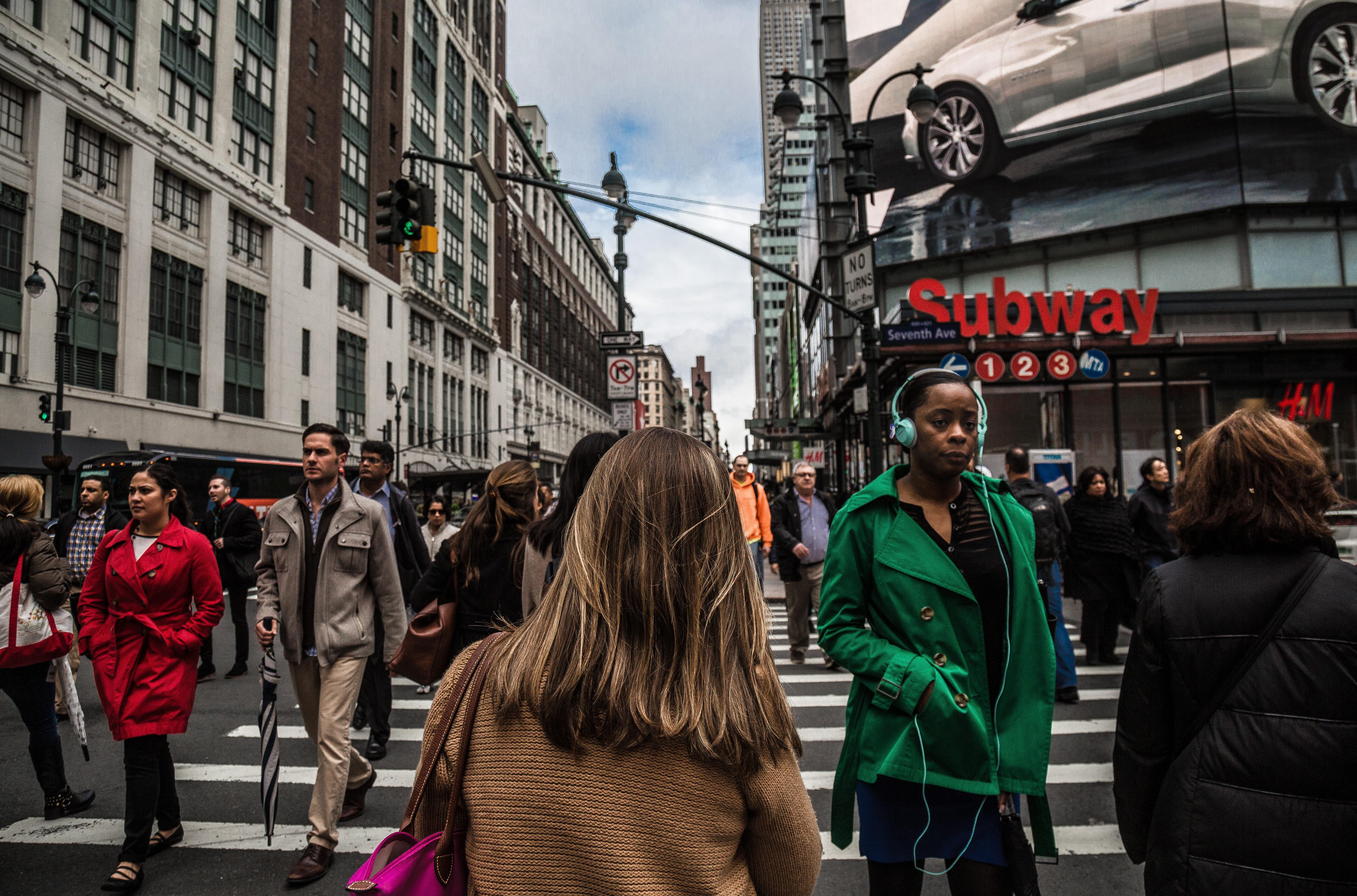
The ‘reasonable person’ represents someone who is both common and good.

A study of 1.6 million people ties high incomes with more positive emotions and fewer negative ones, but only towards the self.
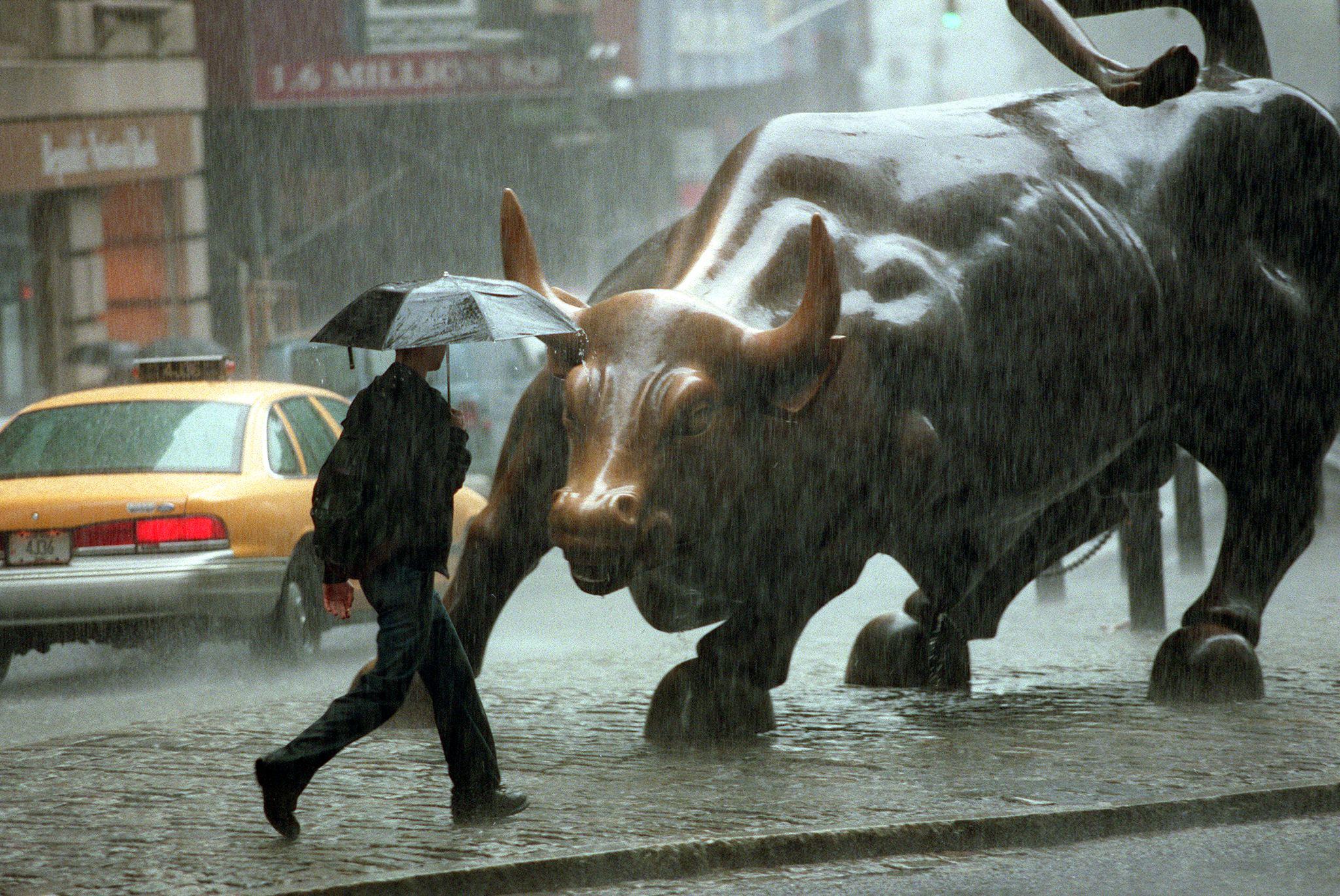
The British economic anthropologist Jason Hickel proposes “degrowth” in the face of recession.

How different people react to threats of violence.

Technology of the future is shaped by the questions we ask and the ethical decisions we make today.
▸
5 min
—
with

Remedies must honor the complex social dynamics of adolescence.

While not the first such minister, the loneliness epidemic in Japan will make this one the hardest working.

The debate over whether or not there is a place for political correctness in modern society is not always black and white.
▸
13 min
—
with
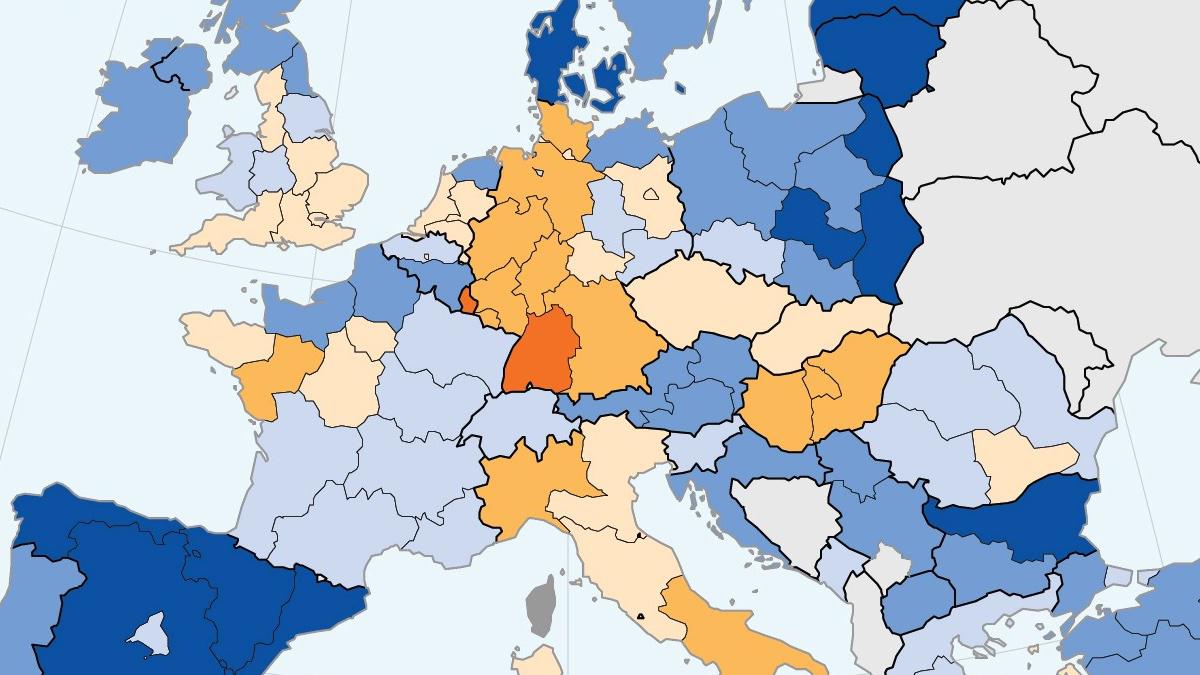
Despite overall increase over the past 20 years, share of women in science and engineering falls in some European countries

From baboon hierarchies to the mind-gut connection, the path to defeating depression starts with understanding its causes.
▸
23 min
—
with

In her book The Art of Rest, one researcher conducted a thorough analysis of the top 10 activities we find most restful.

Older people are in grave danger of being left behind.

User-driven sites lead to user-based bias.

A new study shows that beauty standards affect whether or not accusers are believed.
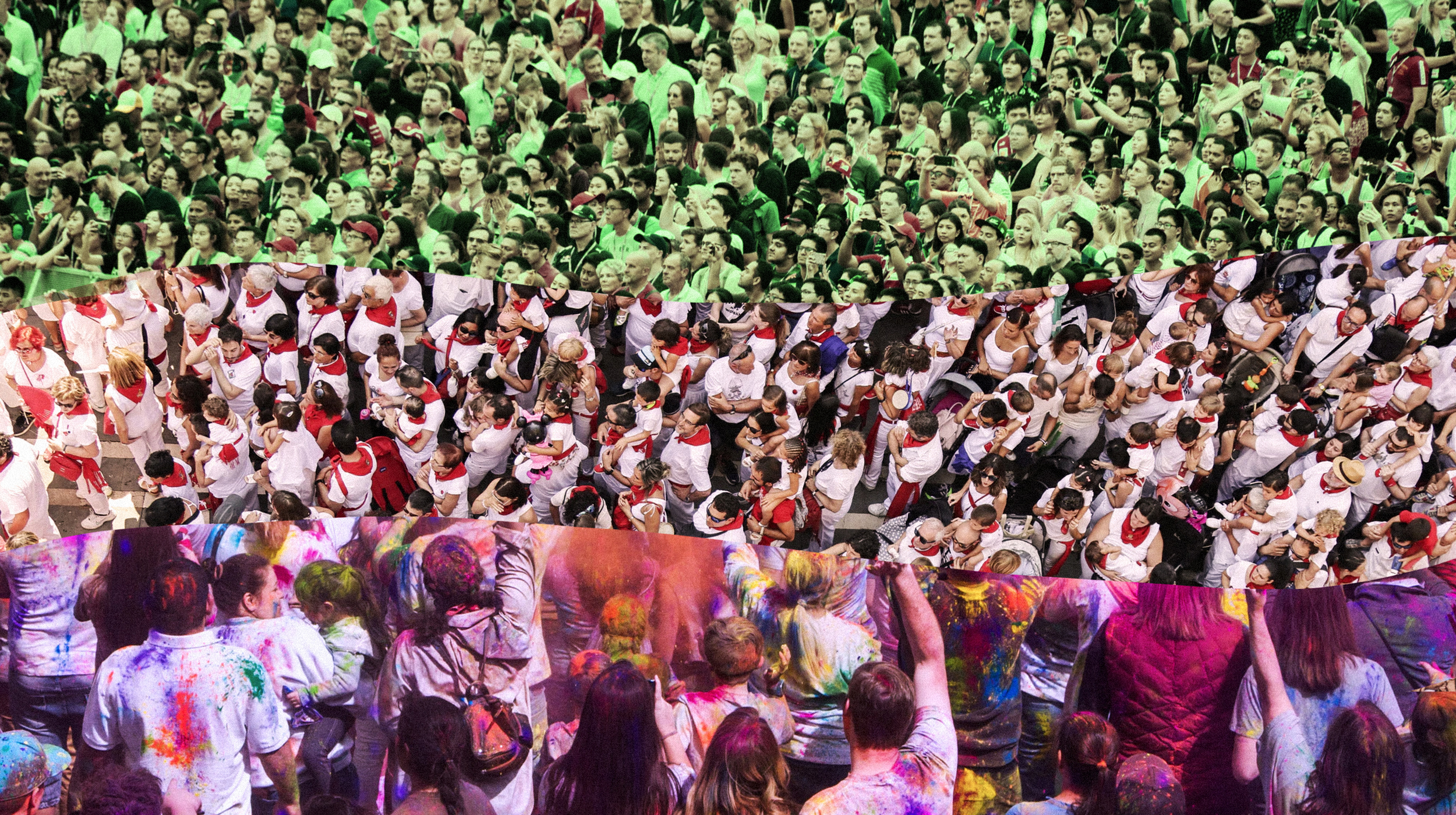
Study confirms the existence of a special kind of groupthink in large groups.

Learn how to practice “self-indifference.”
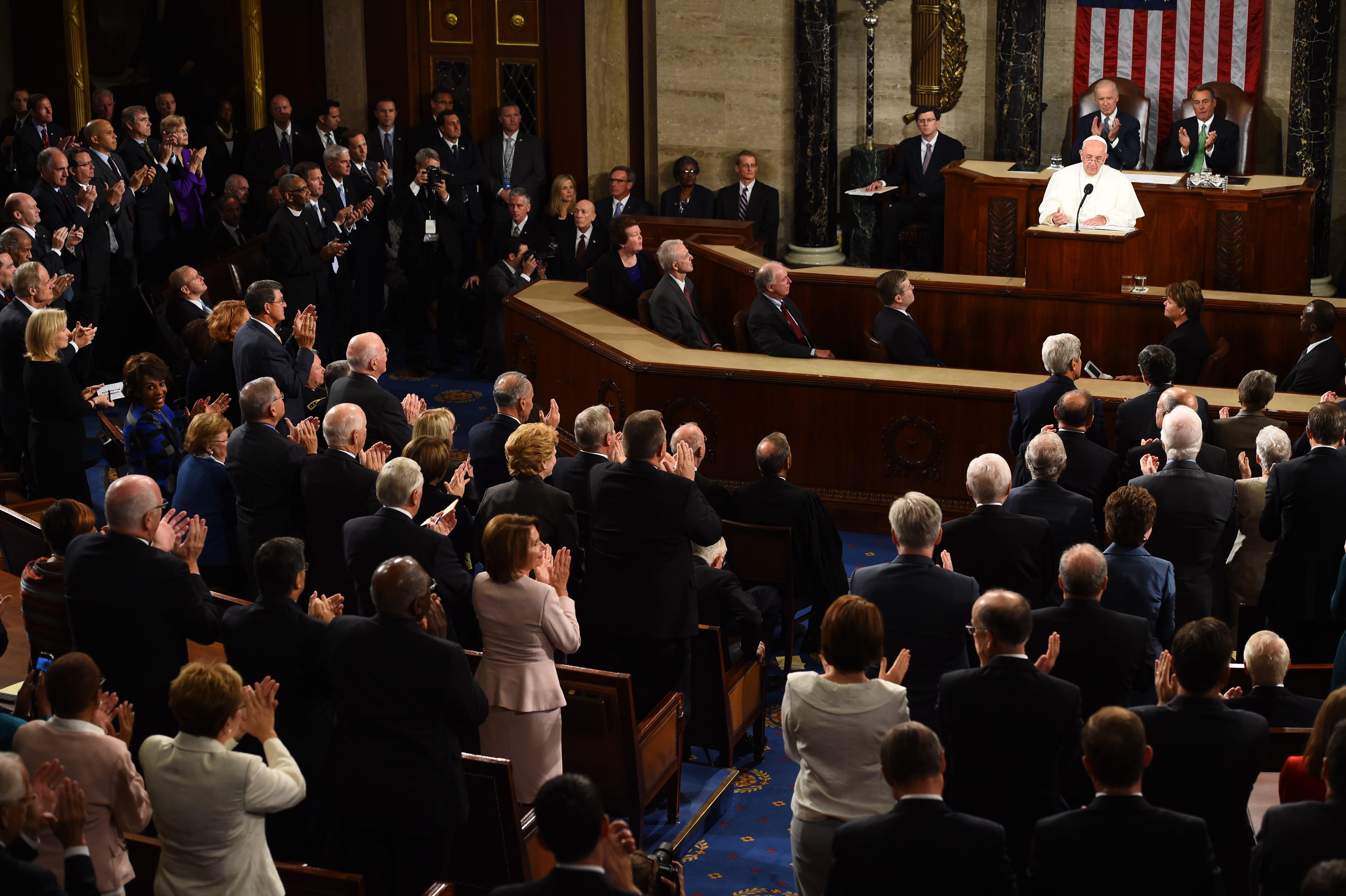
A new survey shows who believes what and how it differs from what Americans believe as a whole.
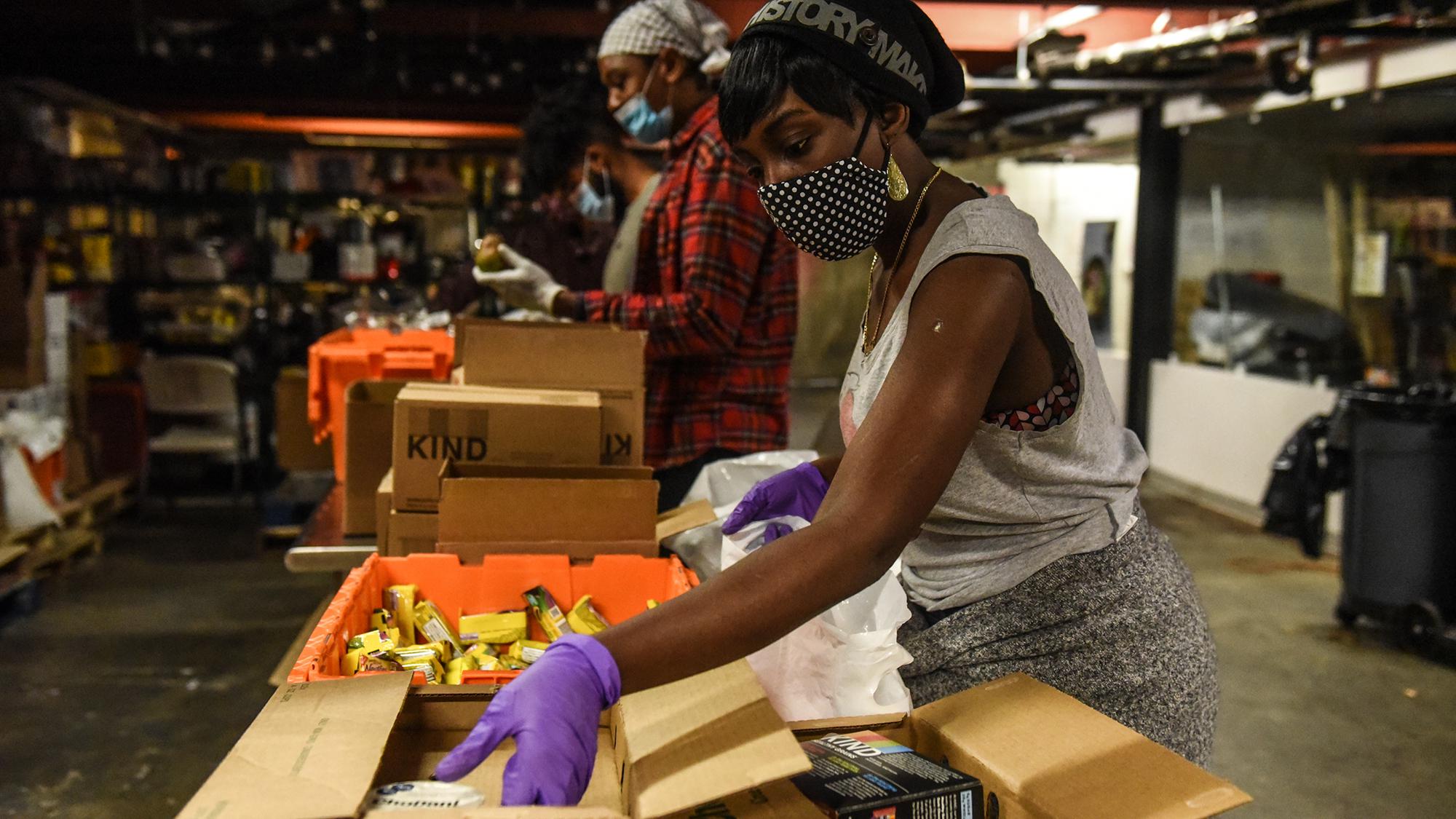
Want to tell someone’s future in the US? You don’t need a crystal ball, just their zip code.
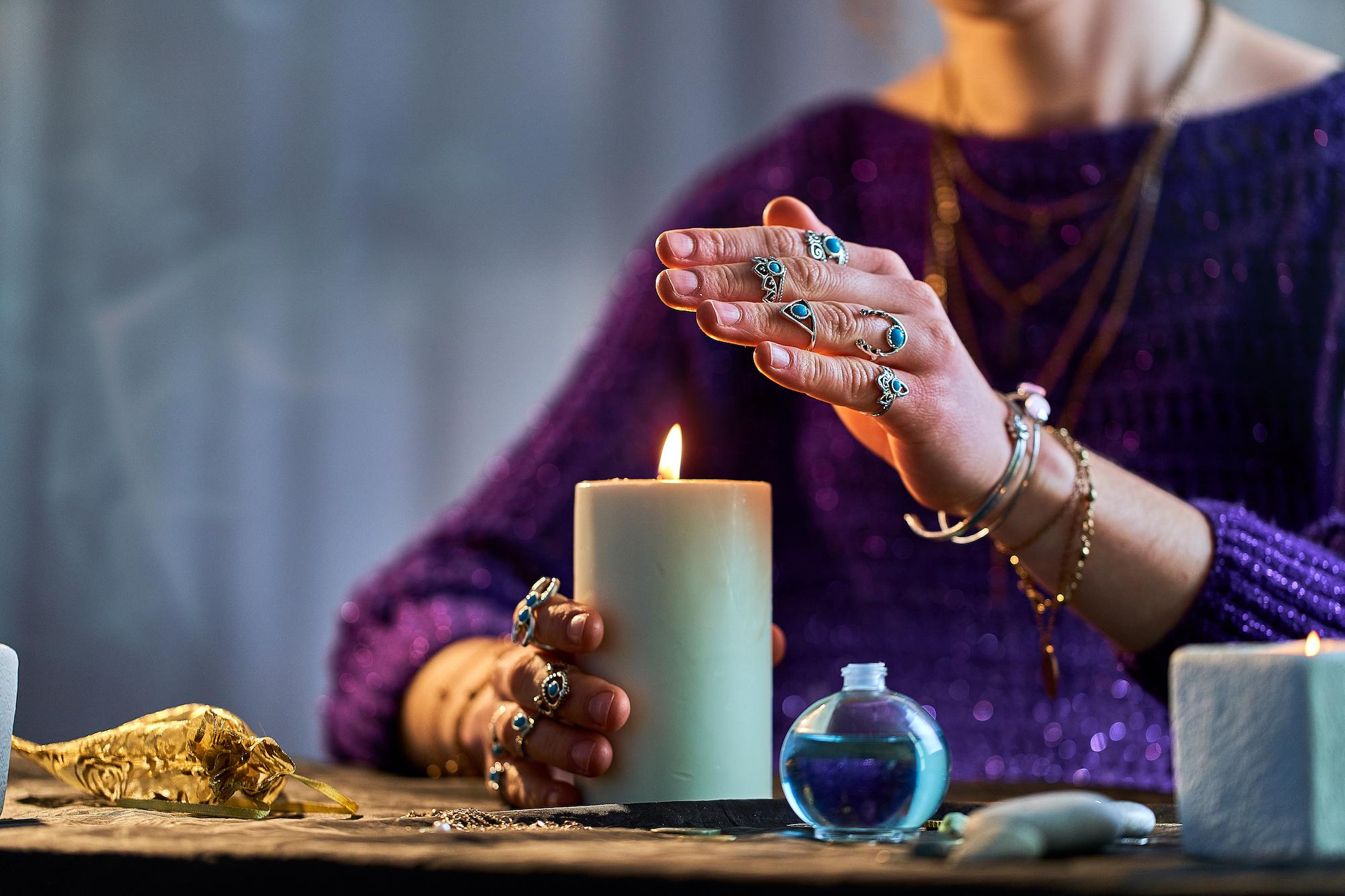
Some volunteers performed above chance. They weren’t the psychics.

The author of “Auroville: The City Made of Dreams” talks about the difficulties of establishing (and writing about) utopian societies.
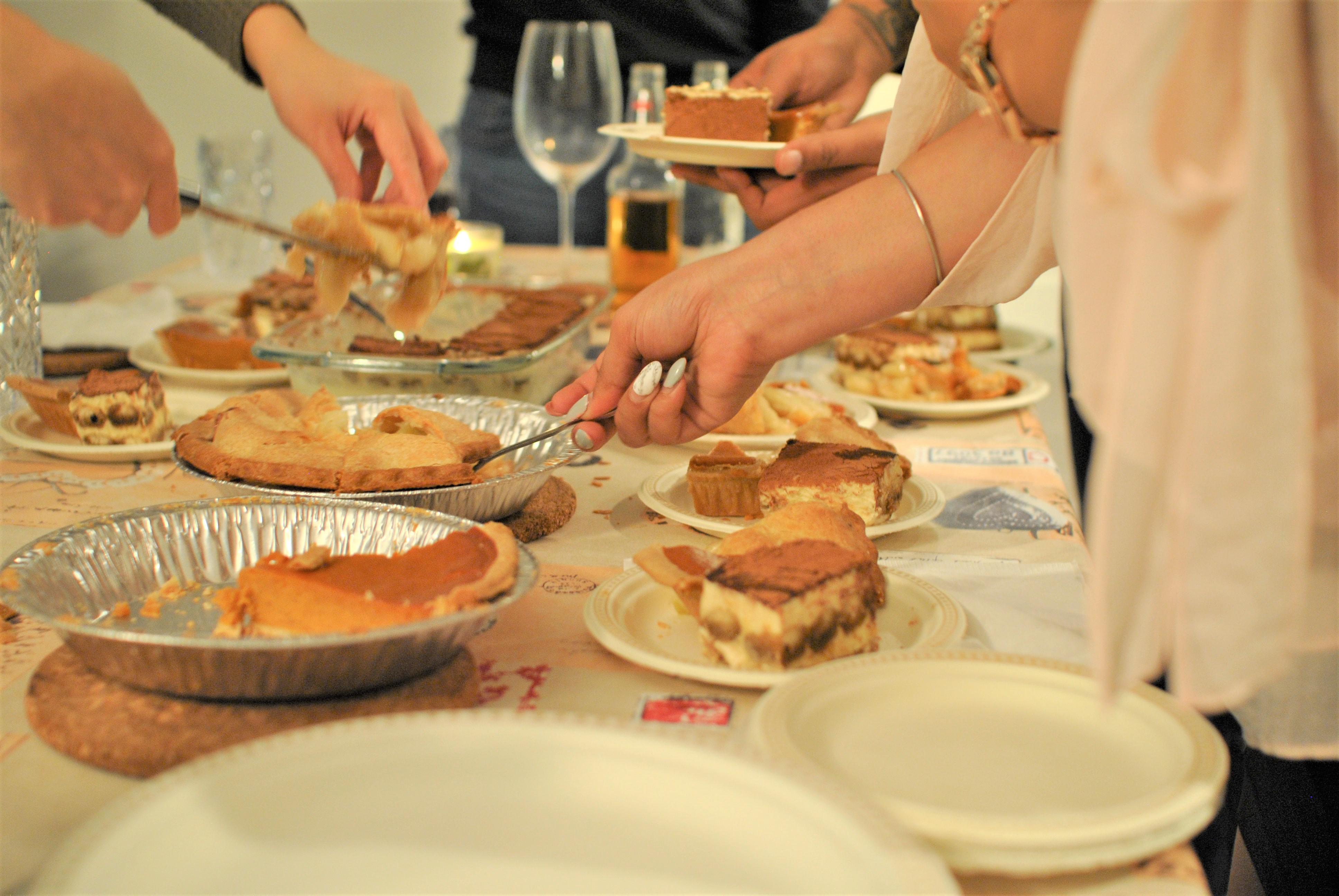
An archaeologist considers the history and biology of what defines a taste of home.

As morally sturdy as we may feel, it turns out that humans are natural hypocrites when it comes to passing moral judgment.
▸
5 min
—
with

The pieces don’t represent an army, they stand in for the Western social order.