Actor Jesse Eisenberg argues that fear, often seen as a weakness, can be a motivating superpower for high achievers, encouraging acceptance of discomfort and the establishment of boundaries to prevent overwhelm while fostering personal growth.
Acclaimed actor and director Jesse Eisenberg, who understands job-related anxiety, advocates for channeling these emotions toward desired outcomes, sharing methods from his diverse film industry experience to help manage fear, foster community in leadership, and pursue goals authentically.
In this video lesson, actor and director Jesse Eisenberg offers strategies to positively channel common work-related anxieties, establish effective boundaries, and foster collaborative environments that leverage individual strengths.
Designing a fulfilling life involves making deliberate choices about what truly matters, as Ayse Birsel’s reconstruction phase encourages you to identify and rank your top three priorities across emotional, physical, intellectual, and spiritual quadrants, ultimately guiding your daily actions and energy.
Designer Ayse Birsel advocates for deconstructing your life into its basic components—emotional, physical, intellectual, and spiritual—to reclaim agency and optimism, allowing for a fresh perspective and the ability to reshape your life.
To reconcile the tension between childhood aspirations and the realities of the working world, embrace flexibility in your career path while remaining grounded in your core values, allowing for personal growth and unexpected opportunities.
After eight years in the NBA, John Amaechi pursued a psychology degree, emphasizing that achieving dreams requires self-awareness, clear goals, and a flexible, pragmatic plan tailored to one’s strengths and weaknesses.
Failure is a common experience, even for successful figures like Thomas Edison and Steven Spielberg, but as Jesse Eisenberg advises, it’s crucial to learn from setbacks and focus on moving forward rather than dwelling on negative feelings.
In this lesson, Tony Coles emphasizes the importance of self-knowledge for decision-making by sharing strategies to align with your moral compass, learn from failures, and courageously uphold your beliefs in challenging situations.
This class, led by experts like Amy Cuddy and Tony Coles, focuses on developing presence, emotional intelligence, and self-knowledge to enhance personal and professional growth, emphasizing the importance of self-affirmation, leadership dynamics, and creating a supportive workplace culture.
Chloe Valdary emphasizes the importance of understanding our own pain and triggers when interacting with individuals who hold harmful ideologies, advocating for compassion and “shadow work” to foster vulnerability and create a supportive community.
Flannery O’Connor’s insight on writing reflects Cassandra Worthy’s belief that journaling enhances emotional intelligence and self-awareness, helping individuals navigate their emotions and identify triggers during challenging workplace changes.
In this video lesson, neuroscientist Amishi Jha introduces the River of Thought Practice to enhance meta-awareness by balancing focused and broad attention, encouraging mindfulness through visualization and daily practice for optimal mental clarity.
Neuroscientist Amishi Jha emphasizes that achieving goals relies heavily on effective use of working memory, or your “mental whiteboard,” and suggests mindfulness training to enhance focus and prevent distractions from past ruminations or future anxieties.
Emotional intelligence (EQ), more crucial than IQ for career success and a set of learnable skills, encompasses self-awareness, self-management, social awareness, and relationship management, which effective leaders must master to excel in their roles.
This emotional intelligence (EQ) course, featuring experts like Daniel Goleman and Amy Cuddy, highlights EQ’s vital role in career success, offering strategies to enhance self-awareness, management, and interpersonal skills, ultimately fostering better performance in personal and professional settings.
Correlation does not imply causation; while successful individuals may exhibit overconfidence, as Ryan Holiday suggests, it’s essential to recognize that true success stems from talent, hard work, and self-awareness, rather than ego, which can lead to mistakes and entitlement.
In “The Flight of Icarus,” Daedalus warns his son Icarus against hubris, but Icarus’ overconfidence leads to his tragic fall, illustrating the dangers of unchecked ego, which can hinder collaboration and growth, especially in the age of social media.
To manage pre-presentation stress, embrace performance anxiety as a positive force by saying “I’m excited!” and channel it through energetic music or quick exercises to boost adrenaline and enhance your performance.
Stephen Miles, CEO of The Miles Group, emphasizes that even top CEOs can enhance their leadership by recognizing blind spots, and offers four tools for self-coaching: identifying your leadership style, modifying it for your audience, fostering dialogue, and affirming opposing viewpoints.
This class explores the evolving role of leadership in complex business environments, emphasizing the balance of personal influence, team collaboration, and trust-building, while equipping leaders with tools to foster a high-trust culture that inspires commitment and empowers teams.
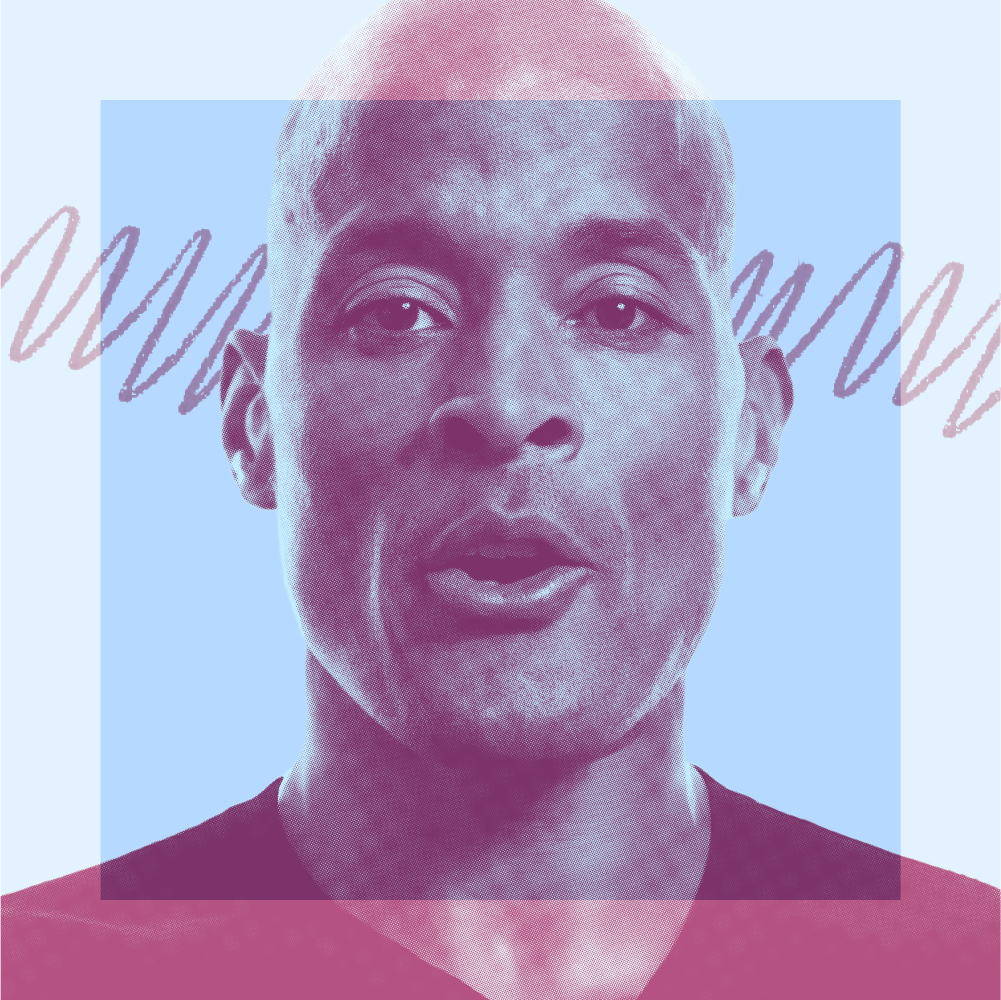
This class equips participants with strategies from experts like David Goggins, Amy Cuddy, and Dr. Rudolph Tanzi to enhance mental strength and emotional well-being through mindfulness, body-mind techniques, and compassionate emotional processing, ultimately fostering resilience and personal growth.
This class features insights from Salman Rushdie, Annie Duke, and Matt Dixon on authenticity, confidence, and effective communication, emphasizing lifelong growth, the importance of embracing uncertainty, building trust in client relationships, and navigating crises with clarity to enhance leadership skills.
This class, led by experts like Lisa Lampanelli and Amy Cuddy, teaches essential communication skills for authentic audience connection, focusing on storytelling, self-awareness, and adapting to diverse perspectives in today’s multicultural workplace.
Despite ancient Greek knowledge of a round Earth, many still believe in a flat planet due to a human predisposition for magical thinking, making it challenging to combat superstition and conspiracy theories even with evidence and reason.
Neuroscientist Amishi Jha emphasizes that cultivating meta-awareness—being conscious of your thoughts and emotions—can help you navigate distractions in today’s VUCA environments and regain control over your attention amidst the challenges posed by technology and constant information bombardment.
Willpower, governed by the brain’s frontal cortex, can diminish due to low energy from factors like low blood sugar, stress, and lack of sleep, leading to issues like distraction and impulsivity; thus, understanding these biological influences is key to enhancing productivity.