Narrative structure is essential for businesses to connect with customers, as storytelling—embraced by all employees—clarifies the brand’s mission and fosters loyalty, making it crucial to regularly practice and refine the stories behind the company, its products, and its people.

Success is not solely determined by quality; rather, it hinges on the right person discovering the right idea at the right time, emphasizing the importance of effective distribution and consumer understanding to transform failures into successes.
Achieving coolness involves a nuanced rebellion against the mainstream, where success lies not in broad appeal but in resonating with a small, dedicated niche that feels misunderstood by the majority, as explained by Derek Thompson.
In this video lesson, leadership consultant Simon Sinek emphasizes the importance of understanding and articulating an organization’s “why” to maintain direction and purpose, as exemplified by Disney’s return to its original vision under CEO Bob Iger.
In a video lesson, brand designer Debbie Millman discusses the successes and failures of recent brand redesigns, highlighting Tropicana’s backlash in 2009, Starbucks’ effective logo evolution, and Burger King’s successful return to its roots.
In her video lesson, brand designer Debbie Millman outlines five essential phases for a successful organizational redesign: diagnostic, projective, exploratory, implementation, and launch, emphasizing the extensive work behind visible changes like new logos and packaging.
Brand designer Debbie Millman emphasizes that evolving a brand should be done carefully and intentionally, focusing on meaningful changes that resonate with consumers, supported by vibrant storytelling across all touchpoints to enhance brand acceptance and engagement.
In her video lesson, brand designer Debbie Millman emphasizes the importance of clear communication and addressing artificial harmony in collaborative design processes to ensure mutual understanding and effective conflict resolution.
Debbie Millman emphasizes the importance of aligning a brand’s mission, vision, and market position to authentically benefit consumers, advocating for transparency and strategic positioning to avoid misleading claims and foster genuine connections.
In her video lesson, brand designer Debbie Millman explores how the neuroscience of the brain’s limbic system influences consumer attraction to visually striking products, highlighting the importance of color, shape, and design in capturing attention amidst overwhelming visual stimuli.
In a market flooded with over 100 bottled water brands, consumers increasingly favor those like Mananalu, which prioritize meaningful missions such as eliminating plastic waste, highlighting the importance of branding that resonates with modern values and social responsibility.
Designer Debbie Millman explains that branding extends beyond fashion to encompass religious and cultural beliefs, illustrating how shared symbols historically fostered community and safety, while modern technology has shifted brand creation back to a bottom-up approach, empowering consumers to shape their identities.
In her video lesson, brand designer Debbie Millman emphasizes that brands serve as nonverbal signals of our identity and values, highlighting their importance for success in the era of brand democratization.
Designer Debbie Millman emphasizes that effective branding transcends capitalism, as it involves creating meaningful symbols and slogans while iterating designs that align with values and resonate with customers in a crowded marketplace.
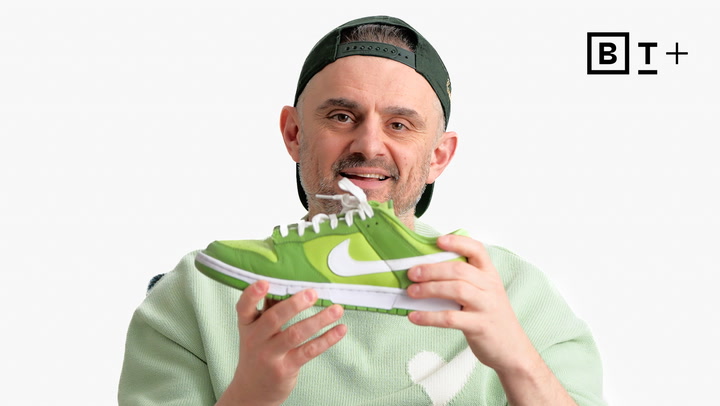
Warren Buffet’s insight on legacy thinking highlights the importance of prioritizing future care in professional endeavors, a philosophy echoed by Gary Vaynerchuk, who emphasizes that authenticity and long-term vision can yield both spiritual fulfillment and financial success.
Gary Vaynerchuk emphasizes that just as ripened fruit is more enjoyable, a patient approach in business—rewarding long-term achievements and measuring metrics over months or years—can lead to better results, while fear of failure should be eradicated to foster growth.
Entrepreneur Gary Vaynerchuk encourages leaders to adopt a “maybe” mindset towards emerging technologies, as this openness fosters growth and adaptability, while defaulting to “no” can hinder progress and allow competitors to take the lead.
Brands like Apple, Disney, and Nike achieved their iconic status through innovation and strategic focus on emotional connections, as discussed by entrepreneur Gary Vaynerchuk, who emphasizes the importance of patience and long-term thinking in building brand recognition and measuring its ROI.
Gary Vaynerchuk emphasizes the importance of consumer segmentation in advertising, advocating for tailored marketing strategies that focus on smaller, specific groups rather than broad categories to create more impactful and relevant messages.
Entrepreneur Gary Vaynerchuk emphasizes the importance of adapting marketing strategies in real-time by monitoring consumer attention, utilizing underpriced attention opportunities, and fostering creativity and self-awareness to effectively engage audiences across various platforms.
In advertising, as in education, showing genuine care for your audience enhances engagement, and by leveraging consumer insights and social media feedback, marketers can create relevant content that addresses pain points and adds value to consumers’ lives.
Gary Vaynerchuk, known as Gary Vee, challenges the notion that professional success must be a choice between financial gain and positive impact, emphasizing that caring for customers and employees can be central to entrepreneurship and legacy-building.
Entrepreneur Gary Vaynerchuk, known as “GaryVee,” emphasizes the importance of listening before speaking, a practice that enhances his advertising success and helps him build a meaningful life and legacy, as discussed in his video lesson.