Space & Astrophysics
“Even with my training, I still got insights from the book’s descriptions. That’s how good Carroll is at explaining physics.”
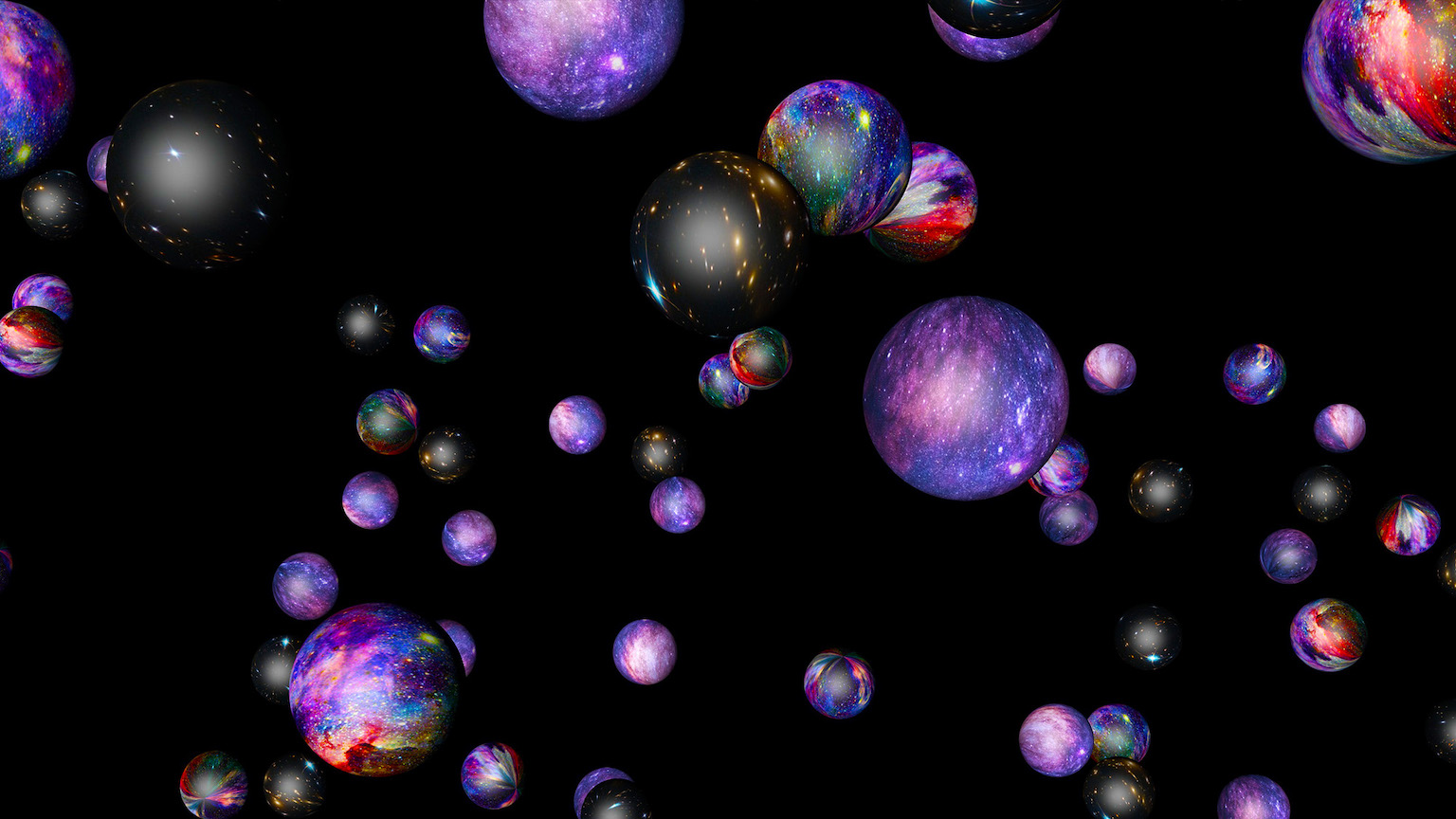
Are you unhappy with how various events in your life turned out? Perhaps, in a parallel Universe, things worked out very differently.
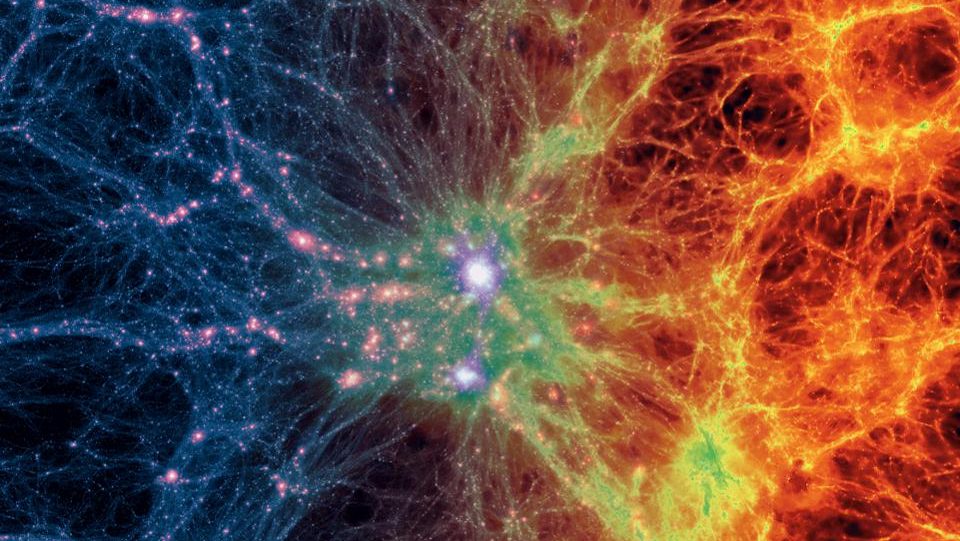
The Universe gravitates so that normal matter and General Relativity alone can’t explain it. Here’s why dark matter beats modified gravity.
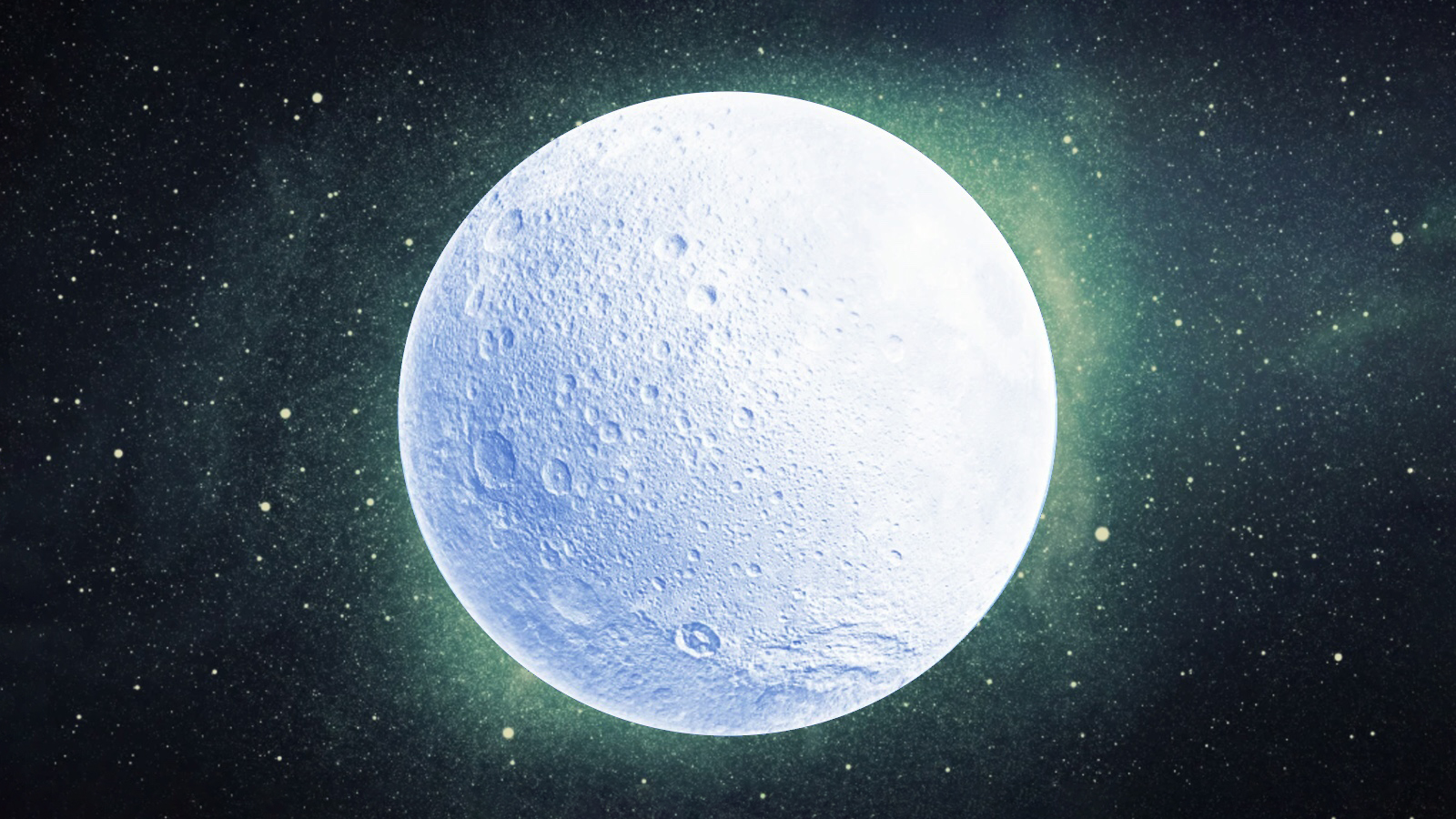
Unfortunately, the Lunar Ark project is an idea more at home in science fiction than science fact.
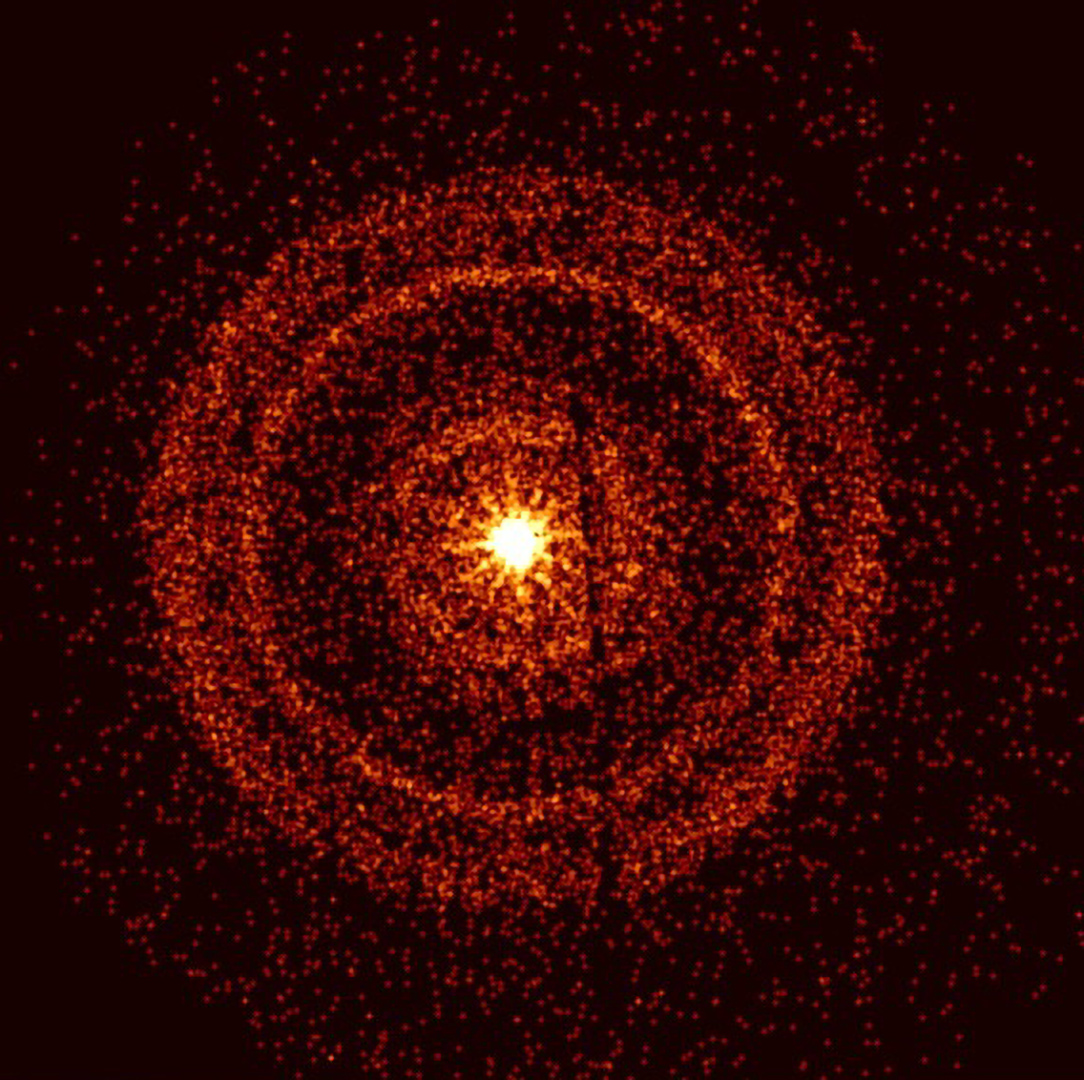
1.9 billion years ago, a star’s explosive death created a black hole. Its light just arrived at Earth. But did it set a cosmic record?
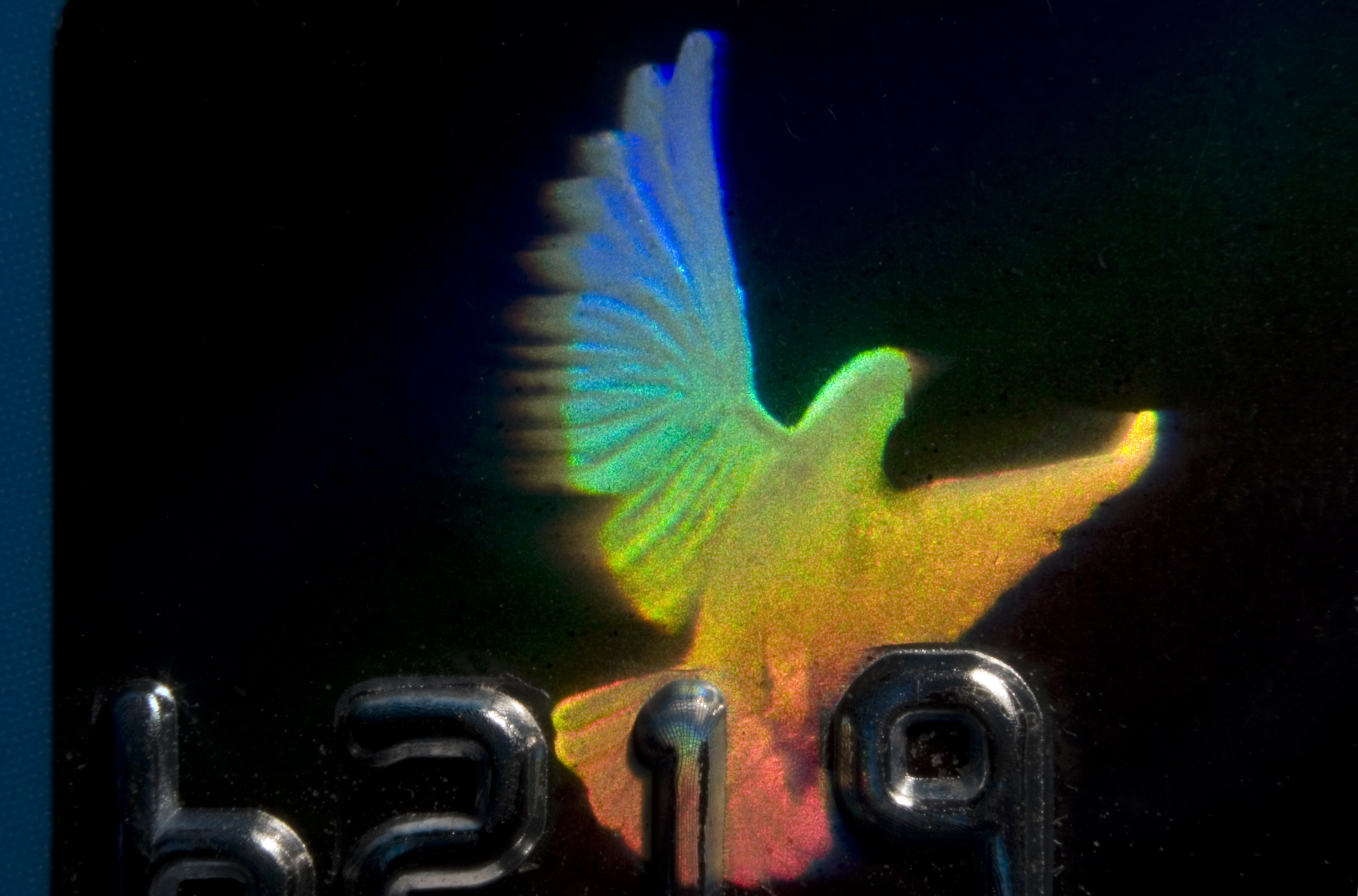
Holograms preserve all of an object’s 3D information, but on a 2D surface. Could the holographic Universe idea lead us to higher dimensions?
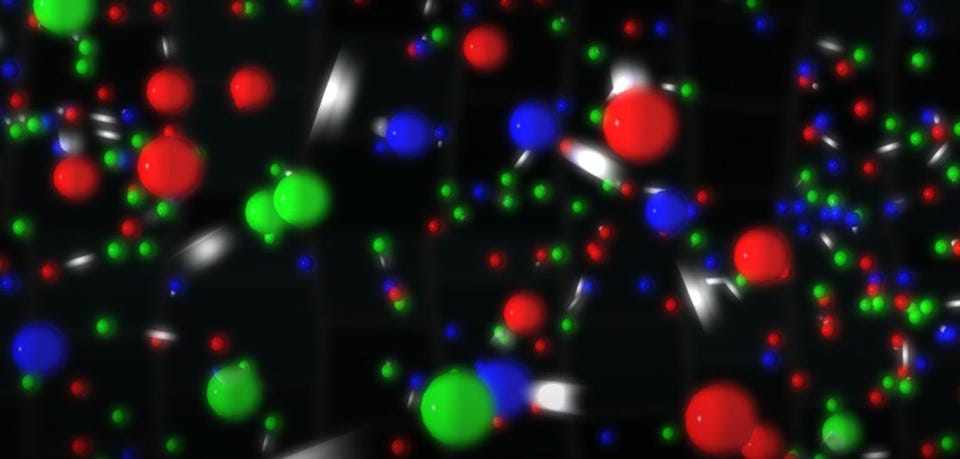
Before we formed stars, atoms, elements, or even got rid of our antimatter, the Big Bang made neutrinos. And we finally found them.
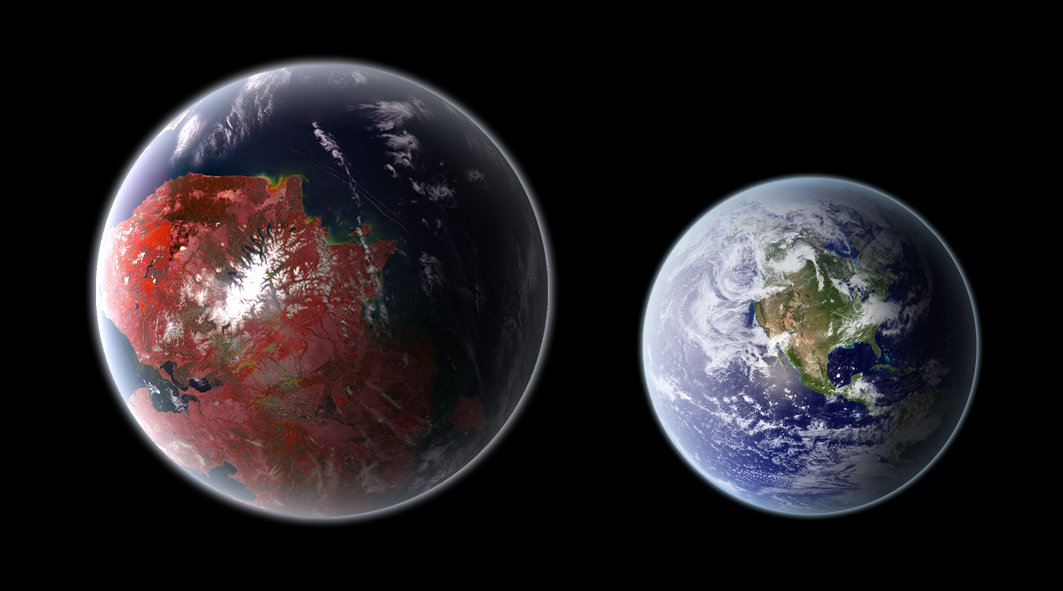
NASA is creating a planet habitability index, and Earth may not be at the top. With our current data, ranking habitability is guesswork.
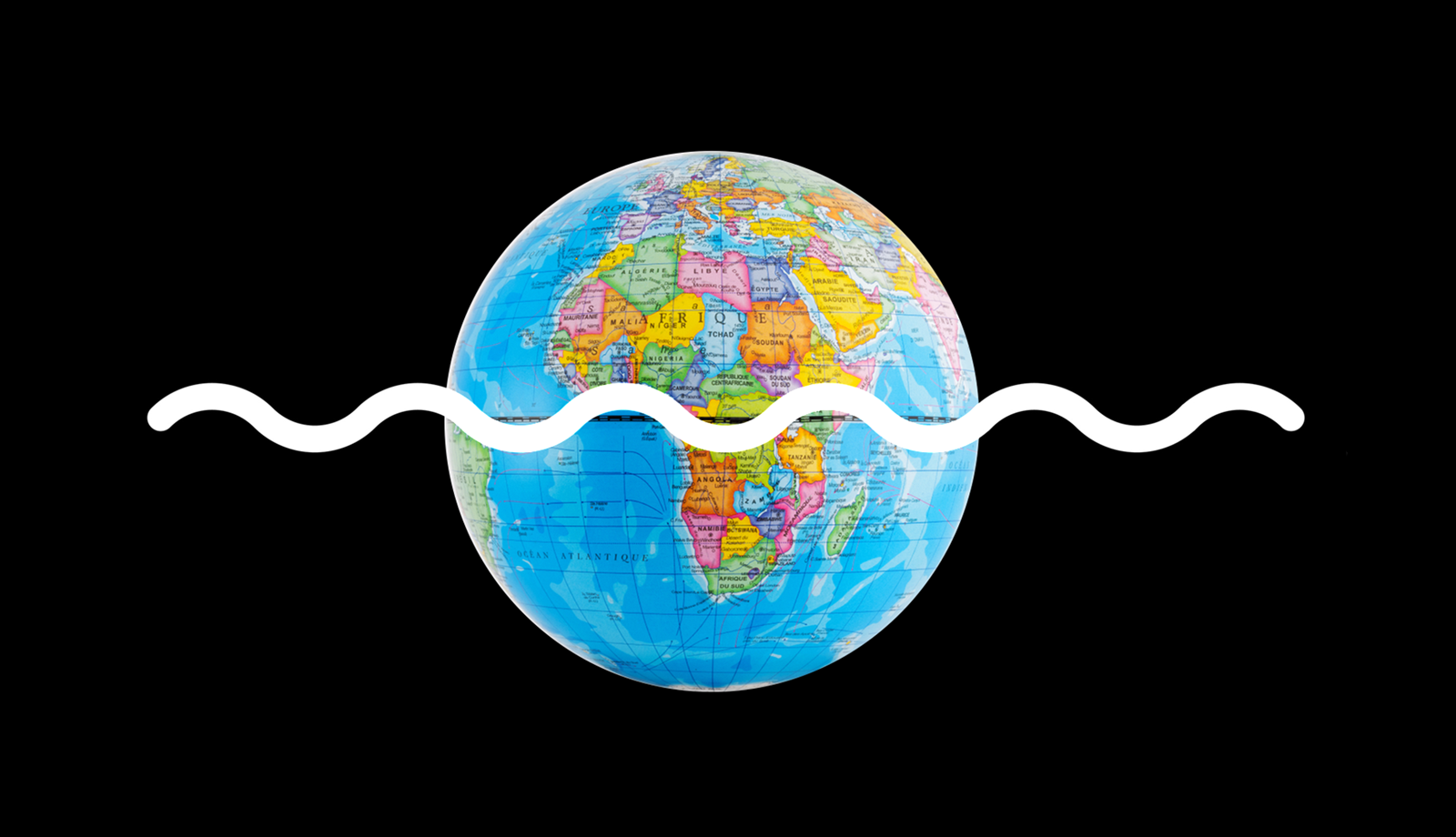
Over the past 50 years, 27 leap seconds have been added to our time.
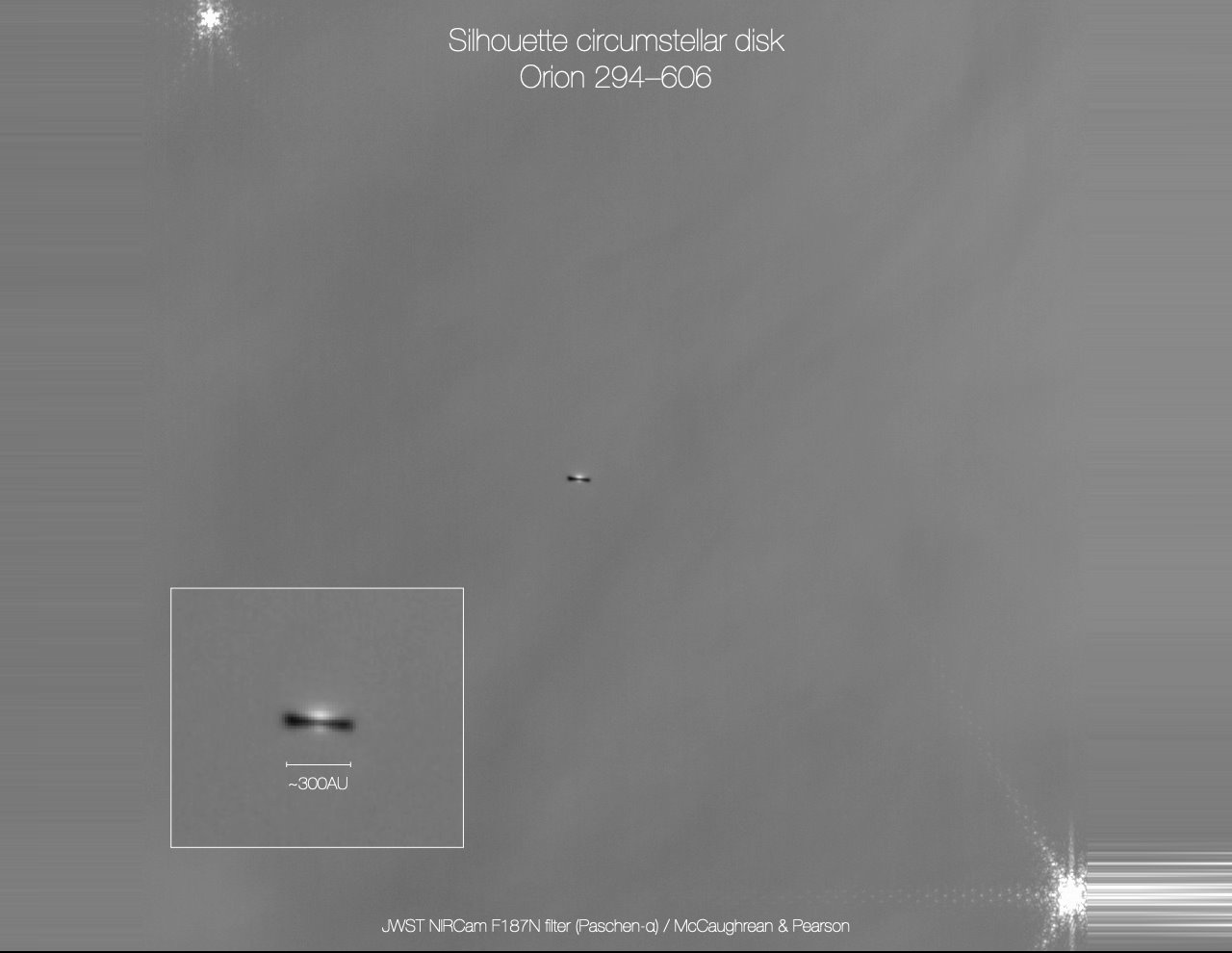
With its first view of a protoplanetary disk around a newly forming star, the JWST reveals how alone individual stellar systems truly are.
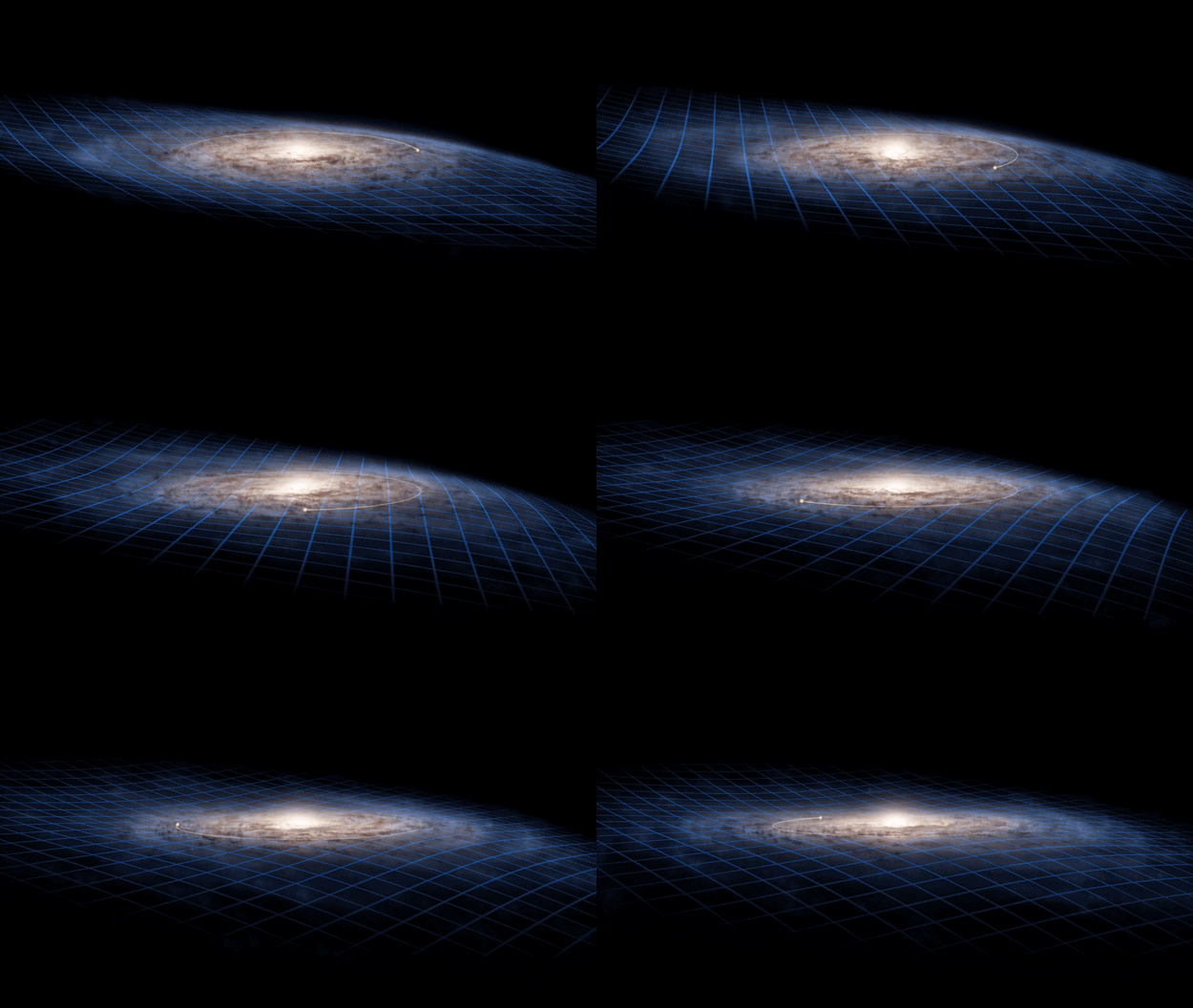
The Universe begins with negligible amounts of angular momentum, which is always conserved. So why do planets, stars, and galaxies all spin?
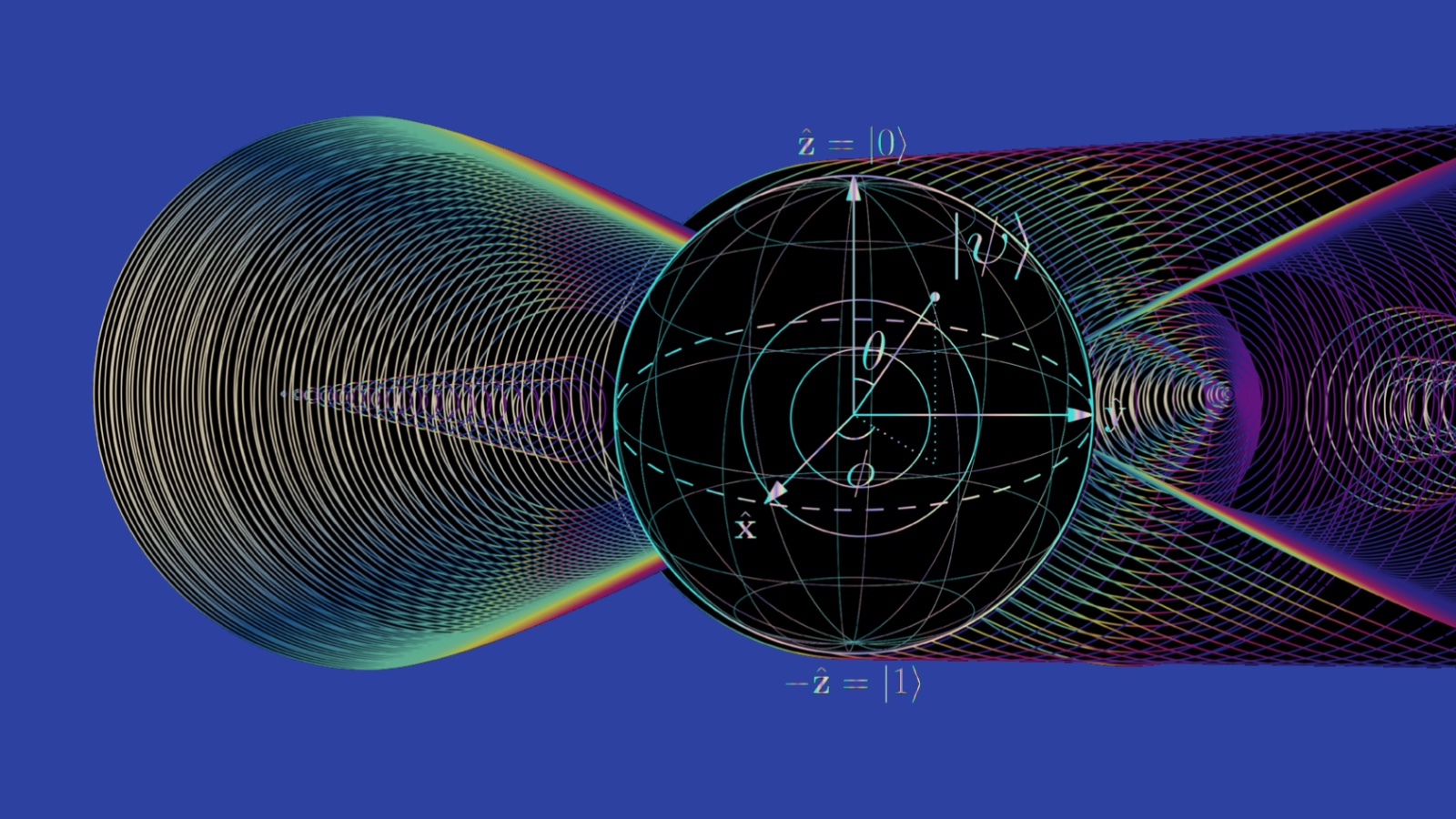
Uncertainty is inherent to our Universe.
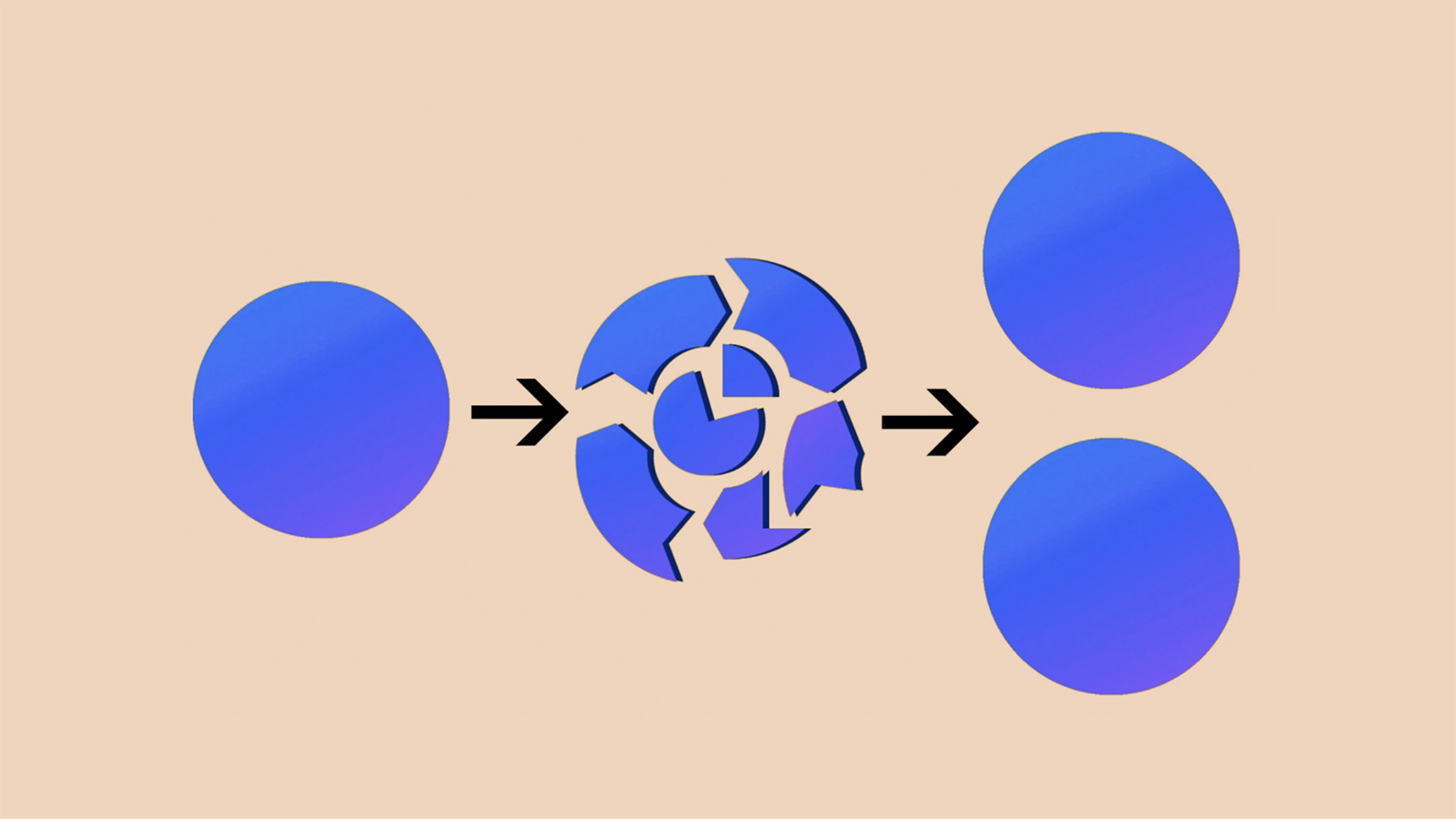
From time-traveling billiard balls to information-destroying black holes, the world’s got plenty of puzzles that are hard to wrap your head around.
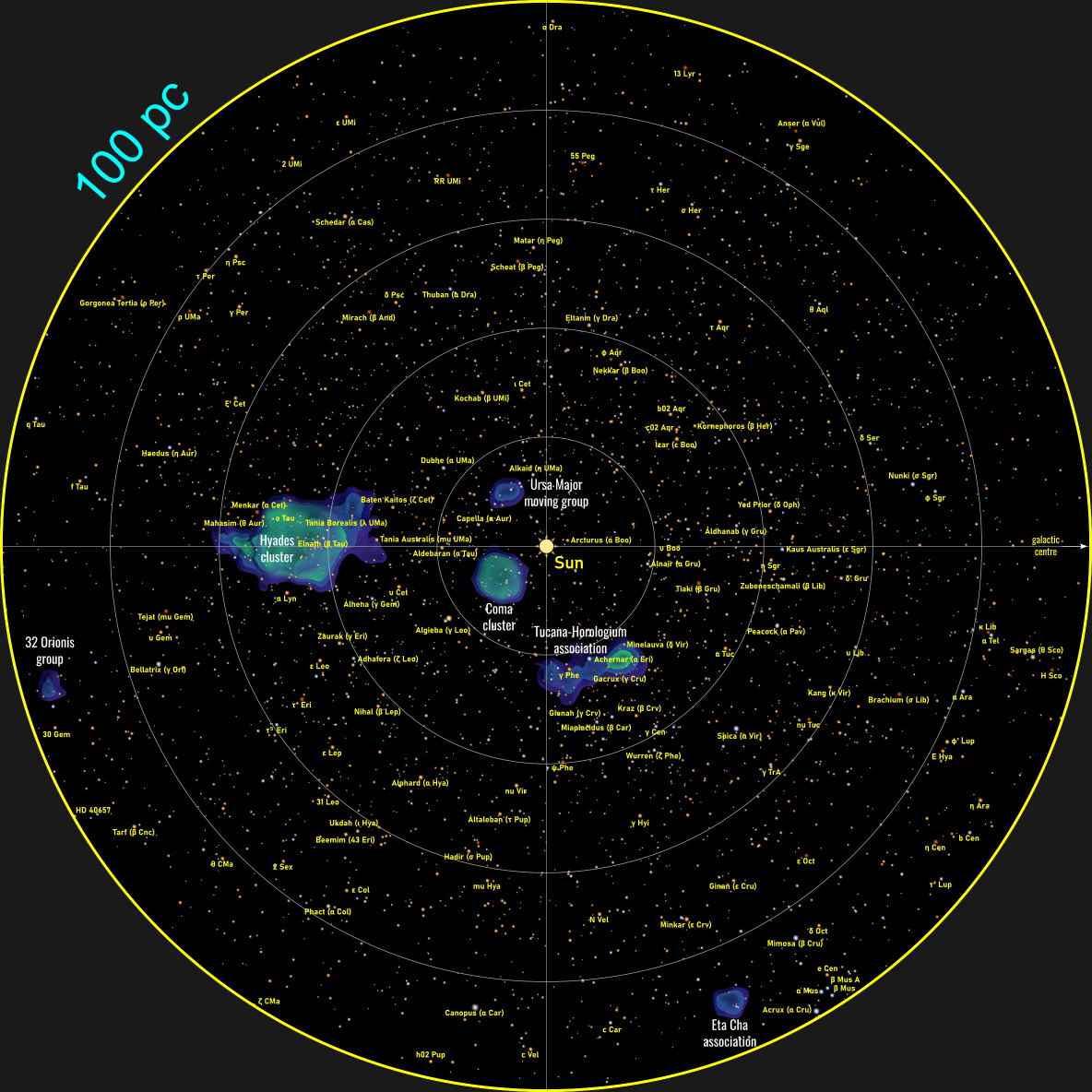
It’s the very closest stars to us that hold the key to unlocking the possibilities for life in star systems all throughout the Universe.
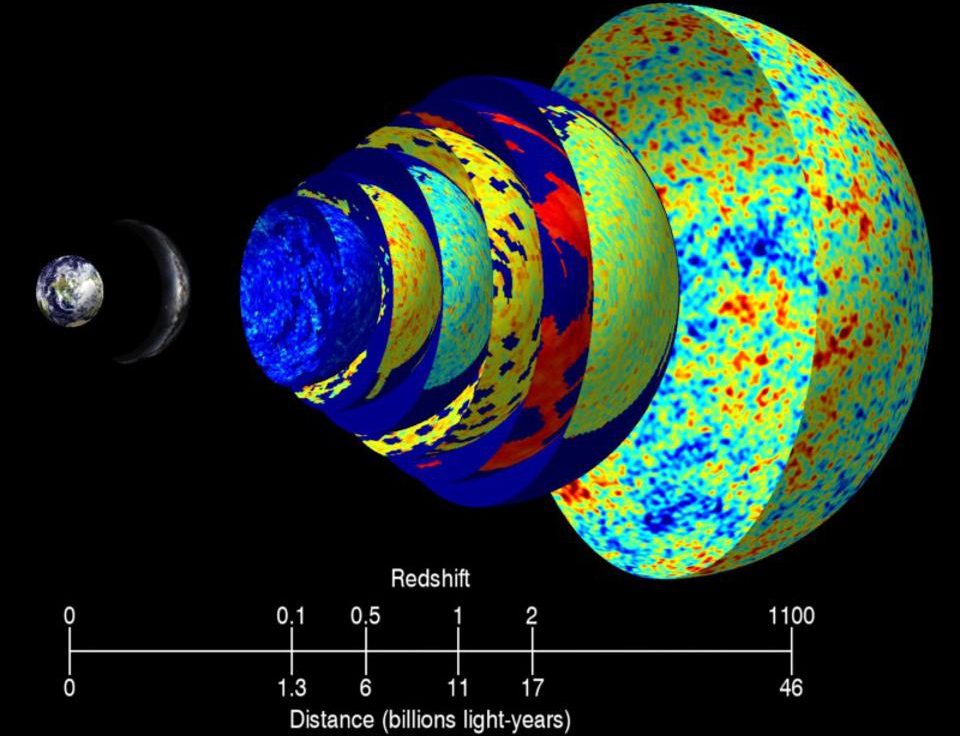
In the 20th century, many options abounded as to our cosmic origins. Today, only the Big Bang survives, thanks to this critical evidence.
This technological feat changes our cosmic history.
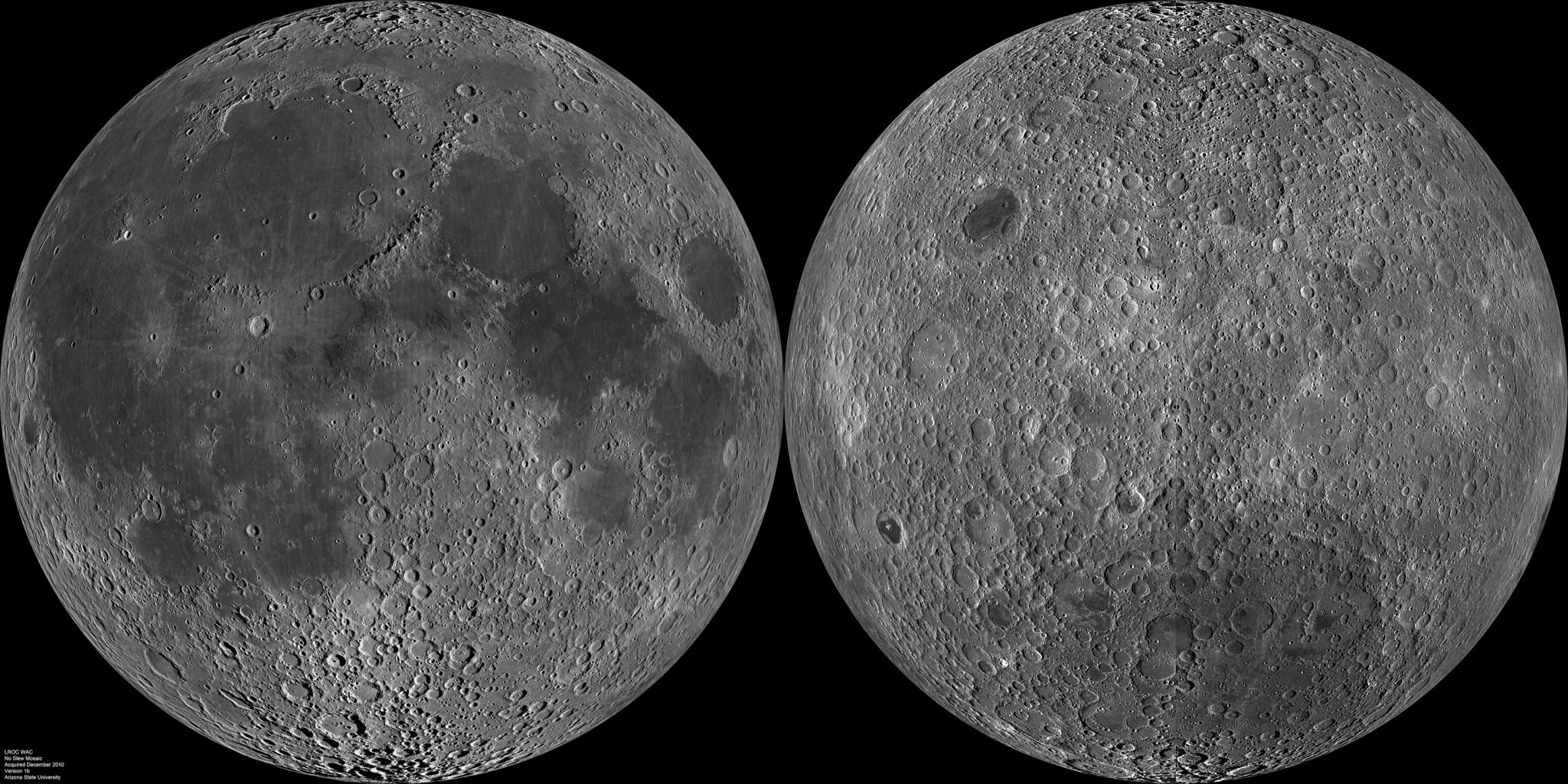
The far side of the Moon is incredibly different from the Earth-facing side. 63 years later, we know why the Moon’s faces are not alike.
The Big Bang is commonly misunderstood, warping our understanding about the Universe’s size and shape.
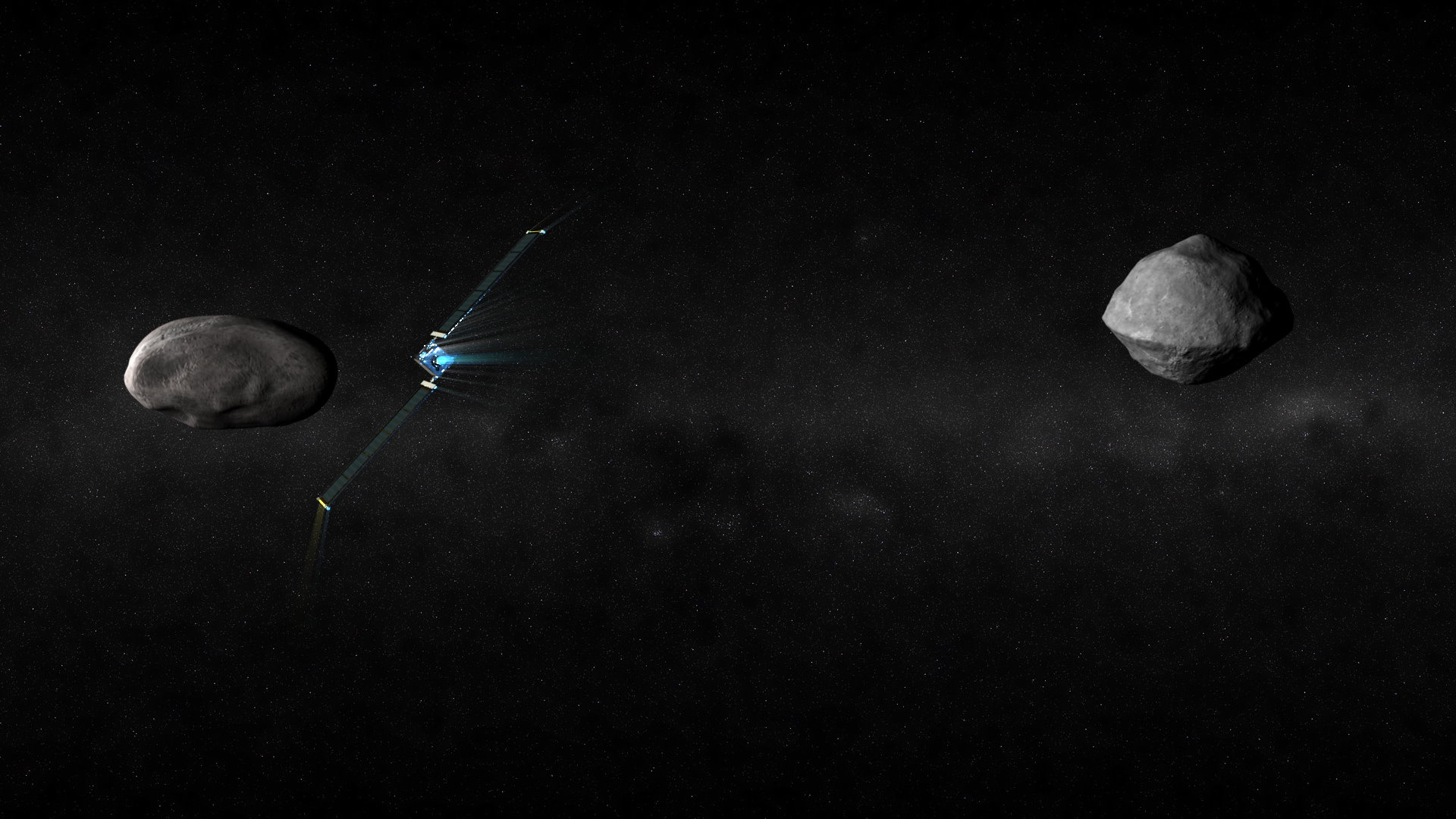
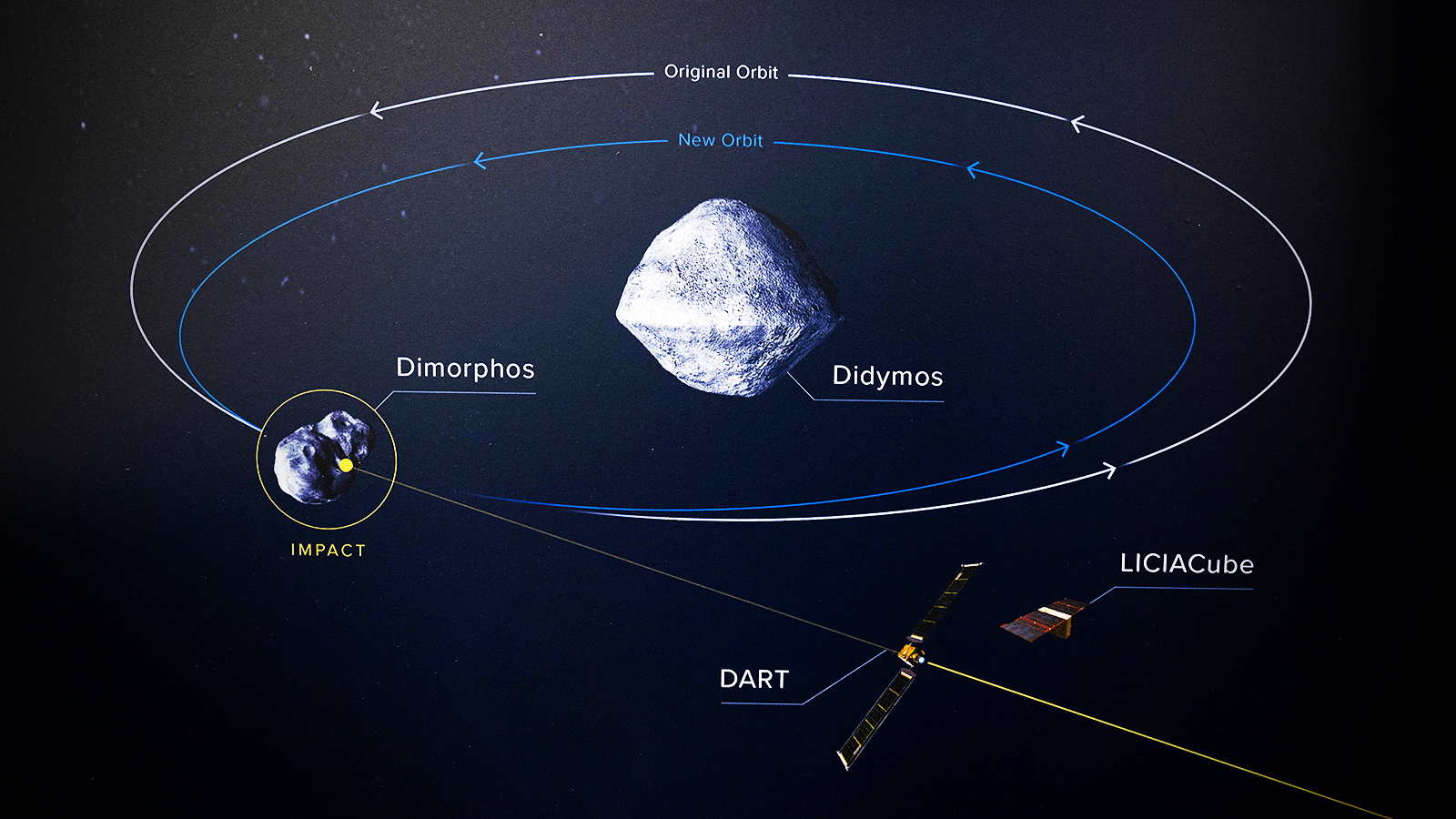
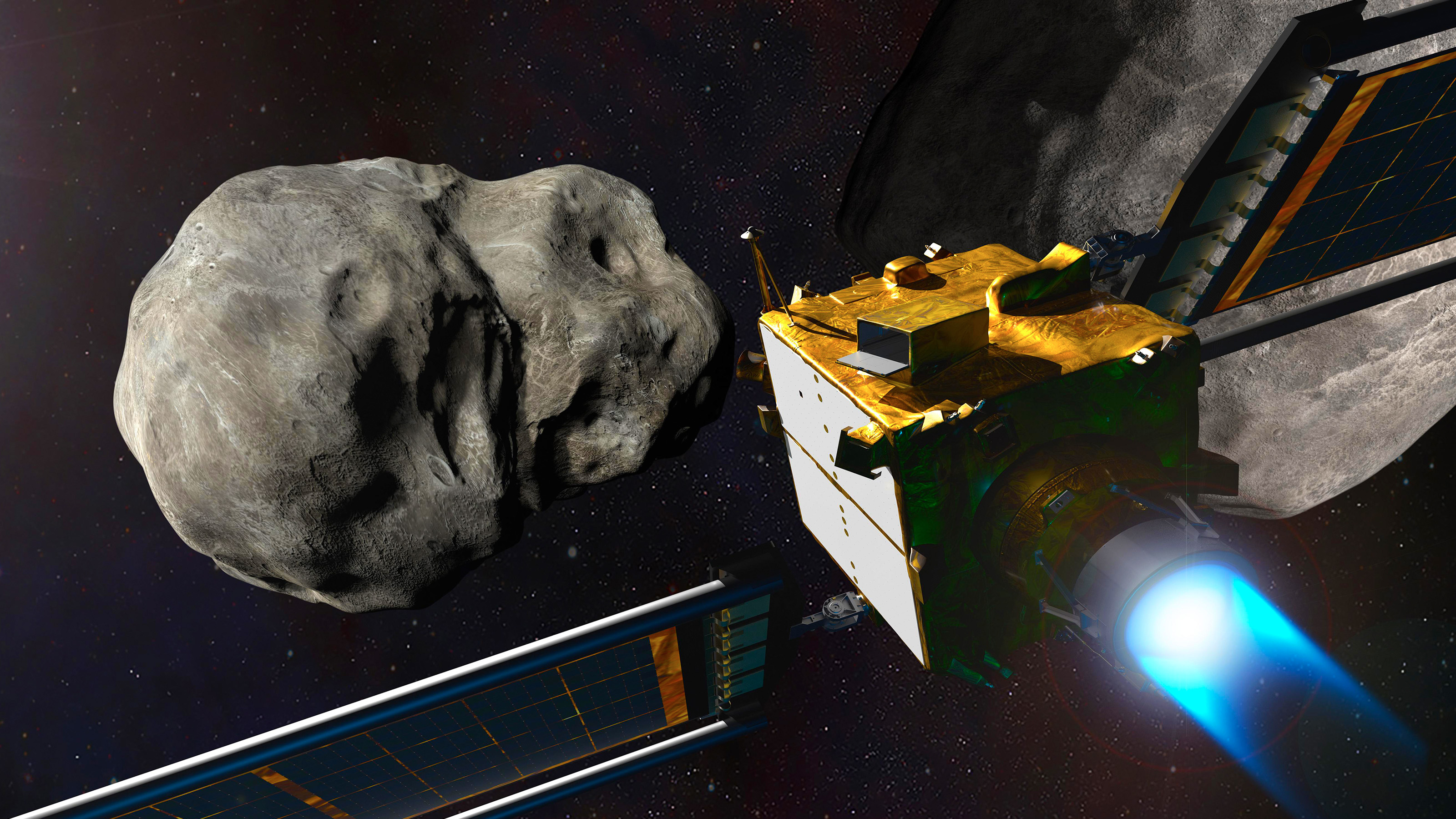
Sooner or later, Earth is going to be hit by a large enough space object to cause significant damage to humanity. Stopping them isn’t easy.
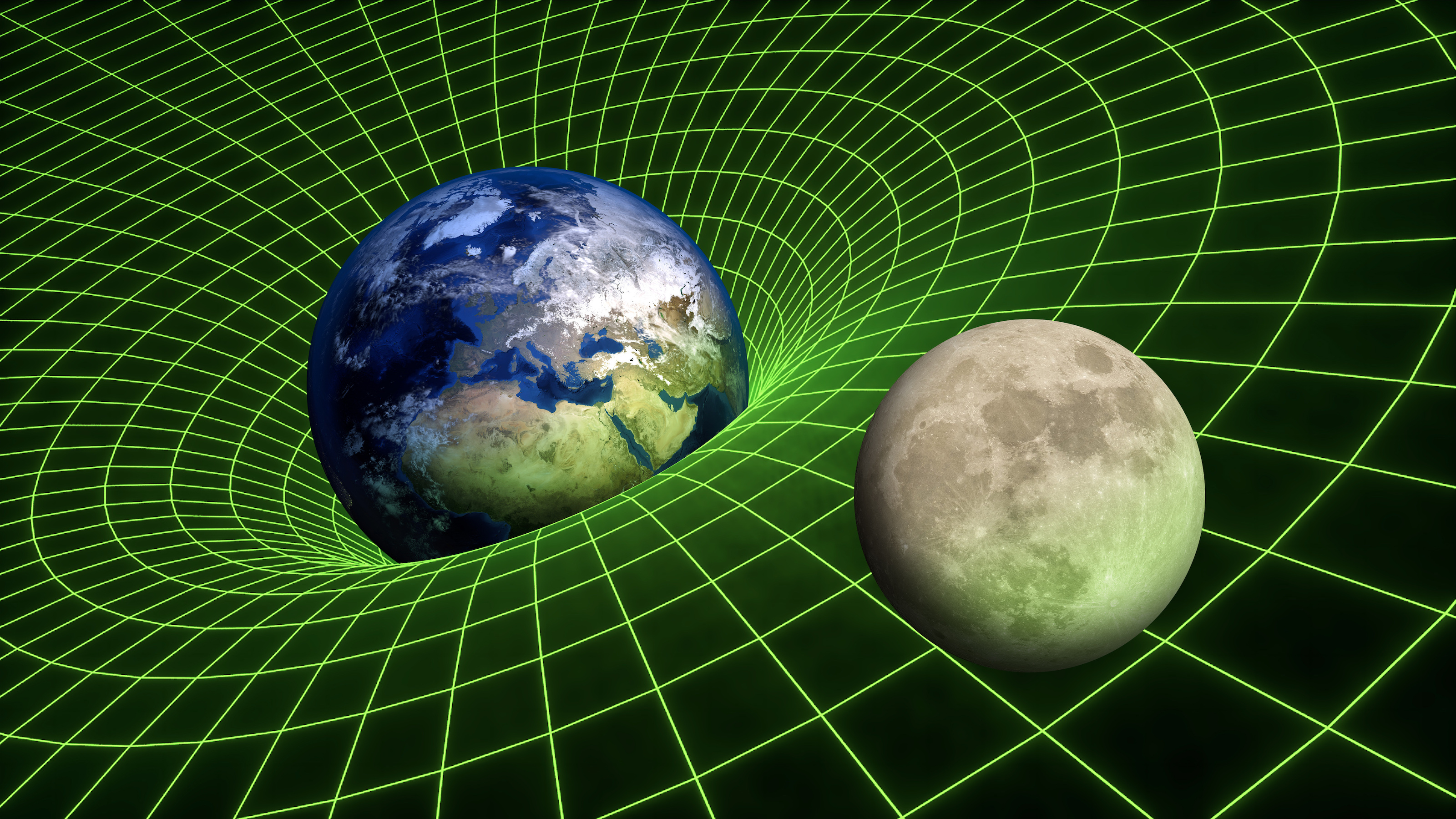
The theory is accurate within at least one part in a quadrillion.
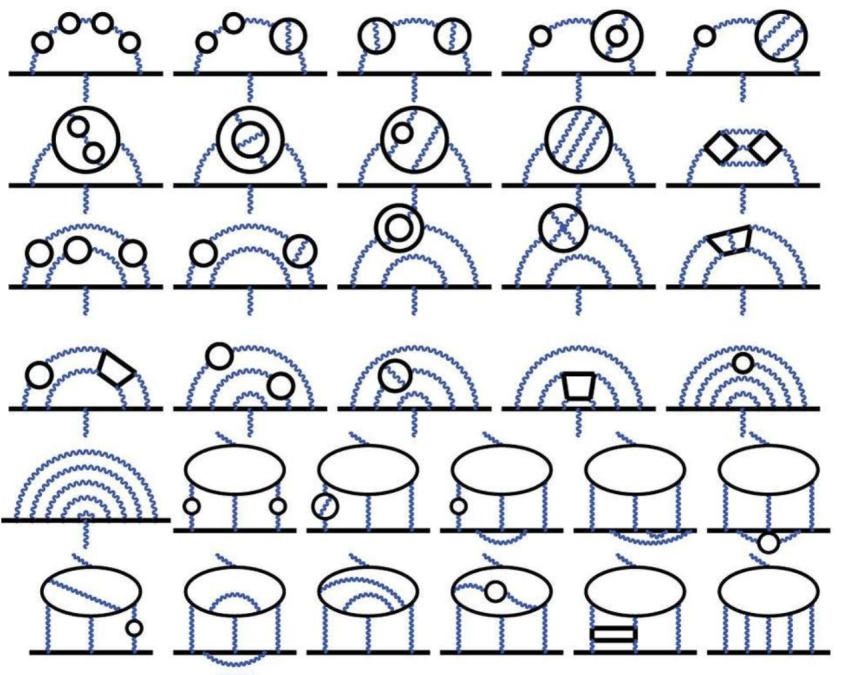
No matter what physical system we consider, nature always obeys the same fundamental laws. Must it be this way, and if so, why?
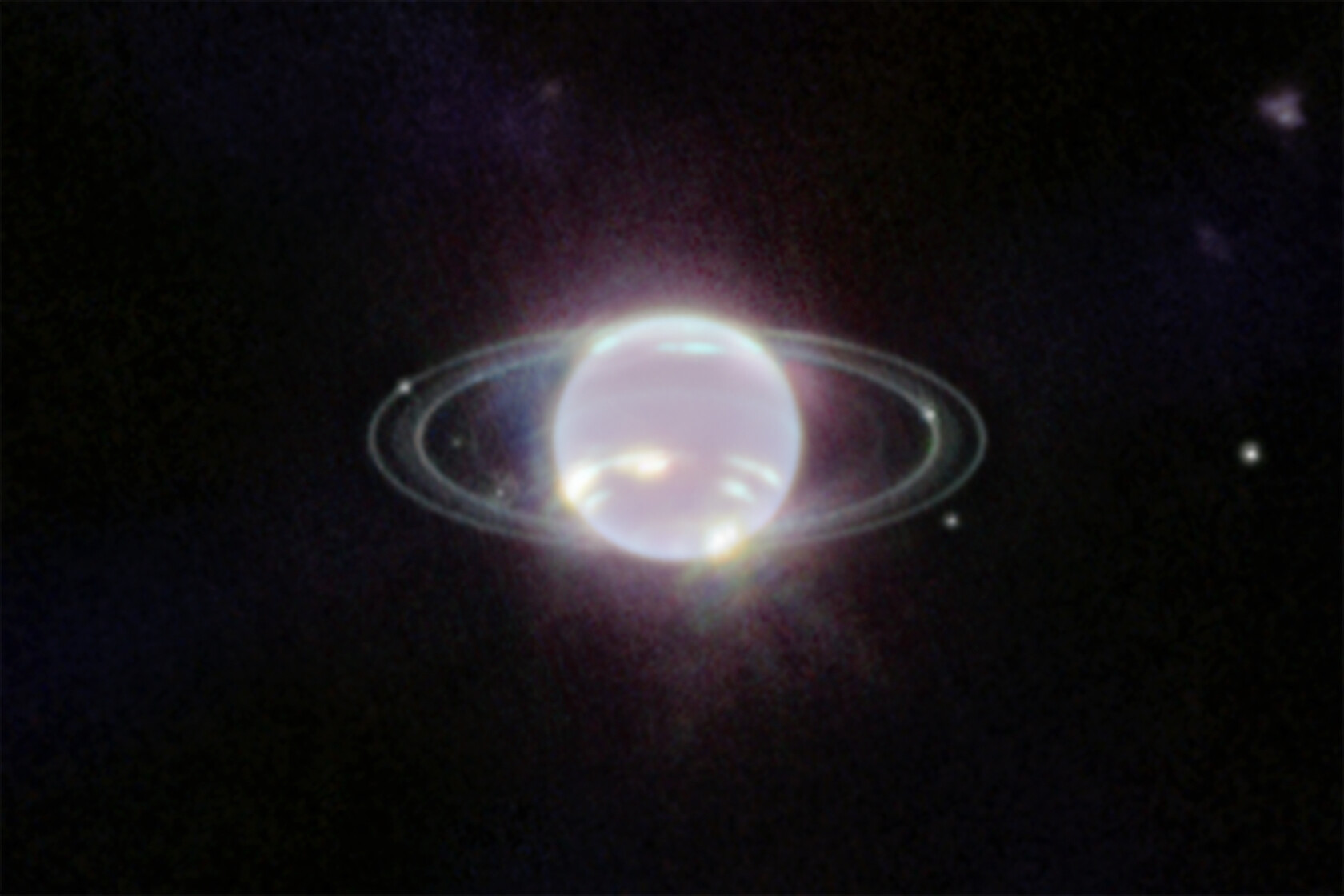
The James Webb Space Telescope viewed Neptune, our Solar System’s final planet, for the first time. Here’s what we saw, and what it means.
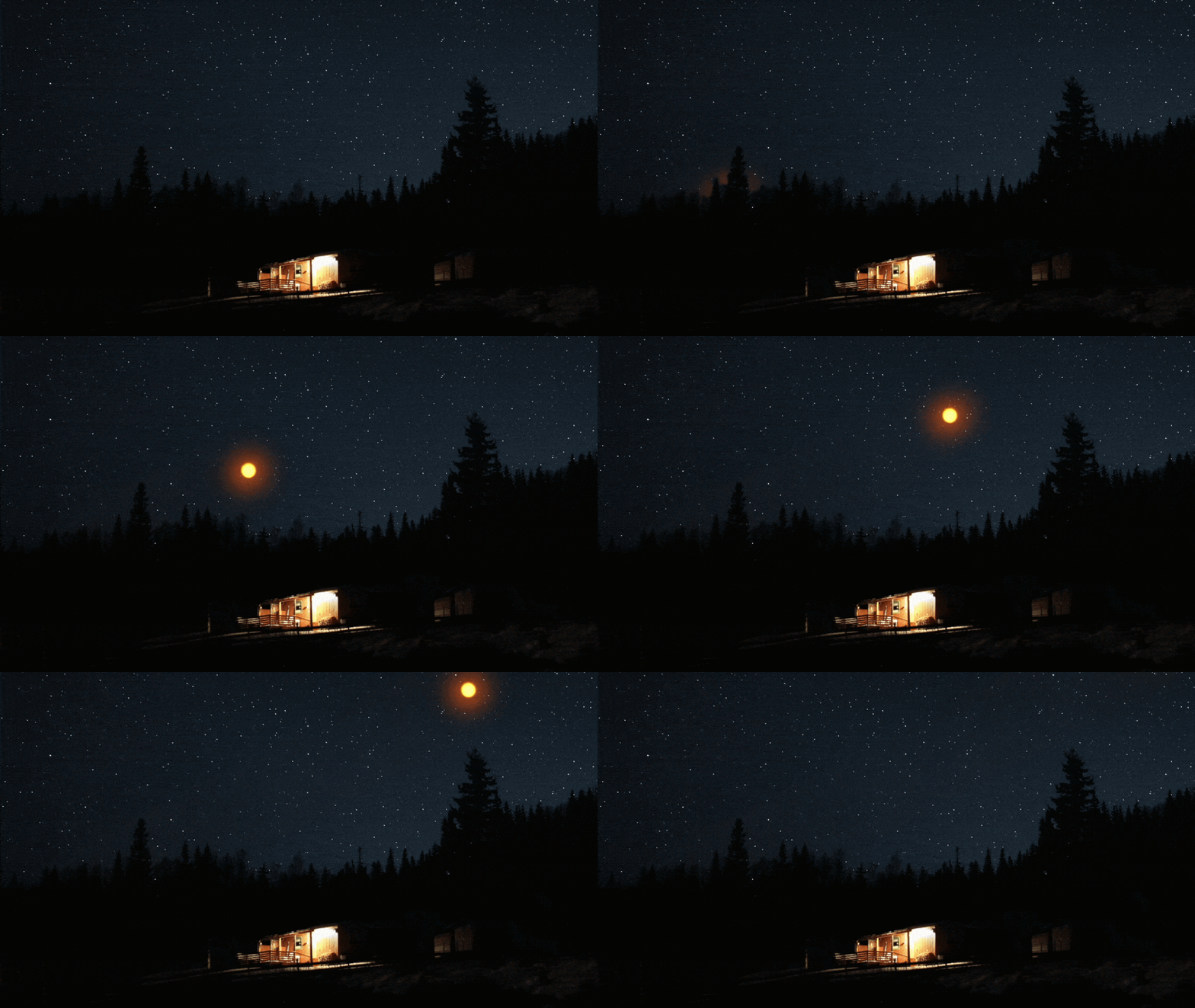
UAP are no laughing matter anymore.
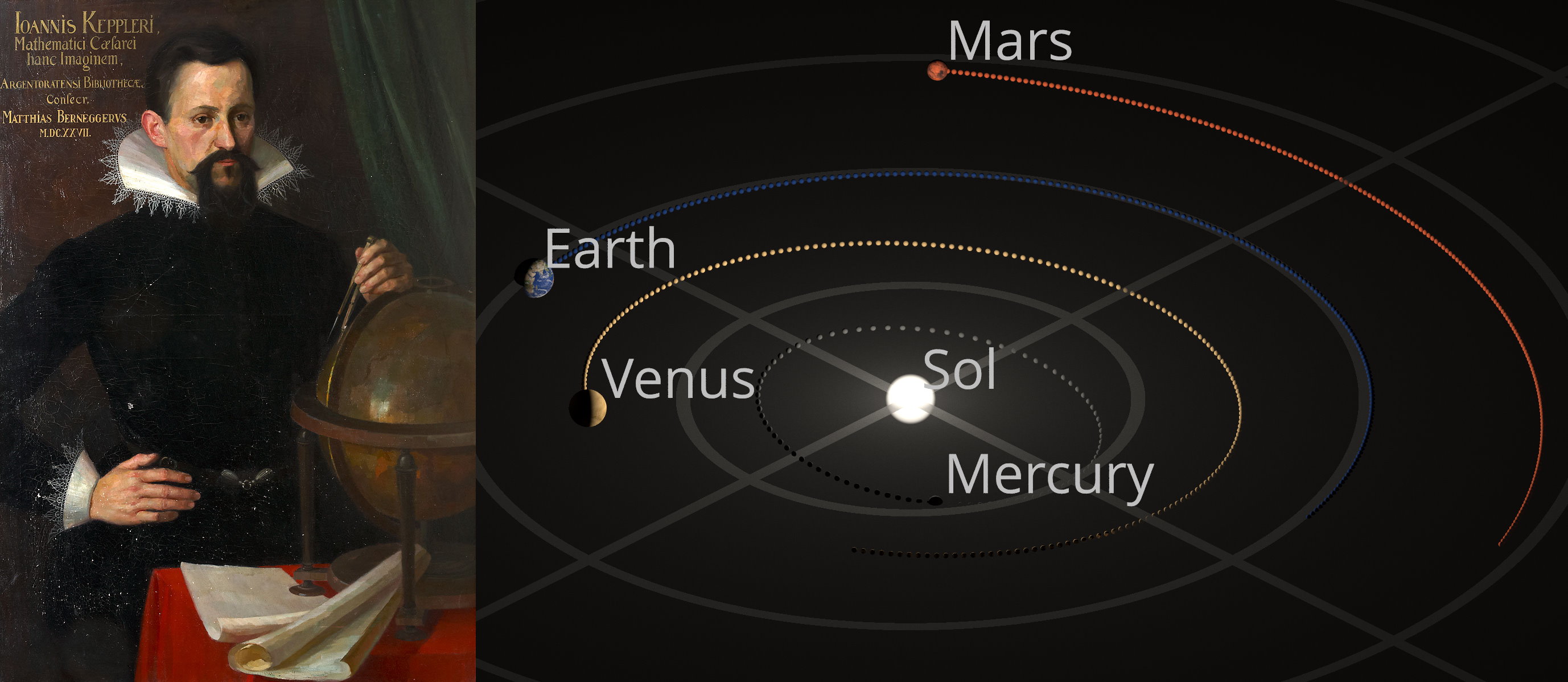
When people pick the greatest scientist of all-time, Newton and Einstein always come up. Perhaps they should name Johannes Kepler, instead.
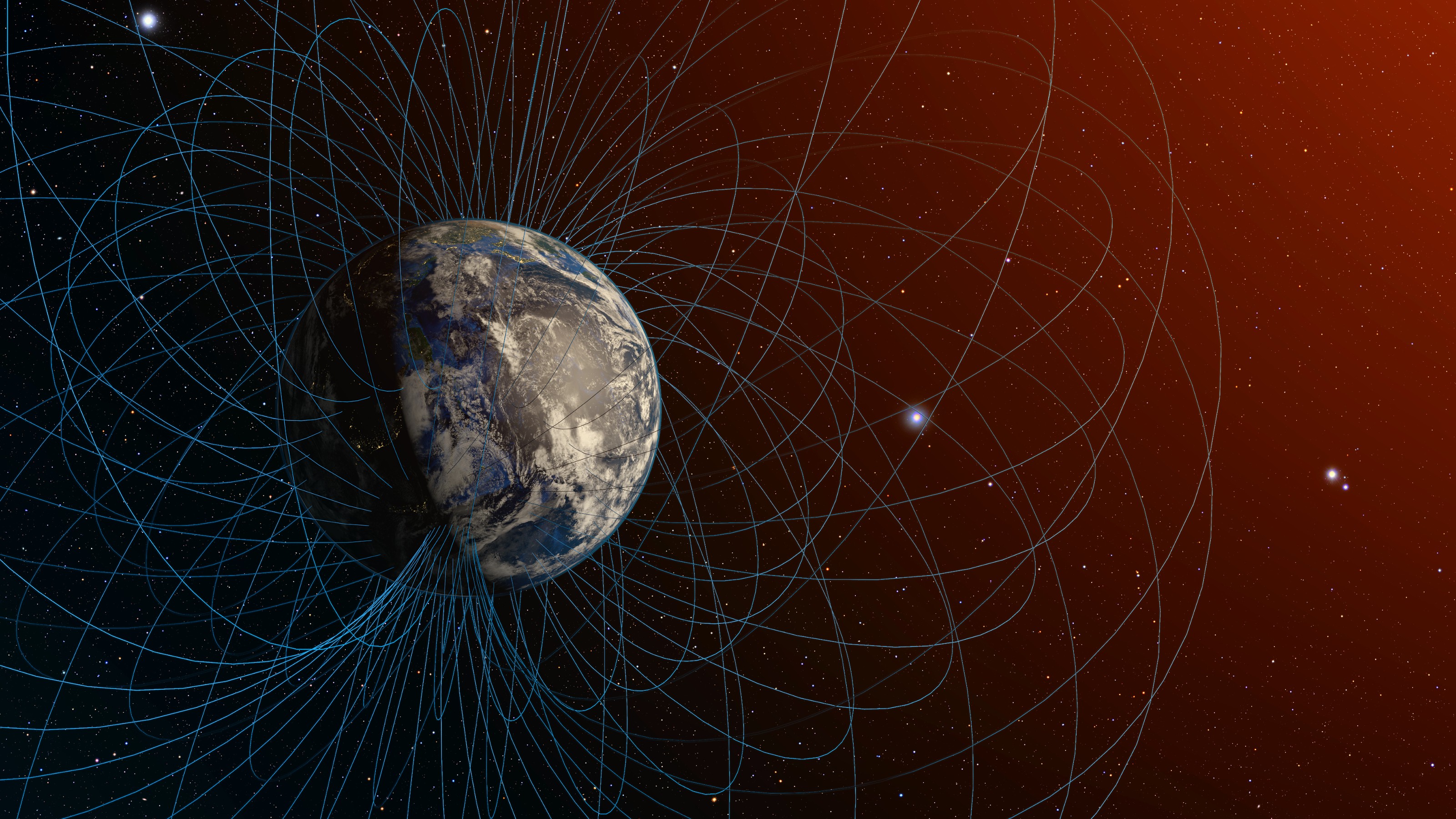
Recent research suggests that Earth’s magnetic field bounced back just as complex life was starting to emerge on our planet.
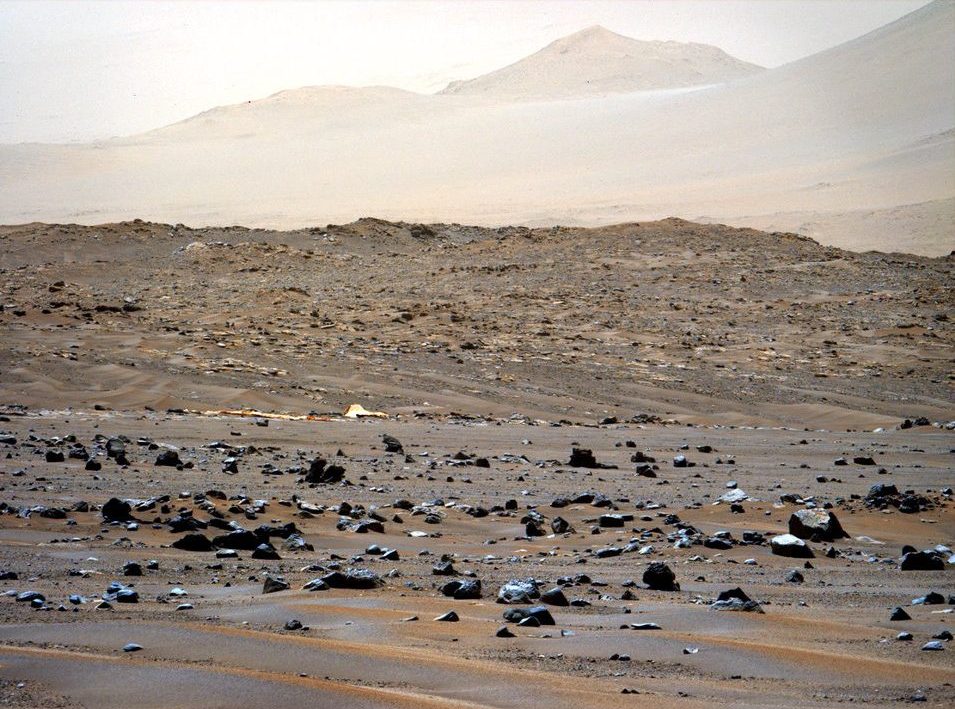
Yes, NASA’s Perseverance rover found organics on Mars. So did Curiosity. Unfortunately, that doesn’t mean anything in the search for life.
An average undergraduate student in physics is better than the AI.
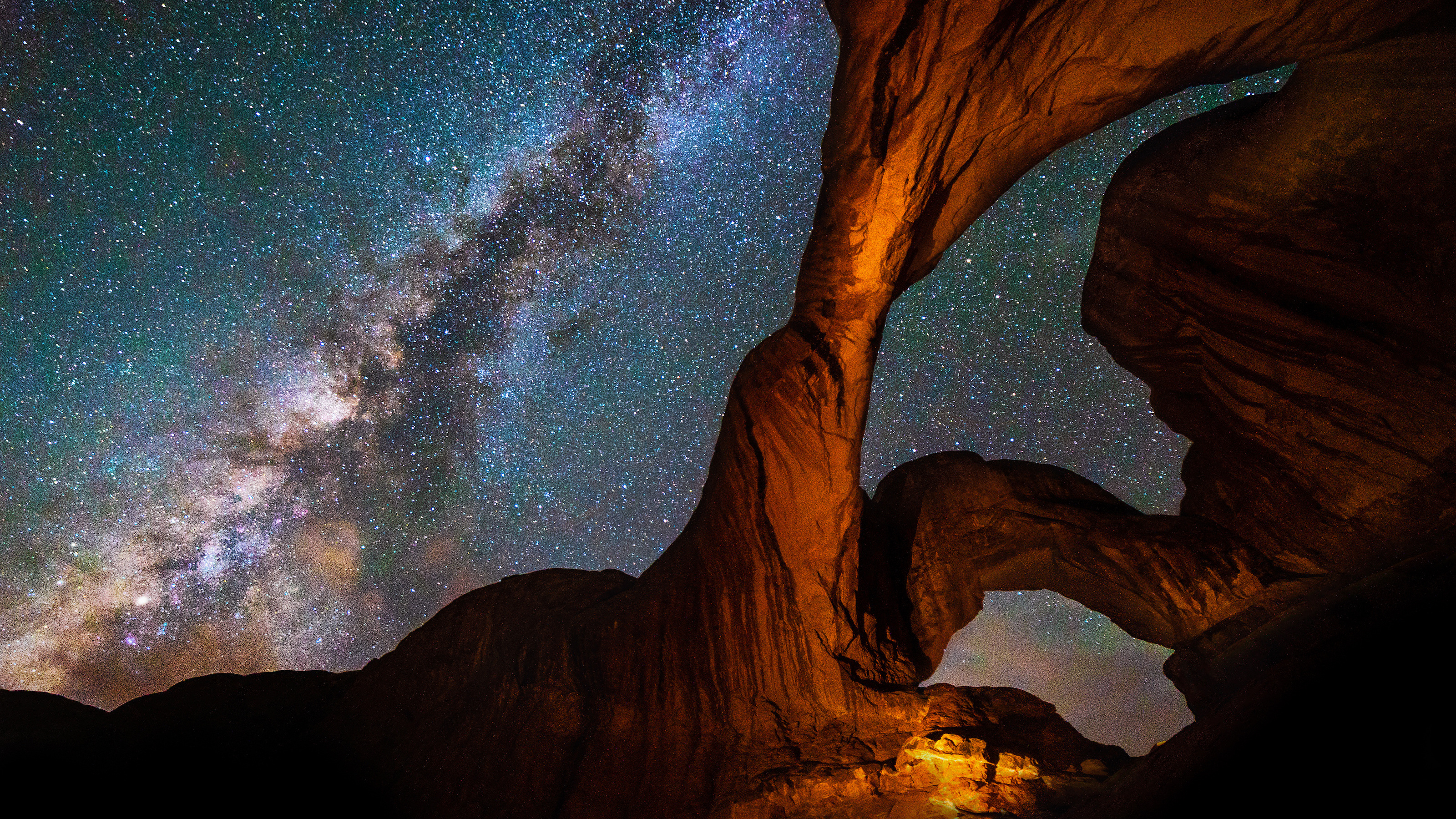
You would think that with all our technology, like the James Webb Space Telescope, we would know how big the Universe is. But we don’t.