Philosophers once prophesied that evolution would lead to minds far greater — and stranger — than our own.
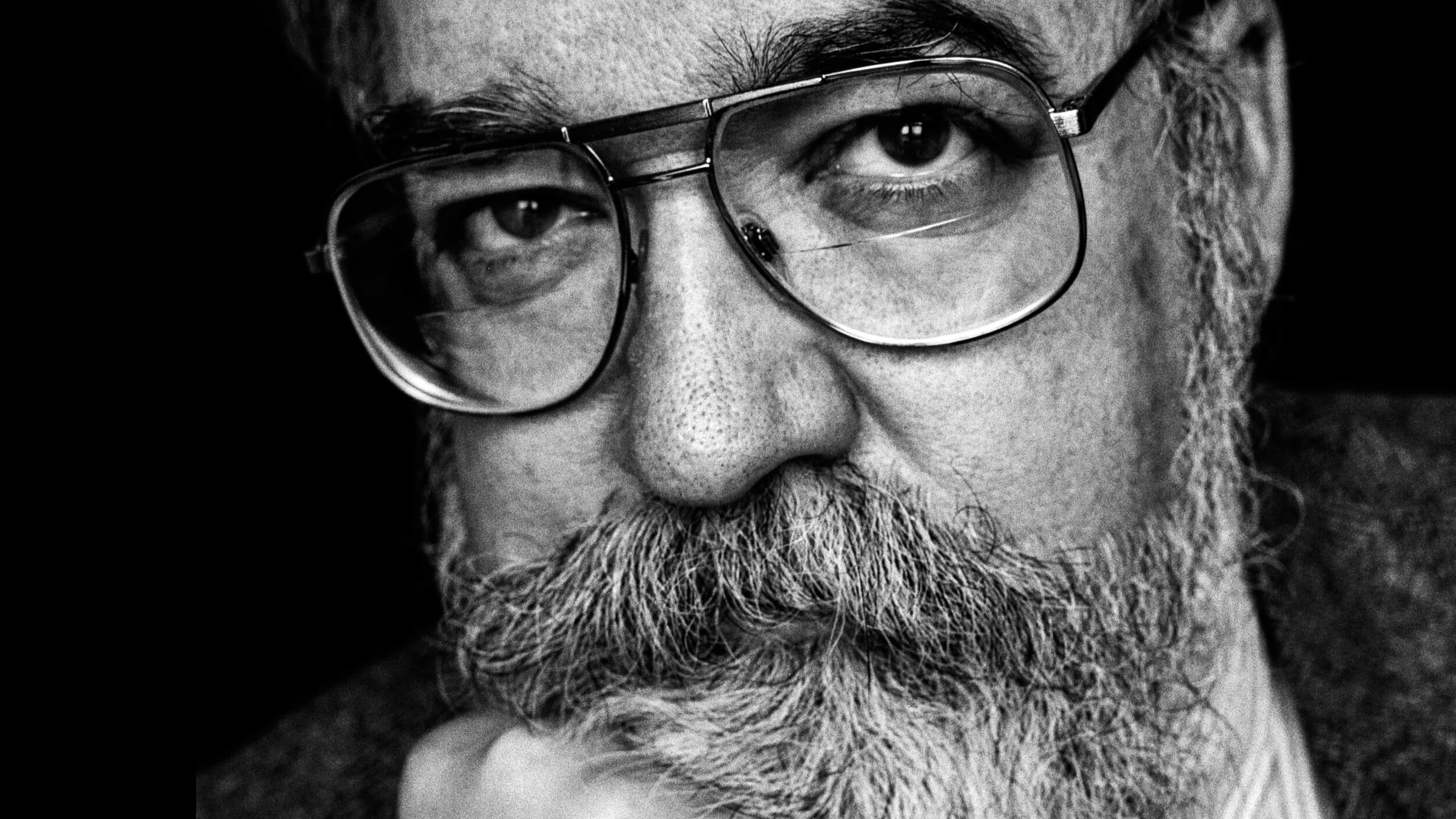
“For many people, the idea that consciousness is a set of tricks is offensive,” the late philosopher told Big Think in 2012. “I think that’s a prime mistake.”
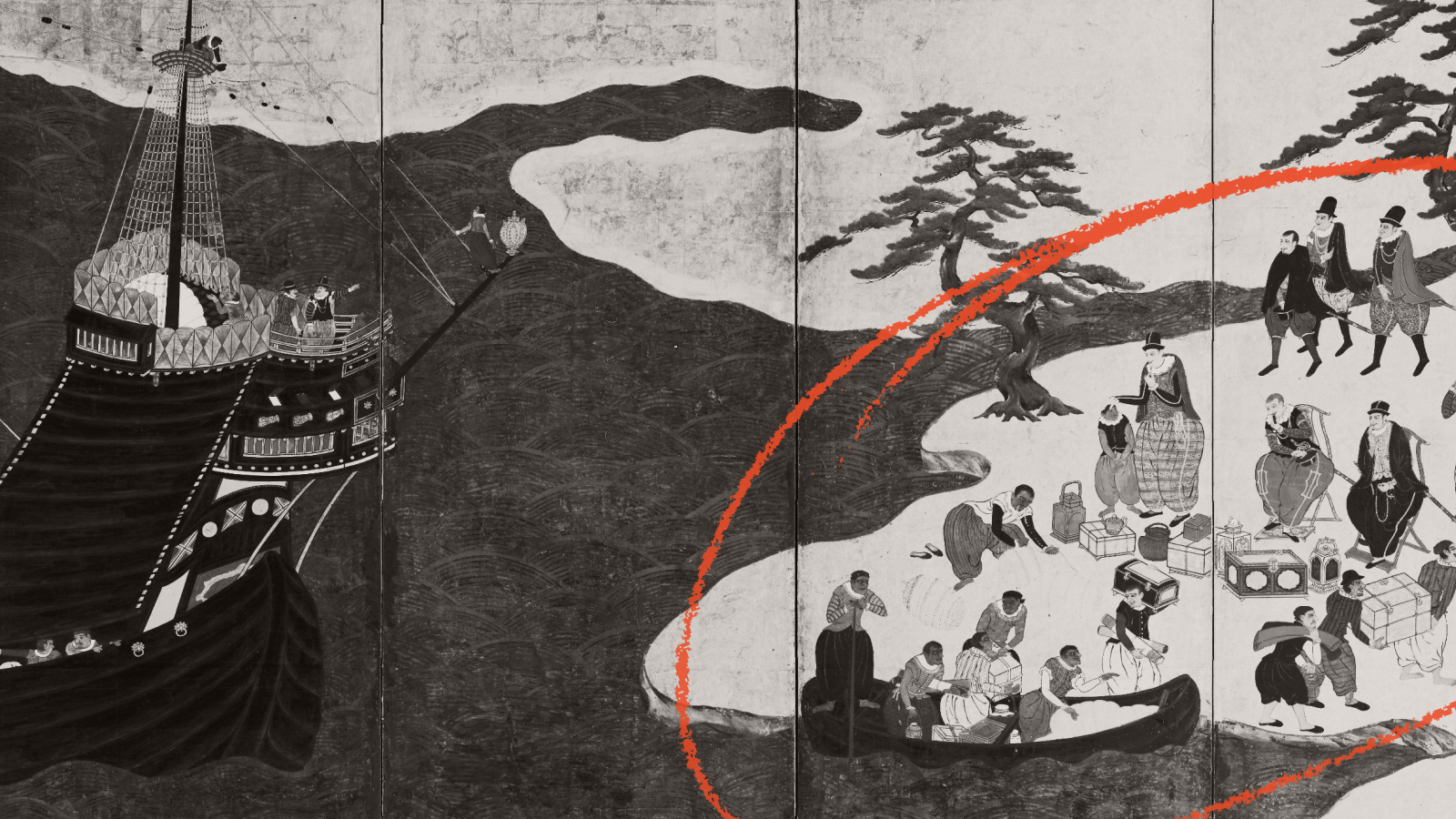
In the Embers series, historian M.G. Sheftall shares the stories of Hiroshima and Nagasaki’s last survivors and reveals why their testimony must endure.
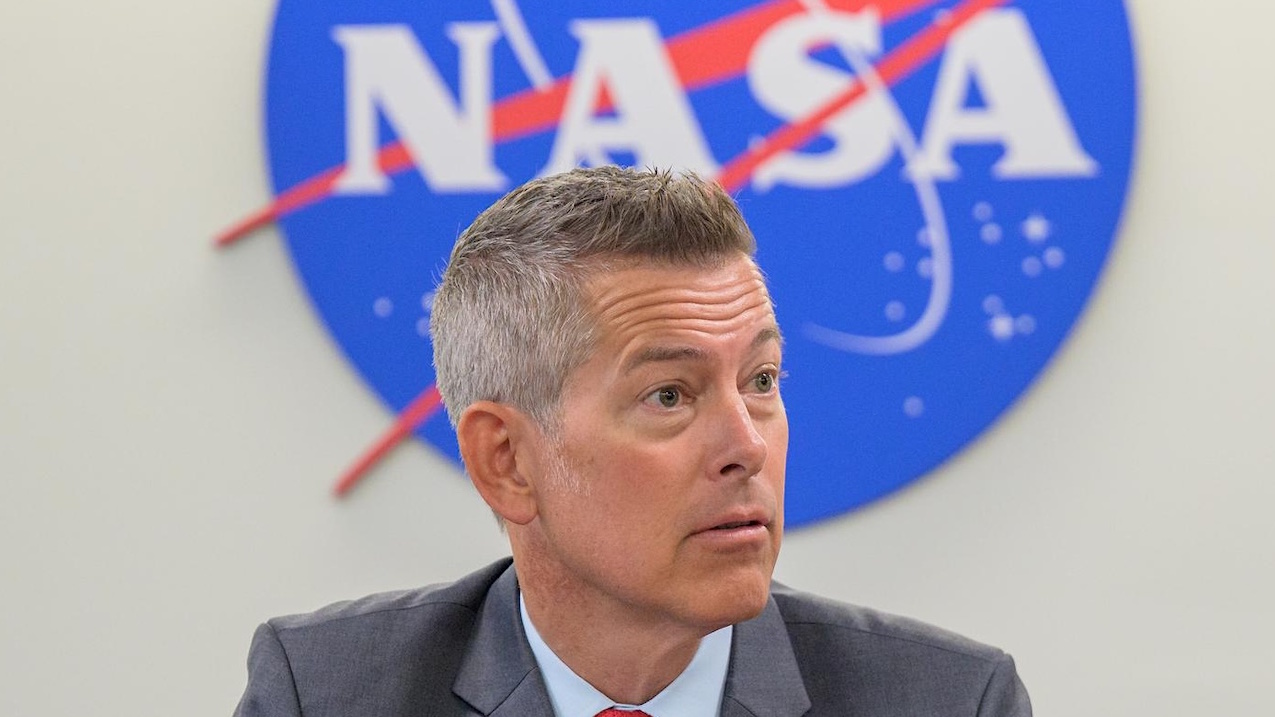
NASA’s 1958 charter’s top priority was, “the expansion of human knowledge of phenomena in the atmosphere and space.” Is this how it ends?
Fund manager and writer John Candeto is on a mission to decode the hidden patterns that drive extraordinary outcomes.
The host of the Founders podcast joins Big Think for a chat about success, obsession, business genius, human nature, and more.
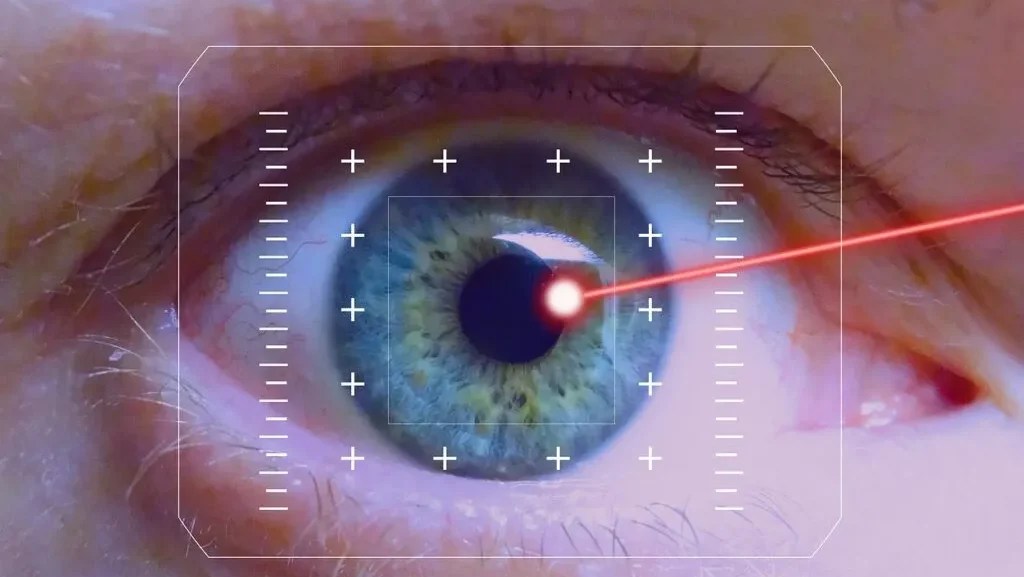
For many of us, our imperfect vision compels us to wear corrective lenses to see properly. Here’s what everyone should know about LASIK.
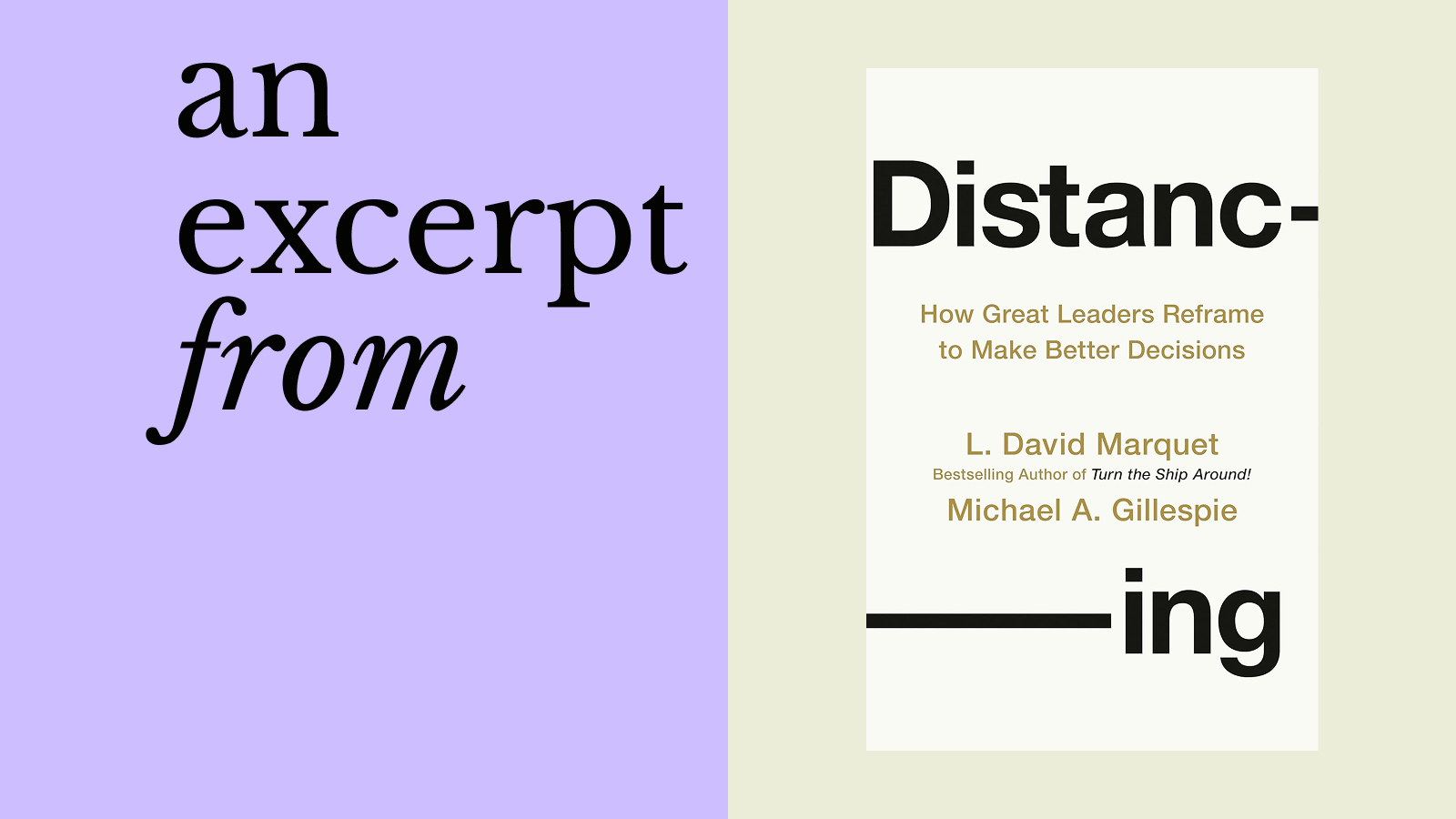
To navigate a heavyweight corporate quandary, take a leaf out of Intel’s brilliant playbook — walk out, and return as your own successor.
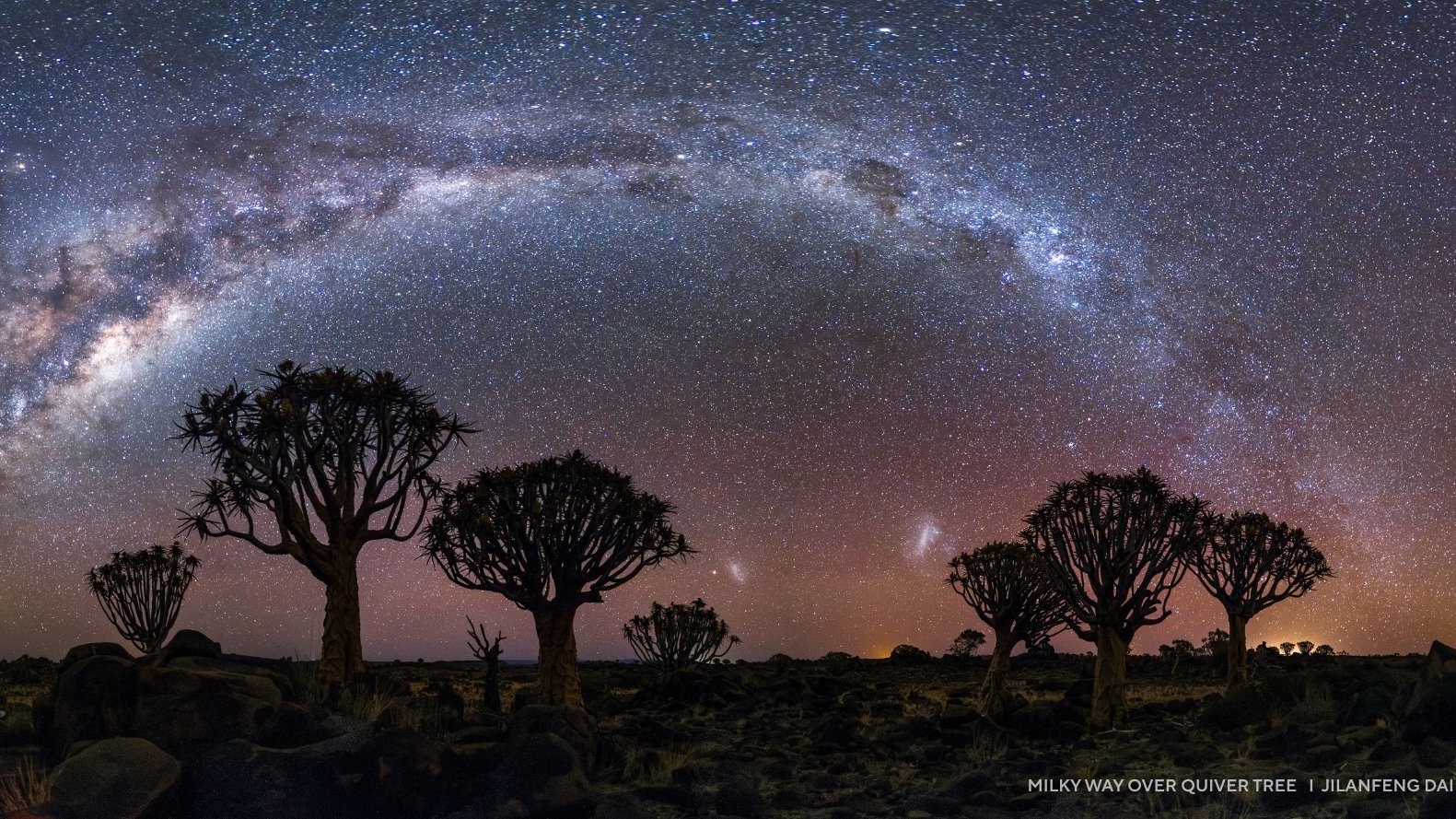
Across planet Earth, dark and pristine night skies are an increasingly rare resource. These photos showcase the best of what we still have.
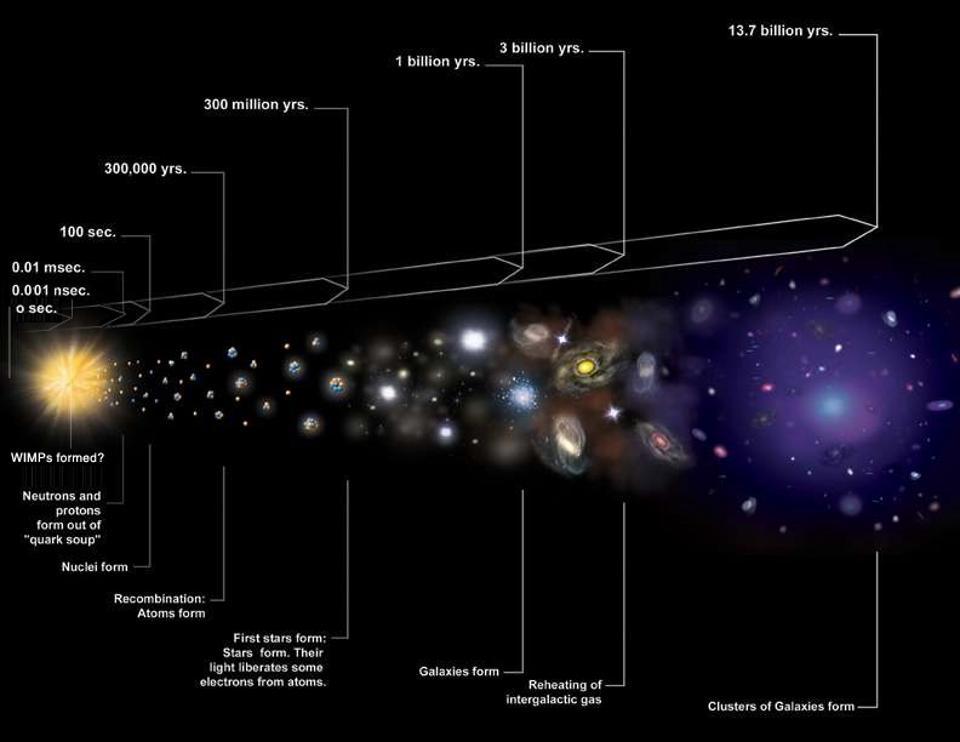
The Universe was born incredibly hot, and has expanded and cooled ever since. Could life have begun back when space was “room temperature?”
When your head is full of information, how can you actually make use of it?
Nuclear chemist Tim Gregory joins Big Think to make the case that nuclear energy can still transform the world for the better.
Welcome to The Nightcrawler — a weekly newsletter from Eric Markowitz covering tech, innovation, and long-term thinking.
Just 13.8 billion years after the hot Big Bang, we can see 46.1 billion light-years away in all directions. Doesn’t that violate…something?
Harvard Kennedy School professor and author Arthur C. Brooks guides us through the give-and-take of feedback — even when it is negative.
Einstein is credited with saying, “If the facts don’t fit the theory, change the facts.” What he actually said has a very different meaning.
Our Earthbound definitions of life could leave us blind to the Universe’s strangest forms.
The Japanese practice of “tsundoku” bestows joy and lasting benefits to those who make books an important part of their lives.
Social entrepreneur Aaron Hurst explains why the decline of social connection is the greatest challenge of our time — and offers a roadmap for restoration.
At the center of Hubble’s famous “cosmic horseshoe,” a very heavy supermassive black hole has been robustly measured. How is it possible?
Why talent alone isn’t enough to achieve your goals.
In the post-AI startup landscape, the role of the entrepreneur will evolve from operator to orchestrator. Are you ready?
A next-generation collider is required for studying particle physics at the frontiers. Here’s the fastest, cheapest way to get it done.
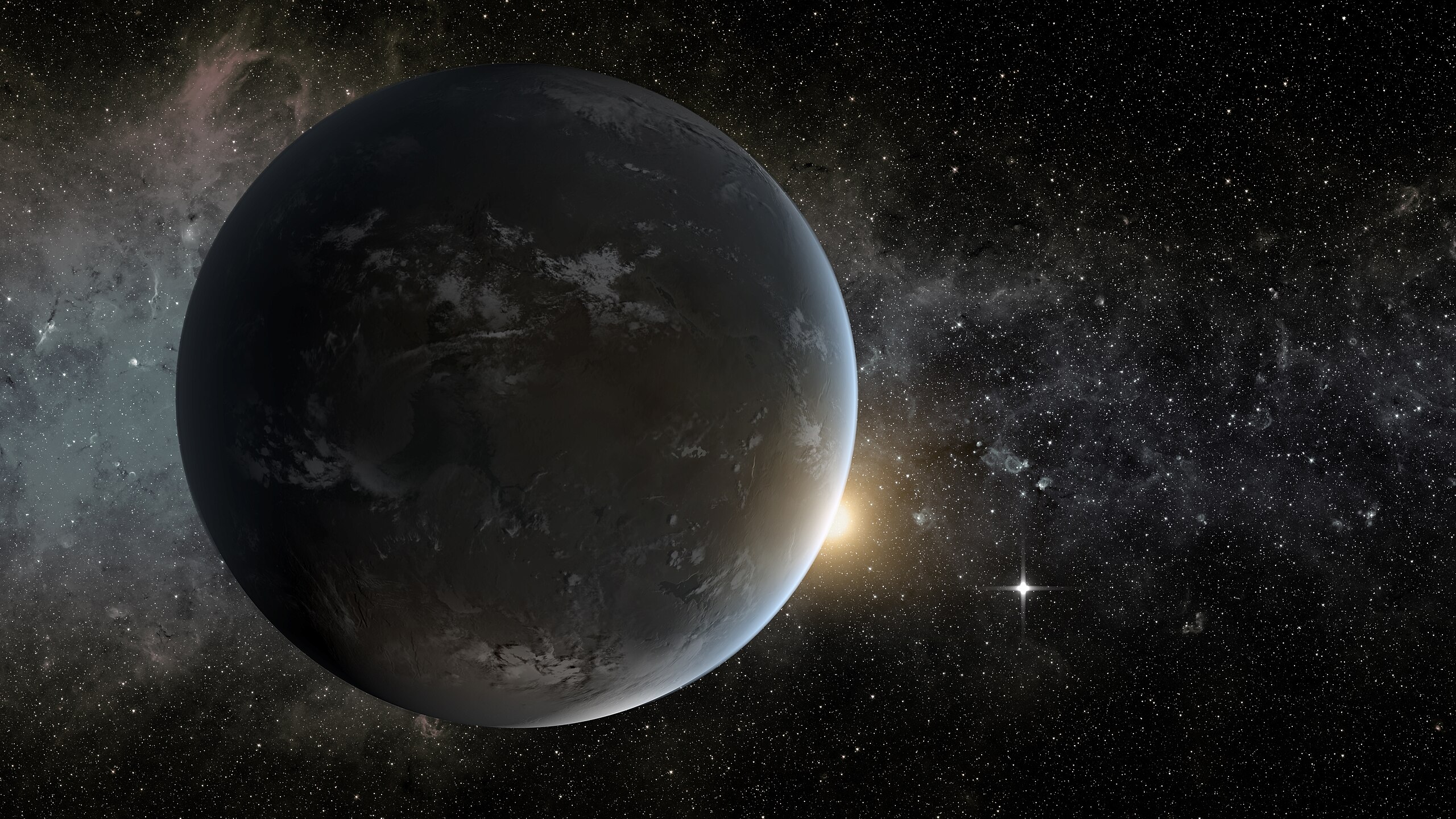
In the search for life in the Universe, the ultimate goal is to find an inhabited planet beyond Earth. How will we know when we’ve made it?
These short books offer insights and meditations on timeless themes, without the time commitment.
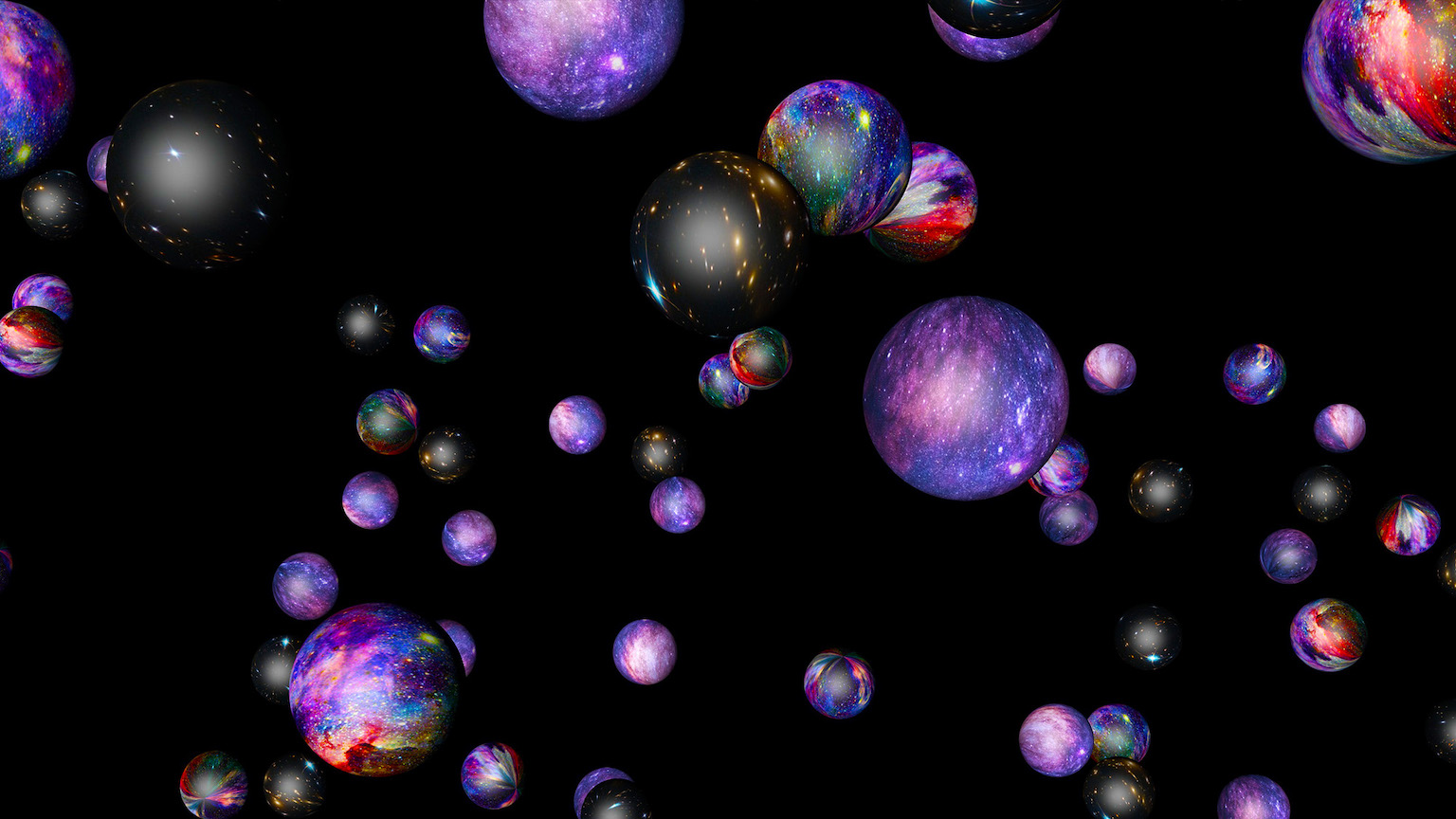
Parallel universes are among the most profound notions in all of quantum physics. It’s a compelling and fascinating idea, but is it true?
Welcome to The Nightcrawler — a weekly newsletter from Eric Markowitz covering tech, innovation, and long-term thinking.
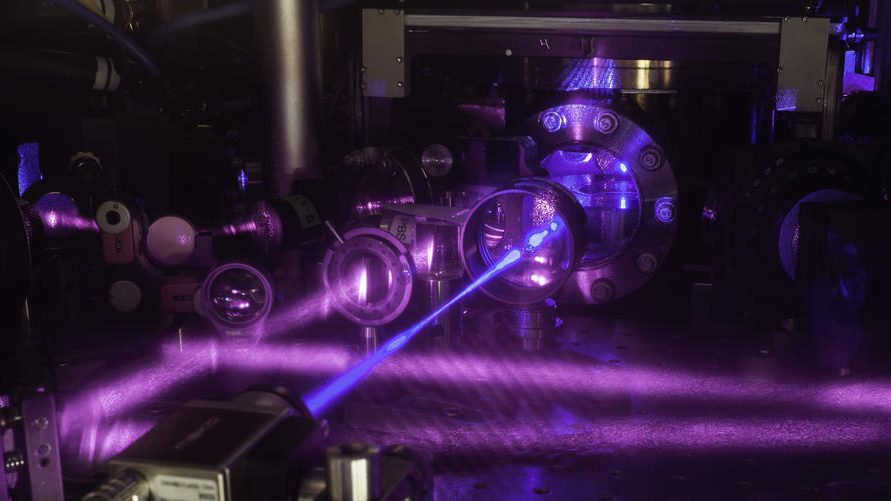
Amplifying the energy within a laser, over and over, won’t get you an infinite amount of energy. There’s a fundamental limit due to physics.