With the right material at the right temperature and a magnetic track, physics really does allow perpetual motion without energy loss.
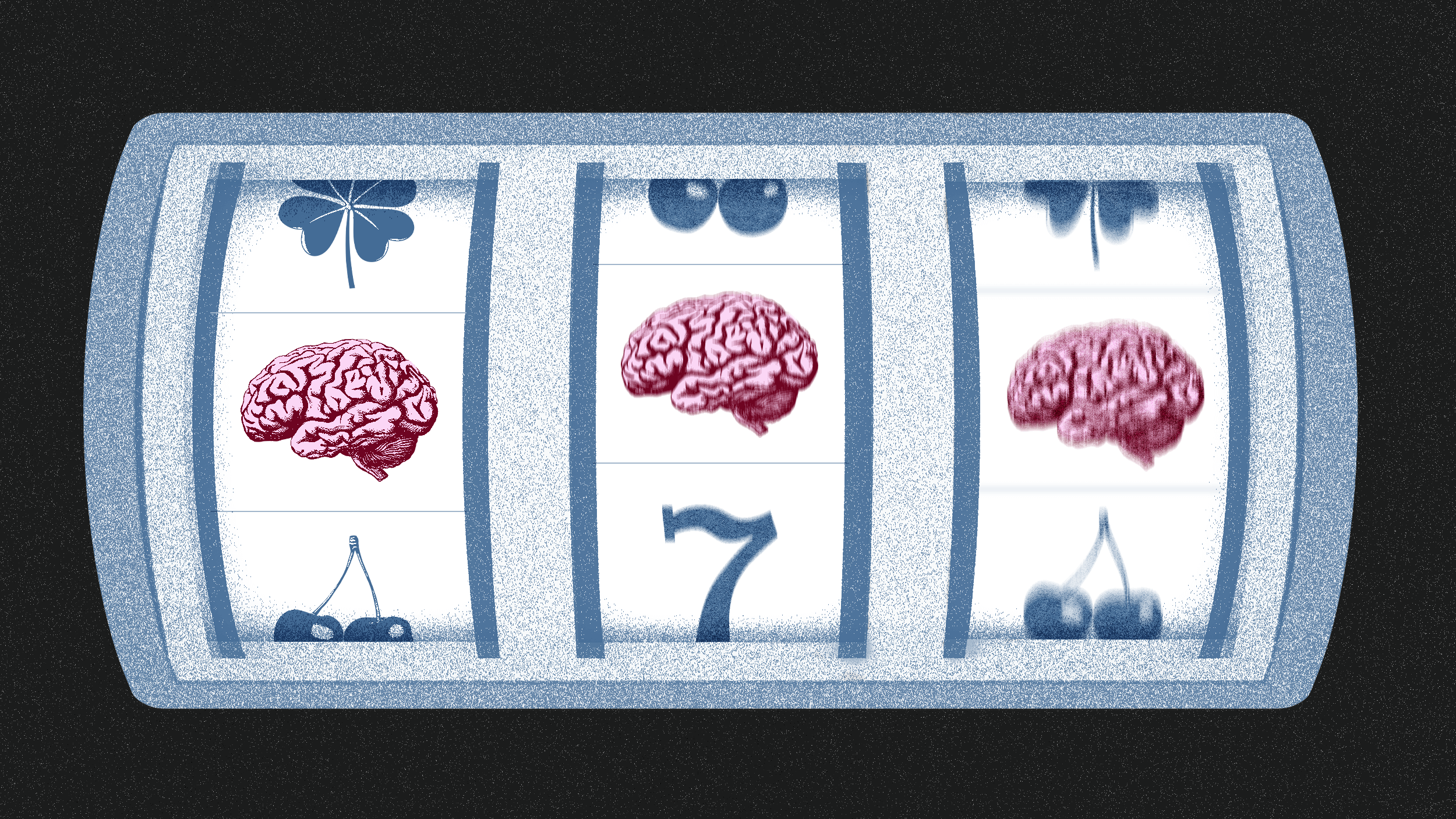
Stuck on a hamster wheel of mindless social media scrolling? Neuroscientist Anne-Laure Le Cunff explains how to consciously redirect your reward system.
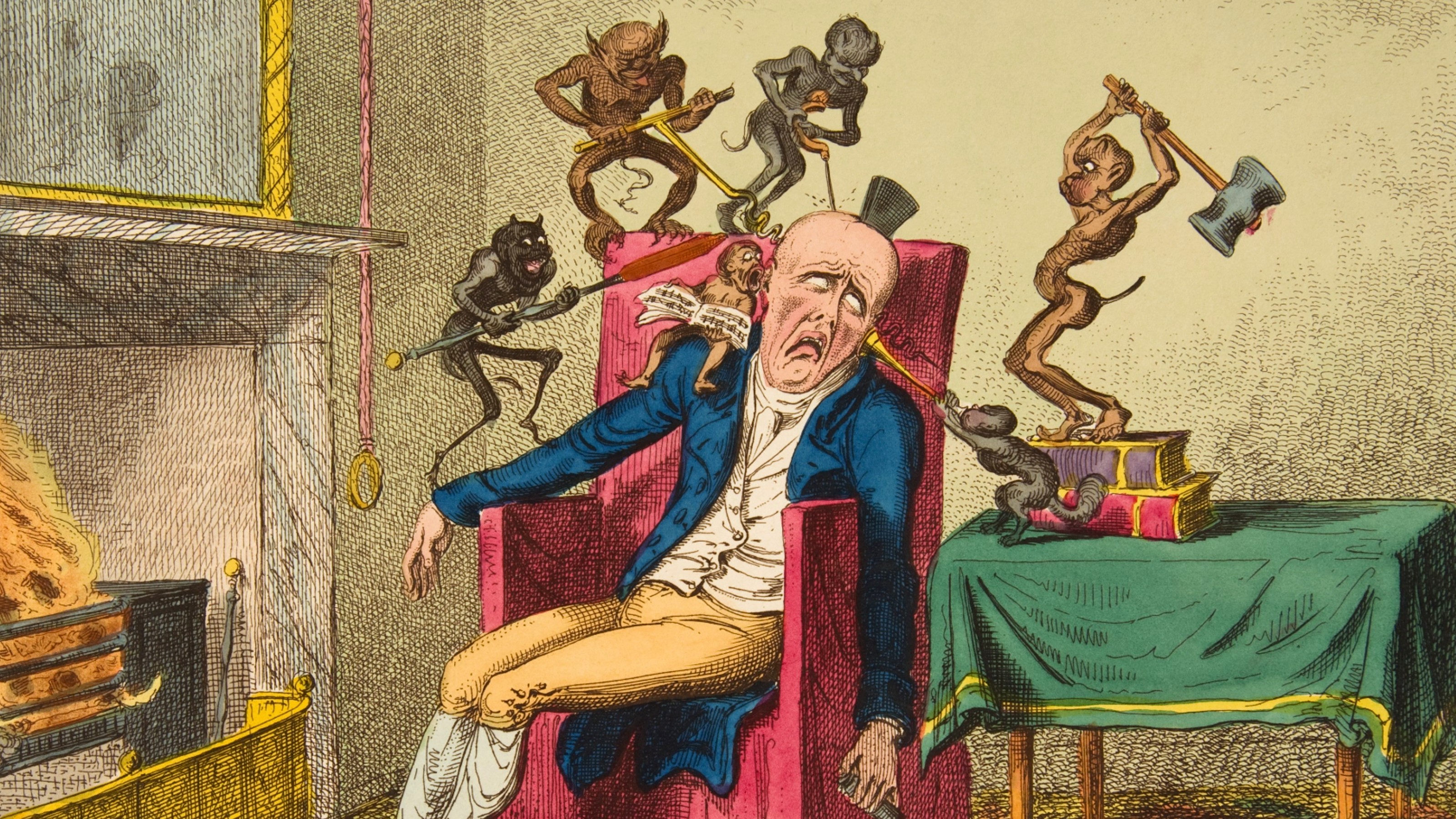
In “The Headache,” Tom Zeller Jr. explores one of the human brain’s most enduring, and painful, enigmas.
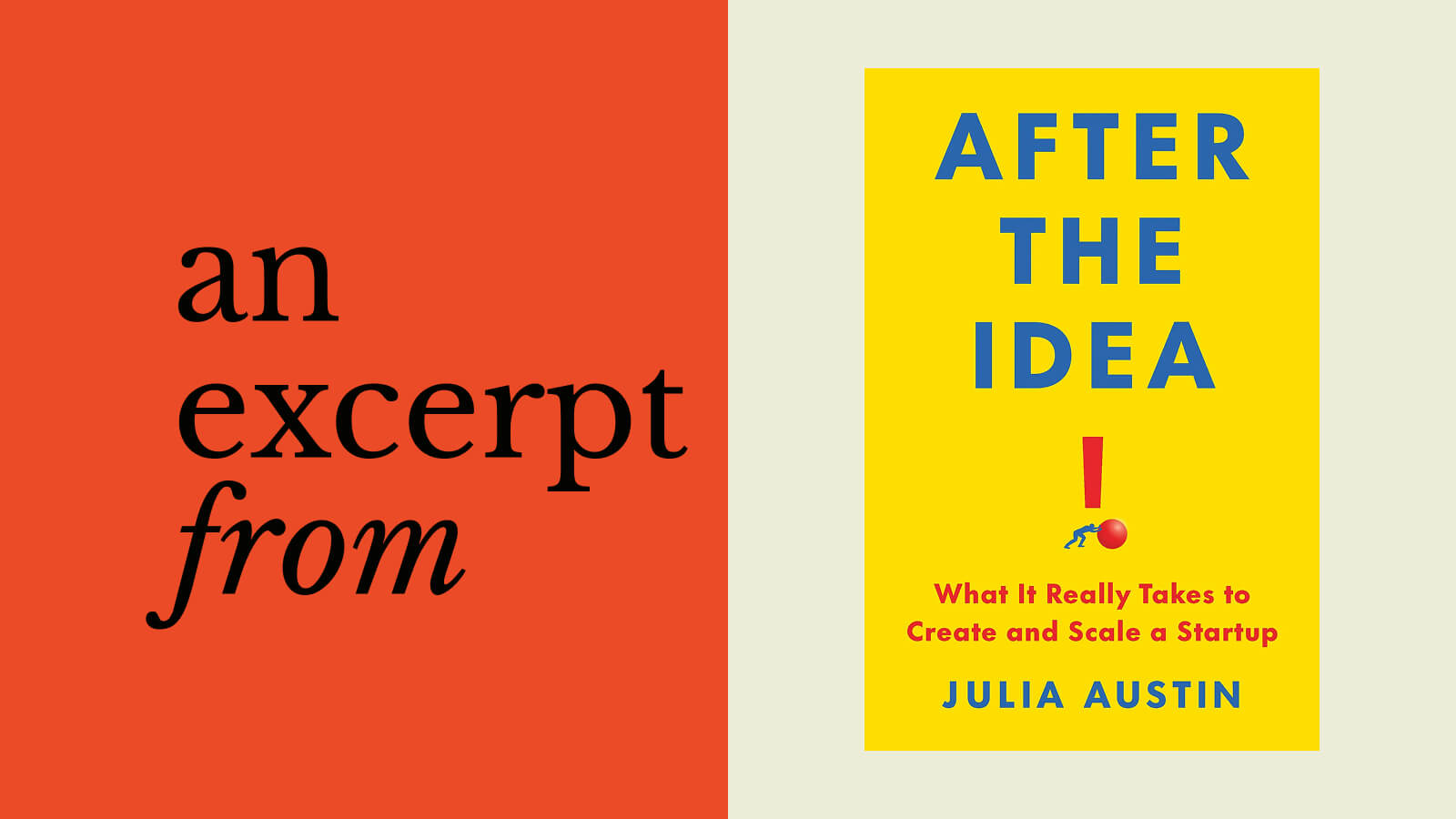
A conversation with the legendary VC on his latest book, his work at Techstars, and why “give first” is more than a motto — it’s a mindset.
Whether you run the clock forward or backward, most of us expect the laws of physics to be the same. A 2012 experiment showed otherwise.
The JFK Memorial at Runnymede provides a link between America’s and Britain’s founding documents.
If you want the best shot at long-term success, it can pay to supplement hot-shots with seasoned industry veterans.
When the Hubble Space Telescope first launched in 1990, there was so much we didn’t know. Here’s how far we’ve come.
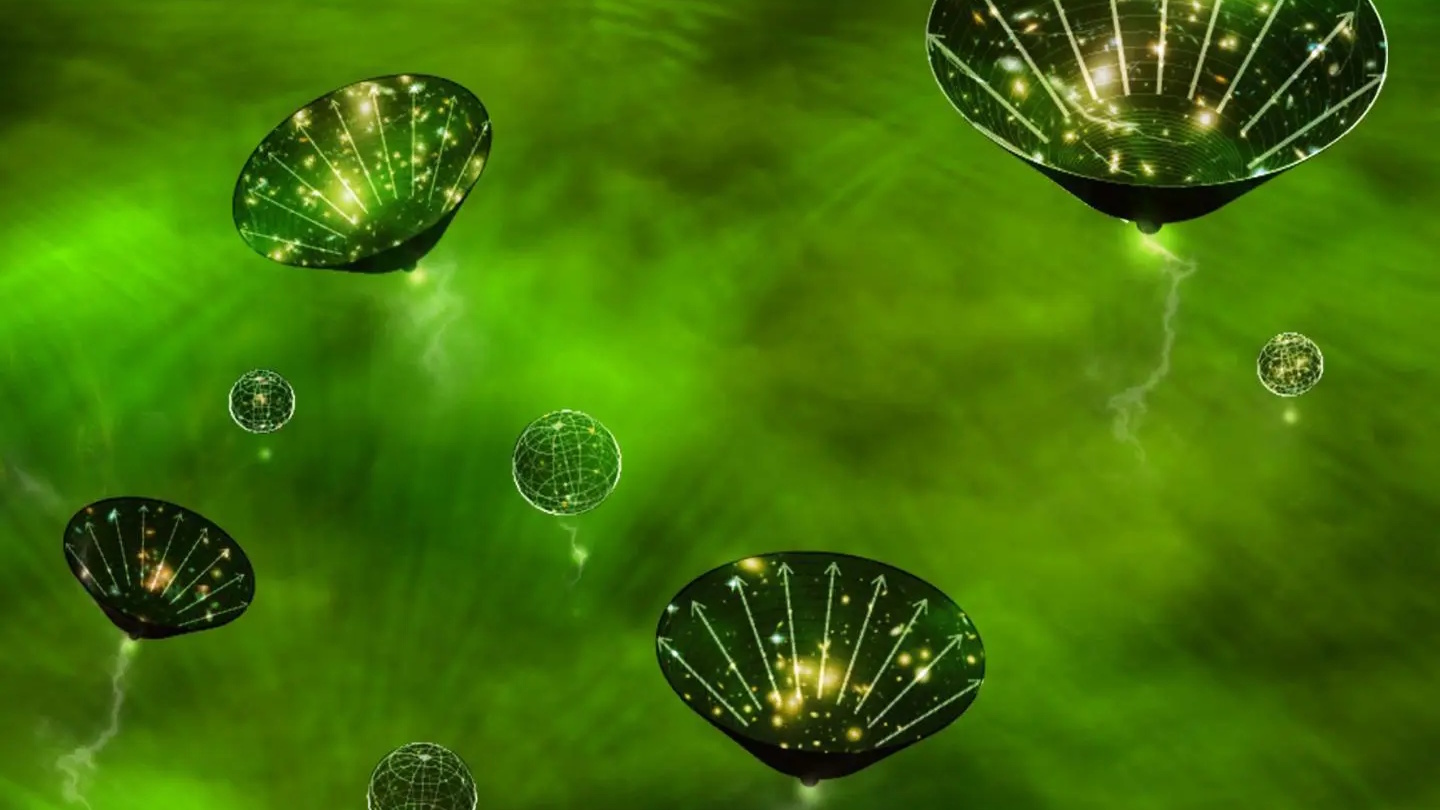
Once you cross a black hole’s event horizon, there’s no going back. But inside, could creating a singularity give birth to a new Universe?
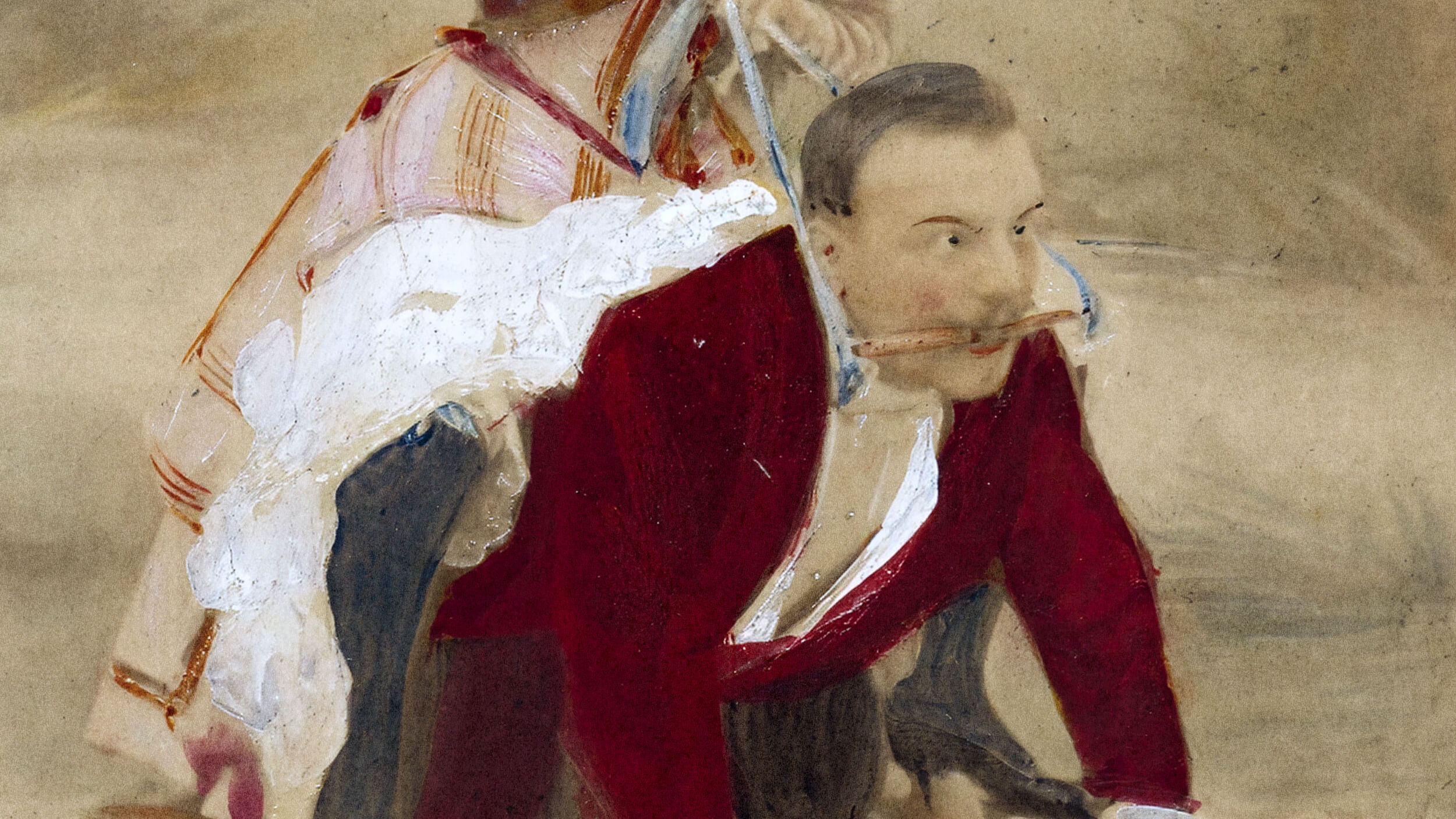
Before becoming America’s most infamous assassin, John Wilkes Booth was a magnetic actor who was beloved by audiences and courted by critics.
Welcome to The Nightcrawler — a weekly newsletter from Eric Markowitz covering tech, innovation, and long-term thinking.
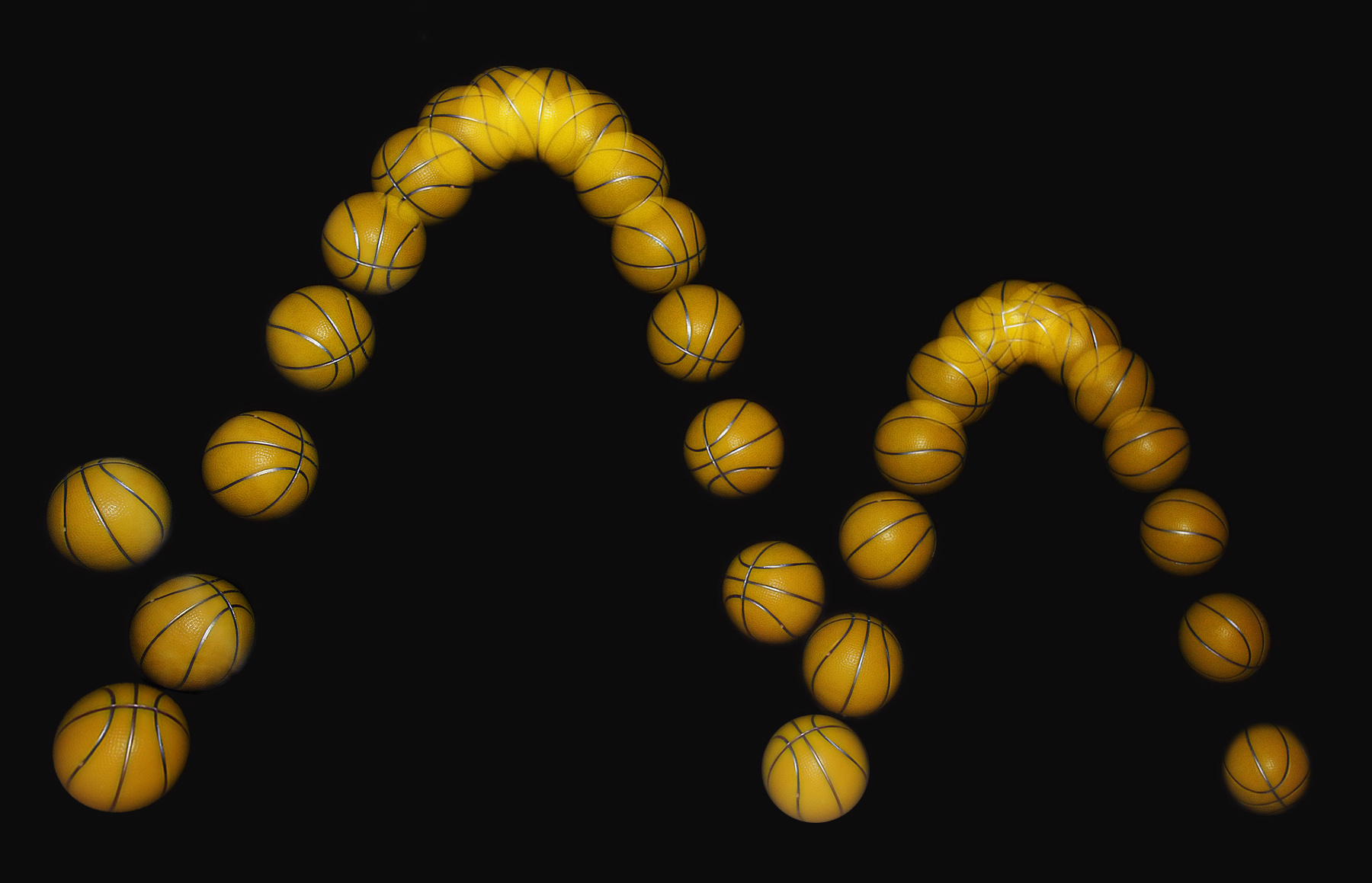
From high school through the professional ranks, physicists still take incredible lessons away from Newton’s second law.
It’s something to wrestle and live with, says behavioral scientist Arthur Brooks.
How deep is your kink?
The benefits of compassion in the workplace are manifold — but leaders should retain an intentional focus on mental, emotional, and physical balance.
No matter what it is that we discover about reality, the fact that reality itself can be understood remains the most amazing fact of all.
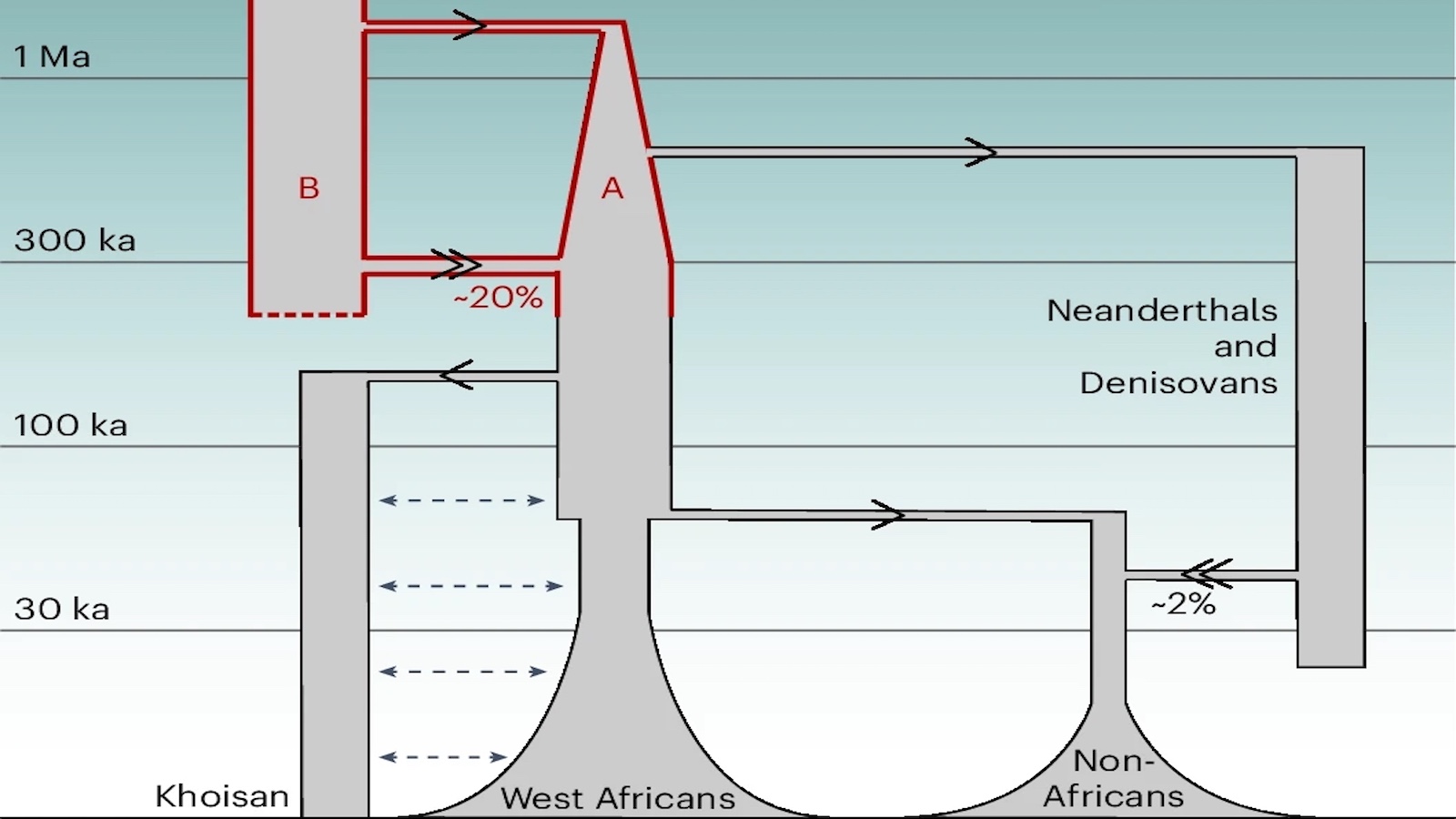
After more than a million years of separation, two branches of humanity reunited around 300,000 years ago, suggests new research.
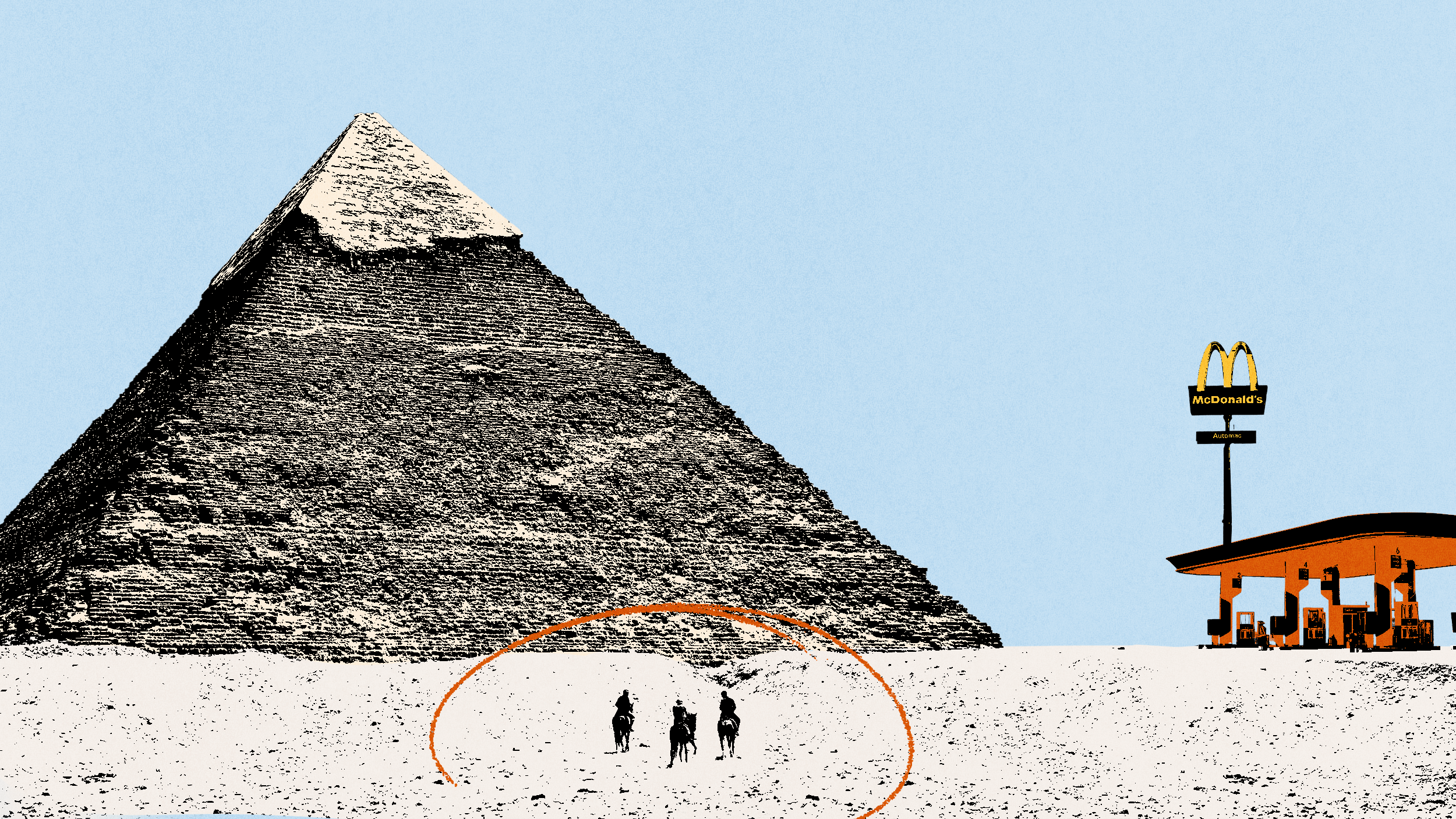
In “Dinner with King Tut,” Sam Kean examines how a burgeoning field is recreating ancient tasks to uncover historical truths.
With over 300 high-significance gravitational wave detections, we now have a huge unsolved puzzle. Will we invest in finding the solution?
From Apple to Airbnb to OpenAI the generalist mindset has been an invaluable source of advantage — and we can all learn from these successes.
Will we build a successor collider to the LHC? Someday, we’ll reach the true limit of what experiments can probe. But that won’t be the end.
By inviting players to tackle real scientific problems, games can offer a hand in solving medicine’s toughest challenges.
The measured value of the cosmological constant is 120 orders of magnitude smaller than what’s predicted. How can this paradox be resolved?
In “After the Spike,” Dean Spears and Michael Geruso show why policy, rather than high population density, has the most significant impact on the environment.

Welcome to The Nightcrawler — a weekly newsletter from Eric Markowitz covering tech, innovation, and long-term thinking.
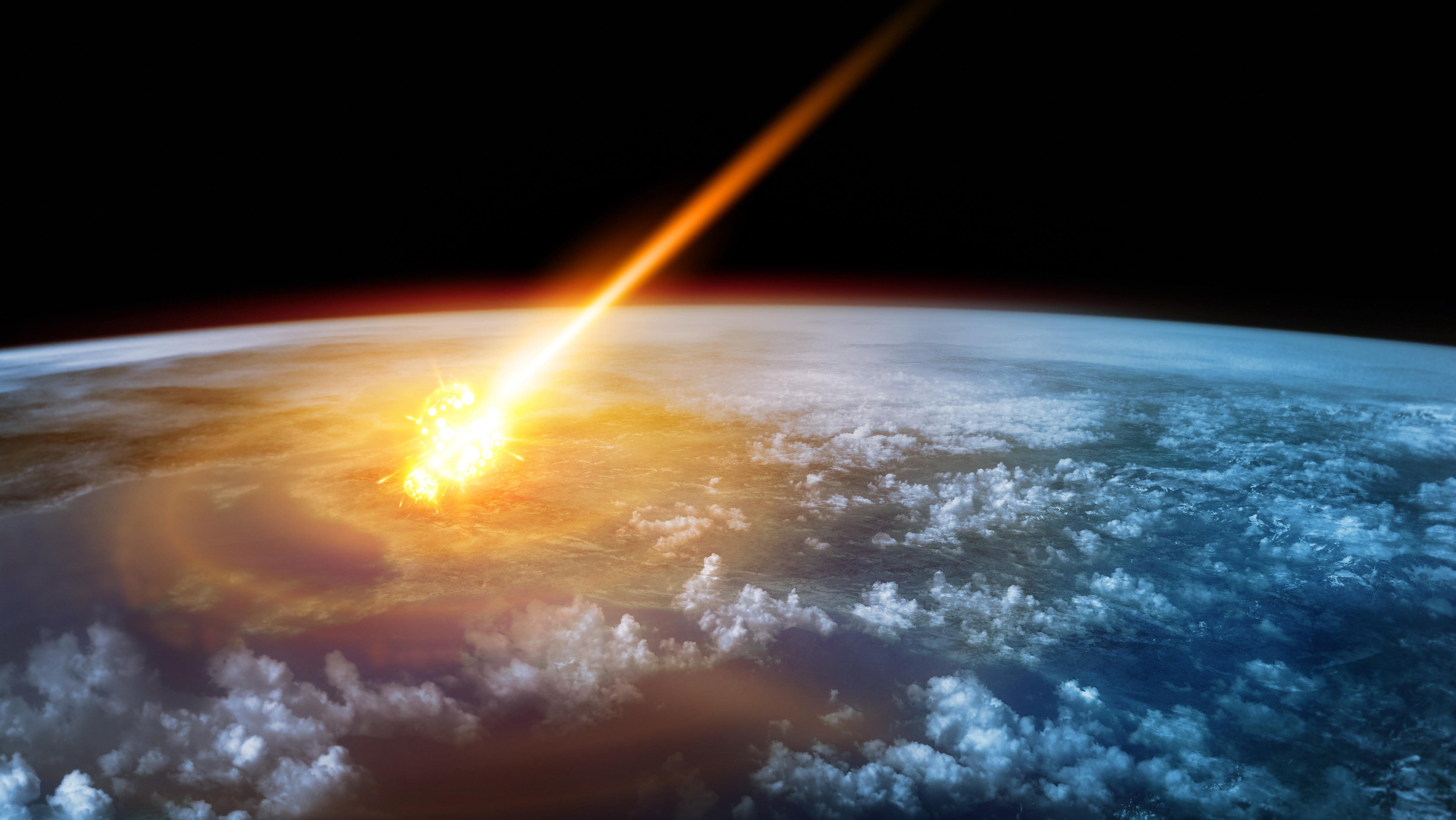
65 million years ago, a massive asteroid struck Earth. Not only did Jupiter not stop it, but it most likely caused the impact itself.
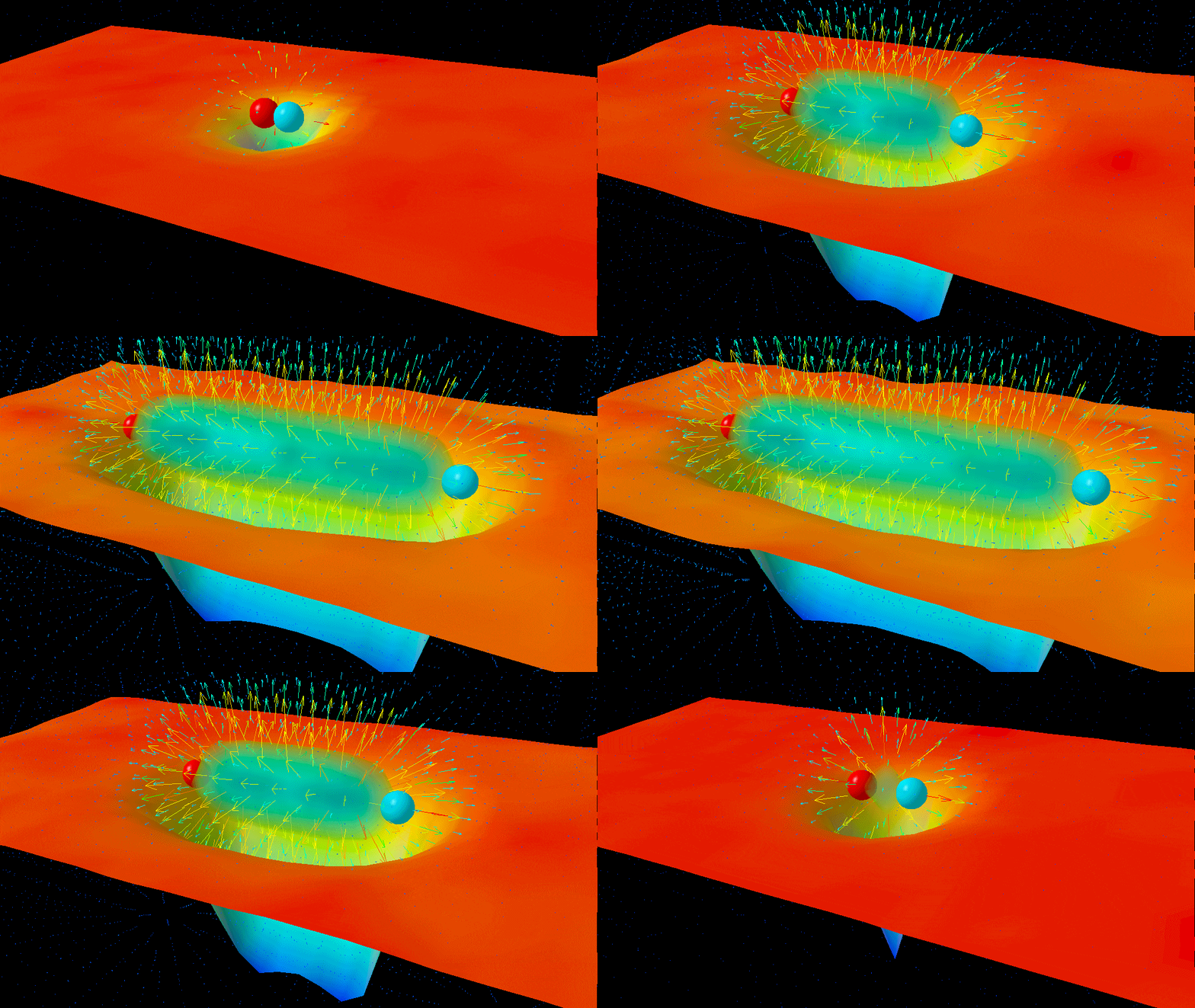
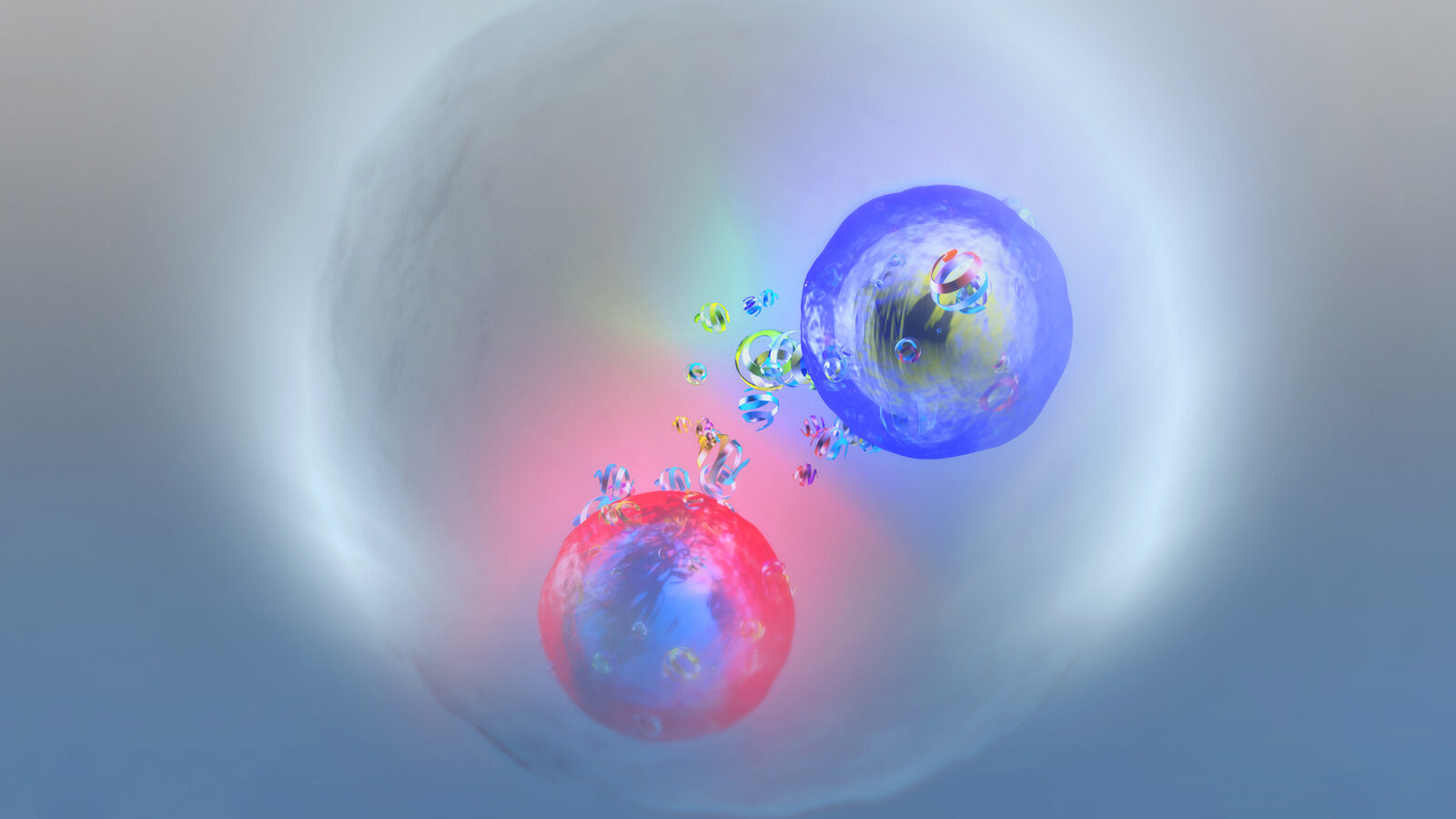
Can the top quark, the shortest-lived particle of all, bind with anything else? Yes it can! New results at the LHC demonstrate toponium exists.
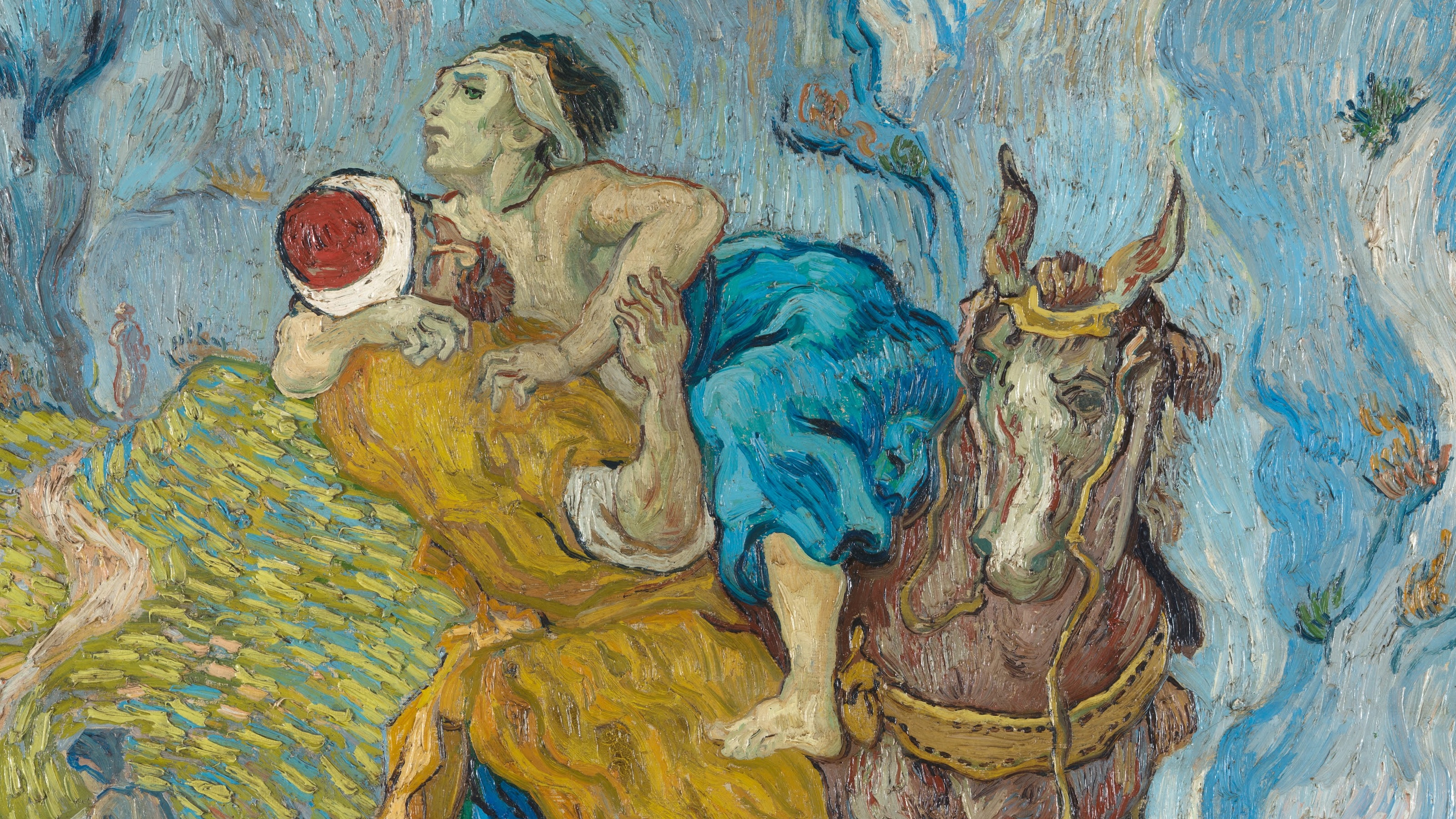
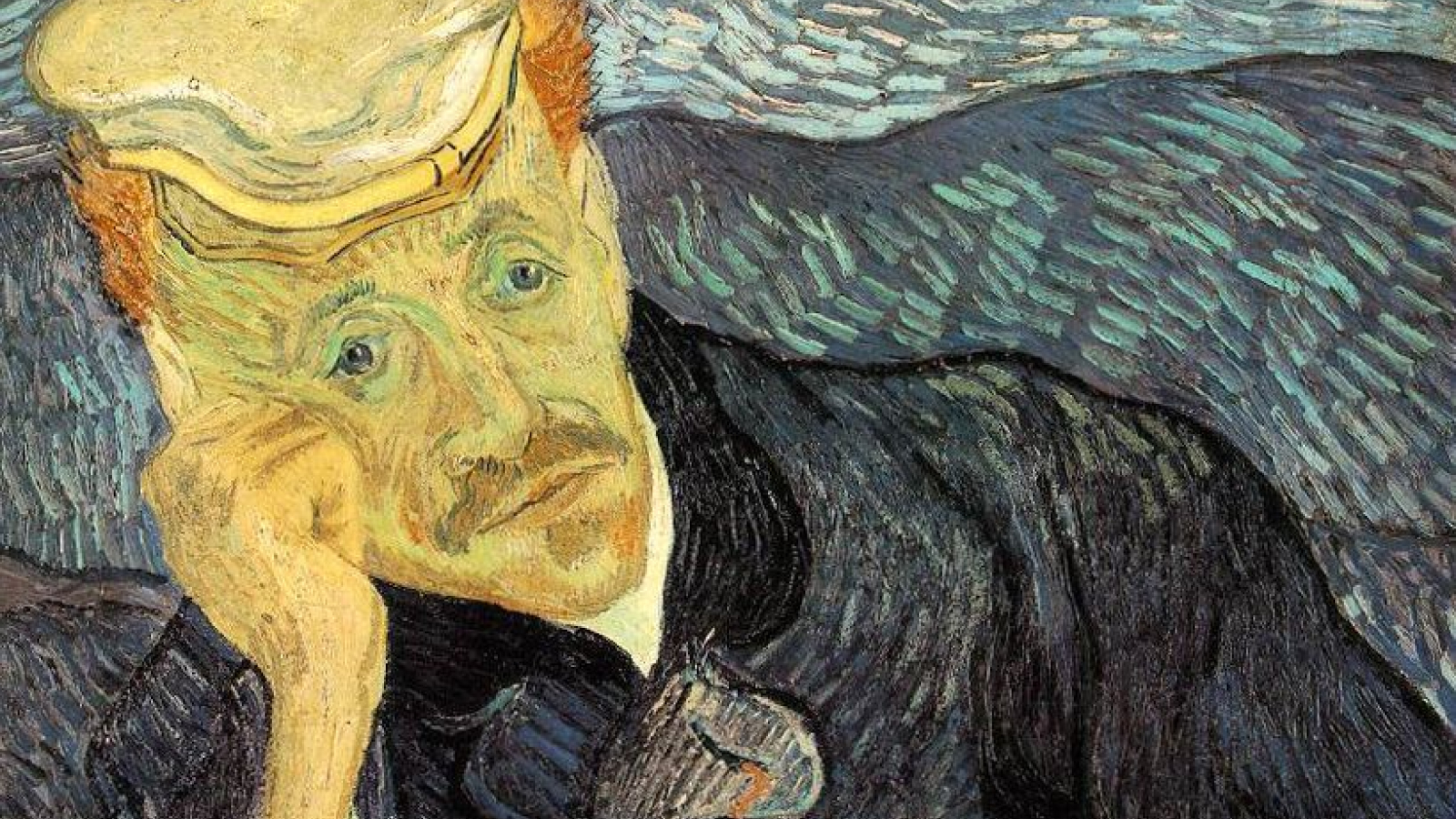
In “Human History on Drugs,” Sam Kelly explores what the research can tell us about one of history’s most brilliant — and troubled — artists.
A mid-flight scare reveals how embracing death can bring purpose and meaning to everyday life.