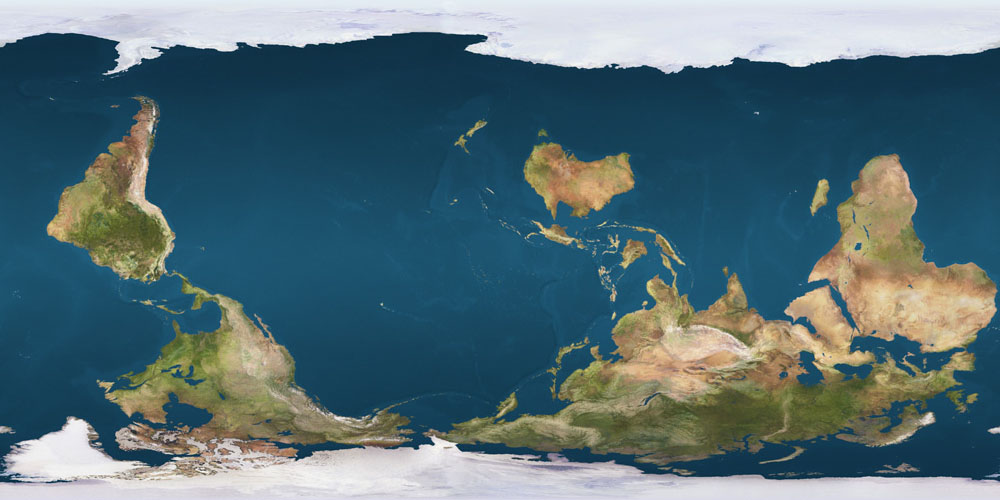
Is there any good reason for assigning North and South the way we do, or could we have just as easily done the reverse?
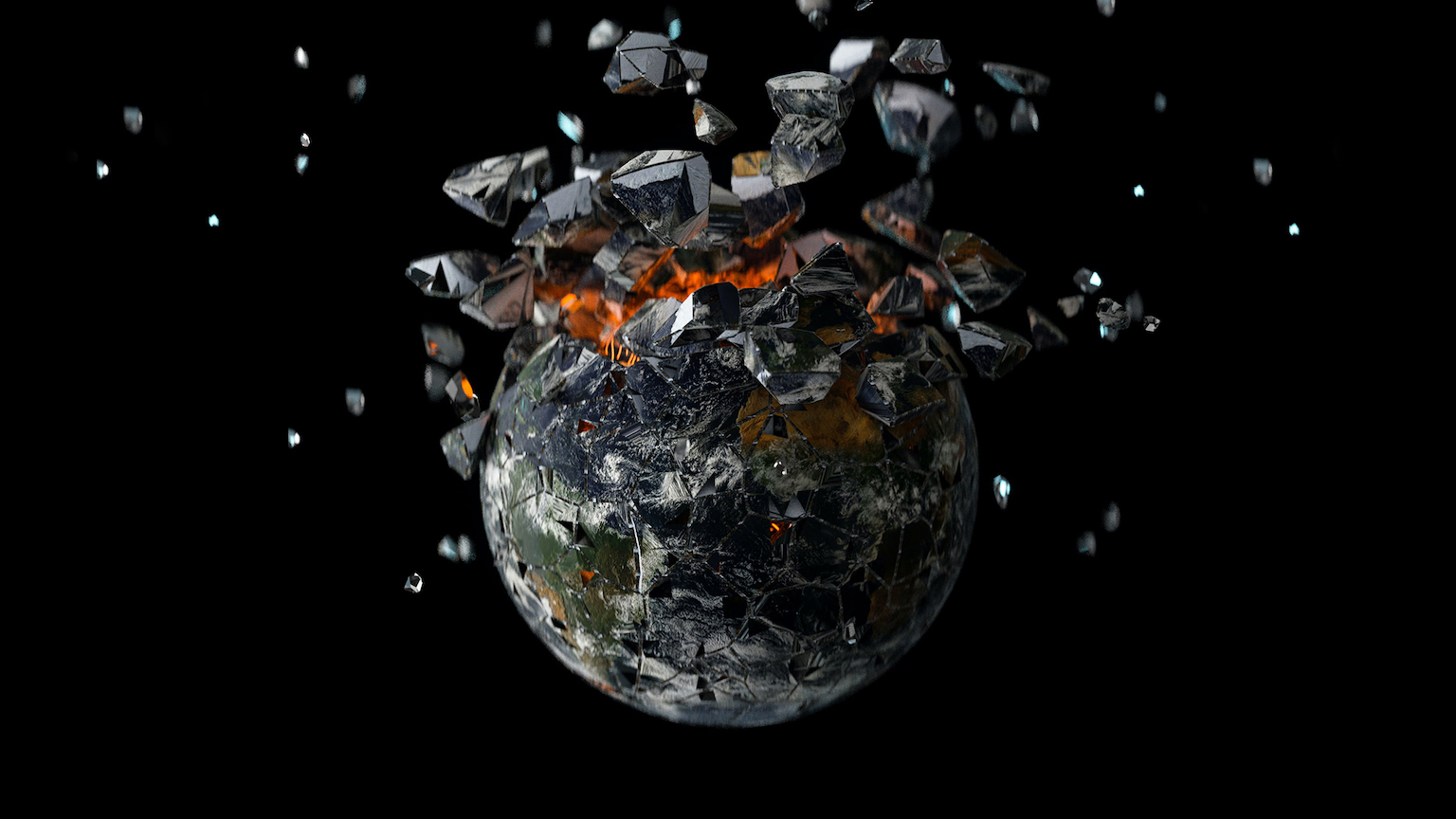
Earth is not a benign mother. We have begun to witness what happens when it unleashes its fury.
At the Great Lakes Shipwreck Historical Society in Michigan, retrieving sunken vessels is the order of the day. Here’s how they do it.
We pretend as if economic sanctions are a peaceful way to coerce others into behaving. In reality, they are a potent tool of modern warfare.
Most people have a distorted view of what being a scientist is like. Scientists need to make a greater effort to challenge stereotypes.
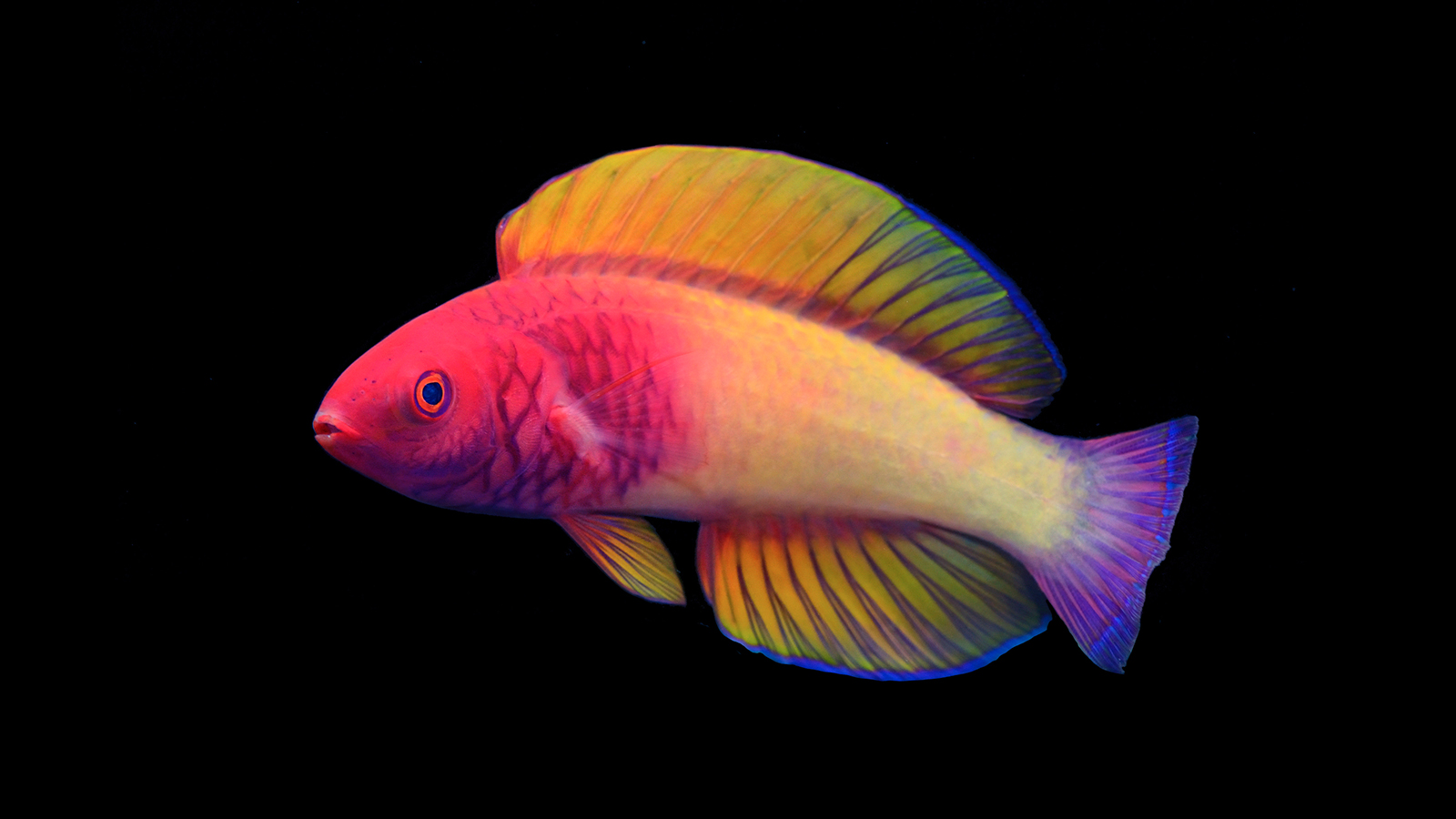
Local researchers identify a striking rainbow-colored fairy wrasse found off the coast of the Maldives as a fish species all its own.
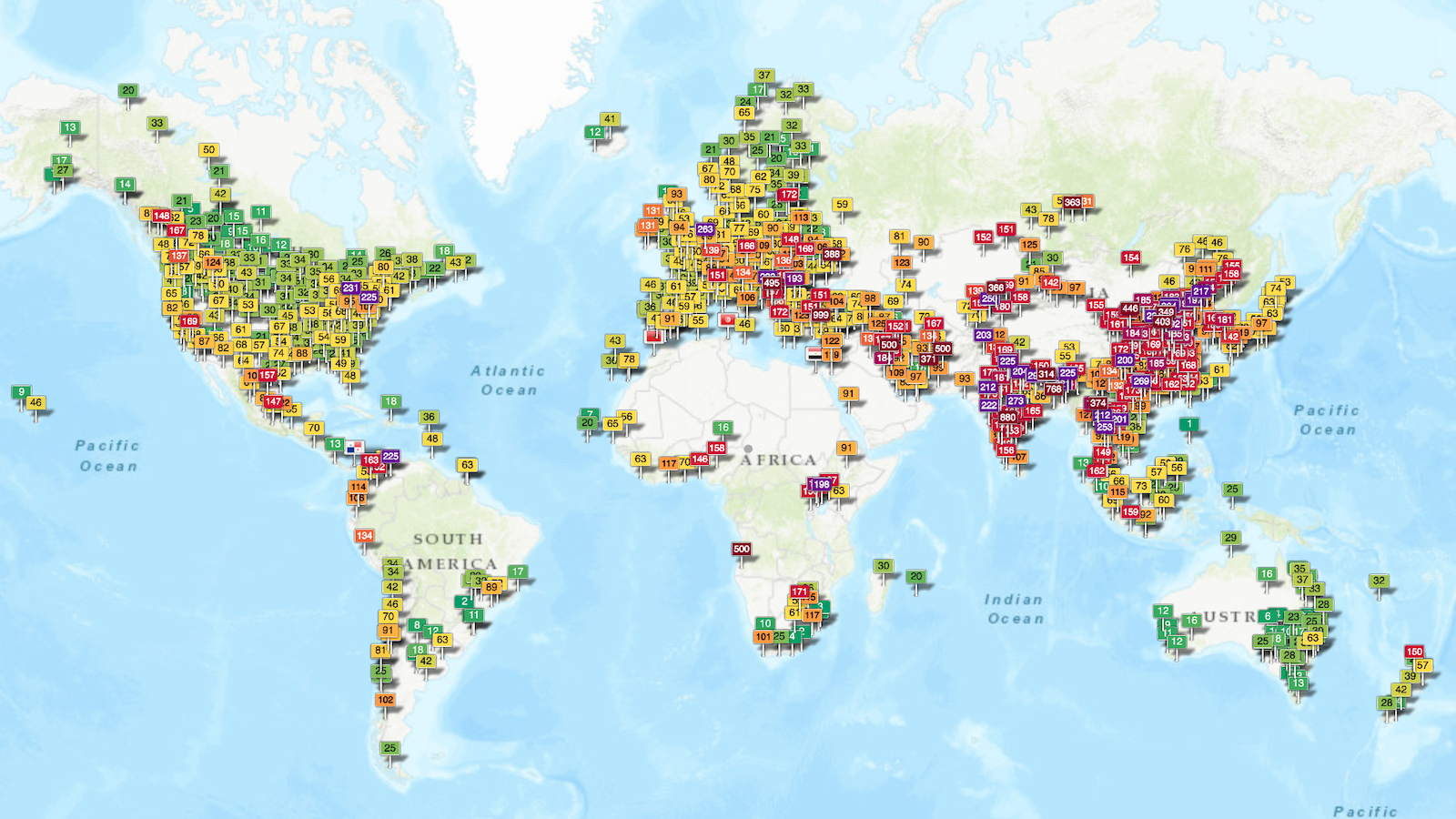
The World Air Quality Index shows how clean your city’s air is, in real time.
The A.I. system could improve the lives of commercially raised pigs.
A growing body of research shows that religious people seem to enjoy more psychological well-being compared to others.
The laws of physics state that you can’t create or destroy matter without also creating or destroying an equal amount of antimatter. So how are we here?
Memes communicate complex ideas quickly and efficiently, but that’s precisely what makes them so dangerous.
Some scientists believe that DMT could revolutionize the treatment of depression.
Like witchcraft, “racecraft” refers to a kind of magical thinking — one that treats race as if it were scientifically meaningful.
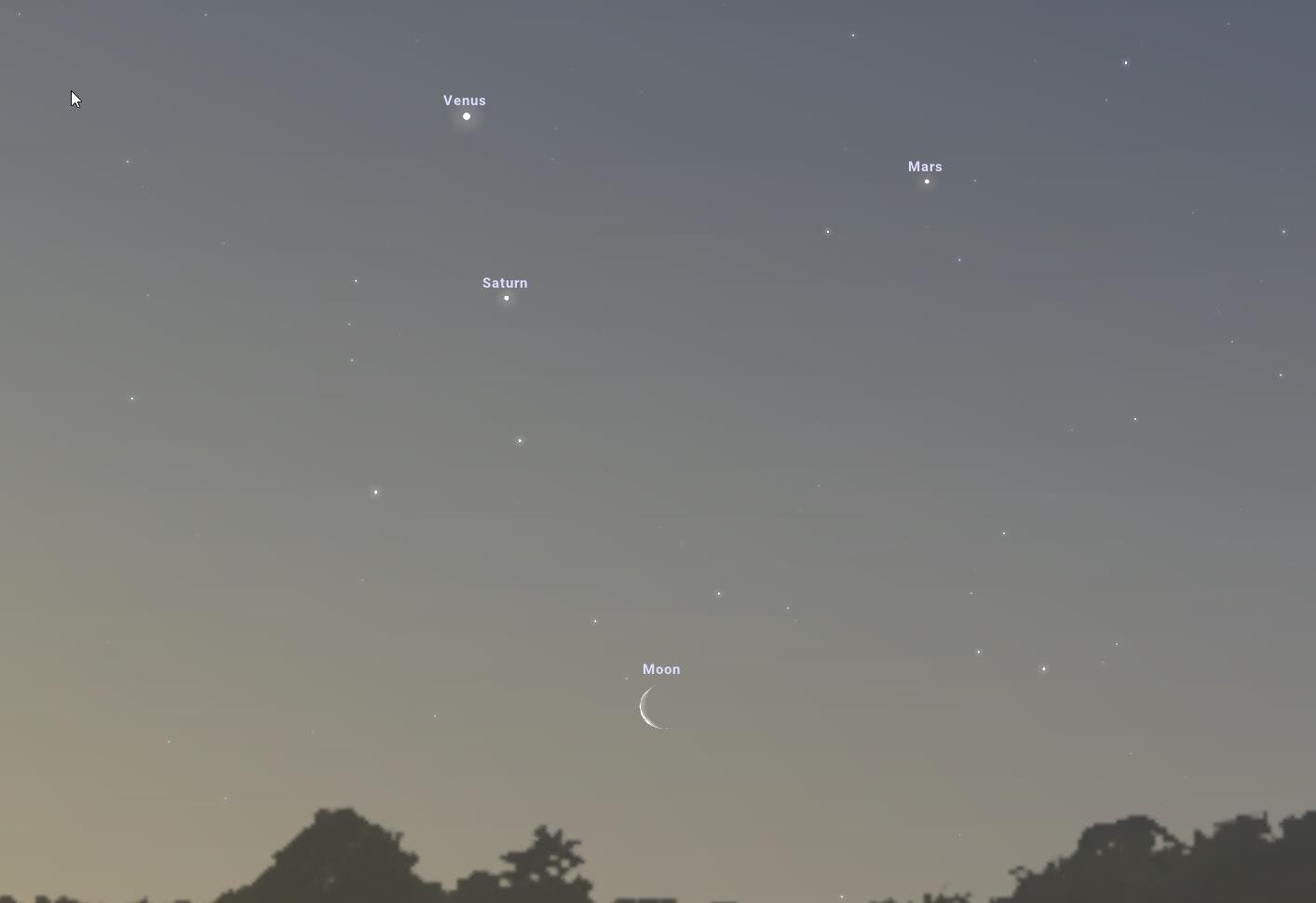
In the night sky for March of 2022, only stars and the Moon, not planets, will greet you. The real show, however, arrives just before dawn.
Zuranolone might help people feel better sooner than if they were relying on standard treatment alone.
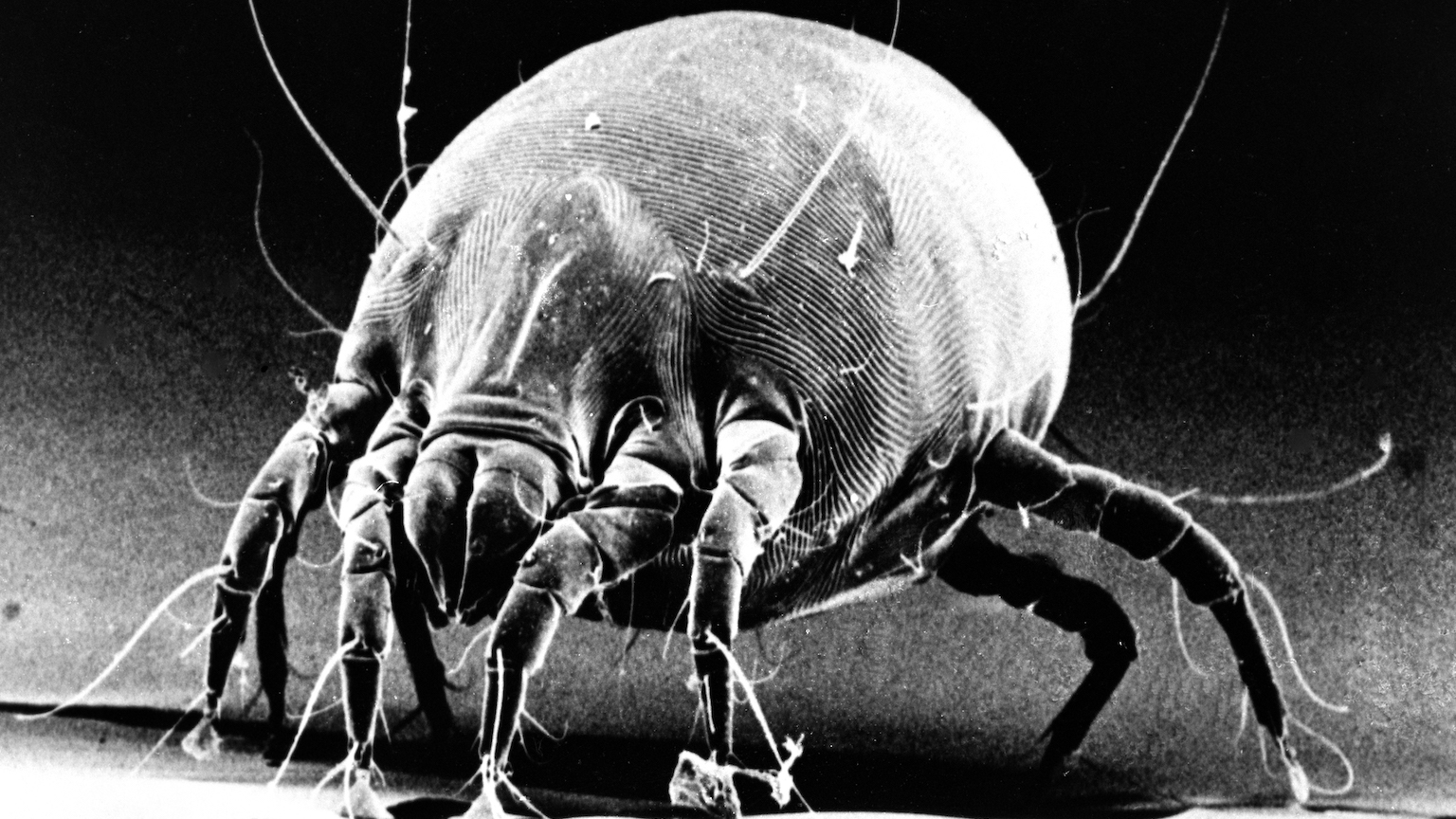
The good news is that scientists have found a new way to treat eczema. The bad news is that it’s drinkable dust mite extract.
Using cellulose from trees and a synthetic polymer, MIT researchers have created a material that “is stronger and tougher than some types of bone, and harder than typical aluminum alloys.”
A famous explorer’s doomed ship is finally found 107 years after it was lost to the Antarctic deep.
Edible electronics, devices that can be broken down and digested, could perform many useful functions inside the body.
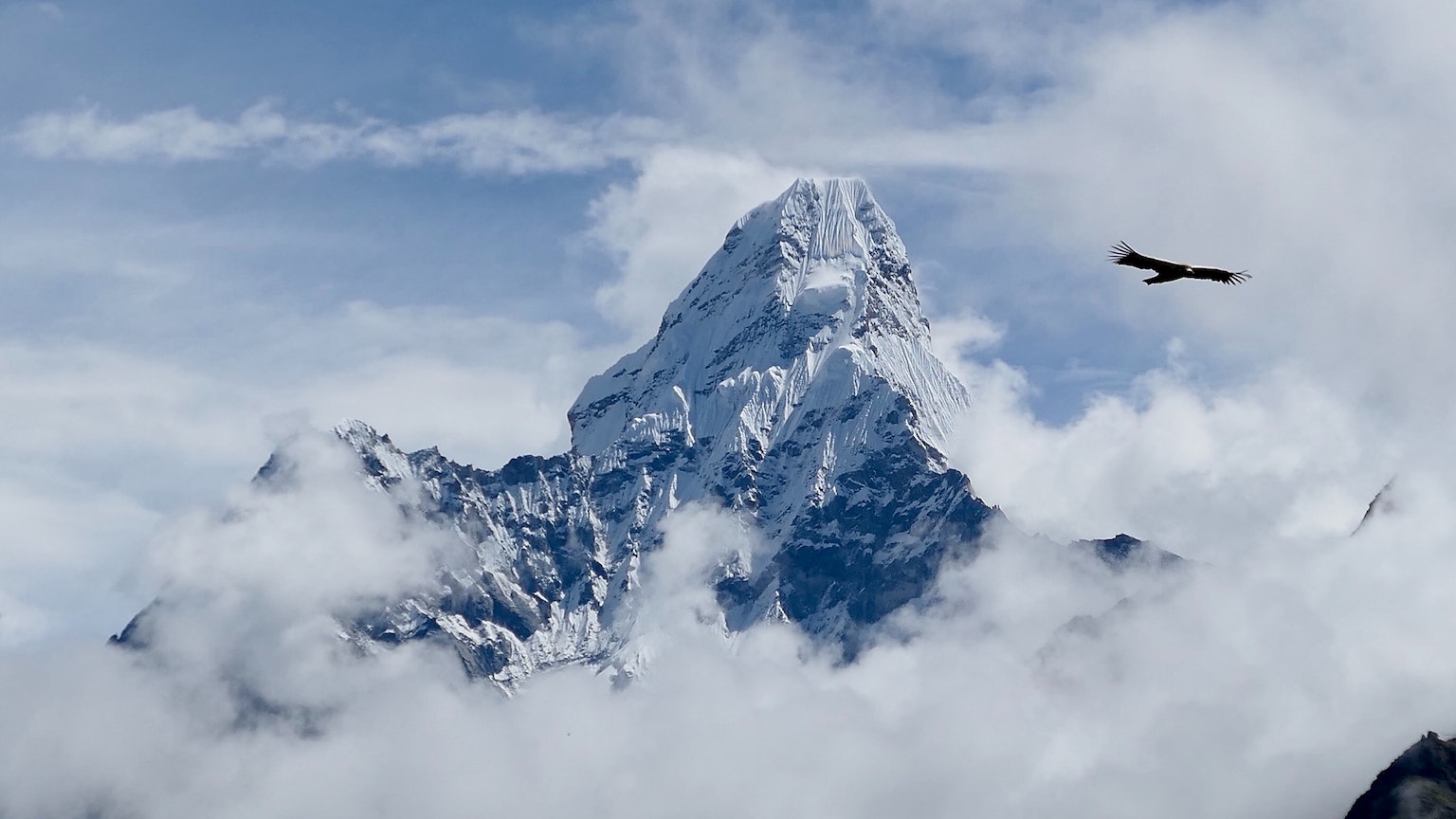
Gigantic ranges called “supermountains” formed twice in Earth’s history, and they may have had a profound influence on evolutionary history.
In the shadow of the Shard, the mosaics help paint a picture of Roman London.
Despite all that we’ve learned about the Universe, there remain unanswered, and possibly unanswerable, questions. Could “God” be the answer?
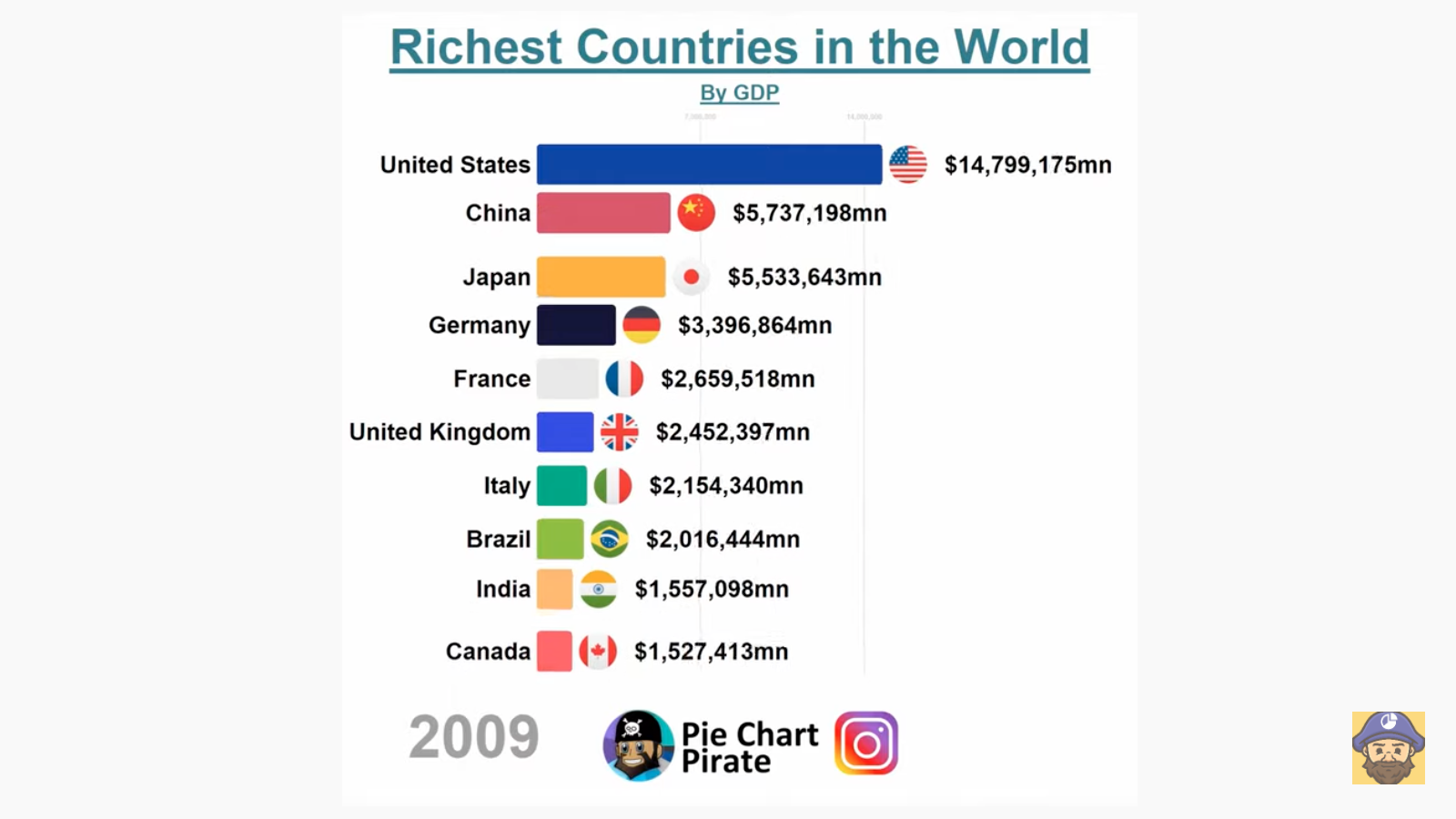
Any dataset that can be quantified over time can be turned into a contest that is both exciting and (a little bit) enlightening.
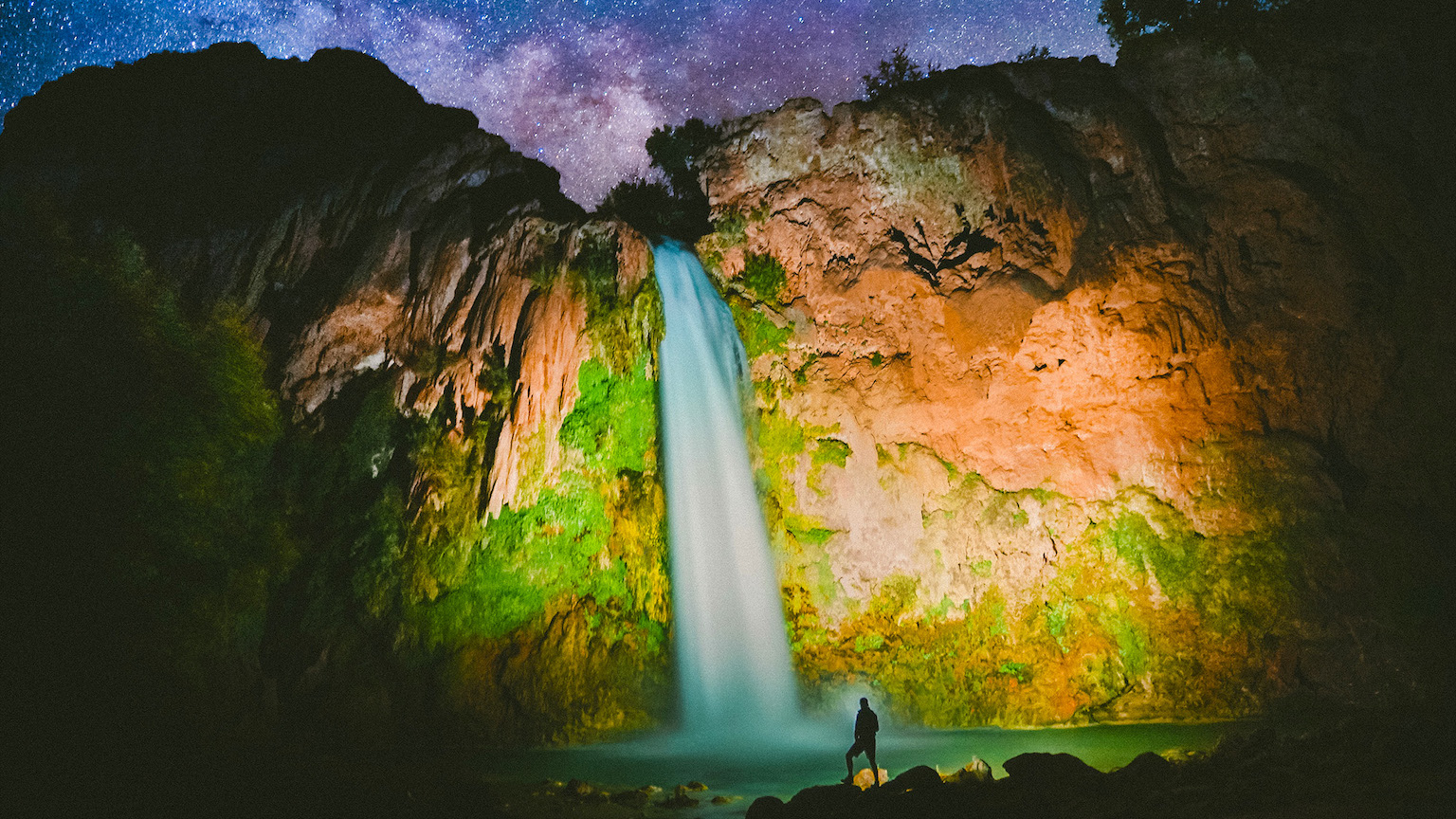
From a desert oasis to the Rocky Mountains, being filled with awe makes me a better scientist.
The human brain is only the latest chapter in the ancient story of thinking on Earth.
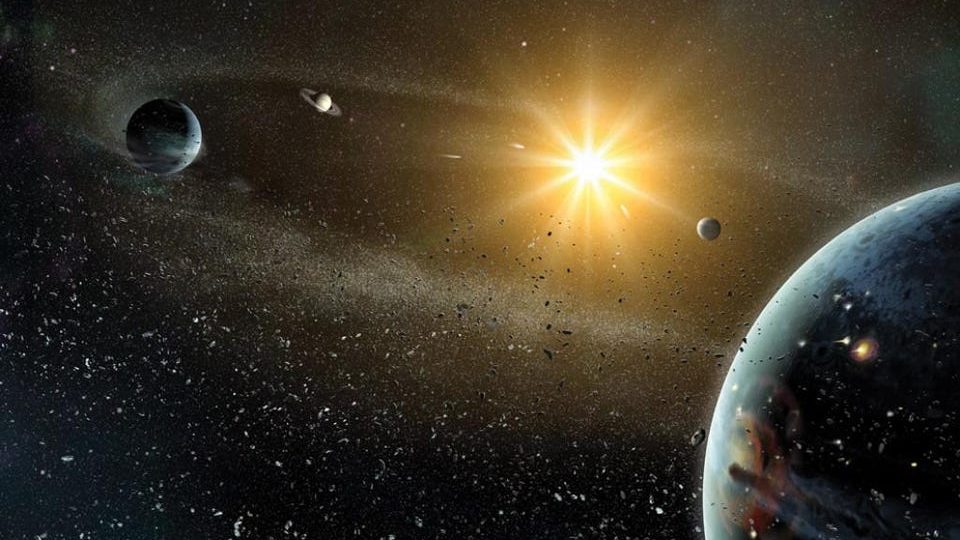
Shortly after planet Earth formed, life took a permanent hold on our surface. But just how common is such an outcome?
A ten-minute visit from a therapy dog reduces emergency room patients’ pain and anxiety.
We cannot deduce laws about a higher level of complexity by starting with a lower level of complexity. Here, reductionism meets a brick wall.
The very concept of a “problem with no solution” goes against human nature. But we must accept this harsh reality to have peace in our lives.
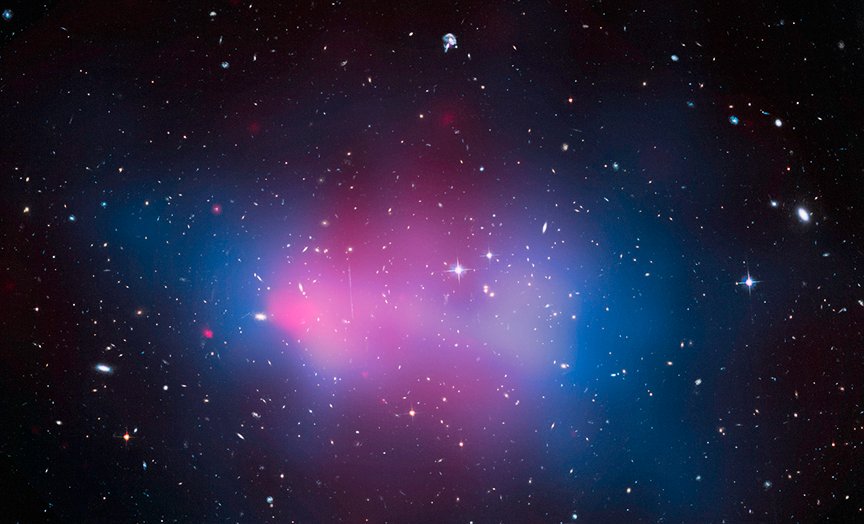
If dark matter exists in a large halo in our galaxy, made up of particles, then it’s passing through us constantly. But how much?