In today’s high-pressure workplace, leaders must prioritize employee well-being through stress management techniques and supportive environments, as this not only mitigates burnout but also enhances productivity and customer engagement, ultimately benefiting the business.
Deepak Chopra emphasizes the importance of getting seven to eight hours of sleep for optimal health, detailing its benefits for mental processing, toxin removal, and healing, while providing tips to minimize distractions and create a conducive sleep environment.
Stress negatively impacts our well-being, but regular meditation can enhance mental and physical health by reversing genetic damage, boosting beneficial gene activity, reducing inflammation, and improving conditions like leaky gut syndrome, as discussed by Deepak Chopra.
The latest understanding of the human genome emphasizes the role of the epigenome, revealing that lifestyle choices like nutrition and exercise can influence gene activity, and Deepak Chopra provides insights on supporting this activity for better health outcomes.
Dr. Rudolph Tanzi explains that healthy lifestyle changes can influence gene activity through epigenetics, potentially preventing disease expression, while managing stress involves recognizing and understanding its temporary nature and underlying causes.
Deepak Chopra and Harvard neurobiologist Rudolph Tanzi advocate for “radical well-being,” emphasizing that optimal health relies on proactive measures—such as sleep, nutrition, exercise, and emotional regulation—rather than reactive responses to health issues.
Restaurateur Will Guidara advocates for a team culture in hospitality where asking for help is normalized, emphasizing self-care and support through practices like identifying what fills team members’ “pitchers” and destigmatizing help requests with subtle cues.
Arianna Huffington emphasizes the importance of rediscovering wonder in our lives through Presence and Storytelling, encouraging us to be present in the moment and connect with others by sharing and learning from our narratives.
Arianna Huffington emphasizes that well-being encompasses more than enjoyment, advocating for practices like getting 7-8 hours of sleep, walking during conversations, and incorporating mindfulness and meditation to enhance competence, mood, and overall life quality.
Huffington argues that true success requires a third metric—well-being, wisdom, wonder, and giving—beyond the traditional measures of money and power, as relying solely on the latter can lead to burnout and imbalance in life.
Sharon Salzberg emphasizes that while negative feelings are not problematic, acting on them is; mindfulness training helps cultivate awareness of emotions through techniques like “purposeful pauses” and “stealth meditations” to foster inner wisdom before responding to situations.
In her lesson, Salzberg emphasizes fostering organizational meaning through individual and institutional commitments to compassion, self-care, and resilience, while highlighting the importance of balance to prevent collective burnout.
In this lesson, Sharon Salzberg outlines meditation as a progressive practice that helps beginners in the business world develop concentration and insight, ultimately empowering them to act skillfully and remain present amidst changing emotions.
Conscious intention in practice, especially through pre-visualization of success and relaxation techniques, is essential for excelling in high-stakes situations, as explained by Scott Parazynski in this video lesson.
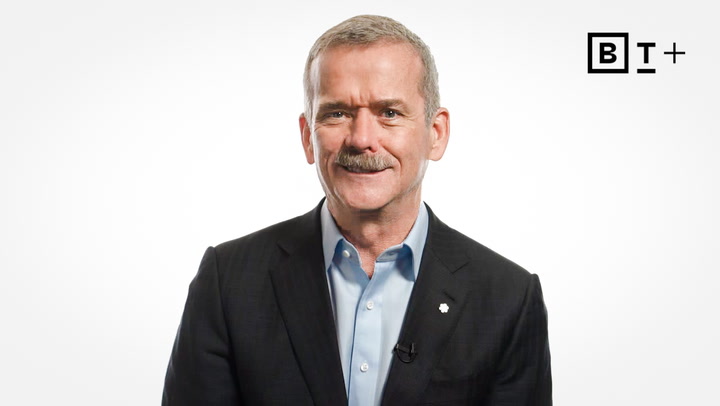
Former astronaut Chris Hadfield emphasizes that stress often stems from a lack of readiness, advocating for proactive preparation and competence as essential strategies to effectively manage challenges and reduce anxiety.
Multitasking can lead to action addiction due to dopamine boosts from constant digital communication, but mindfulness practices like taking short breaks and managing email habits can help mitigate this craving and enhance mental clarity.
New parents must prioritize self-care amidst their baby’s needs, especially when returning to work; Lauren Smith Brody offers strategies like skincare, a curated wardrobe, redefining “me time,” and preparing for emotional challenges to help reduce stress for all parents.
Mindfulness in the workplace involves intentional awareness and nonjudgmental engagement, benefiting both individual well-being and organizational culture, as exemplified by companies like Aetna that prioritize employee happiness and compassionate leadership.
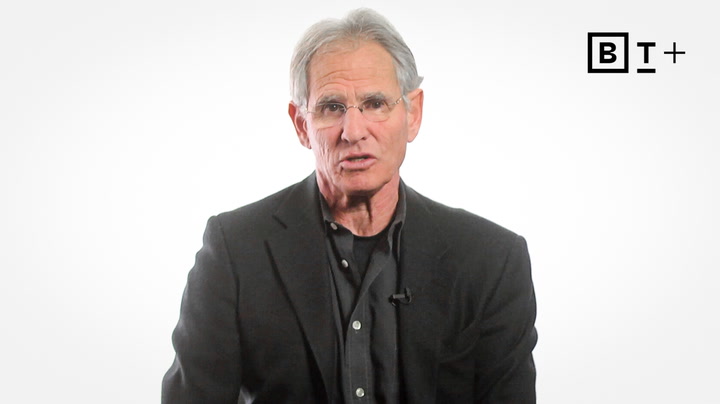
In this video lesson, Jon Kabat-Zinn explains how mindfulness can help you observe and liberate yourself from overwhelming thoughts, leading to better sleep and a more compassionate relationship with your mind.
Jon Kabat-Zinn, founder of the Center for Mindfulness, likens meditation to mental exercise that enhances stability and balance, while mindfulness-based stress reduction (MBSR) can help manage pain and chronic conditions, transform brain activity, and promote overall health benefits.
Mindfulness, as explained by Jon Kabat-Zinn, is an ongoing journey of embracing life without fixating on goals, focusing instead on healing, acceptance, and integrating awareness into every aspect of existence.
Jon Kabat-Zinn, founder of the Center for Mindfulness, explores how mindfulness practice can shift brain activity from the default mode network, which fosters anxiety and self-referential thinking, to the insula, promoting present-moment awareness and emotional well-being.
Susan David highlights that while the desire for happiness is universal, common Western beliefs like “happiness is a choice” and “think positive” can create unrealistic expectations, leading to guilt and disconnection from our emotions; instead, she advocates for embracing difficult experiences and focusing on intrinsic values.
In her video lesson, Susan David discusses how “bottling” and “brooding” hinder emotional processing and cognitive performance, offering strategies to acknowledge and label emotions compassionately to improve well-being and relationships.
Amy Cuddy teaches that adjusting your posture can influence your thoughts and feelings, emphasizing the body-mind connection and offering kinesthetic techniques to decrease stress and boost mood by promoting powerful body language and mindful breathing.
American culture prioritizes acquisition, but Amy Cuddy emphasizes that true presence is an ongoing commitment to being emotionally and physically engaged in the moment, requiring self-affirmation and the harnessing of personal power to navigate stress and improve over time.
“Presence,” as defined by social psychologist Amy Cuddy, is the ability to express your true self under pressure, enabling peak performance by fostering self-acceptance and awareness, particularly in high-stakes situations that trigger anxiety and social judgment.
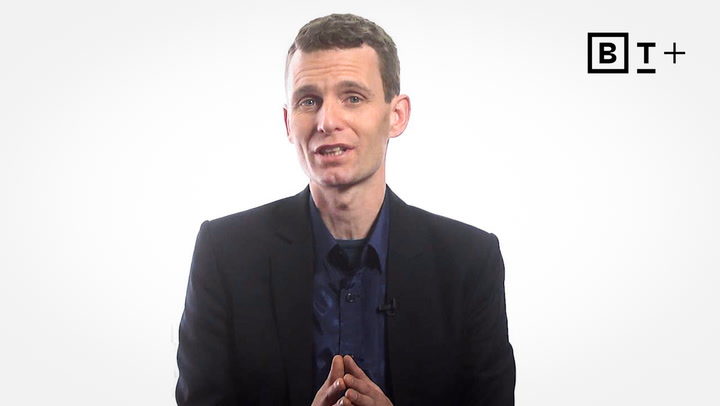
Cal Newport emphasizes that while frequent email and social media checks are common, they lead to “continuous partial attention,” hindering productivity, and suggests adopting deep work strategies to enhance focus and efficiency in achieving high-quality results.
The Industrial Revolution shaped our work habits towards constant intensity, but productivity expert Cal Newport advocates for a balanced approach that includes rest, realistic task estimates, and mindful work environments to enhance sustained productivity without burnout.
Productivity expert Cal Newport advocates for modern knowledge workers to achieve better results by reducing simultaneous tasks, minimizing overhead, and maintaining focus, ultimately leading to faster completion and improved quality of work.