Skip to content


In today’s high-pressure workplace, leaders must prioritize employee well-being through stress management techniques and supportive environments, as this not only mitigates burnout but also enhances productivity and customer engagement, ultimately benefiting the business.
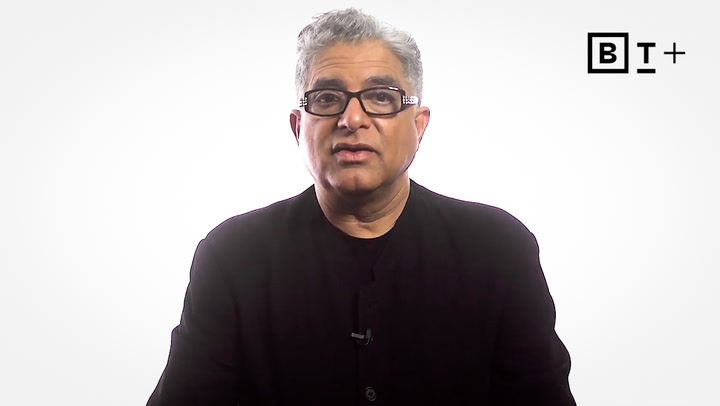
Deepak Chopra emphasizes the importance of getting seven to eight hours of sleep for optimal health, detailing its benefits for mental processing, toxin removal, and healing, while providing tips to minimize distractions and create a conducive sleep environment.
Deepak Chopra and Harvard neurobiologist Rudolph Tanzi advocate for “radical well-being,” emphasizing that optimal health relies on proactive measures—such as sleep, nutrition, exercise, and emotional regulation—rather than reactive responses to health issues.
Arianna Huffington emphasizes the importance of auditing our lives for wisdom, promoting deep sleep for better decision-making, and communicating thoughtfully while letting go of energy-draining elements to connect with our inner intuition and creativity.
Arianna Huffington emphasizes that well-being encompasses more than enjoyment, advocating for practices like getting 7-8 hours of sleep, walking during conversations, and incorporating mindfulness and meditation to enhance competence, mood, and overall life quality.
Habit expert Gretchen Rubin emphasizes that forming new habits can be easier by making foundational lifestyle choices—such as healthy eating, adequate sleep, regular exercise, and decluttering—that enhance self-command and create optimal conditions for habit formation.
Lauren Smith Brody suggests viewing the first 12 weeks after birth as a “fifth trimester,” highlighting the challenges new moms face when returning to work too soon, often before they feel physically and emotionally ready, which can lead to feelings of “mom guilt.”
Positive psychologist Tal Ben-Shahar emphasizes that while stress can enhance performance, it’s crucial to balance it with recovery—through mini, mid, and macro-level strategies—to prevent burnout and promote overall well-being.
Willpower, governed by the brain’s frontal cortex, can diminish due to low energy from factors like low blood sugar, stress, and lack of sleep, leading to issues like distraction and impulsivity; thus, understanding these biological influences is key to enhancing productivity.