In this video lesson, Jon Kabat-Zinn presents four immediate mindfulness practices—lying in bed, sitting, standing, and walking—to help cultivate awareness and combat procrastination, anxiety, and stress by focusing on the present moment.
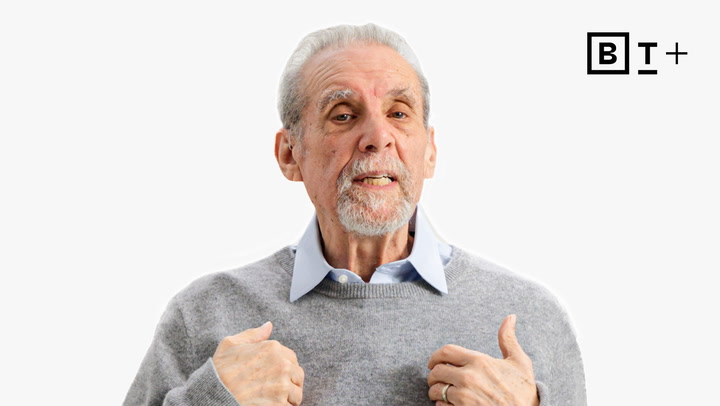
Jon Kabat-Zinn, founder of the Center for Mindfulness, explores how mindfulness practice can shift brain activity from the default mode network, which fosters anxiety and self-referential thinking, to the insula, promoting present-moment awareness and emotional well-being.
Mindfulness, as defined by Jon Kabat-Zinn, is the intentional, nonjudgmental awareness of the present moment that fosters relational clarity and healing, encouraging individuals to cultivate discernment and embrace their experiences without the distractions of judgment or striving.
Mindfulness is trending, with widespread celebrity endorsements and varying claims about its benefits, but Jon Kabat-Zinn, founder of The Center for Mindfulness, aims to clarify its true meaning amidst the hype.
In a world filled with distractions, Charles Duhigg’s video lesson emphasizes the importance of mental modeling to enhance focus and prioritize what truly matters, helping you defend your attention and prepare for daily challenges.
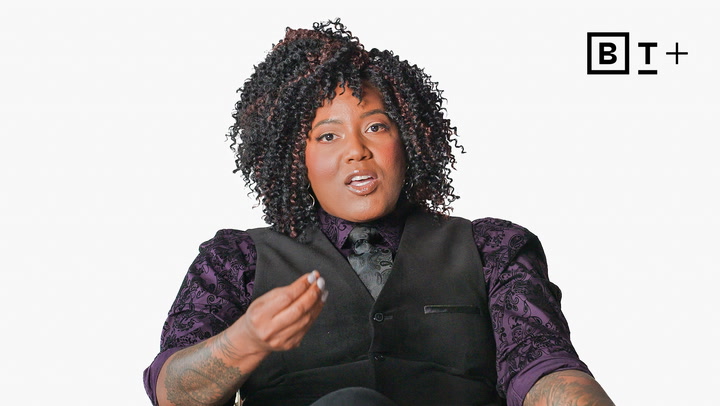
In her video lesson, Susan David discusses how “bottling” and “brooding” hinder emotional processing and cognitive performance, offering strategies to acknowledge and label emotions compassionately to improve well-being and relationships.
Throughout our evolutionary history, the instinct to overreact to novelty as a potential threat has shaped our responses, leading individuals, especially those with low self-esteem, to cling to familiar unhappiness rather than embrace the discomfort of new opportunities, as discussed by Susan David in her video lesson.
In her video lesson, Susan David outlines a four-step process to regain control over your life by recognizing and managing your emotions and thoughts, aligning decisions with your values, and pursuing goals driven by internal motivations rather than external pressures.
“Presence,” as defined by social psychologist Amy Cuddy, is the ability to express your true self under pressure, enabling peak performance by fostering self-acceptance and awareness, particularly in high-stakes situations that trigger anxiety and social judgment.
“Presence,” defined by social psychologist Amy Cuddy as being attuned to and expressing your true self, is a valuable quality that enhances professional performance when one feels ready, open, and comfortable in their own skin.
Philosopher Friedrich Nietzsche and workplace expert Amy Gallo emphasize that self-awareness and mindfulness are crucial for managing emotions during conflict, helping individuals regain control over their reactions and improve relationships by reframing narratives and practicing non-reactivity.
In stressful times, engaging in cleaning tasks can help alleviate mental clutter, as psychologist Ethan Kross suggests that organizing your environment and connecting with nature can reduce negative thoughts and foster a sense of order and calm.
In this video lesson, psychologist Ethan Kross discusses how personal and group rituals, like Dr. Shepherd’s pre-surgery mantra in Grey’s Anatomy, can help manage negative inner dialogue and restore a sense of order and control during stressful situations.
Wade Boggs emphasized that our reactions shape our lives, a sentiment echoed by psychologist Ethan Kross, who explains that adopting a challenge mindset over a threat response can enhance performance and well-being, particularly through techniques like distanced self-talk.
In the early 1990s, Stuart Smalley’s humorous affirmations on SNL highlighted the power of self-coaching, a concept supported by psychologist Ethan Kross, who suggests that addressing oneself in the second person can alleviate anxiety and improve problem-solving by fostering a broader perspective.
In a video lesson, psychologist Ethan Kross explores the negative effects of “chatter”—cyclical negative thoughts that hinder focus, strain relationships, and impact physical health—while encouraging viewers to develop personalized strategies for managing their inner dialogue.
Psychologist Ethan Kross explores the dual nature of your inner voice, highlighting how it can shift from a helpful asset to a harmful force—referred to as “chatter”—and offers strategies for understanding and managing it effectively.
Psychologist Daniel Goleman emphasizes that self-awareness, akin to a car’s speedometer, is crucial for understanding our emotions and improving emotional intelligence, and he offers mindfulness strategies to enhance this vital skill for personal and professional growth.
Flannery O’Connor’s insight on writing reflects Cassandra Worthy’s belief that journaling enhances emotional intelligence and self-awareness, helping individuals navigate their emotions and identify triggers during challenging workplace changes.
In this video lesson, neuroscientist Amishi Jha introduces the River of Thought Practice to enhance meta-awareness by balancing focused and broad attention, encouraging mindfulness through visualization and daily practice for optimal mental clarity.
Neuroscientist Amishi Jha emphasizes that achieving goals relies heavily on effective use of working memory, or your “mental whiteboard,” and suggests mindfulness training to enhance focus and prevent distractions from past ruminations or future anxieties.
This emotional intelligence (EQ) course, featuring experts like Daniel Goleman and Amy Cuddy, highlights EQ’s vital role in career success, offering strategies to enhance self-awareness, management, and interpersonal skills, ultimately fostering better performance in personal and professional settings.
Performance anxiety is common, but John Cleese emphasizes that over-rehearsing and committing lines and movements to muscle memory can alleviate fear, allowing performers to be more present, while relaxation techniques like mindfulness can further reduce anxiety.
This class equips participants with strategies from experts like David Goggins, Amy Cuddy, and Dr. Rudolph Tanzi to enhance mental strength and emotional well-being through mindfulness, body-mind techniques, and compassionate emotional processing, ultimately fostering resilience and personal growth.
Neuroscientist Amishi Jha emphasizes that cultivating meta-awareness—being conscious of your thoughts and emotions—can help you navigate distractions in today’s VUCA environments and regain control over your attention amidst the challenges posed by technology and constant information bombardment.
Willpower, governed by the brain’s frontal cortex, can diminish due to low energy from factors like low blood sugar, stress, and lack of sleep, leading to issues like distraction and impulsivity; thus, understanding these biological influences is key to enhancing productivity.