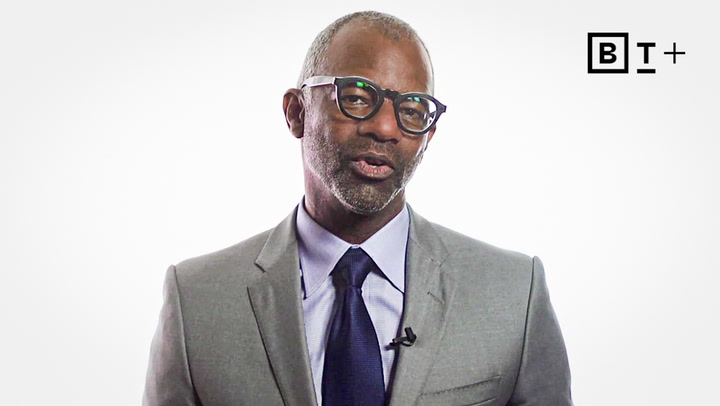
Psychologist John Amaechi emphasizes that, like Luke Skywalker, real-world success relies on building a supportive network—your own Rebel Alliance—of people who share your vision and help you stay focused and motivated through challenges.
Barbara Oakley teaches that while learning styles vary, embracing your inner imposter and adopting a beginner’s mindset can enhance your ability to learn, as humility fosters growth and deeper understanding, especially for those who learn at a slower pace.
Former astronaut Chris Hadfield emphasizes that stress often stems from a lack of readiness, advocating for proactive preparation and competence as essential strategies to effectively manage challenges and reduce anxiety.
Throughout our evolutionary history, the instinct to overreact to novelty as a potential threat has shaped our responses, leading individuals, especially those with low self-esteem, to cling to familiar unhappiness rather than embrace the discomfort of new opportunities, as discussed by Susan David in her video lesson.
While being prepared is valuable, women often fall into the trap of overthinking and waiting for the perfect moment; instead, they should embrace action, accept failure as a learning experience, and take small risks to build confidence and grow.
Claire Shipman’s research for The Confidence Code reveals that girls learn perfectionism in grade school, striving to please others, while boys are encouraged to take risks and accept failure, leading to differing adult attitudes towards risk-taking and comfort zones.
In writing The Confidence Code, Claire Shipman realized her own lack of confidence stemmed from perfectionism and risk aversion, behaviors common among women, prompting her to encourage others to recognize and overcome their self-imposed limitations in professional settings.
“Presence,” as defined by social psychologist Amy Cuddy, is the ability to express your true self under pressure, enabling peak performance by fostering self-acceptance and awareness, particularly in high-stakes situations that trigger anxiety and social judgment.
Gary Vaynerchuk emphasizes that just as ripened fruit is more enjoyable, a patient approach in business—rewarding long-term achievements and measuring metrics over months or years—can lead to better results, while fear of failure should be eradicated to foster growth.
Imposter Syndrome affects about 70% of people, but actor Jesse Eisenberg suggests overcoming it by embracing your leadership role, providing feedback, and fostering healthy collaboration, even when feeling intimidated by more experienced colleagues.
Jesse Eisenberg emphasizes the importance of self-compassion and normalizing anxiety in professional settings, advocating for reframing difficult emotions and helping others manage their feelings to foster empathy and serenity.
Actor Jesse Eisenberg argues that fear, often seen as a weakness, can be a motivating superpower for high achievers, encouraging acceptance of discomfort and the establishment of boundaries to prevent overwhelm while fostering personal growth.
In this video lesson, actor and director Jesse Eisenberg offers strategies to positively channel common work-related anxieties, establish effective boundaries, and foster collaborative environments that leverage individual strengths.
In this lesson, Tony Coles emphasizes the importance of self-knowledge for decision-making by sharing strategies to align with your moral compass, learn from failures, and courageously uphold your beliefs in challenging situations.
To manage pre-presentation stress, embrace performance anxiety as a positive force by saying “I’m excited!” and channel it through energetic music or quick exercises to boost adrenaline and enhance your performance.
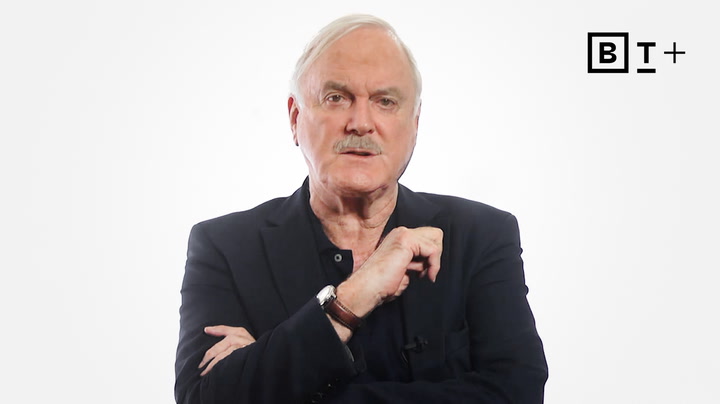
Performance anxiety is common, but John Cleese emphasizes that over-rehearsing and committing lines and movements to muscle memory can alleviate fear, allowing performers to be more present, while relaxation techniques like mindfulness can further reduce anxiety.
Debbie Millman emphasizes that courage is essential for building confidence and resilience, arguing that true bravery lies in overcoming fear and taking risks, as regret from inaction is far more detrimental than the potential for failure.