 Learning & Development
Develop leaders in your organization with Big Think+ classes
Learning & Development
Develop leaders in your organization with Big Think+ classes
 Custom Content
Create premium thought leadership and storytelling with Big Think Creative
Custom Content
Create premium thought leadership and storytelling with Big Think Creative
 Advertising Campaigns
Reach the smartest audience on the Internet with Big Think editorial integrations
Advertising Campaigns
Reach the smartest audience on the Internet with Big Think editorial integrations
 Live Events
Bring your people and ideas to life with Big Think Events
Live Events
Bring your people and ideas to life with Big Think Events
This content is locked. Please login or become a member.
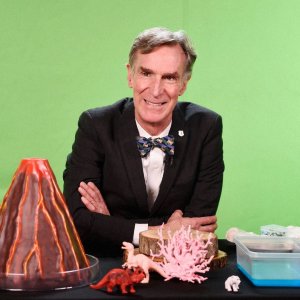


No overview available for this video.
Bill Nye: When Sputnik went off, October 4, 1957—this was after World War II which had been resolved but there were still some issues about who was going to run the world, especially Eastern Europe—people in the United States, I won’t say went crazy, but focused on developing science and engineering curricula for schools. It became a big deal. I’m there at my elementary school when a guy from NASA comes—NASA was a new thing developed shortly after that in 1958—the guy dips a cigar—back when it was politically okay to carry cigars—dips it in liquid oxygen and lights it. It burns like a road flare. It’s the coolest think I’d ever seen. I want to be an engineer! I want to work in space!
And so, we can do that kind of thing again, but it takes resources. You’ve got to decide it’s worth doing. So there are people that would, that believe when you need to make budget cuts the first thing you do is cut education. Just increase class sizes, have fewer teachers. But you can argue—I mean I’ll just point out, the heck with argue—that’s wrong. No, instead you should invest more in schools and teachers, especially science and math education. Teaching math is not expensive, it’s a value.
Directed / Produced by
Jonathan Fowler & Elizabeth Rodd