science
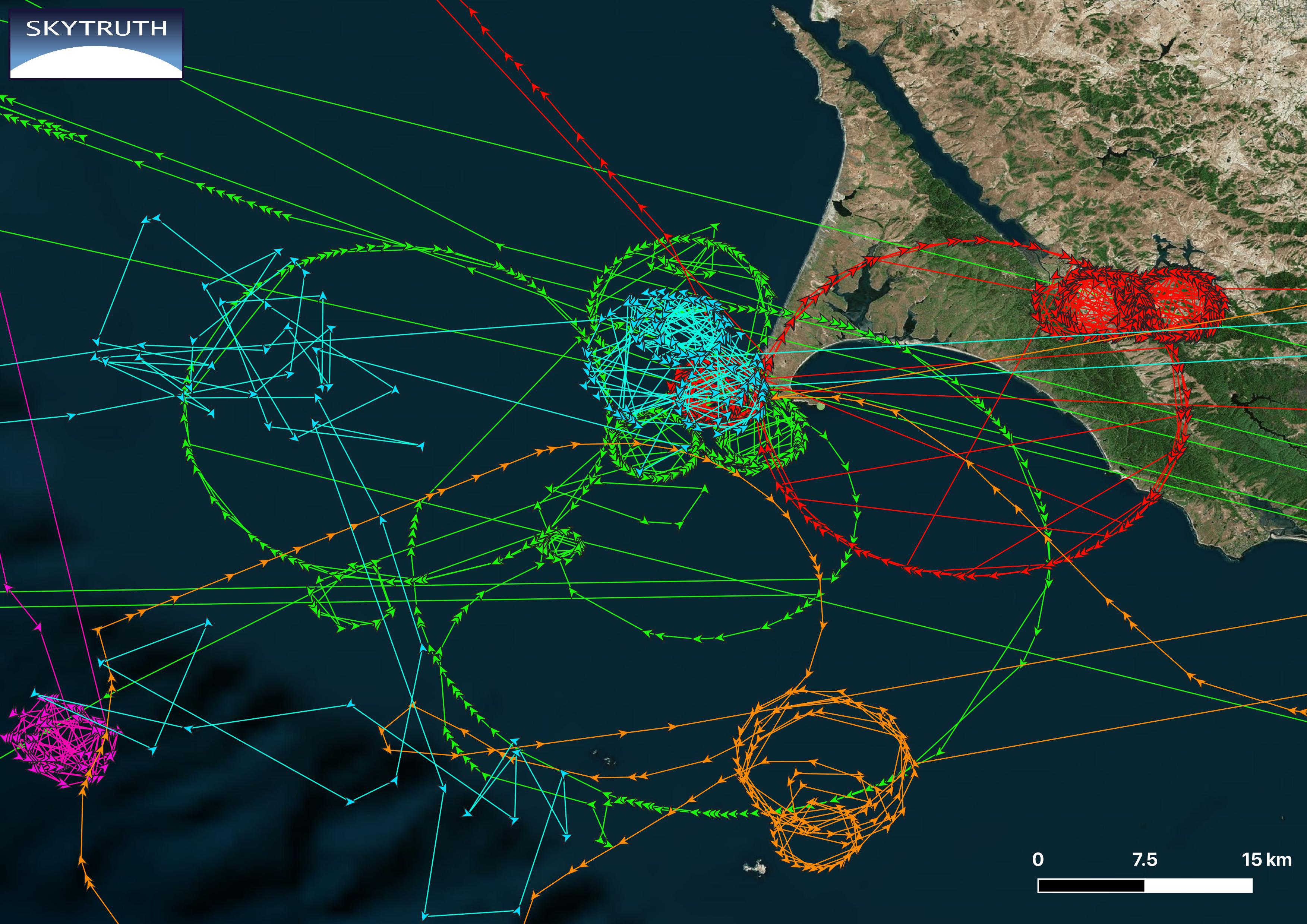
Circle spoofing is an advanced form of GPS manipulation – but nobody knows exactly how, or why.
Here’s what Einstein meant when he spoke of cosmic dice and the “secrets of the Ancient One”.
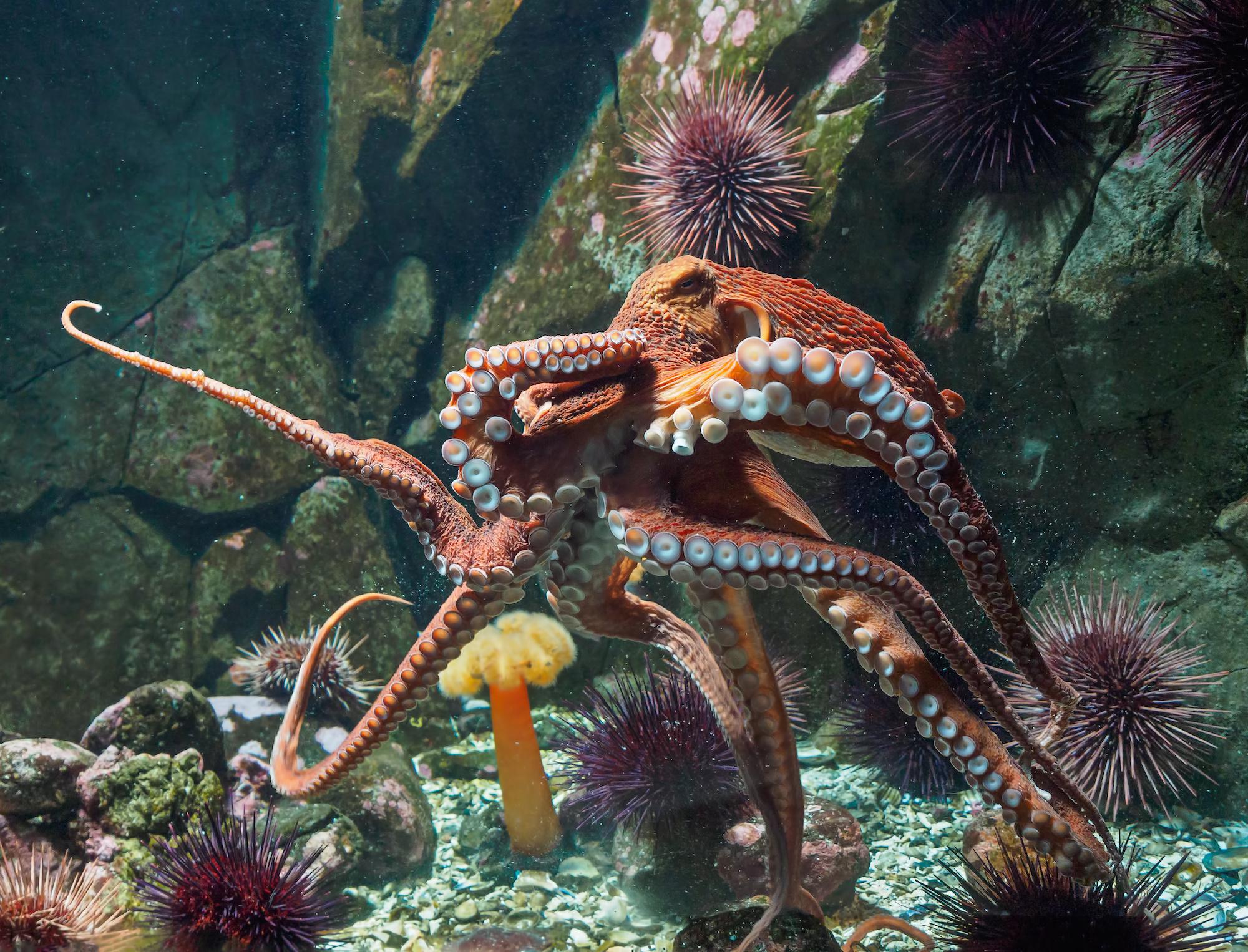
“Don’t tread on me” is a slogan of the deep sea, too.
NASA astronomer Michelle Thaller is coming back to Big Think’s studio soon to answer YOUR questions! Here’s all you need to know to submit your science-related inquiries.
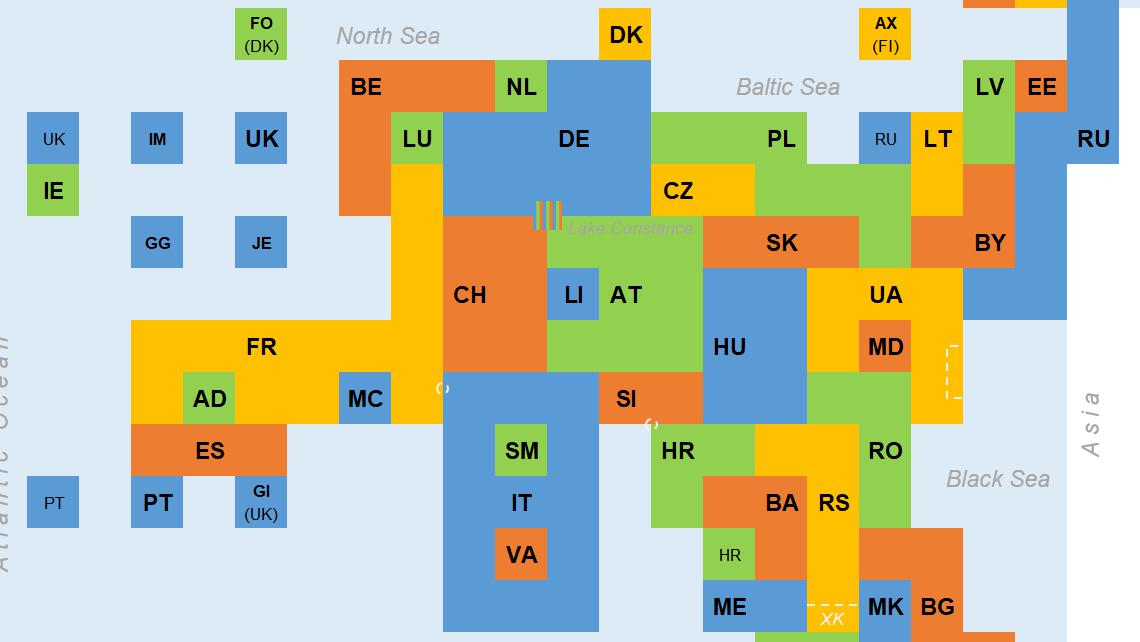
Topologists can’t tell donuts from coffee mugs, but their maps are revelatory nonetheless.

Cotton mask fibers prove 33 percent more effective at blocking viruses in trials.
How long should one wait until an idea like string theory, seductive as it may be, is deemed unrealistic?
“The Expanse” is the best vision I’ve ever seen of a space-faring future that may be just a few generations away.

These DIY learning kits focus on topics like coding, robotics, and AI, and are on sale for as low as $41.99.
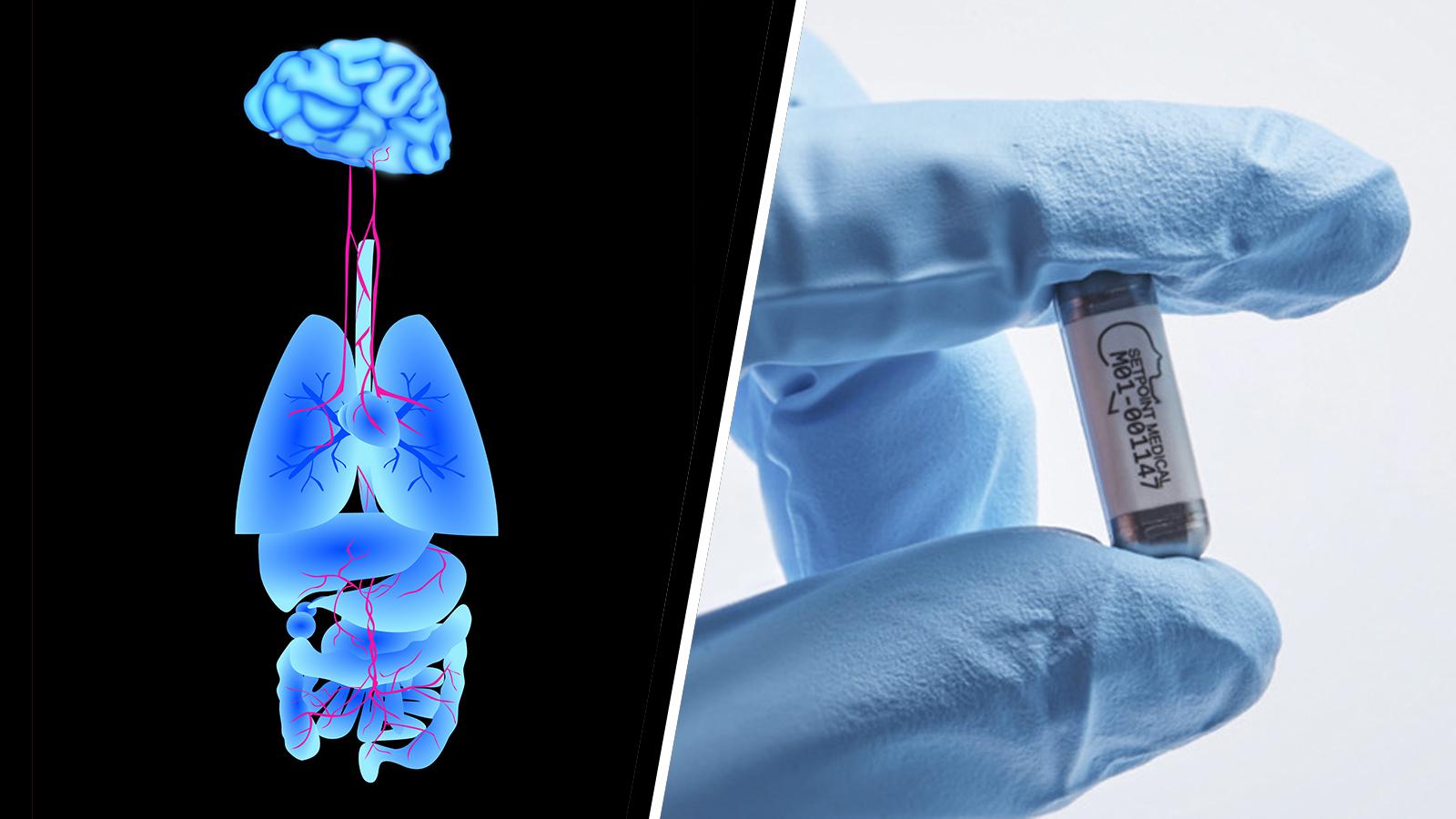
Scientists are using bioelectronic medicine to treat inflammatory diseases, an approach that capitalizes on the ancient “hardwiring” of the nervous system.
Surprising as it may seem, we are all very good at denial. Negation, however, is a different phenomena.

A warming Arctic Circle could be responsible for bursts of cold weather in the south.
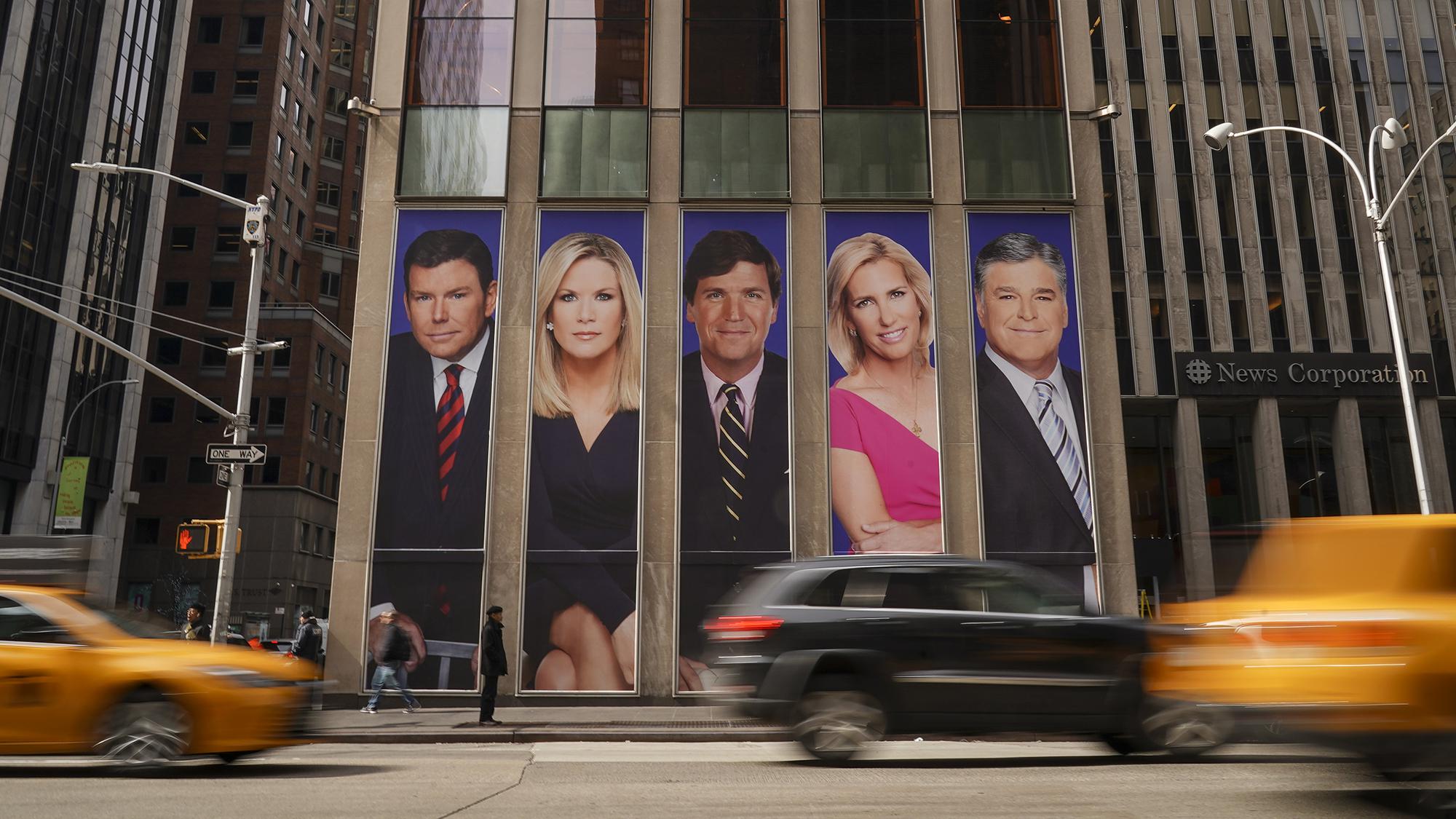
The opening lines of Smartmatic’s $2.7 billion lawsuit against Fox News lay bare the culture of denial in the US.
Pandemics have historically given way to social revolution. What will the post-COVID revolution be?
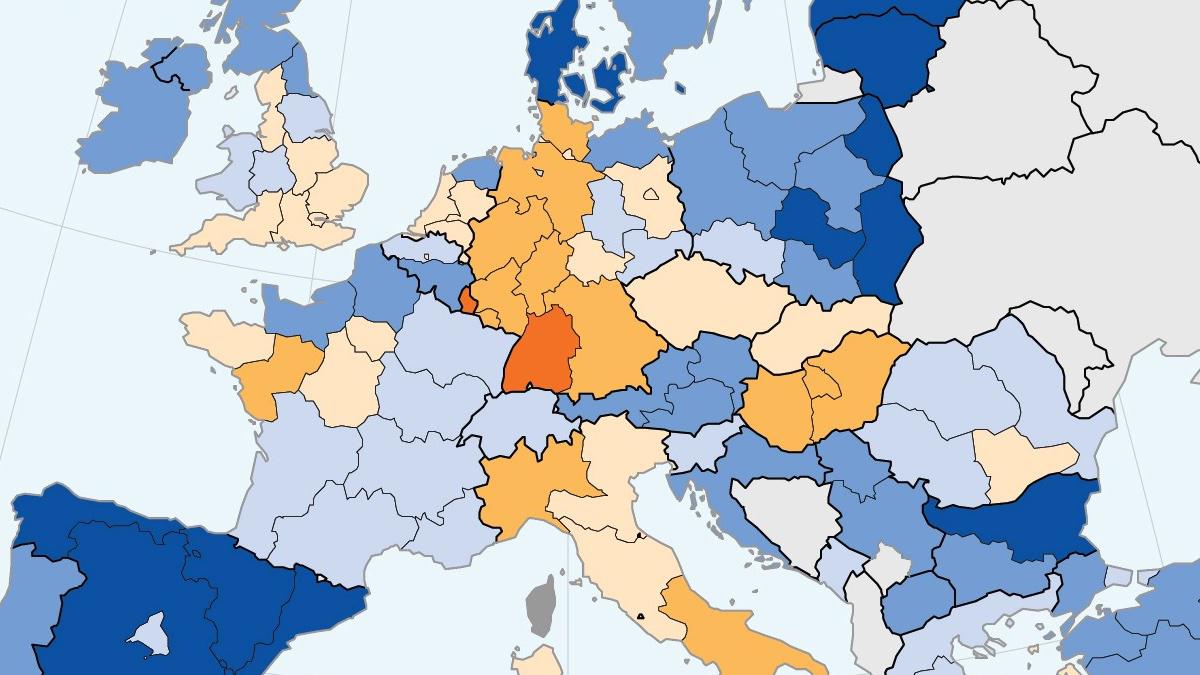
Despite overall increase over the past 20 years, share of women in science and engineering falls in some European countries

From baboon hierarchies to the mind-gut connection, the path to defeating depression starts with understanding its causes.
▸
23 min
—
with
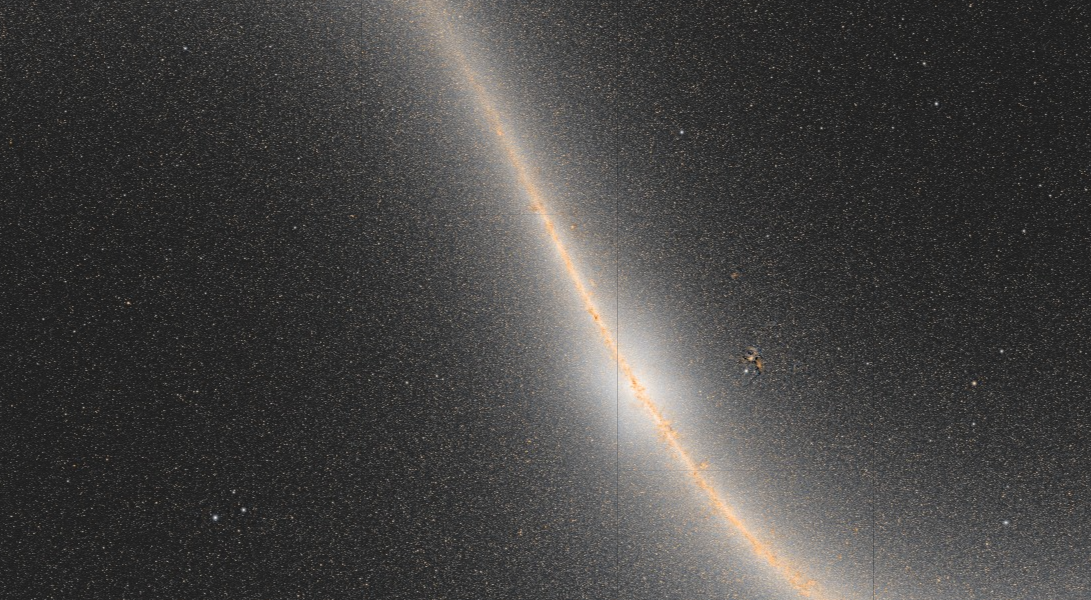
Scientists with the the Dark Energy Spectroscopic Instrument (DESI) Legacy Imaging Surveys spent six years creating a detailed map of more than 1 billion galaxies.
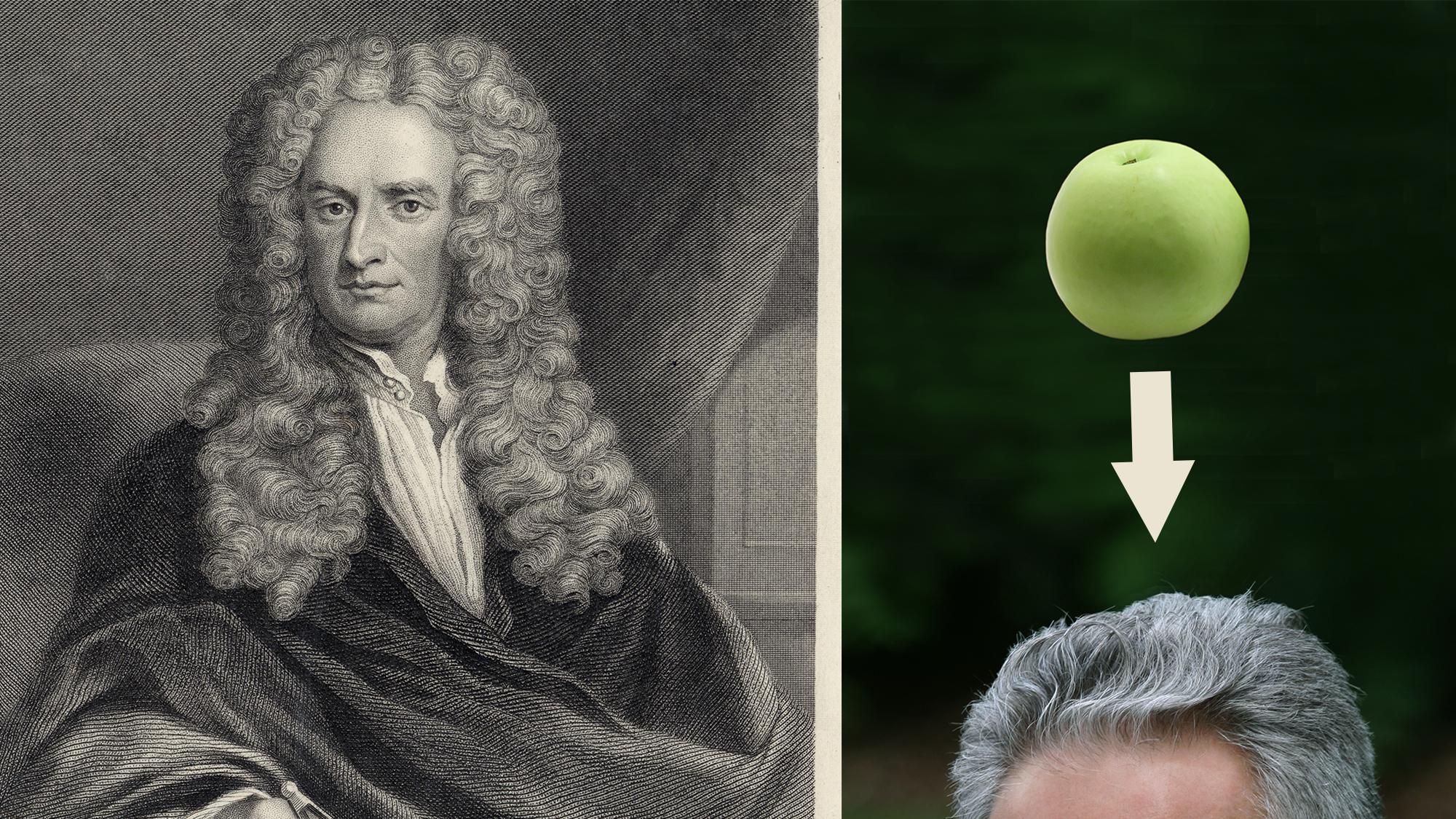
Why do we deprive students of the historical and cultural context of science?
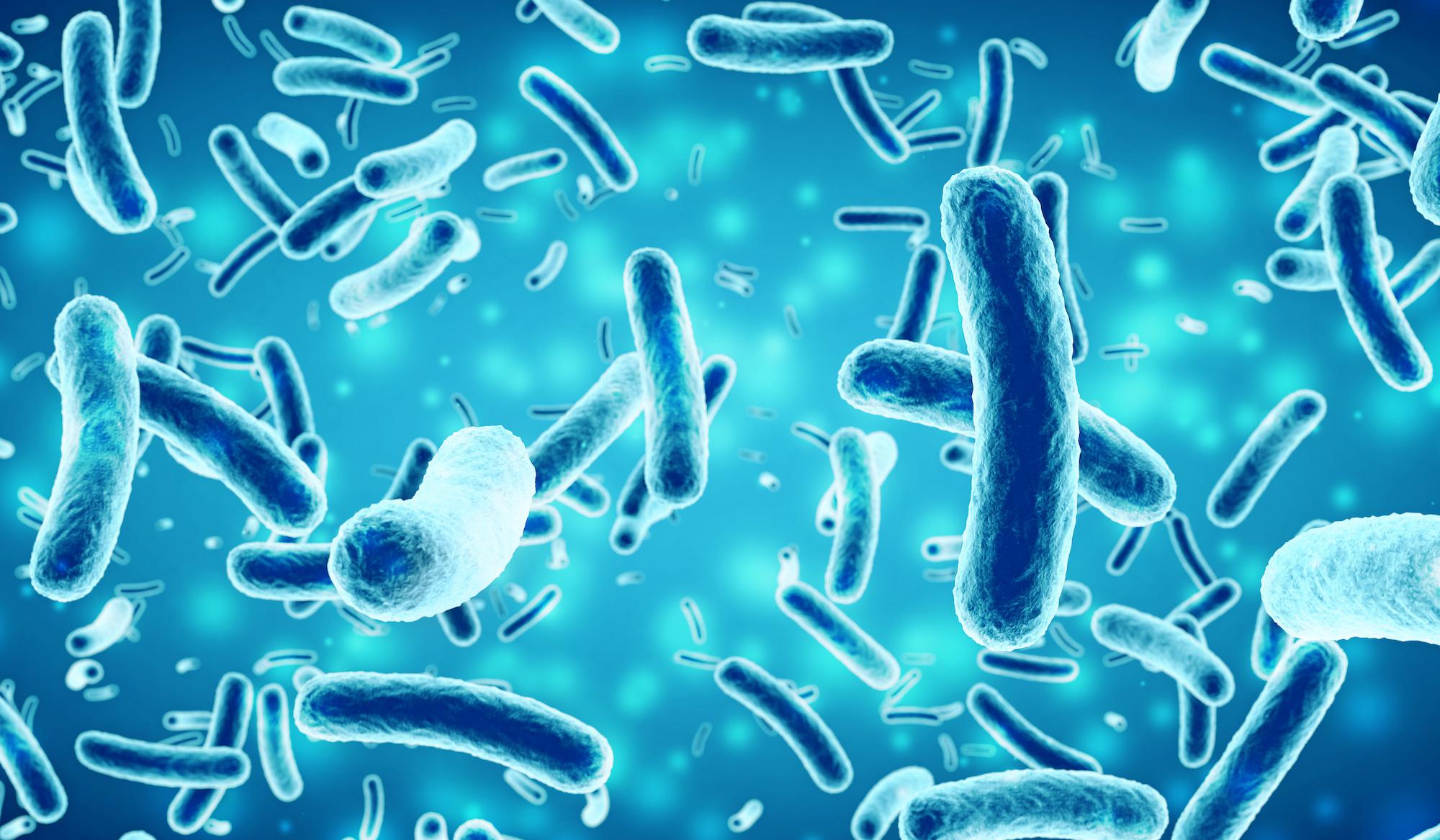
For the first time, it was discovered that nonphotosynthetic bacteria have a circadian clock.
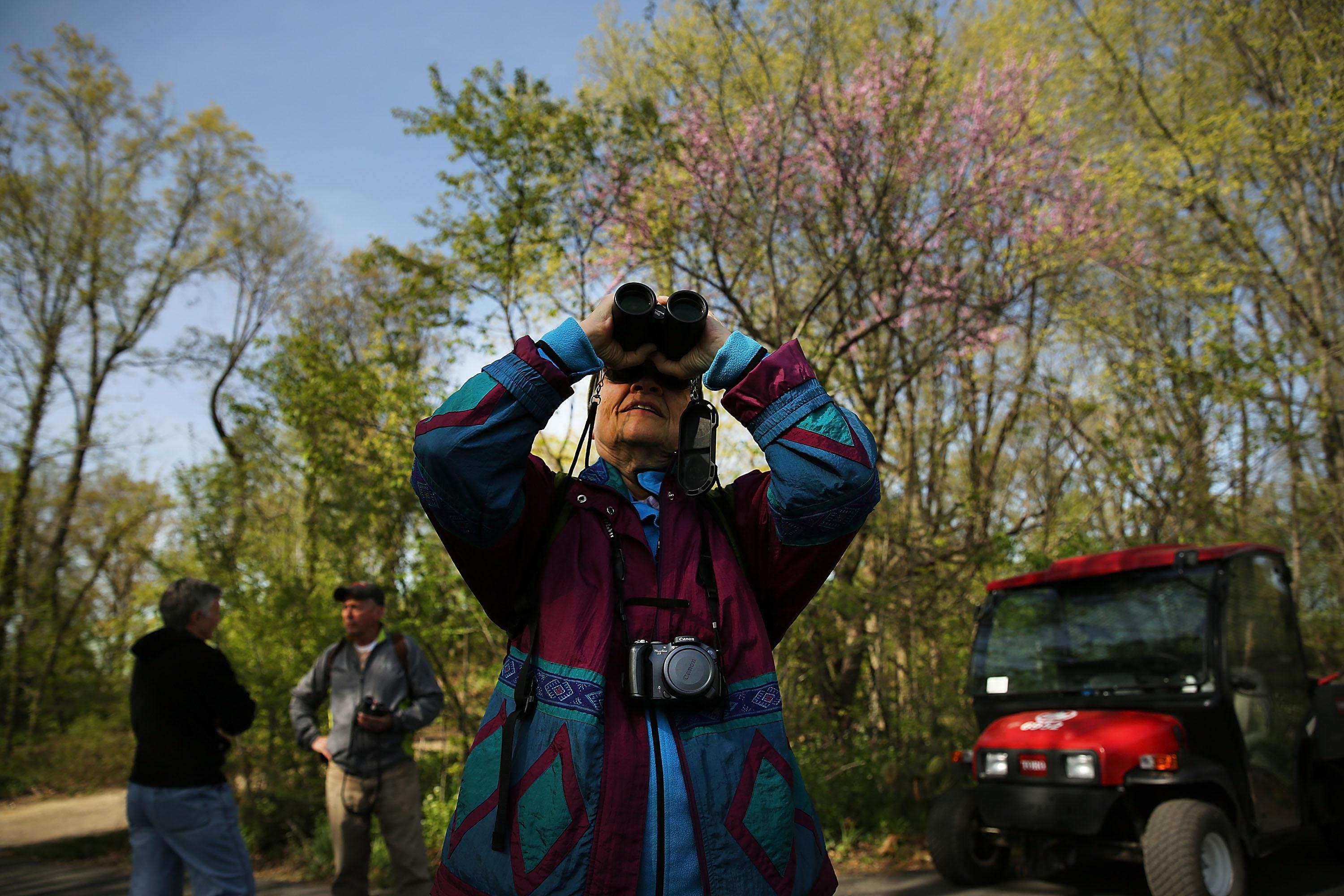
Participation in community science programs has skyrocketed during COVID-19 lockdowns.
Some mysteries take generations to unfold.
Adam Frank, a card-carrying atheist and physics professor, wonders if there might be more to life than pure science.
Science doesn’t exist in a cultural and existential vacuum and its teaching shouldn’t either.
Welcome to the 13.8 relaunch, a new Big Think column led by physicists and friends Adam Frank and Marcelo Gleiser.
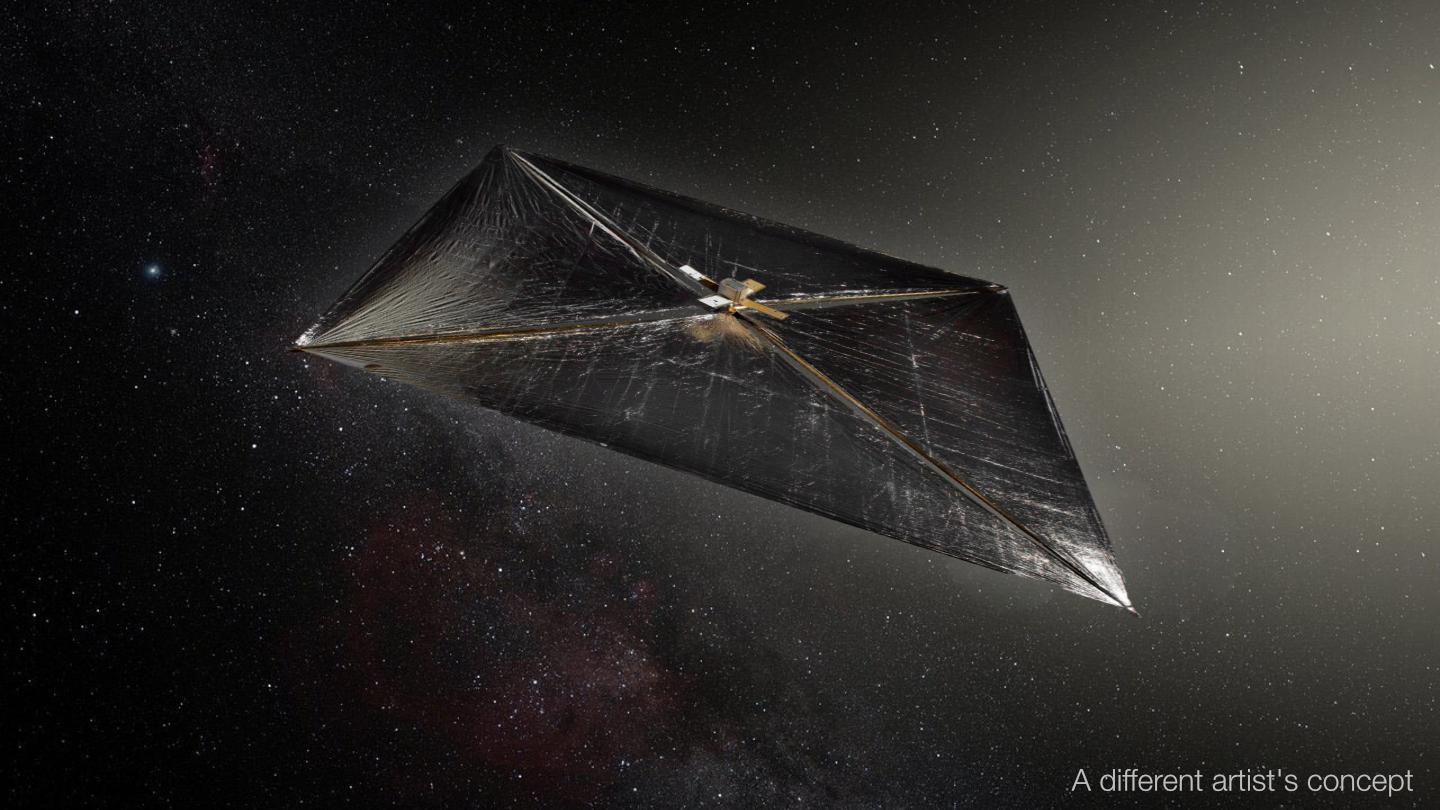
Ari Loeb, who suggested in 2018 that the mysterious object was an alien craft, is back to discuss the evidence.
In the future, you might voluntarily share your social media data with your psychiatrist to inform a more accurate diagnosis.

Northwell Health has built an elaborate data system to track and fight COVID-19. If this system goes global, it could prevent a future pandemic.
▸
3 min
—
with

Dr. Katie Mack explains what dark energy is and two ways it could one day destroy the universe.
▸
9 min
—
with
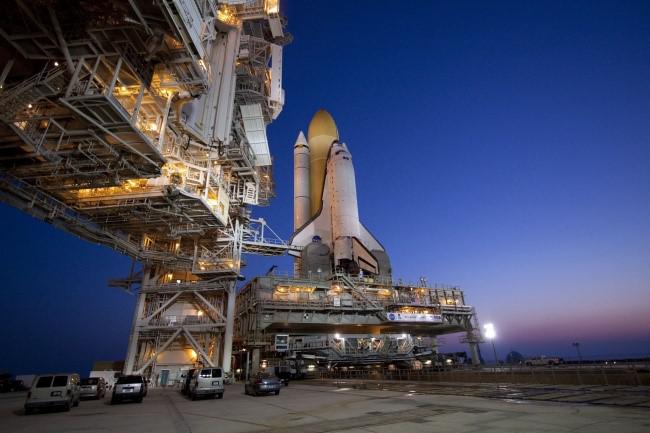
NASA is scrapping its Apollo-era launcher platform to make room for new infrastructure that will support upcoming Artemis missions.
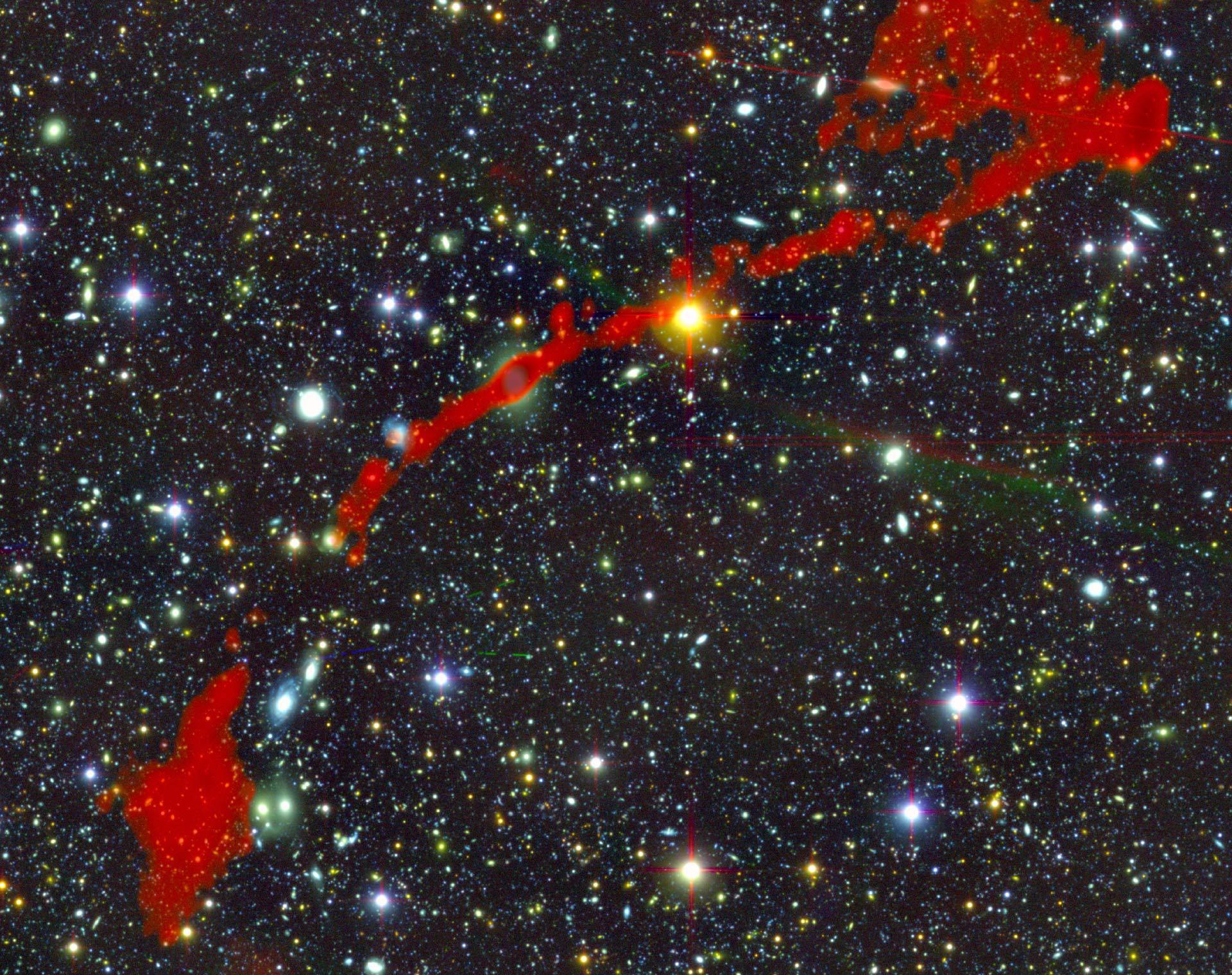
The newly discovered galaxies are 62 times bigger than the Milky Way.