In this excerpt from “Playful,” Cas Holman surveys the research that brought the neuroscience of play into the mainstream.
In this excerpt from “One Hand Clapping,” Nikolay Kukushkin makes the case that neurons reveal how memory, meaning, and even consciousness emerge from the same biological roots in humans, sea slugs, and beyond.
A preview of the latest novel by the Hugo- and Nebula-winning author.
In this excerpt from “Lucky By Design,” Judd Kessler explains how opportunity costs shape our choices and why time is the real price we pay.
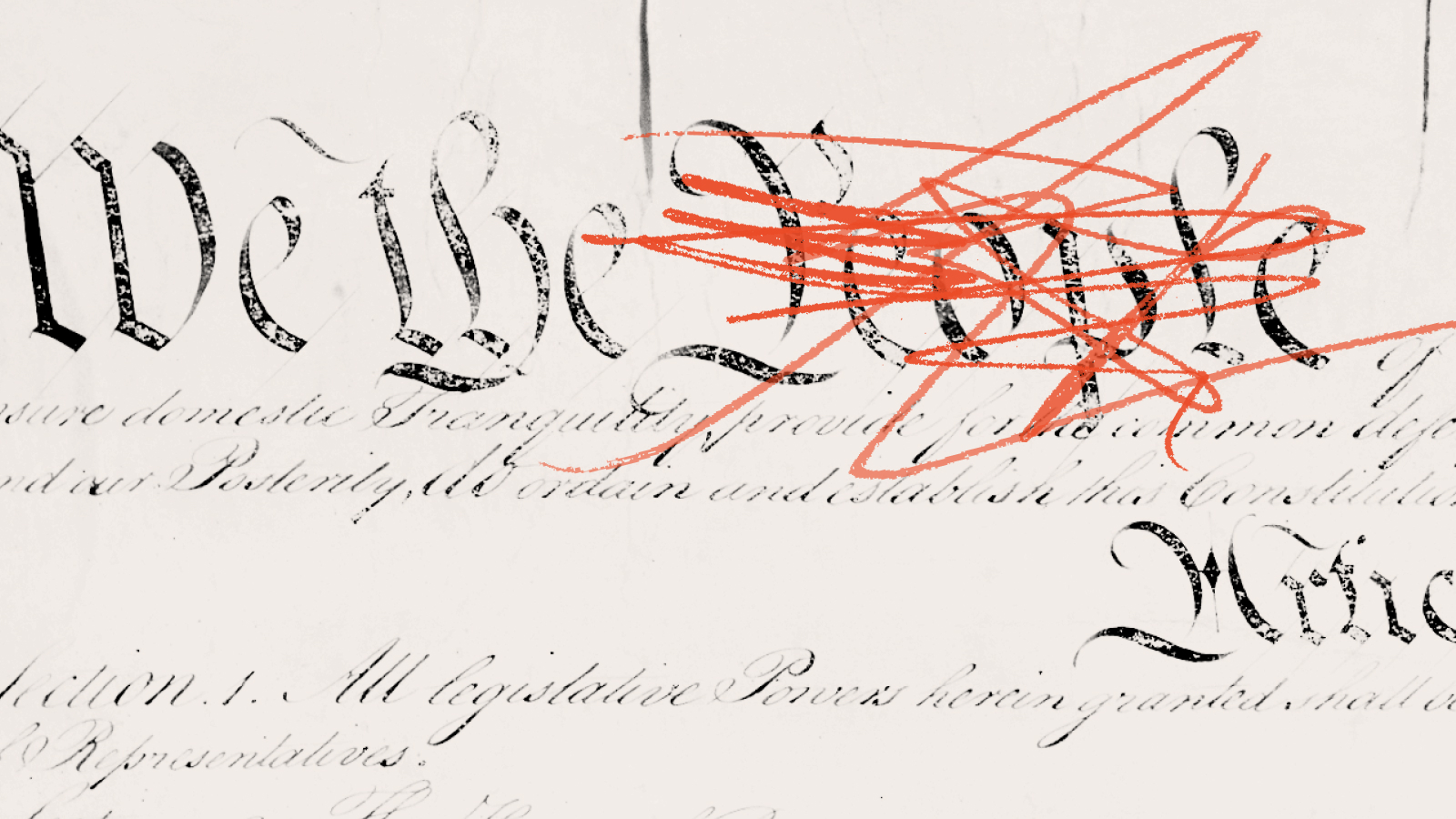
In “We the People,” Harvard historian Jill Lepore examines how the U.S. Constitution became unamendable and its implications for the health of the democracy.
In this excerpt from “The Art of Spending Money,” Morgan Housel lays out the spending and financial habits guaranteed to end in regret.
Welcome to The Nightcrawler — a weekly newsletter from Eric Markowitz covering tech, innovation, and long-term thinking.
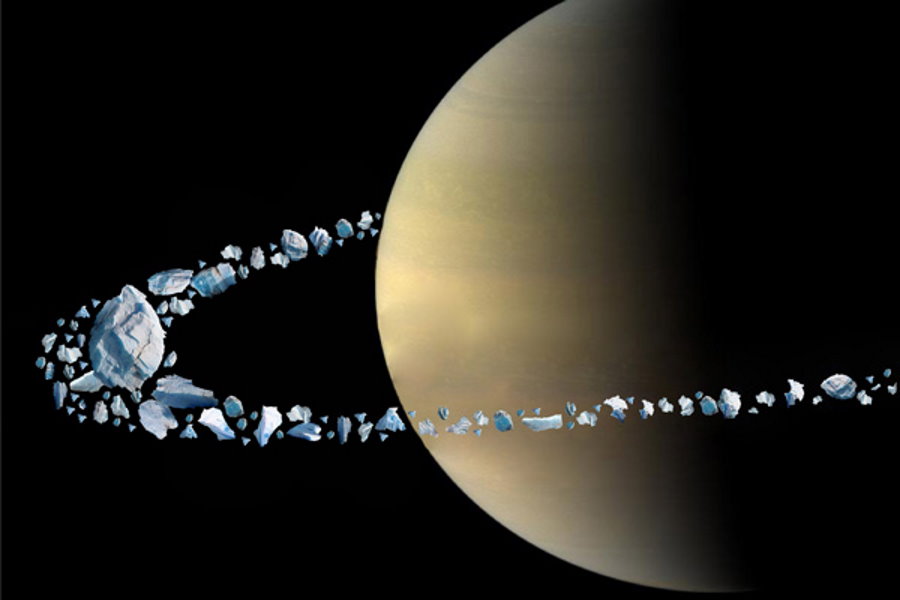
Since the time of Galileo, Saturn’s rings have remained an unexplained mystery. A new idea may have finally solved the longstanding puzzle.
If AI is modeled only on human intelligence, will it inherit only human ways of seeing the world?
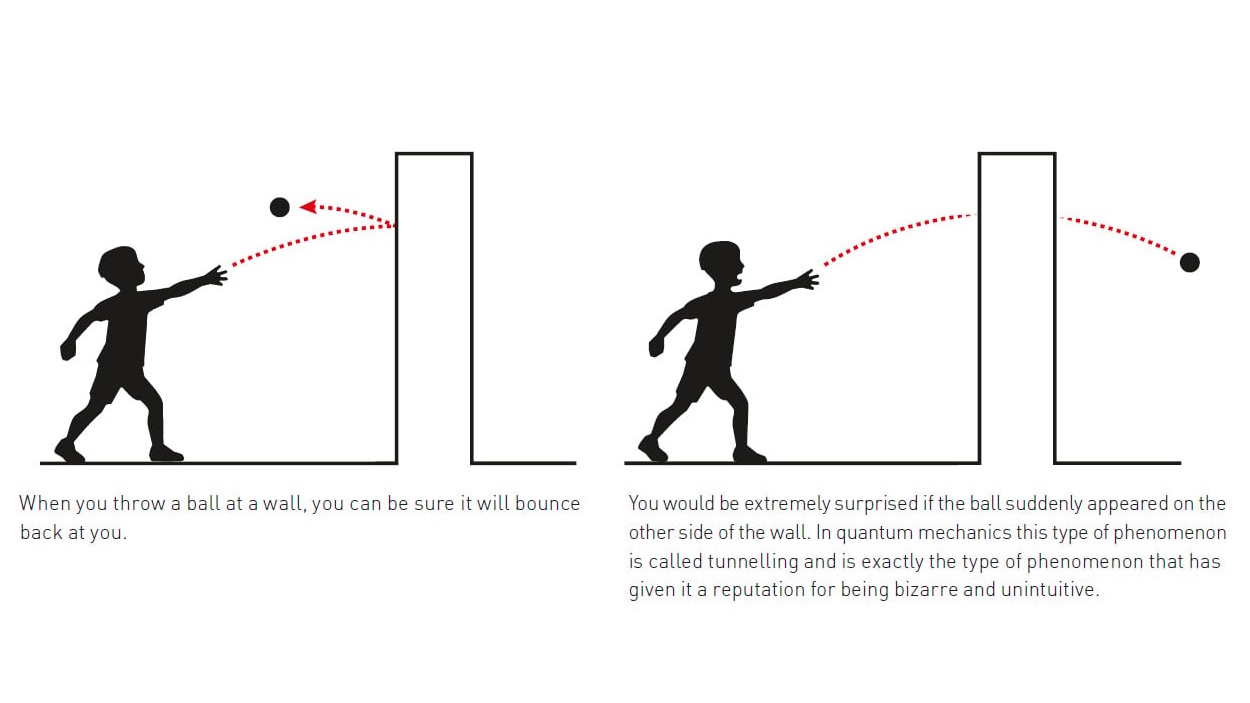
Quantum mechanics was first discovered on small, microscopic scales. 2025’s Nobel Prize brings the quantum and large-scale worlds together.
Companies are pouring resources into AI, yet capability gaps hold employees back from using it effectively.
A conversation with investor and author Alex Morris on what Warren Buffett and Charlie Munger can teach us about focus, discipline, and building a life that lasts.
In this excerpt from “Governing Babel,” John Wihbey explores how AI is reshaping online moderation by offering tools that can help human moderators, but also raises the risk of disinformation and digital chaos.
A firsthand look at China’s material progress and clean-tech revolution — and what could happen if we let an authoritarian state steer AI’s future.
Why the best CEOs make their first year both a personal transition and a profound moment of institutional renewal — with this quartet of skills.
In 2025, Earth remains the only planet where life is known to exist. Without a second example, “The Stand” has a vital lesson to teach us.
Behind the plateau in corporate AI lies a surge in personal and agentic use.
Andrew Gazdecki — the founder and CEO of Acquire.com — explores the skillsets and pitfalls of selling a business. And why it’s often crucial to start all over again.
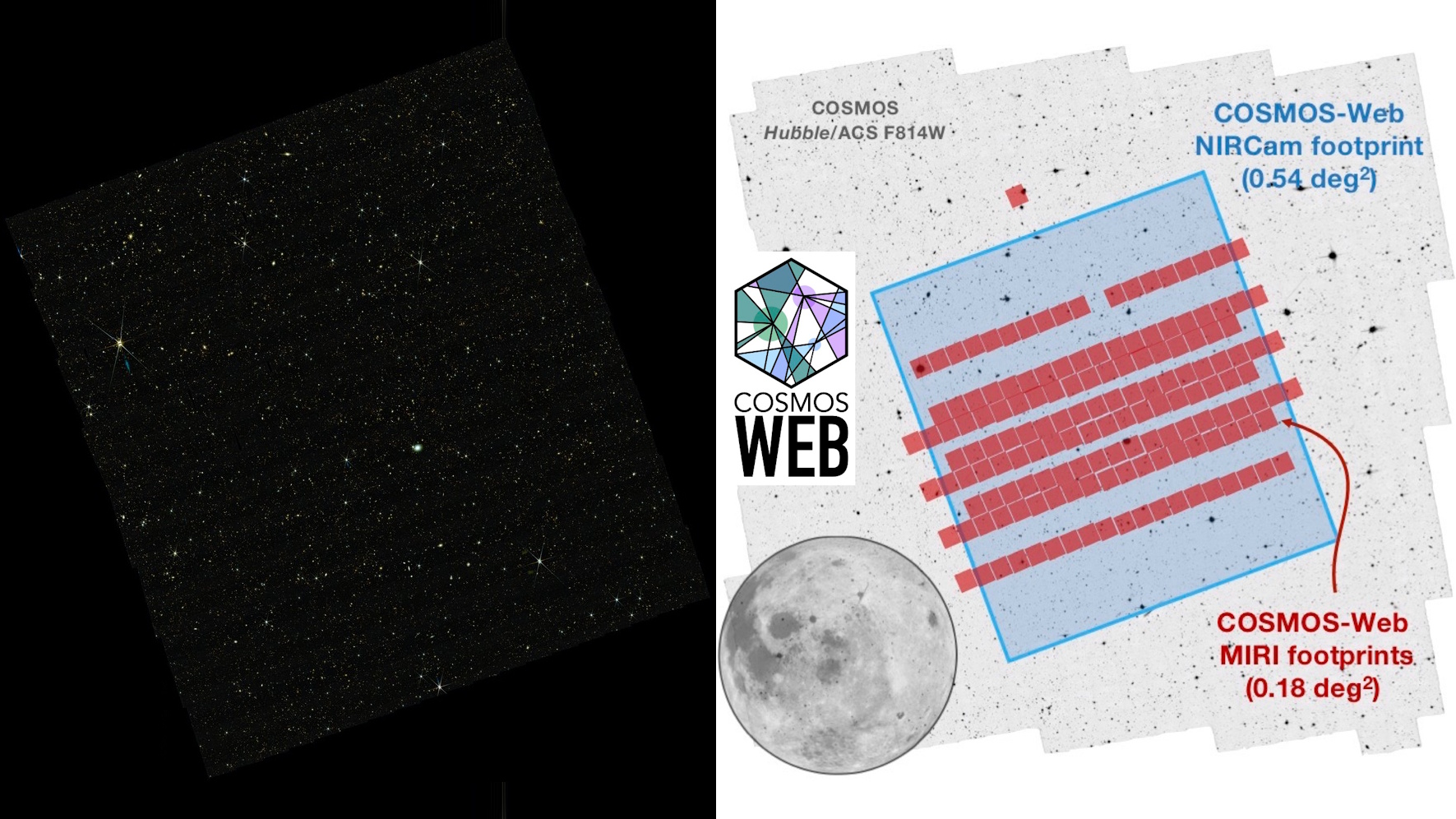
By deeply imaging a large volume of space, COSMOS-Web provides JWST’s widest cosmic views. Its gravitational lenses reveal a big surprise.
As the Universe ages, it continues to gravitate, form stars, and expand. And yet, all this will someday end. Do we finally understand how?
In this excerpt from “America’s Most Gothic,” Leanna Hieber and Andrea Janes examine the history and folklore of Maine’s vanished schooner.
Welcome to The Nightcrawler — a weekly newsletter from Eric Markowitz covering tech, innovation, and long-term thinking.
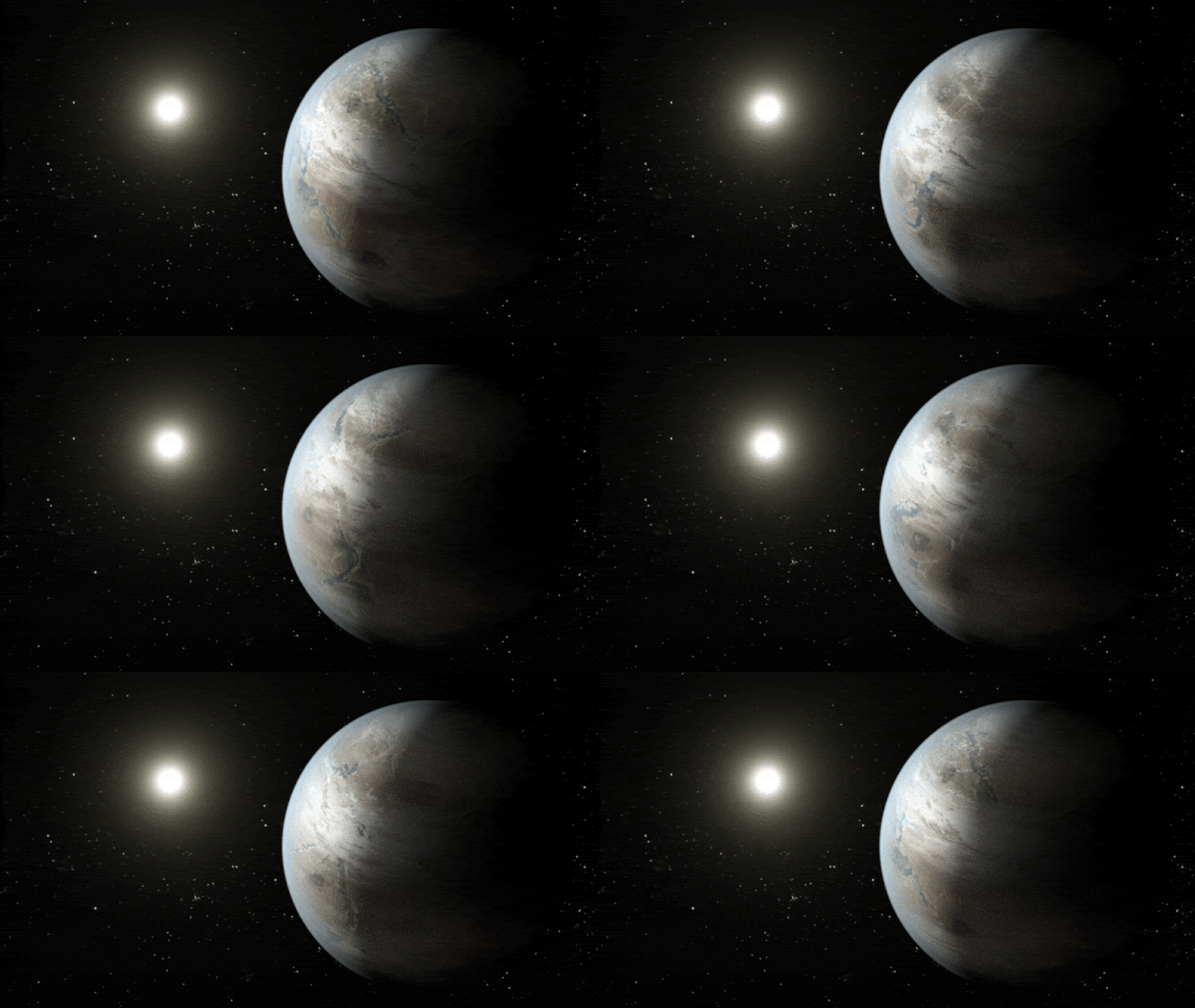
From here on Earth, looking farther away in space means looking farther back in time. So what are distant Earth-watchers seeing right now?
You may actually be on the same wavelength.
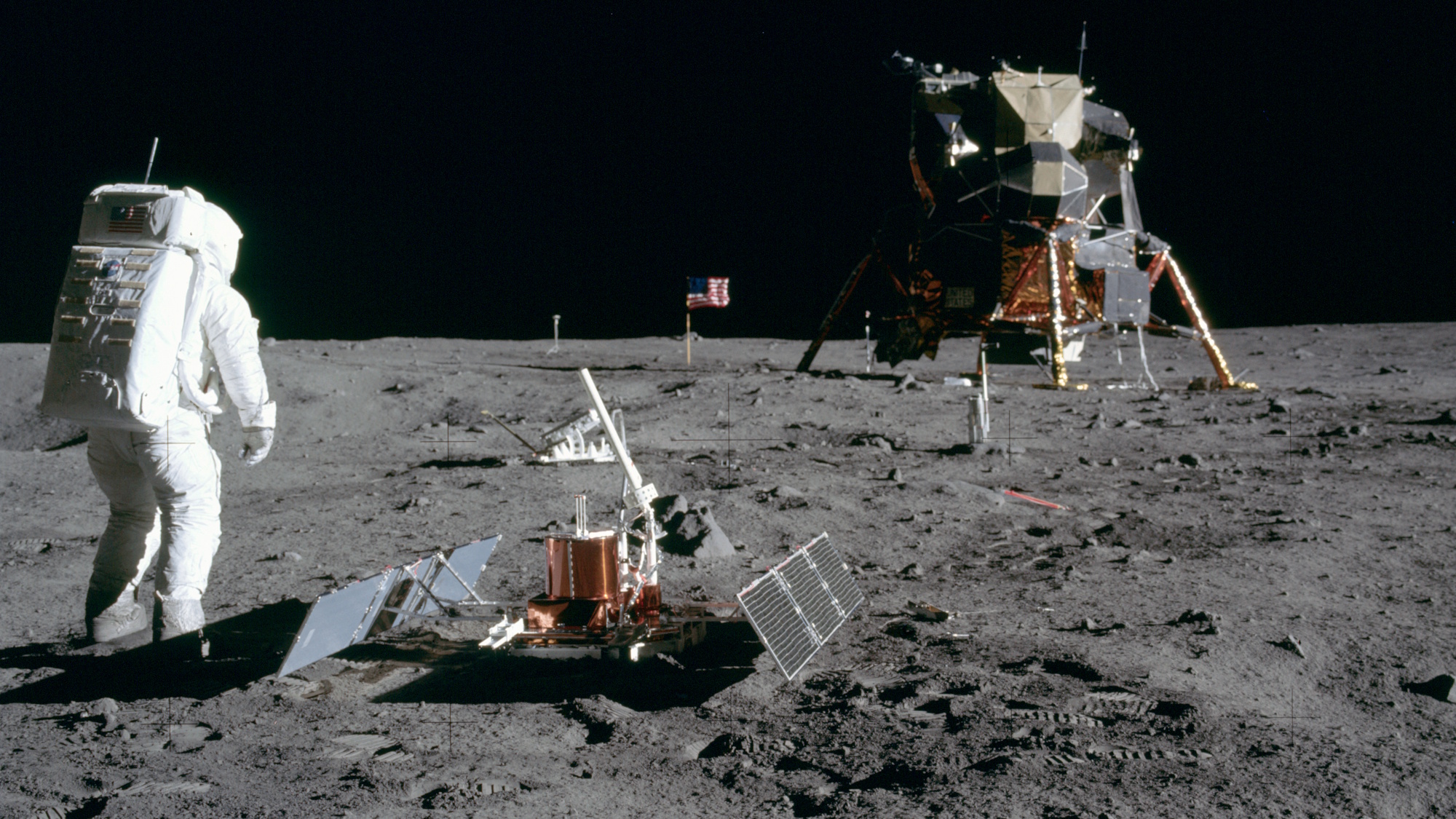
As October begins, thousands of longtime NASA employees are leaving the agency. 4000+ will exit by January 9, 2026, changing NASA forever.
Philosophers rarely change their minds. These thinkers did — often at social and professional cost.
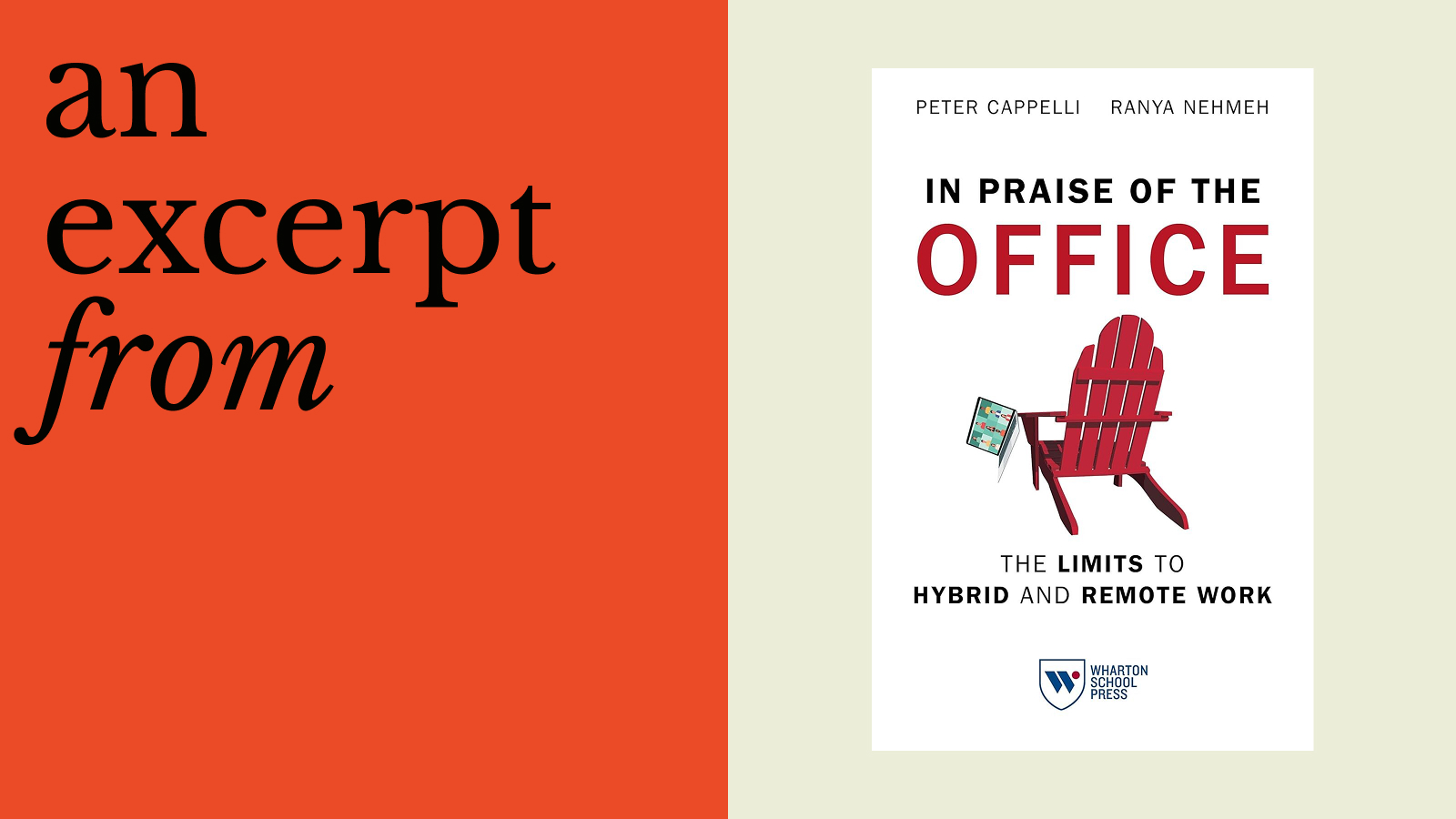
How to foster a workplace environment where employees want to be present, rather than feel forced to be there.
In this excerpt from “The Formula for Better Health,” Tom Frieden explores how Alice Hamilton transformed public health in her fight against lead poisoning.
What happens when your boss decides to weaponize positivity in the workplace?
Proposed over 2000 years ago by Democritus, the word atom literally means uncuttable. Revived in 1803, today’s “atoms” can indeed be split.