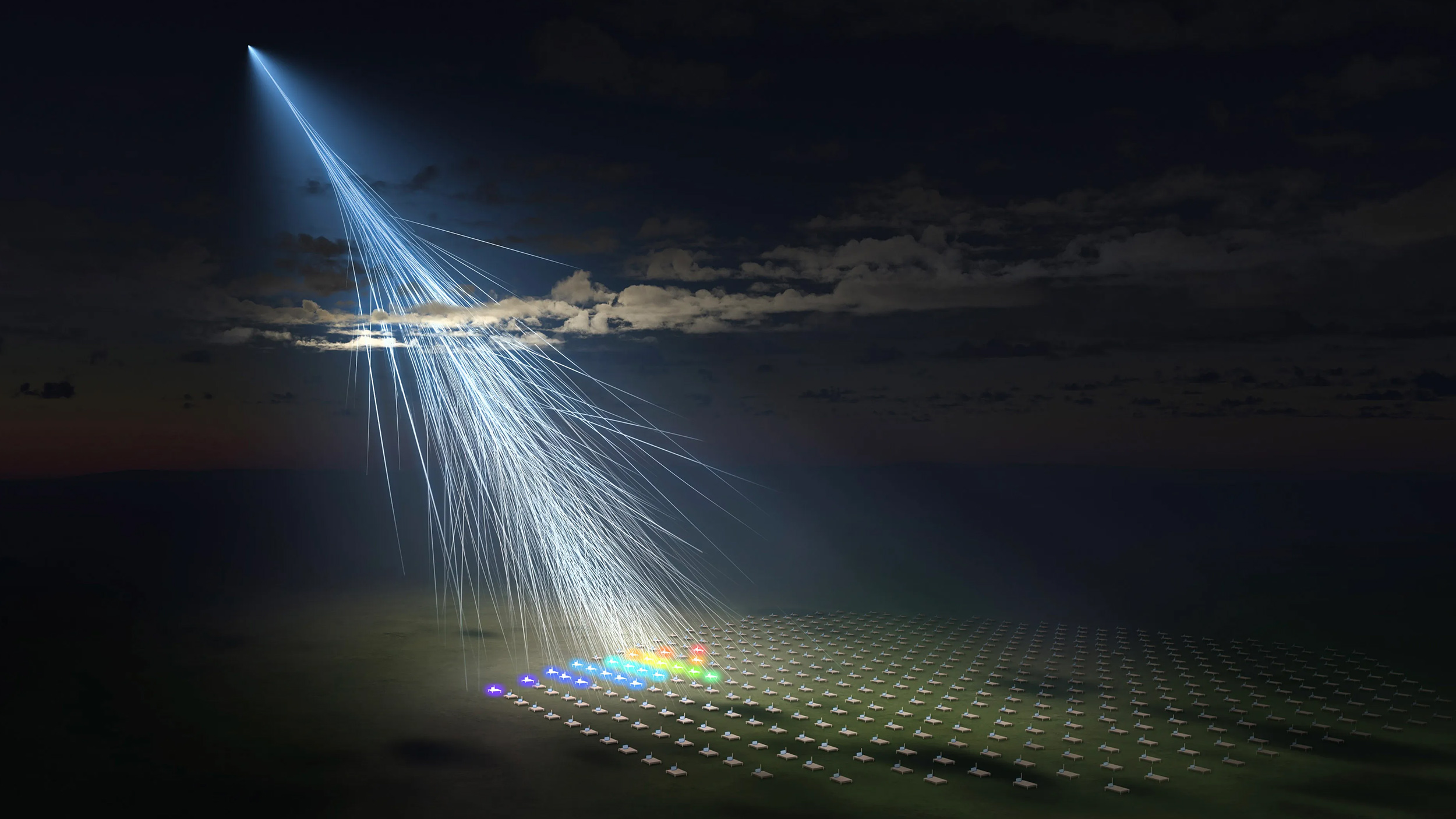
On Earth, our particle accelerators can reach tera-electron-volt (TeV) energies. Particles from space are thousands of times as energetic.
Oops! That page can’t be found.
It looks like nothing was found at this location. Maybe try a search?
Were you looking for something like this?
“We are racing towards a new era in which we outsource cognitive abilities that are central to our identity as thinking beings,” writes computer scientist Louis Rosenberg.
The veteran economist joins Big Think to unpack the new rules of social media, explain tariffs, and recount his adventures in Albania.
“You can debate all sorts of things about how the texture of American life has changed. What you can’t debate is the sheer, objective, existential fact that Americans are more alone than ever.”
▸
12 min
—
with
These microbes endured the unlivable. The NASA astrobiologist who studies them reveals what that means for us today
▸
7 min
—
with
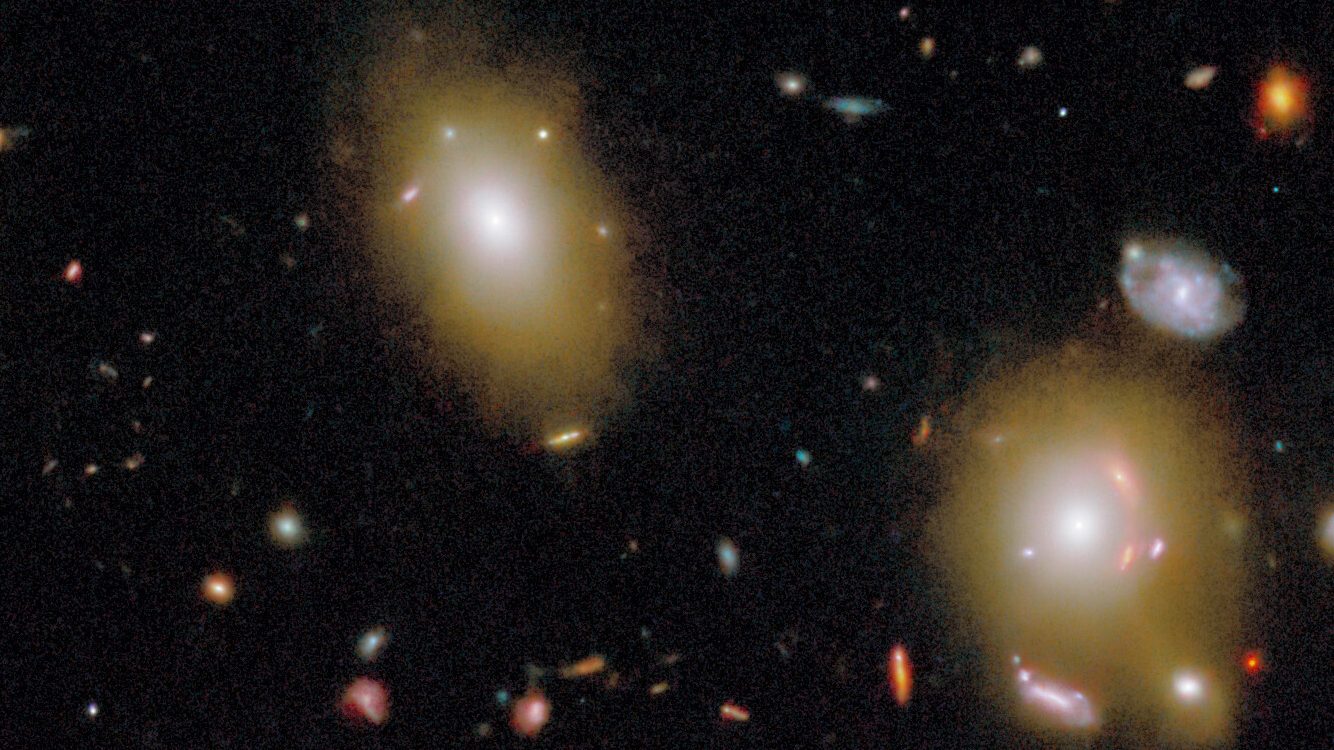
The first galaxies were irregular blobs of gas and stars. But modern features, like spiral arms and bars, appeared earlier than expected.
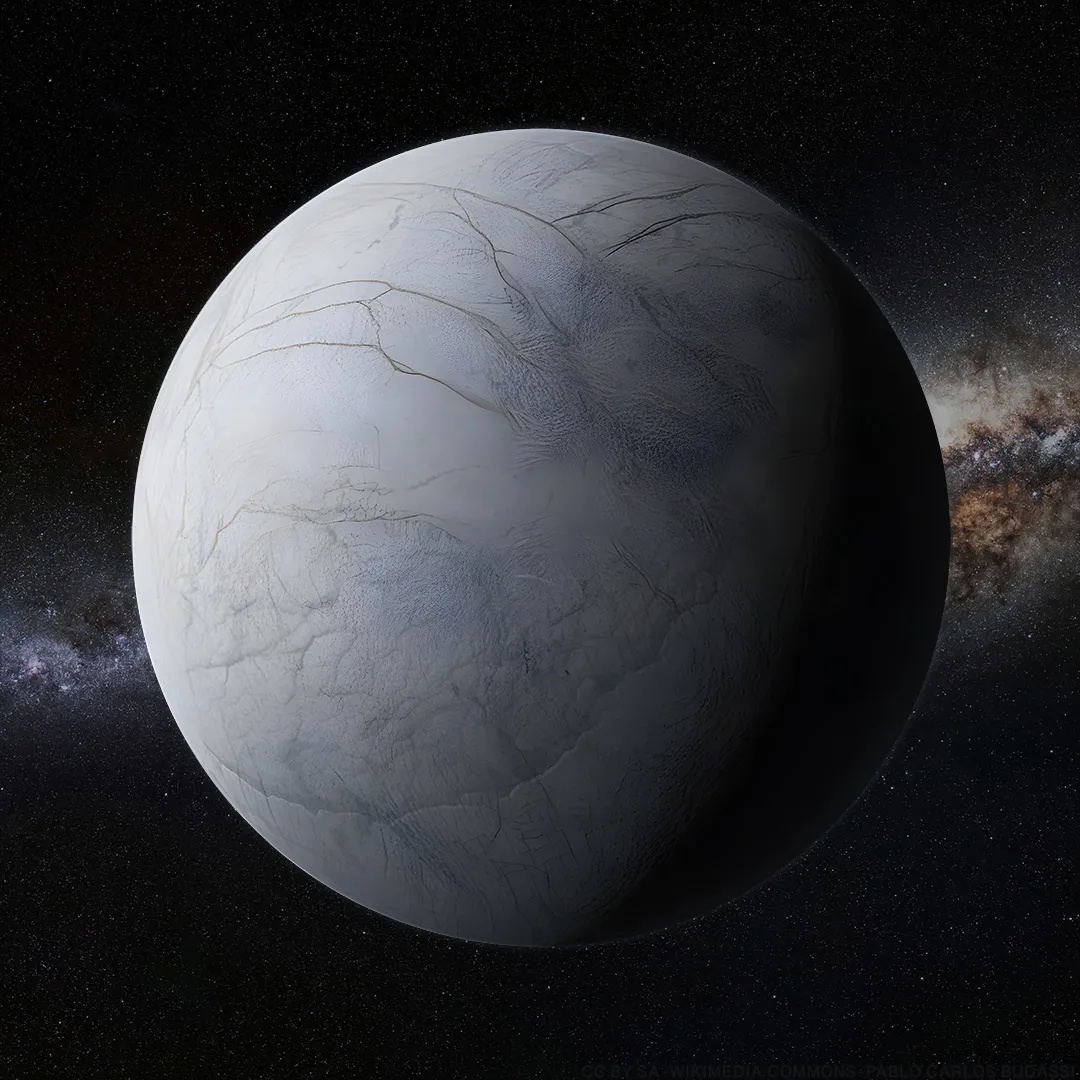
The hunt for extraterrestrial life begins with planets like Earth. But our inhabited Earth once looked very different than Earth does today.
“If we’re related to every living thing on the planet, do we not have a special responsibility for every living thing on this planet? They are really all our relatives.”
▸
44 min
—
with
If the Universe is 13.8 billion years old today, but different ages the farther we look back, what does it mean for a star to be the first?
John Green opens up about his struggle to remain hopeful while writing about suffering and injustice.
Welcome to The Nightcrawler — a weekly newsletter from Eric Markowitz covering tech, innovation, and long-term thinking.
“When you think about this interconnection of all these tiny causes and effects which add up to the way the world unfolds, it becomes impossible to imagine that we have complete control.”
▸
6 min
—
with
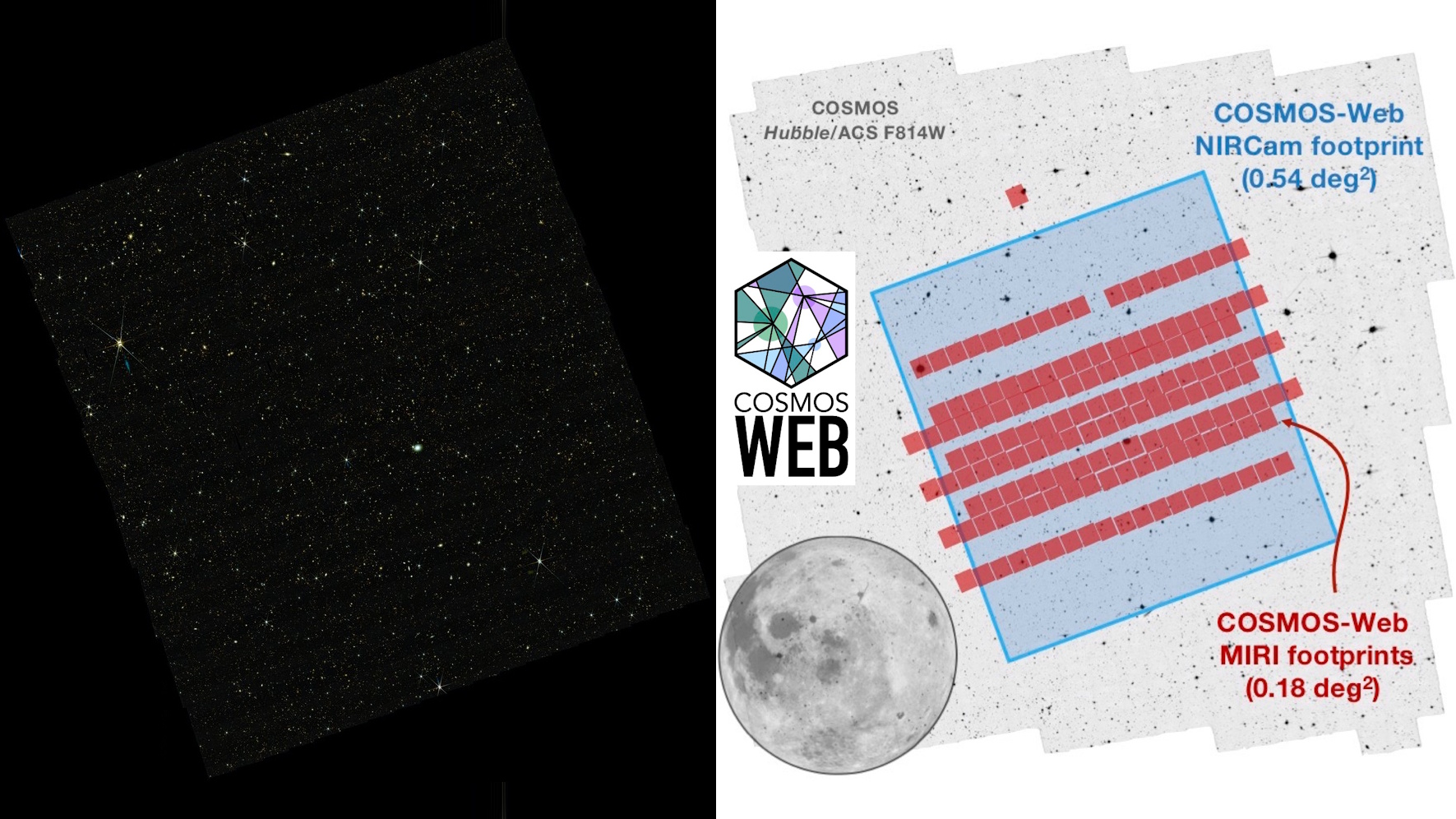
The COSMOS-Web has just finalized their release of their full field: larger and deeper than any other JWST program. Here’s what’s inside.
The child has no control at all and the adult tries to control too much. But there is a third way.
Psychiatrist Dr. Bessel van der Kolk discusses key methods for rewiring the brain, kickstarting the healing process, and opening your mind to new perspectives.
▸
7 min
—
with
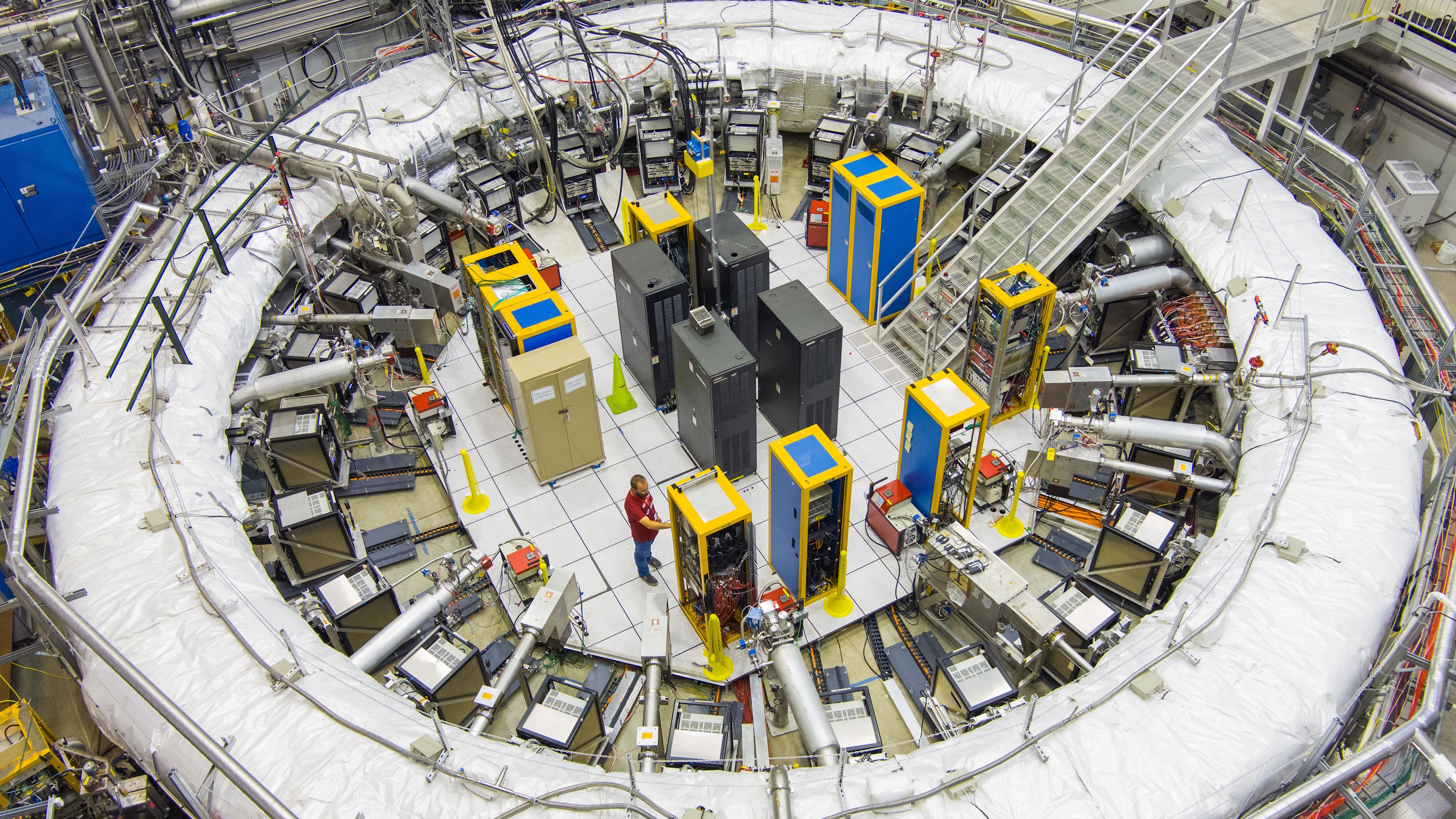
When theory and experiment disagree, it could mean new physics. This time, they solved the muon g-2 puzzle, and saved the Standard Model.
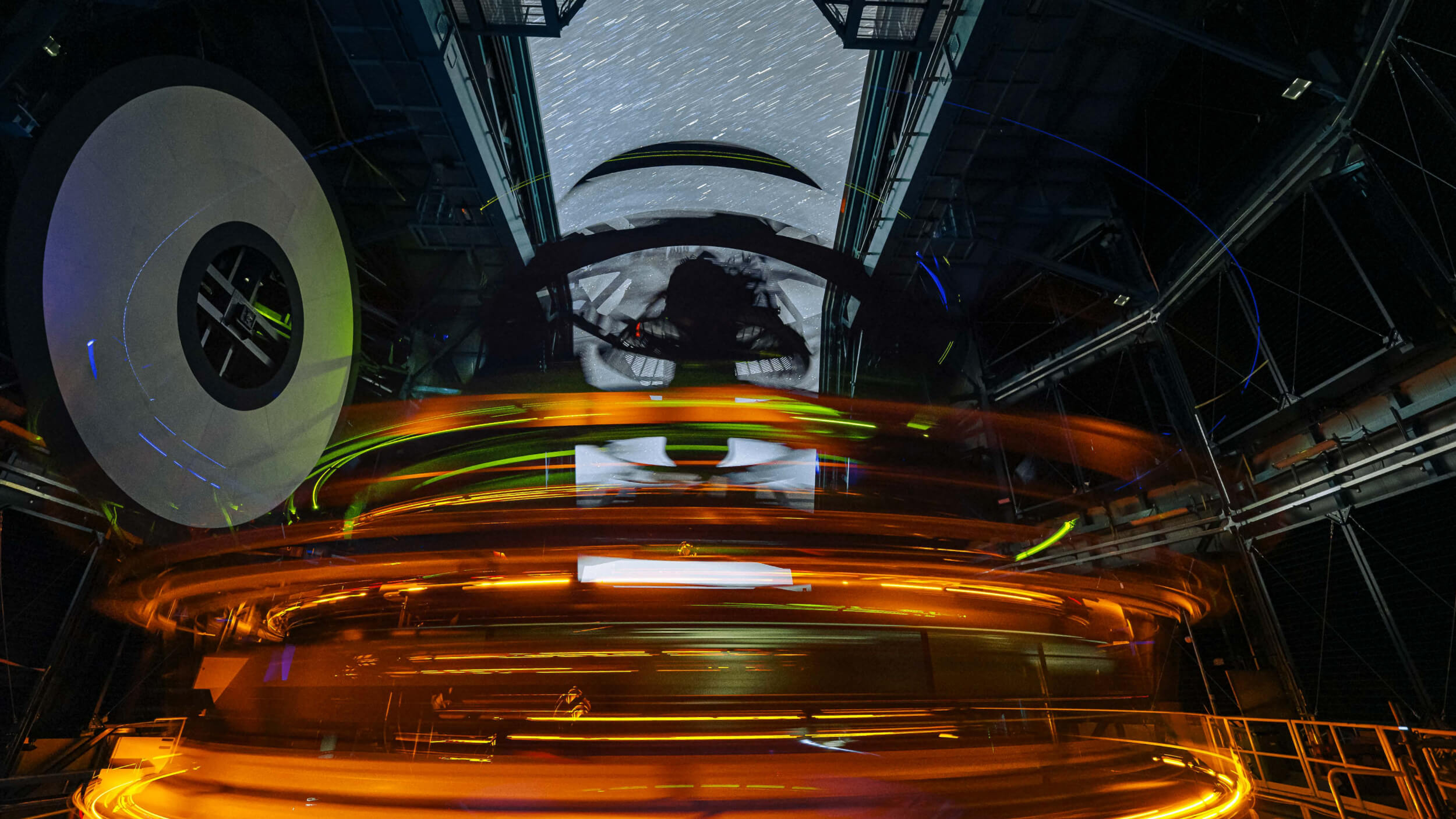
The Vera C. Rubin Observatory in Chile will image the southern sky using the largest digital camera ever built.
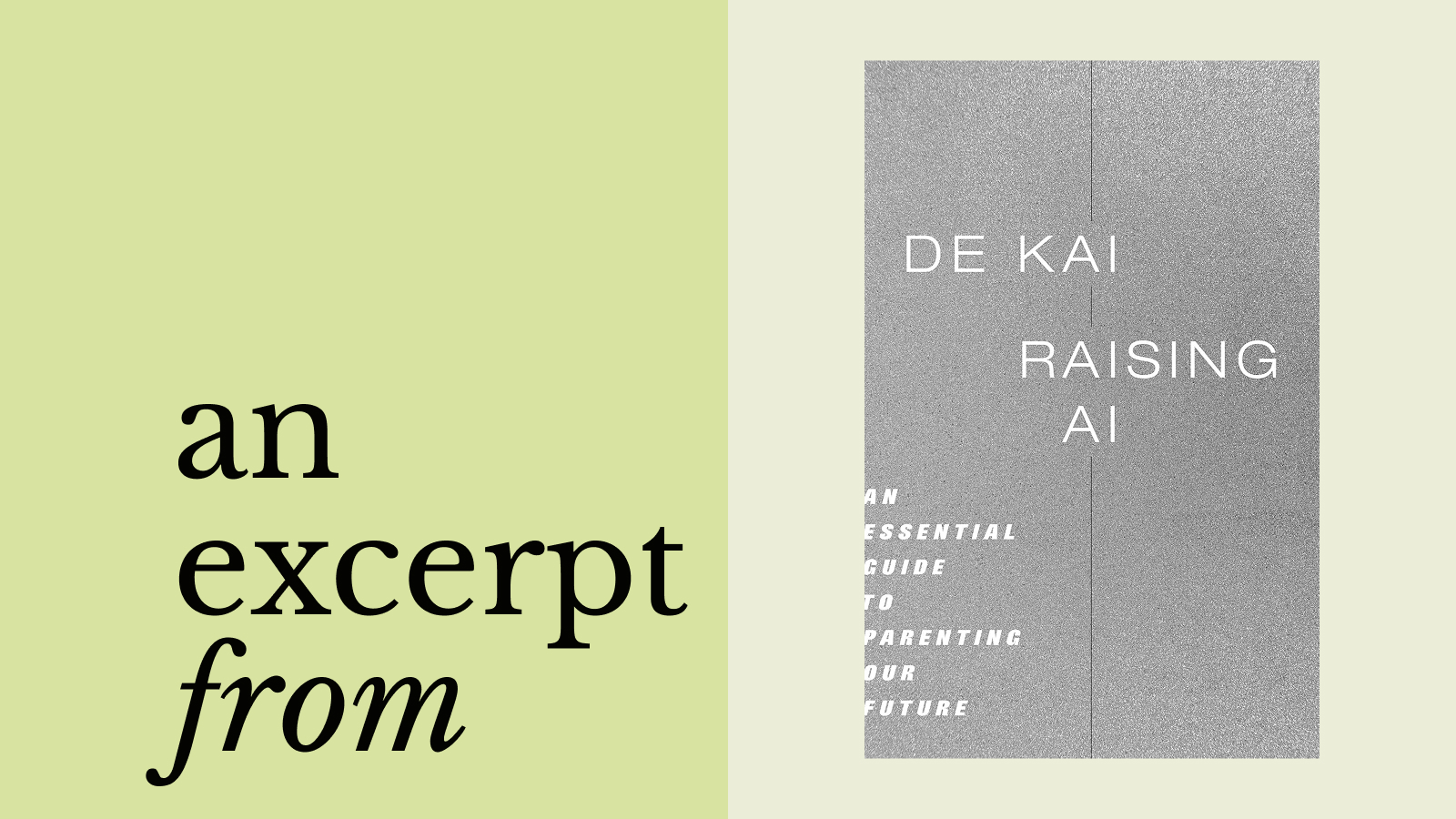
In “Raising AI,” De Kai argues that today’s AIs are already more like us than we think they are.
A reduced working week, argues Juliet Schor, is part of a sane response to the impacts of AI and robotization on human labor.
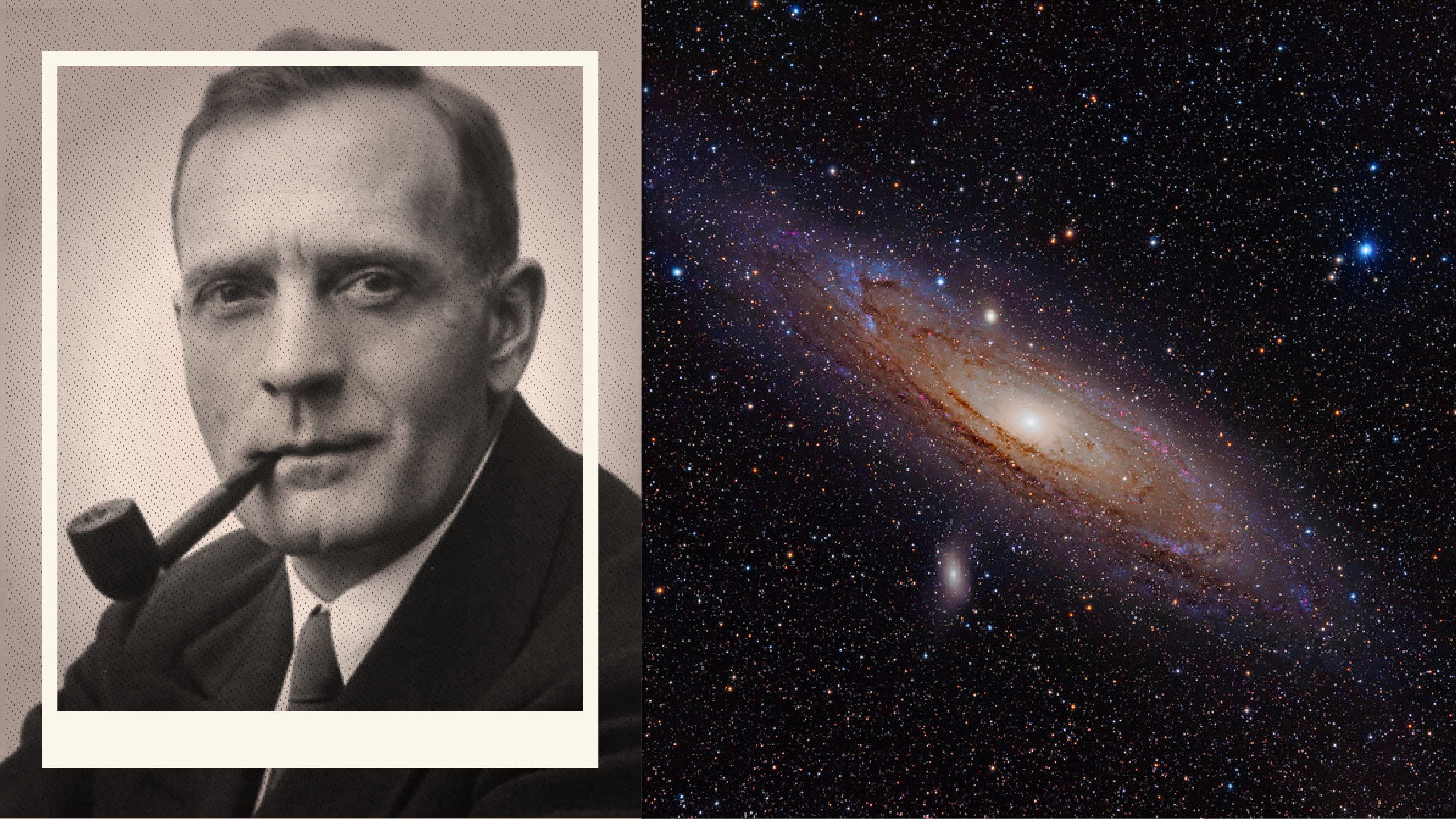
For decades, astronomers have claimed the Milky Way will merge with Andromeda in ~4 billion years. Here’s why, in 2025, that seems unlikely.
“The stars made our minds, and now our minds look back.”
The outrageously accomplished magician-inventor-author chats to Big Think about fear, multitasking, and successful work-life reinvention.
Aristotle thought that a friend you love is considered your ‘second-self’, someone whose pain feels like your own. Philosopher Meghan Sullivan asks, what happens when you extend that kind of love to strangers?
▸
7 min
—
with
As US science faces record cuts to funding, jobs, and facilities, these 10 quotes help remind us how science brings value to us all.
How we handle grief largely depends on our worldview. Here is how three famous philosophers handled the certainty of grief and despair.
From bondage to freedom: Baruch Spinoza’s guide to the rational life.
“It’s a remarkable series of events that were required for us to be here, and that so many things could have happened in a different way that we wouldn’t be here at all, both individually, and as a species.”
▸
01:11:56 min
—
with
In our Universe, dark matter outmasses normal matter by a 5-to-1 ratio, shaping the Universe as we know it. What if it simply weren’t there?
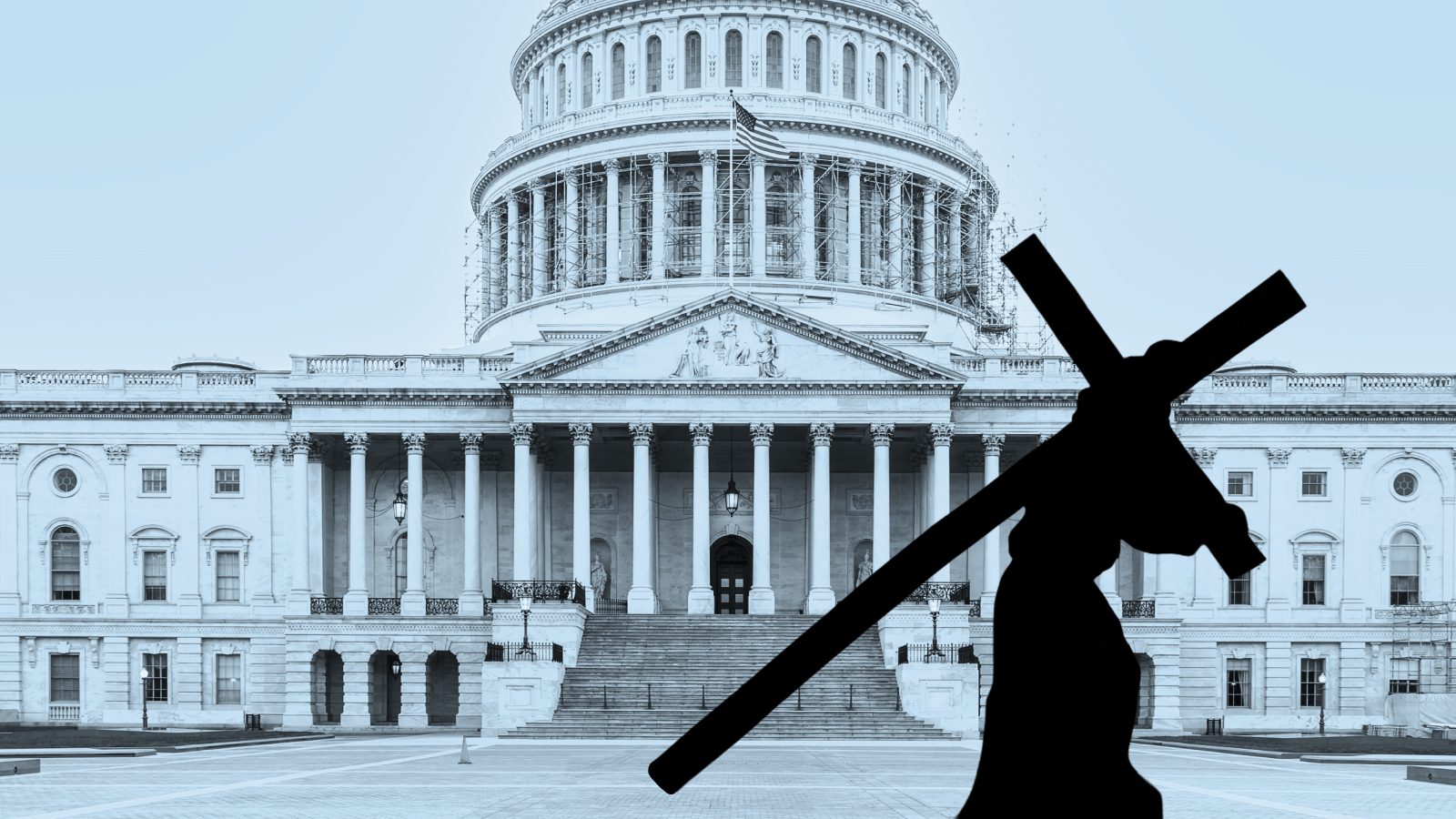
An atheist’s case for why American democracy needs a more Christlike Christianity.
Welcome to The Nightcrawler — a weekly newsletter from Eric Markowitz covering tech, innovation, and long-term thinking.