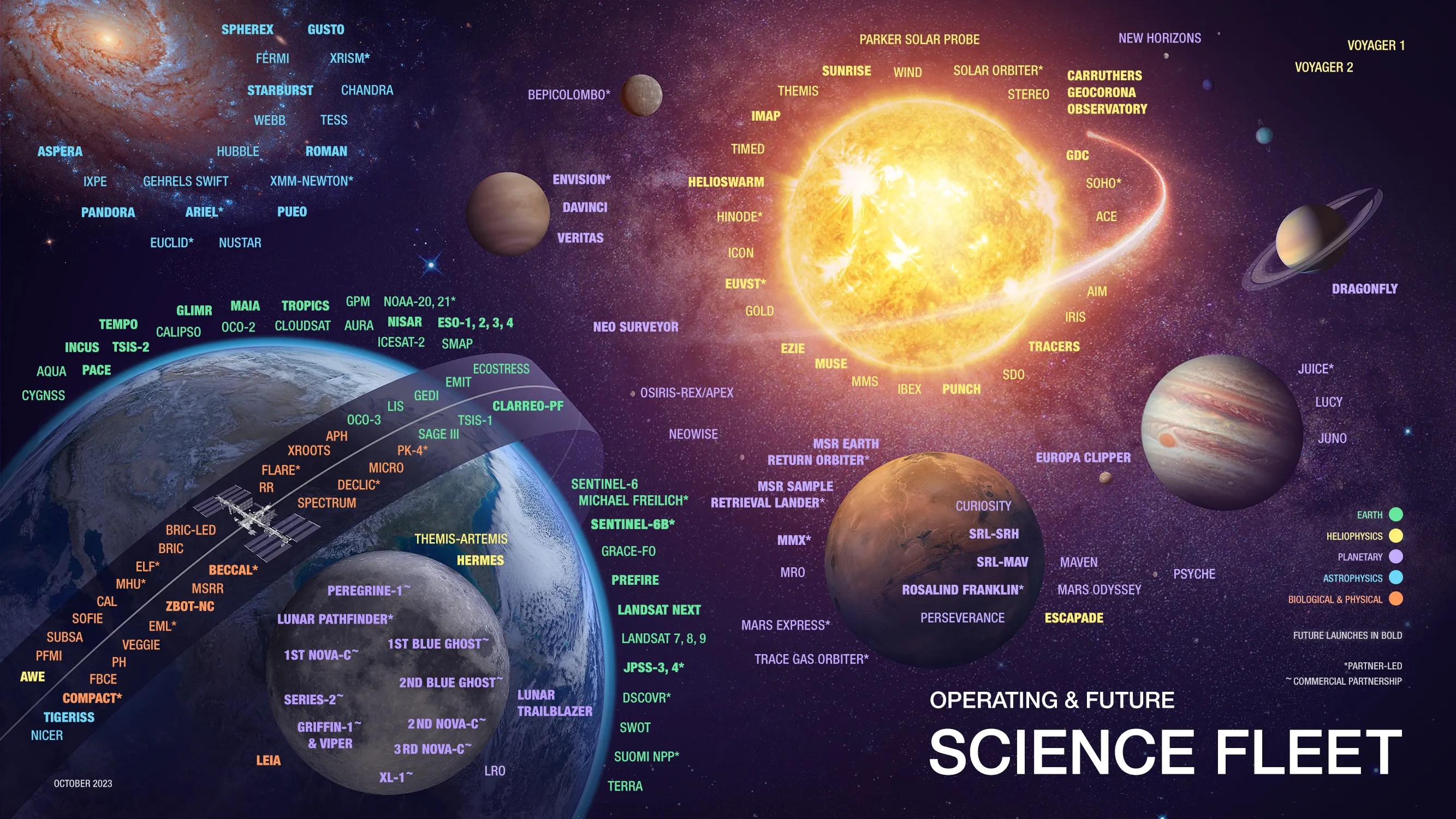
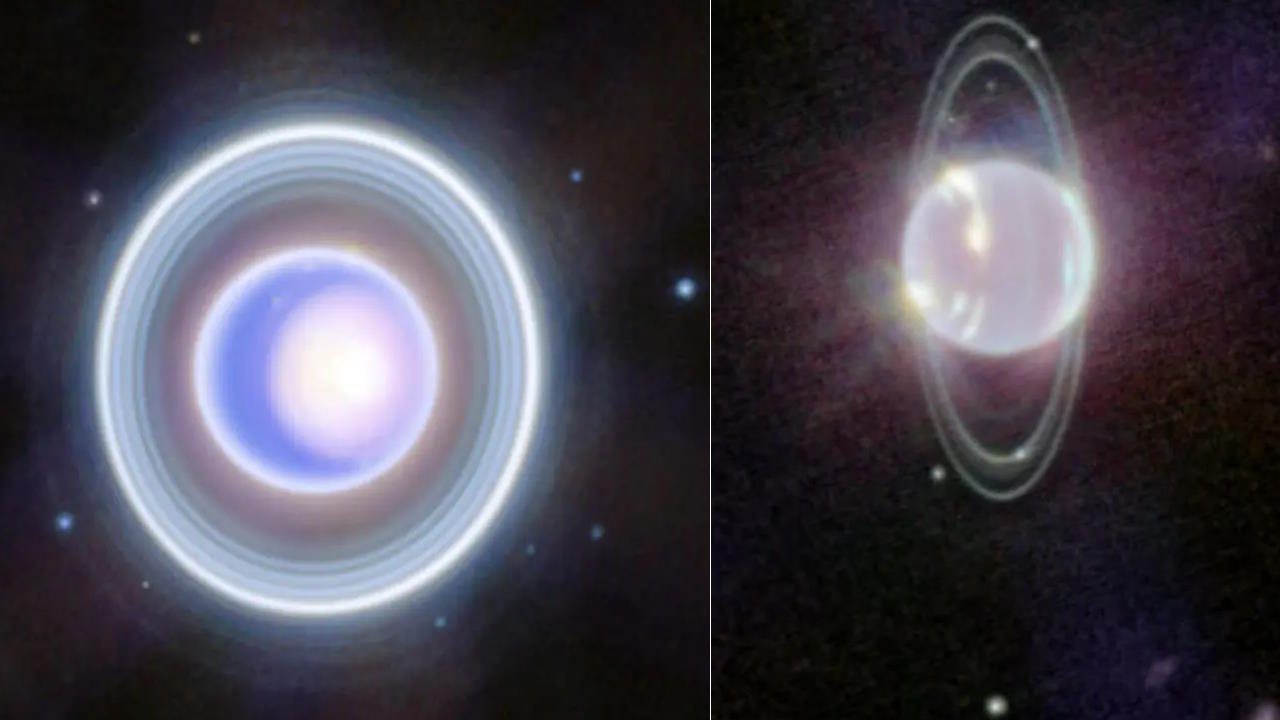
Once every 12 years, Earth, Jupiter, Uranus, and Neptune all line up, opening a window for a joint mission. Our next chance arrives in 2034.
Oops! That page can’t be found.
It looks like nothing was found at this location. Maybe try a search?
Were you looking for something like this?
This is my country and this is what we stand for. At least for now.
Over the first half of 2025, the US has cut science as never before. This disaster for American science may be a gift to the rest of the world.
Want to study philosophy but skip some of its heavier tomes? These five novels are a great place to start. (Existential despair guaranteed.)
If your world-beating idea is not working you might need to change direction — and Instagram cofounder Kevin Systrom provides the perfect case study.
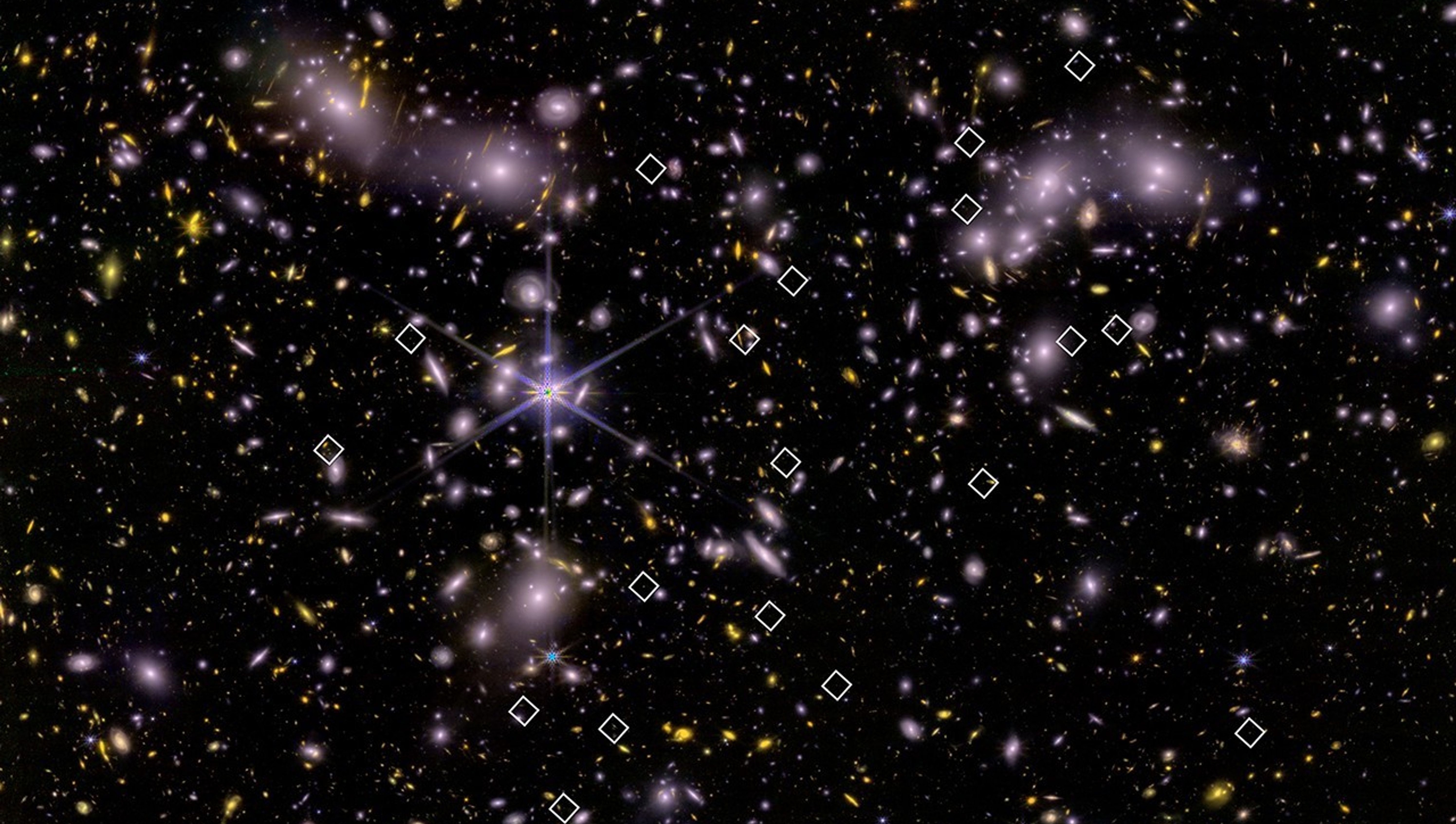
Originally, the abundance of bright, early galaxies shocked astronomers. After 3 years of JWST, we now know what’s really going on.
When organizations focus on finding new markets, the returns can be spectacular — as a case study from Australia perfectly illustrates.
According to philosopher Meghan Sullivan, effective altruism may overlook the moral importance of seeing others as individuals. She explains how love should guide how we care for both present and future humans.
▸
3 min
—
with
Looking at a dark, night sky has filled humans with a sense of awe and wonder since prehistoric times. But appearances can be deceiving.
Living longer is only half the equation. Here’s how to stay healthier for more of those years.
Kathryn Harkup, chemist and author of V Is for Venom, joins Big Think to discuss why Christie isn’t just a brilliant writer but a unique science communicator.
“Fraud never sleeps. It’s really a global problem. Fraud is a trillion dollar problem, about $5 trillion today, with that number increasingly rising annually.”
▸
01:40:02 min
—
with
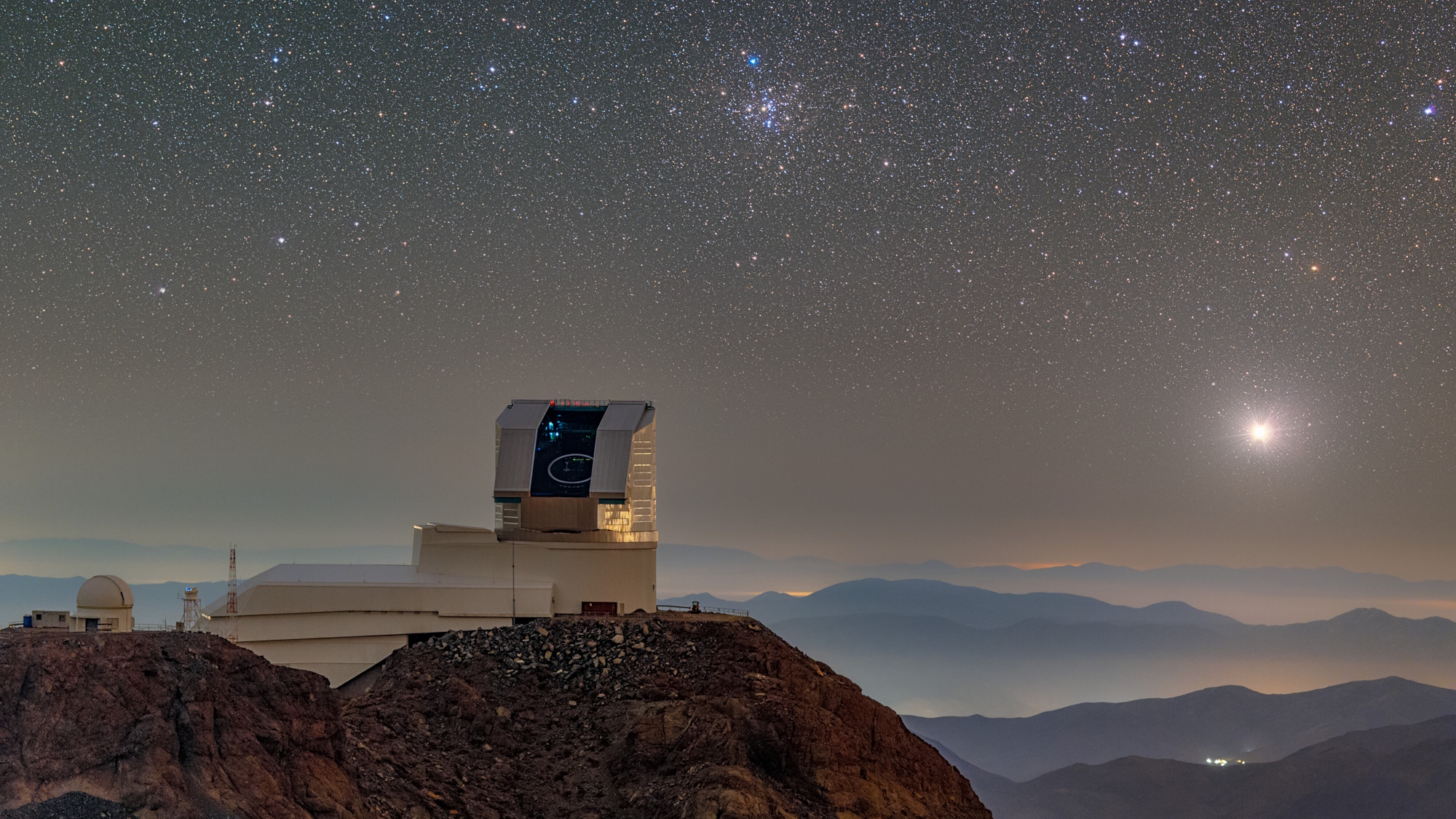
In just its first 10 hours of observations, the Vera Rubin observatory discovered more than 2000 new asteroids. What else will it teach us?
Welcome to The Nightcrawler — a weekly newsletter from Eric Markowitz covering tech, innovation, and long-term thinking.
“You can’t possibly exaggerate how much better it is to live in a peaceful, orderly society, and to be wealthy, and healthy, and surrounded by people who you love.”
▸
21 min
—
with
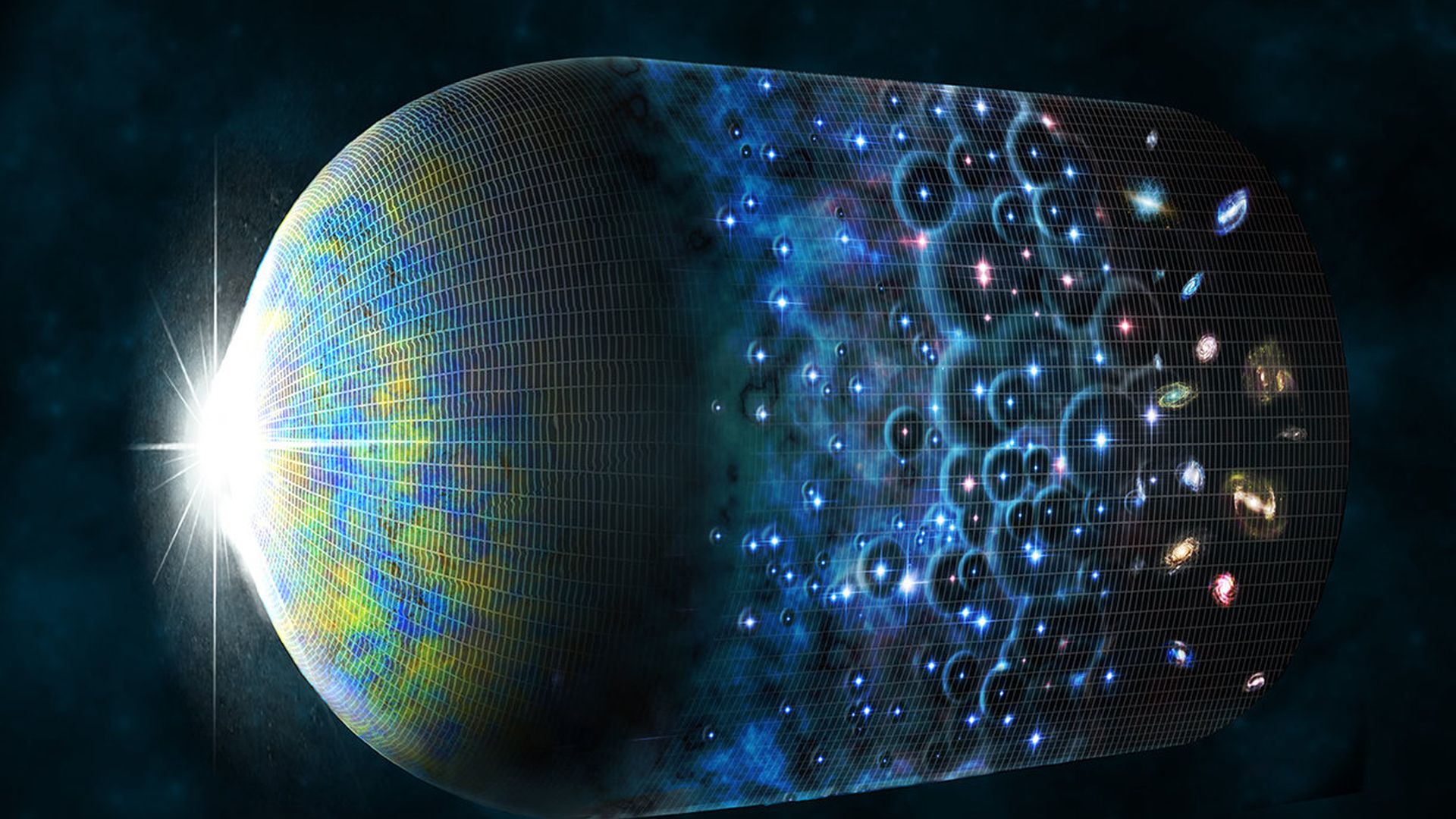
For over 50 years, it’s been the scientifically accepted theory describing the origin of the Universe. It’s time we all learned its truths.
Evolution may have built our brains, but it didn’t build them to find truth.
Most of us think we’re good listeners, but we’re wrong — and it’s ruining our relationships.
Rediscovering competition in an unexpected place helped her rewrite what was possible — and go on to win gold.
▸
8 min
—
with
“CIA classifies their secrets according to different terminology. There’s confidential secrets, there are secret level secrets, and then there are top secret secrets. And the way that they define each of these different levels actually has to do with the impact that would occur if the secret became public knowledge.”
▸
17 min
—
with
For hundreds of millions of years, a cosmic fog blocked all signs of starlight. At last, JWST found the galaxies that cleared that fog away.
A meditation on quantum physics, creative endurance, and the unseen forces that shape what lasts.
In this excerpt from “Agents of Change,” Christina Hillsberg tells the story of Martha “Marti” Peterson, the first female case officer stationed in Soviet Moscow.
To be culturally intelligent, you must be curious and open-minded — and the benefits can be transformative.
Here in 2025, many of us claim to come to our own conclusions by doing our own research. Here’s why we’re mostly deluding ourselves.
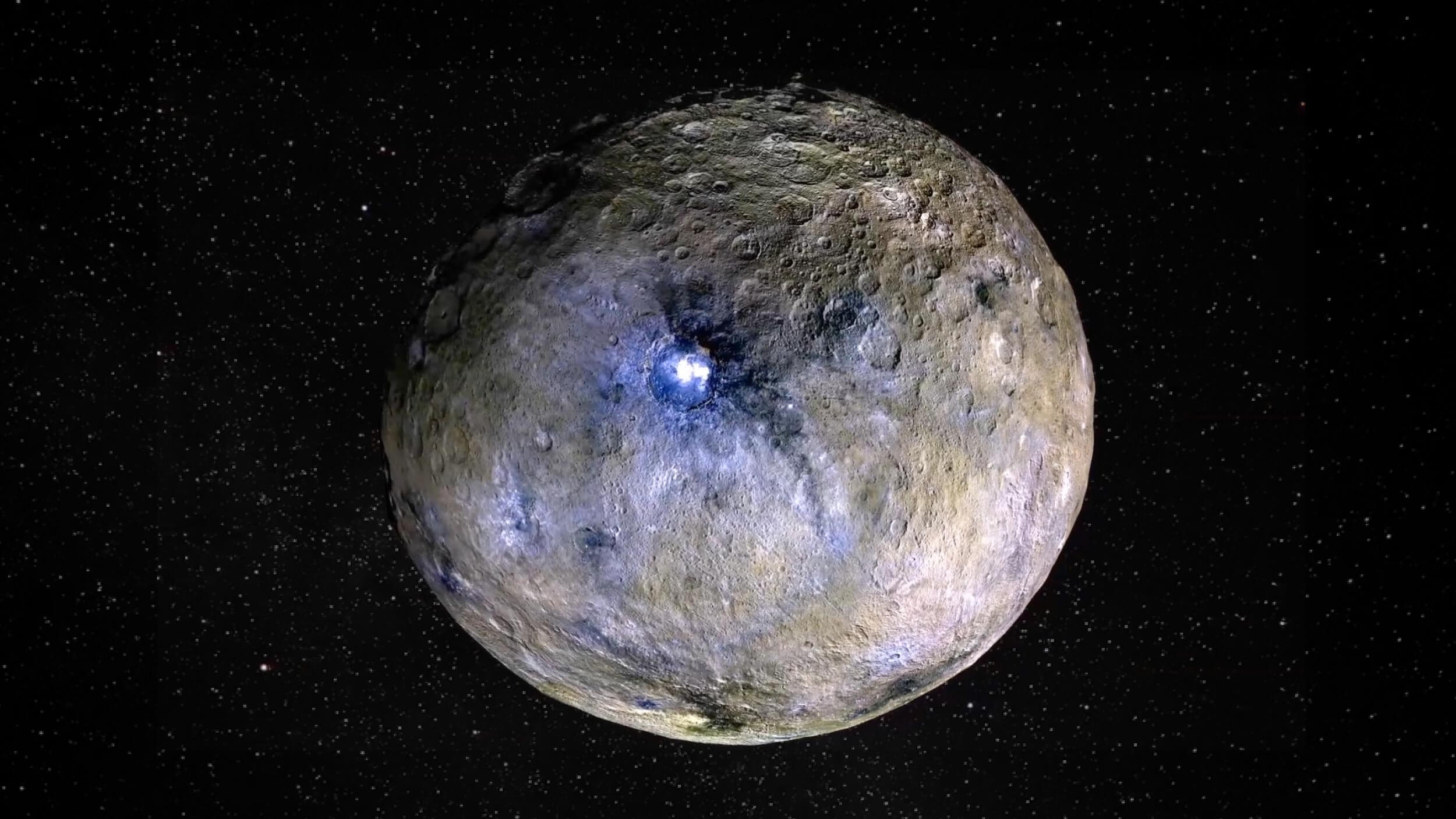
As the closest icy ocean world to
Earth, Ceres may be a promising candidate in the search for signs of ancient life.
Snorre Kjesbu — SVP & GM of Cisco’s Employee Experience group — has a bold vision for the future of human interaction.
We may be close to finding life beyond Earth. But would we even recognize it if we did? Astrobiologist Betül Kaçar explains what signs NASA is looking for.
▸
3 min
—
with
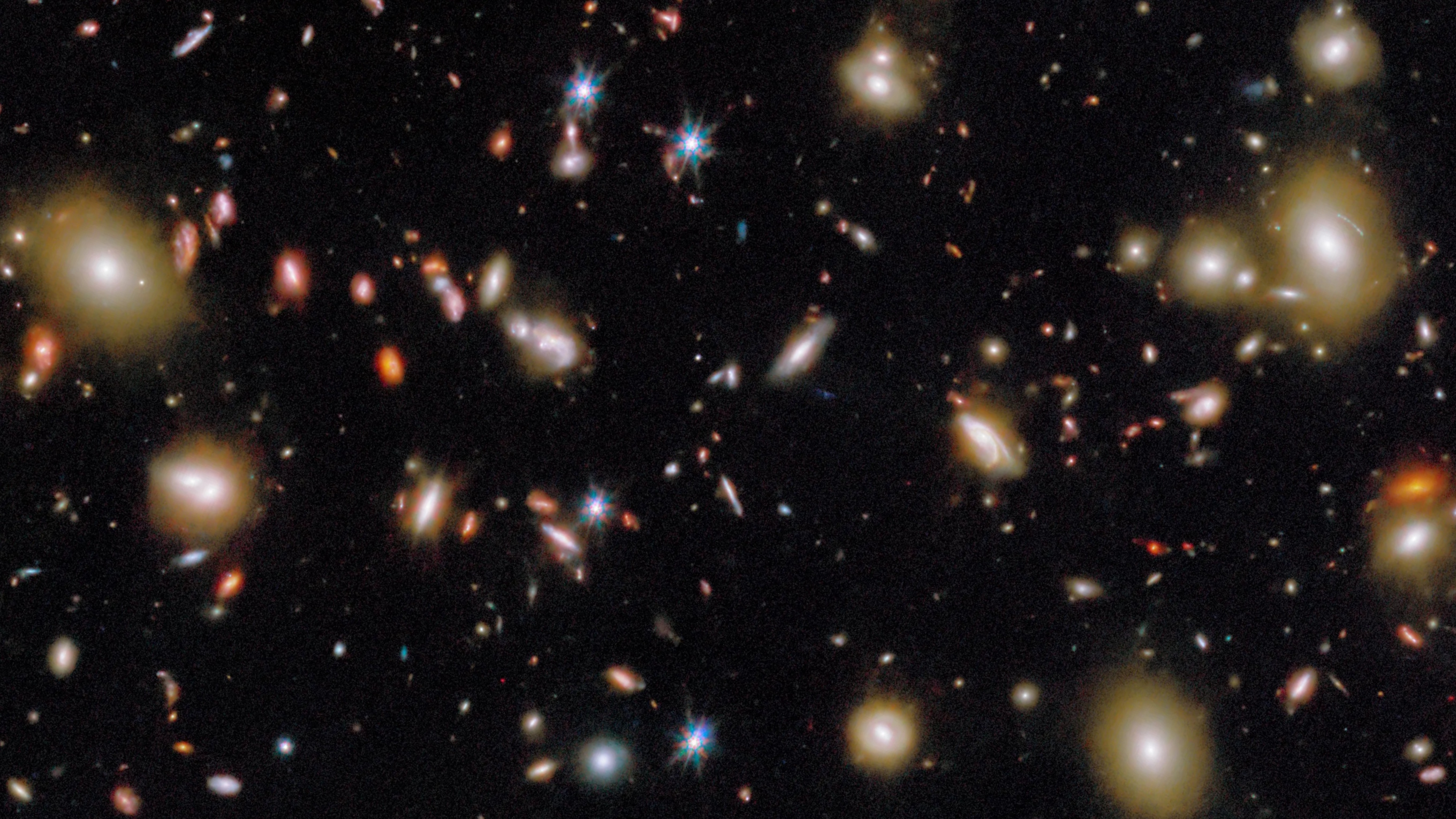
Massive galaxy cluster Abell S1063, 4.5 billion light-years away, bends and distorts the space nearby. Here’s what a JWST deep field shows.
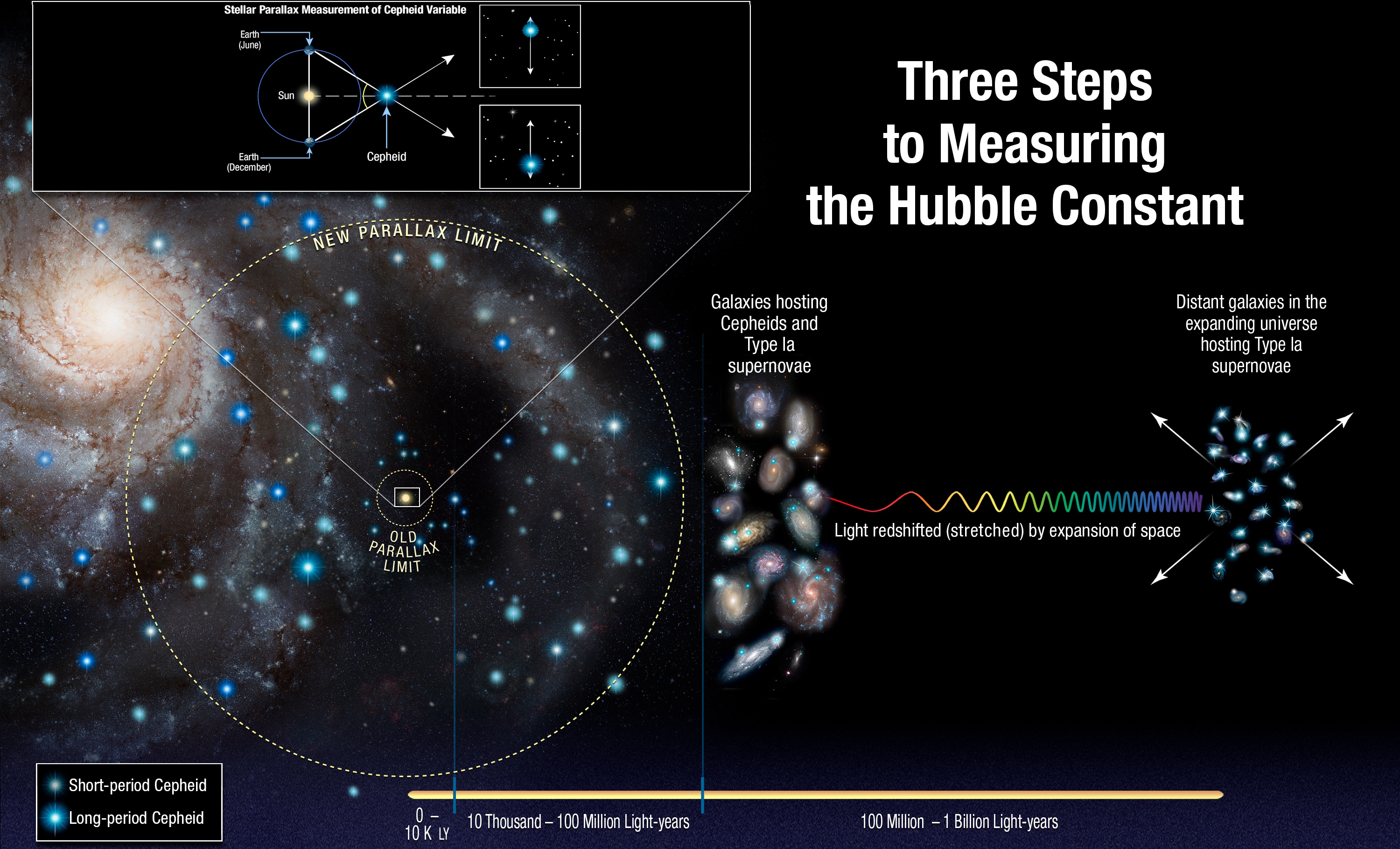
Is the Universe’s expansion rate 67 km/s/Mpc, 73 km/s/Mpc, or somewhere in between? The Hubble tension is real and not so easy to resolve.