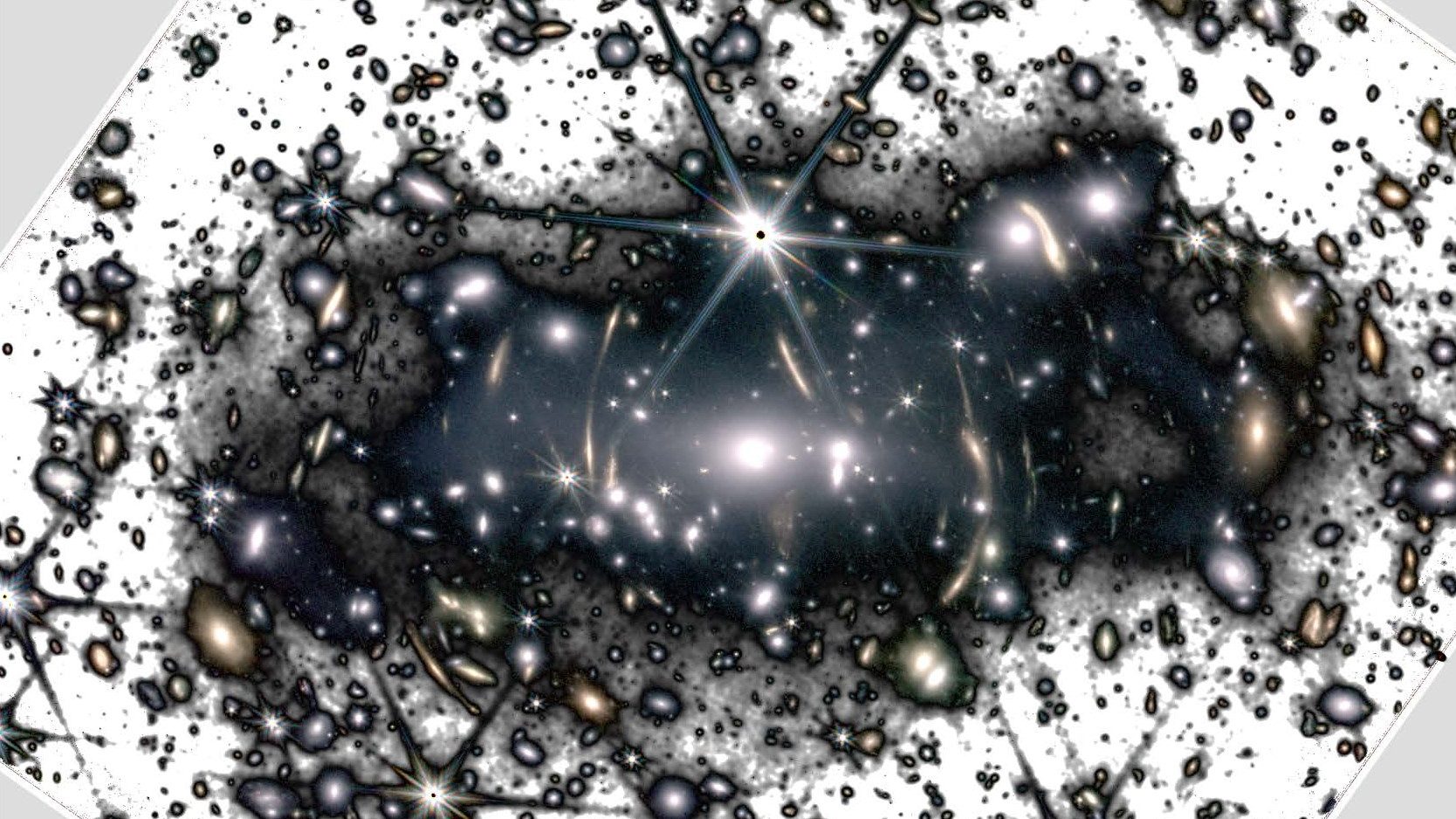
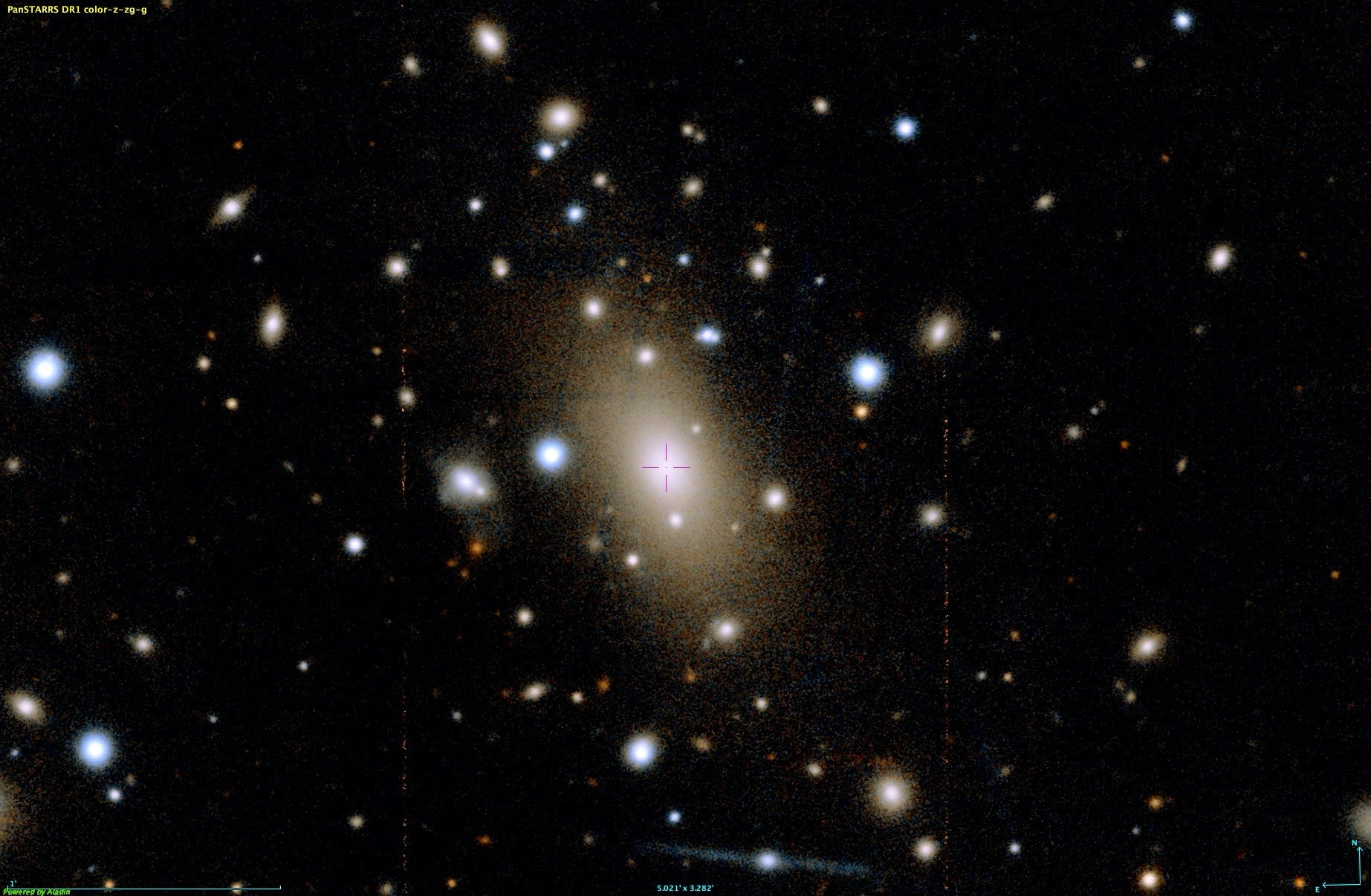
Starts With A Bang This weird JWST trick lets us “see” dark matter It’s not only the gravity from galaxies in a cluster that reveals dark matter, but the ejected, intracluster stars actually trace it out.
Starts With A Bang Ask Ethan: Could SETI detect a “twin” of Earth? Earth is actively broadcasting and actively searching for intelligent civilizations. But could our technology even detect ourselves?
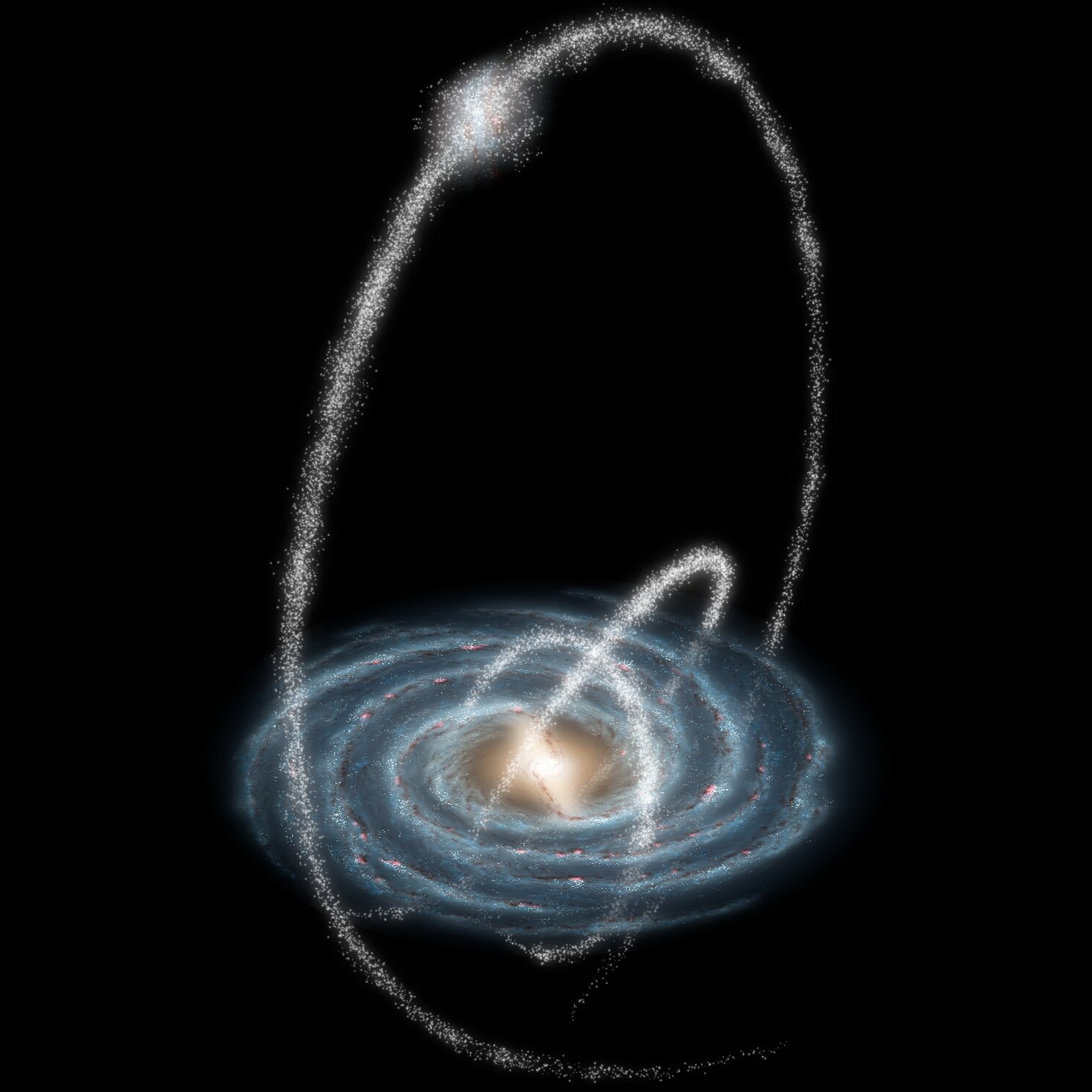
Starts With A Bang Devouring “the Kraken” led to the modern Milky Way Did the Milky Way form by slowly accreting matter or by devouring its neighboring galaxies? At last, we’re uncovering our own history.
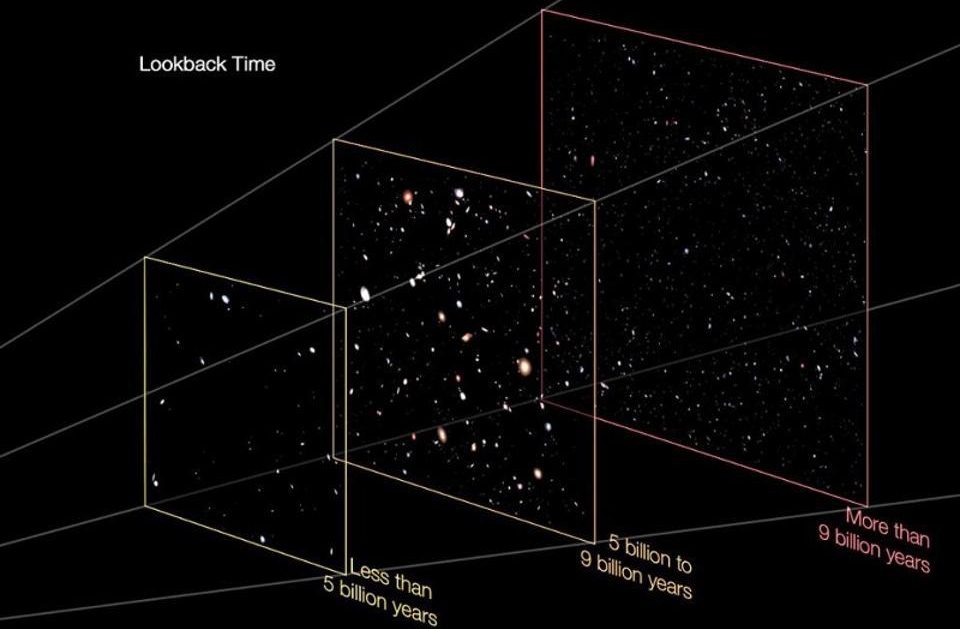
Starts With A Bang Our Universe has more galaxies than Carl Sagan ever imagined Forget billions and billions. When it comes to the number of galaxies in the Universe, both theorists’ and observers’ estimates are too low.
Starts With A Bang Most planets in the Universe are orphans without parent stars Known as orphaned planets, rogue planets, or planets without parent stars, these “outliers” might be the most common type of planet overall.
Starts With A Bang Have we found a galactic “twin” of the Milky Way? Our galactic home in the cosmos — the Milky Way — is only one of trillions of galaxies within our Universe. Is one of them truly our “twin?”
Starts With A Bang Ask Ethan: Do gravitons need to exist? Electromagnetism, both nuclear forces, and even the Higgs force are mediated by known bosons. What about gravity? Does it require gravitons?
Starts With A Bang Gold, frankincense, and myrrh: one gift was made in a neutron star When three wise men gifted baby Jesus with gold, frankincense, and myrrh, they had no idea one was made from colliding neutron stars.
Starts With A Bang The 16 stories that shaped physics and astronomy in 2024 There was a lot of hype and a lot of nonsense, but also some profoundly major advances. Here are the biggest ones you may have missed.
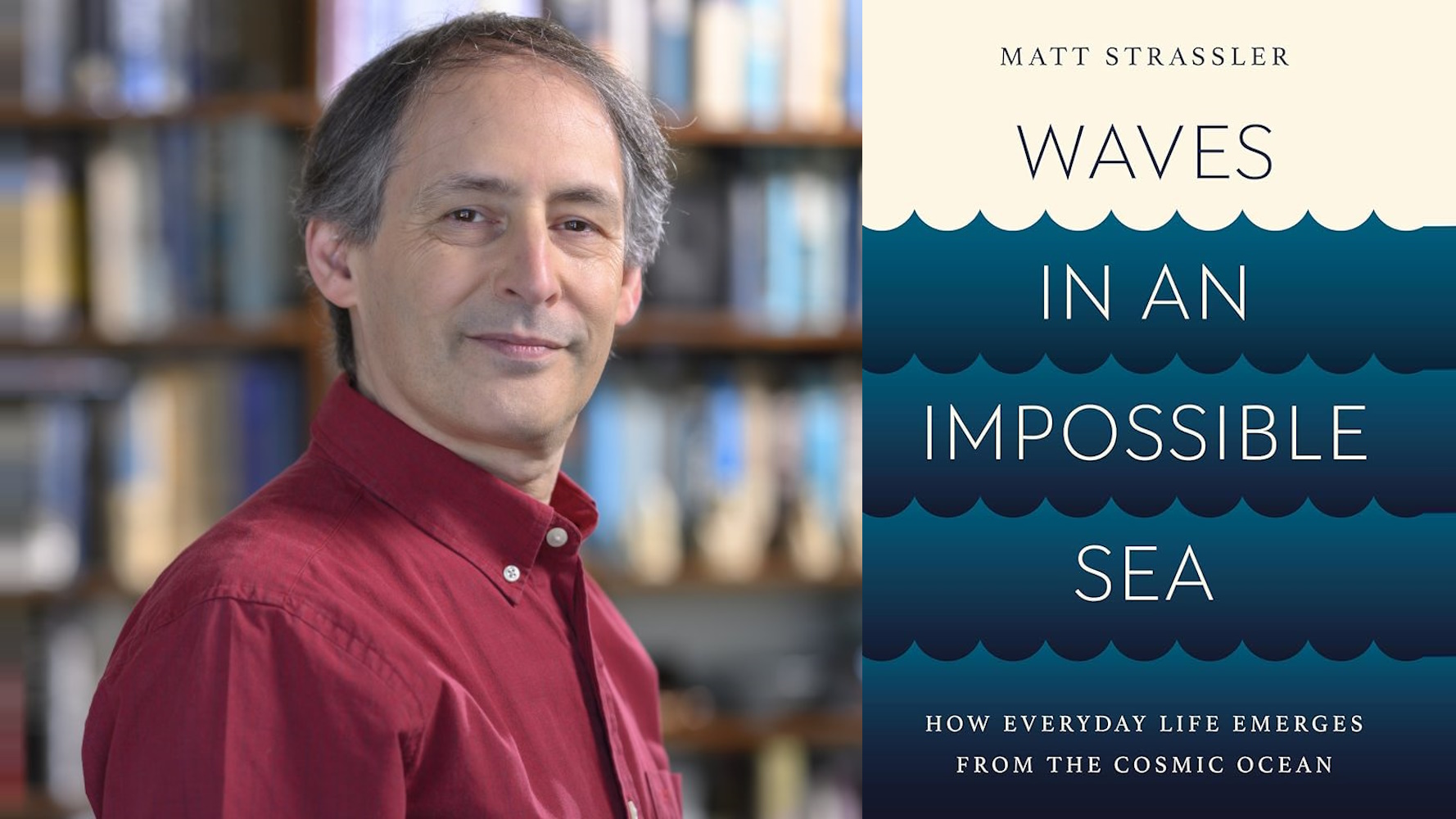
Starts With A Bang “Waves in an Impossible Sea”: The 2024 science book of the year Matt Strassler’s journey into fundamental physics culminates in a brilliant explanation of the Higgs field. Enjoy this exclusive interview.
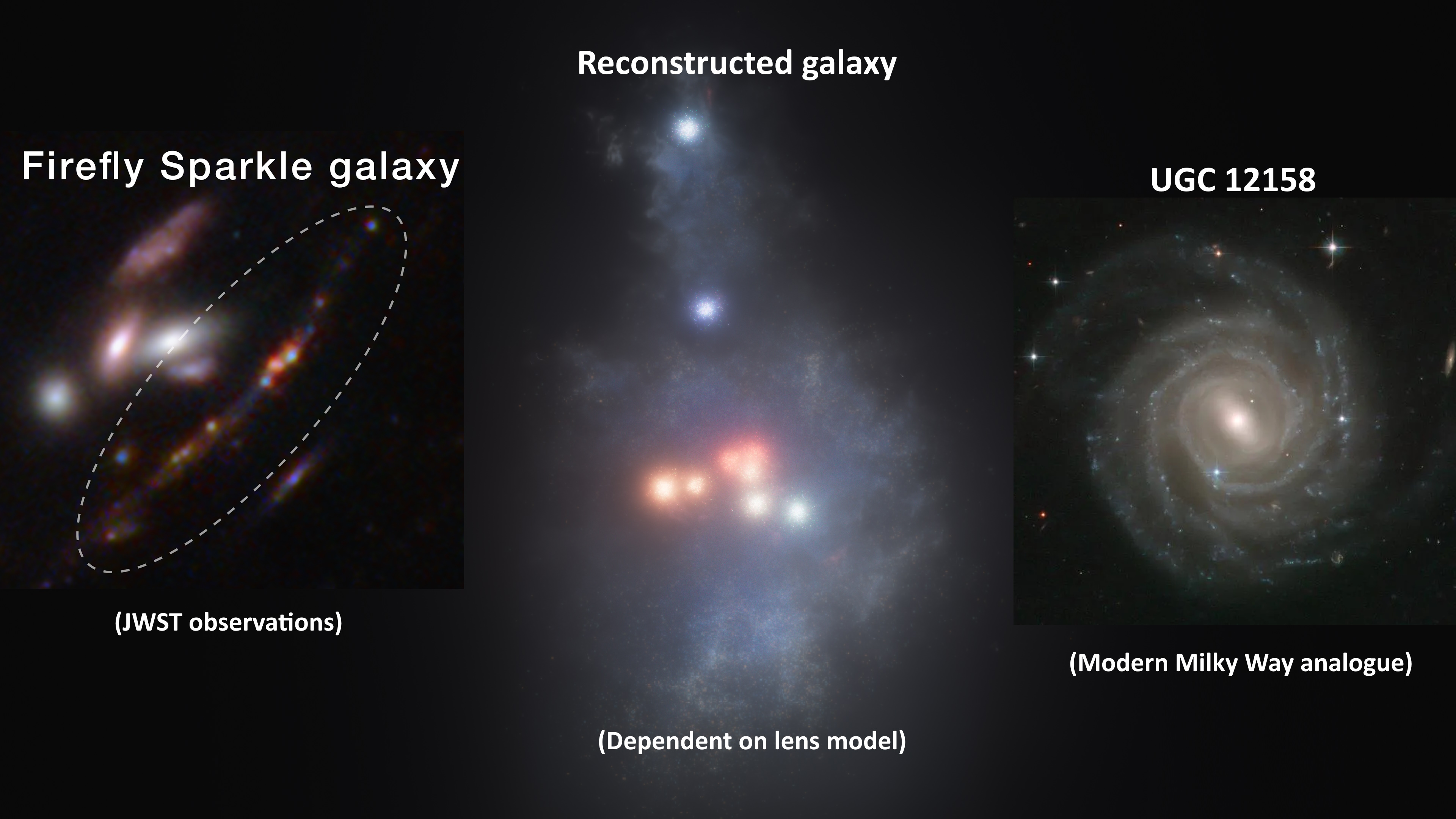
Starts With A Bang The most important lesson from JWST’s “baby Milky Way” The Firefly Sparkle galaxy was only spotted because of gravitational lensing’s effects. Yet galaxies like these brought us a visible cosmos.
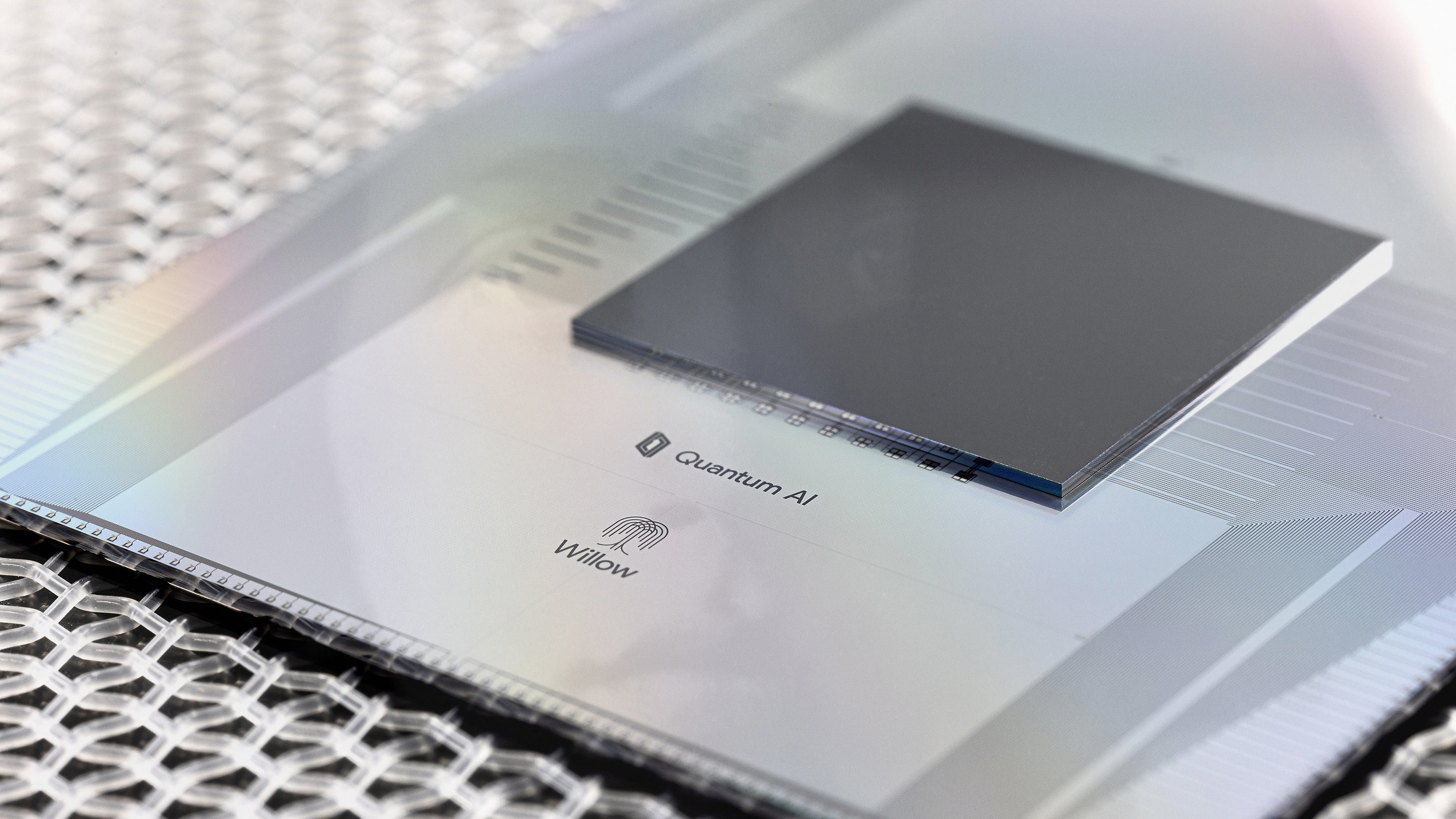
Starts With A Bang Ask Ethan: Does quantum computation occur in parallel universes? By improving quantum error correction, quantum computations are now faster than ever. But parallel universes? That’s utter nonsense here.
Starts With A Bang The secret reason the USA beat the USSR to the Moon Sixty years ago, the Soviet Union was way ahead of the USA in the space race. Then one critical event changed everything.
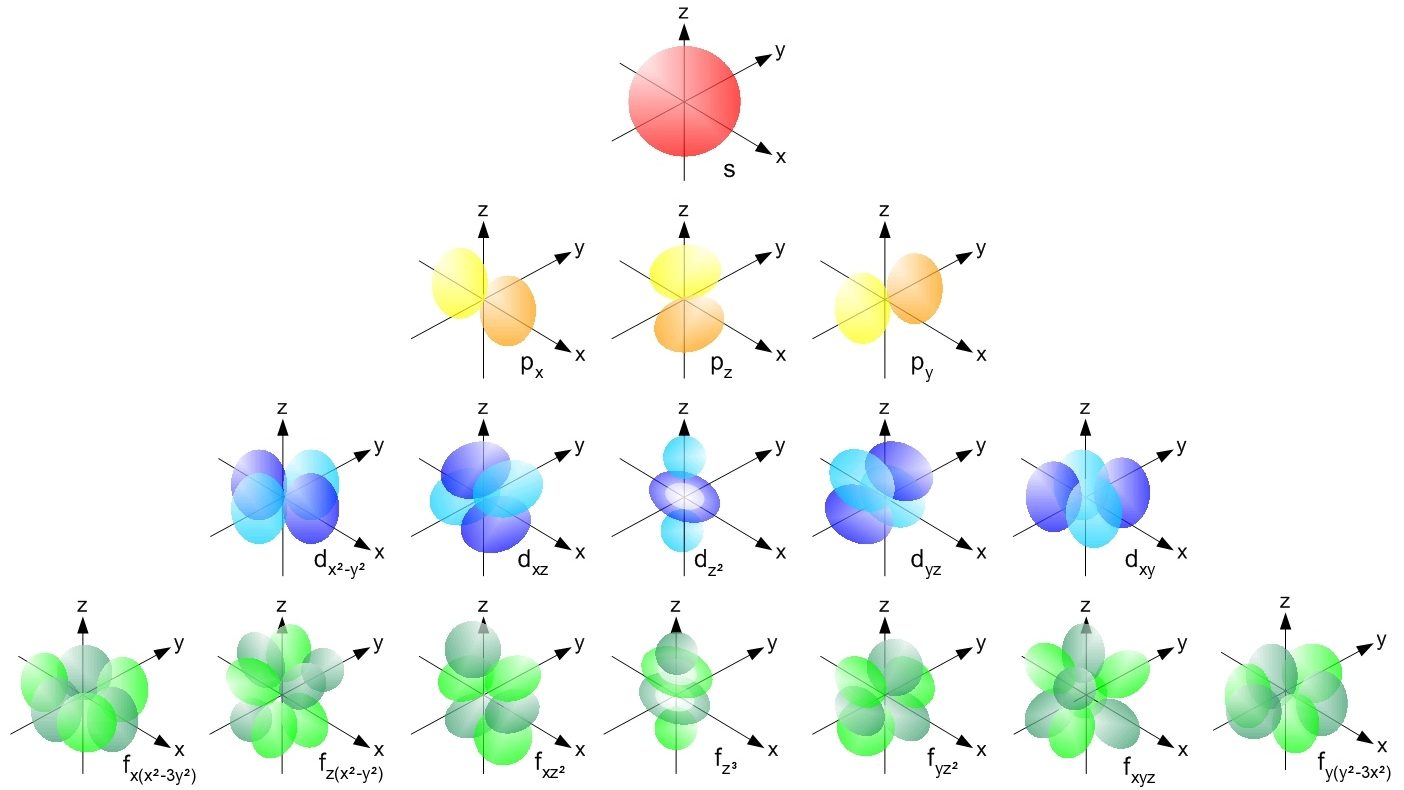
Starts With A Bang The quantum reason behind the solidity of matter If atoms are mostly empty space, then why can’t two objects made of atoms simply pass through each other? Quantum physics explains why.
Starts With A Bang The Big Bang: a series of steps down an energy staircase From a hot, dense, uniform state in its earliest moments, our entire known Universe arose. These unavoidable steps made it all possible.
Starts With A Bang How large is the biggest galaxy in the Universe? It was barely a century ago that we thought the Milky Way encompassed the entirety of the Universe. Now? We’re not even a special galaxy.
Starts With A Bang Starts With A Bang Podcast #112 – Galactic Archaeology Even with just a momentary view of our galaxy right now, the data we collect enables us to reconstruct so much of our past history.
Starts With A Bang Ask Ethan: Will everything eventually succumb to Hawking radiation? 50 years ago, Stephen Hawking showed that black holes emit radiation and eventually decay away. That fate may now apply to everything.
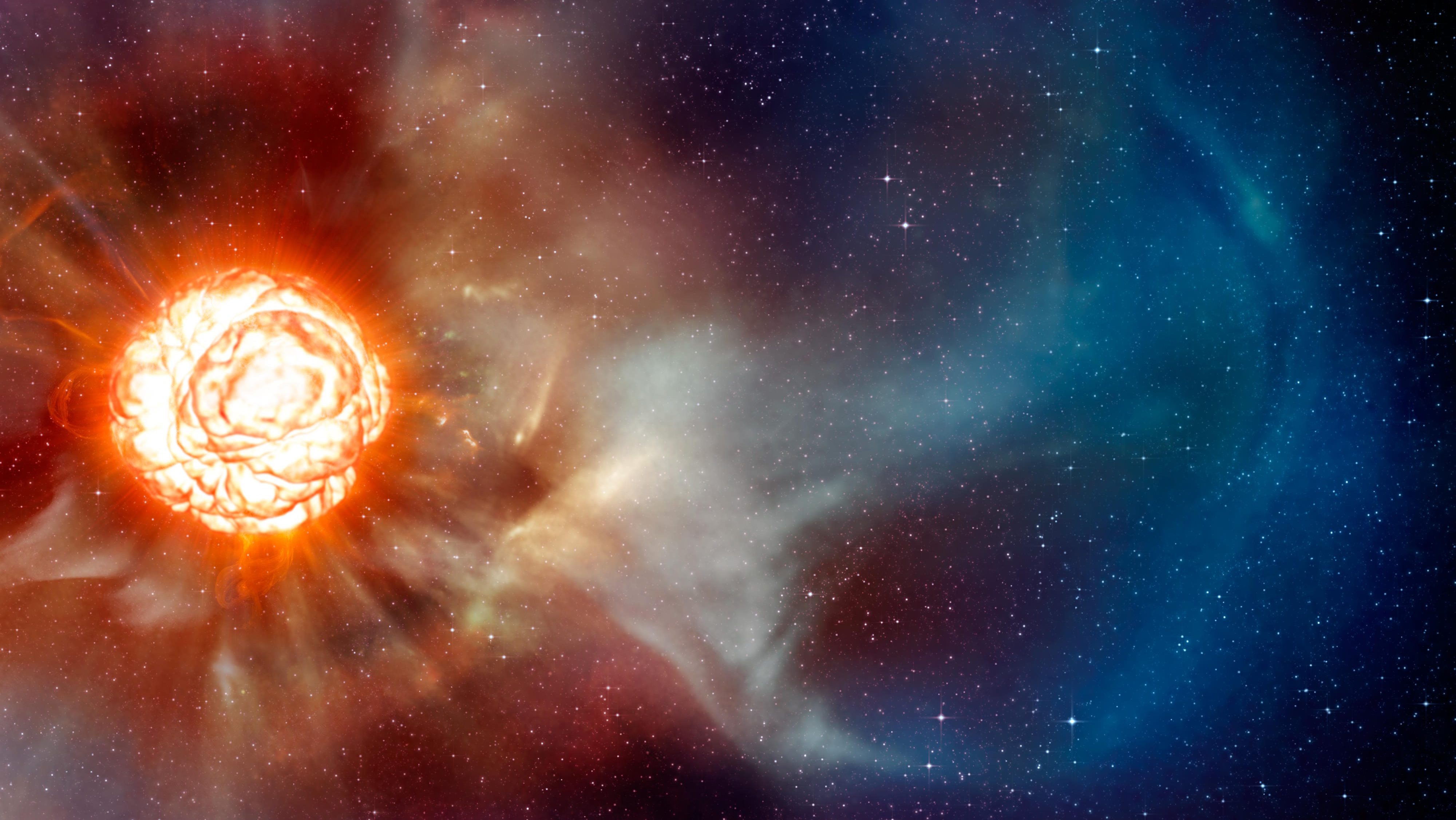
Starts With A Bang This is what we’ll see when Betelgeuse goes supernova The closest known star that will soon undergo a core-collapse supernova is Betelgeuse, just 640 light-years away. Here’s what we’ll observe.
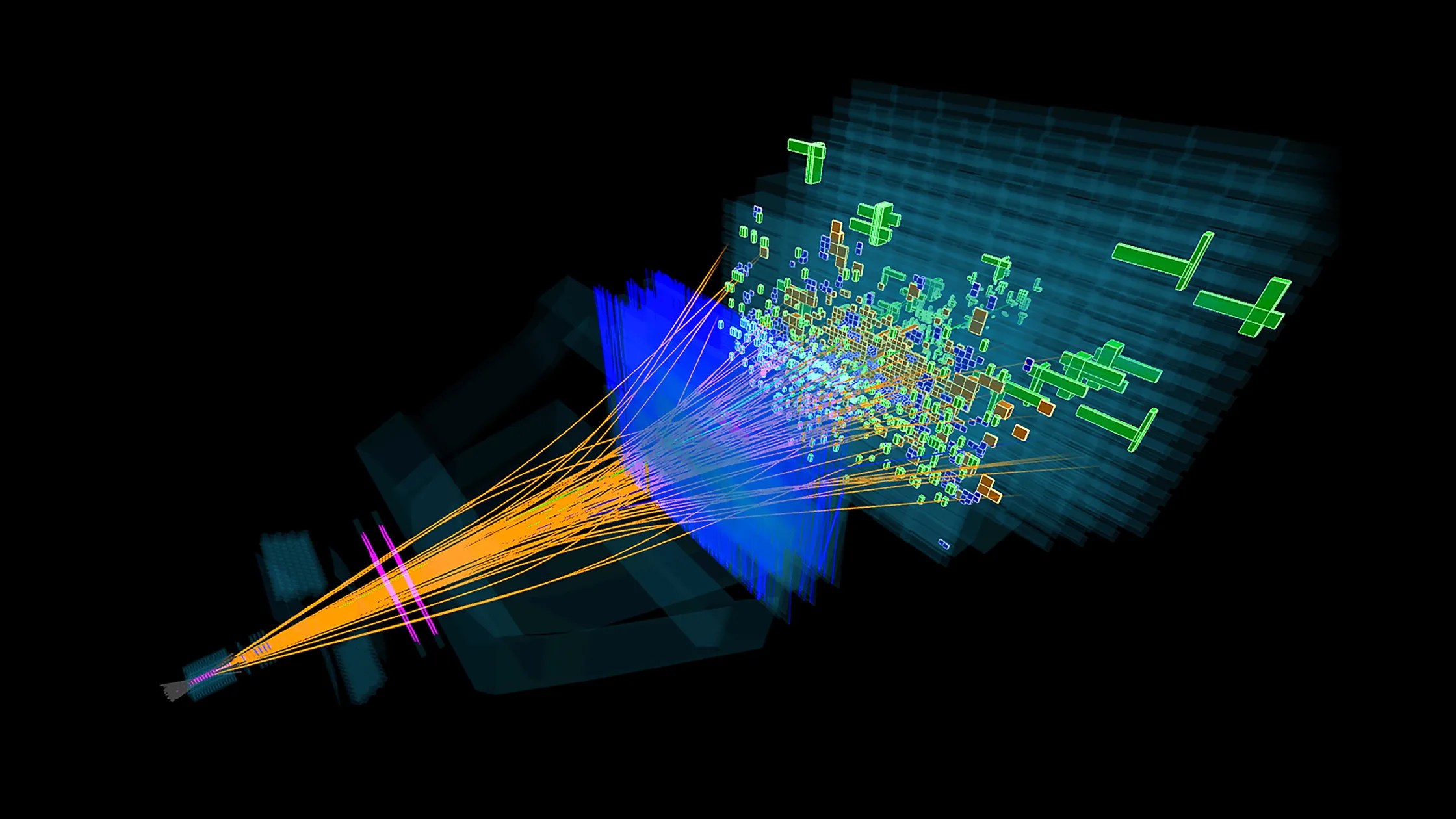
Starts With A Bang How B-mesons are threatening to break the Standard Model We have very specific predictions for how particles ought to decay. When we look at B-mesons all together, something vital doesn’t add up.
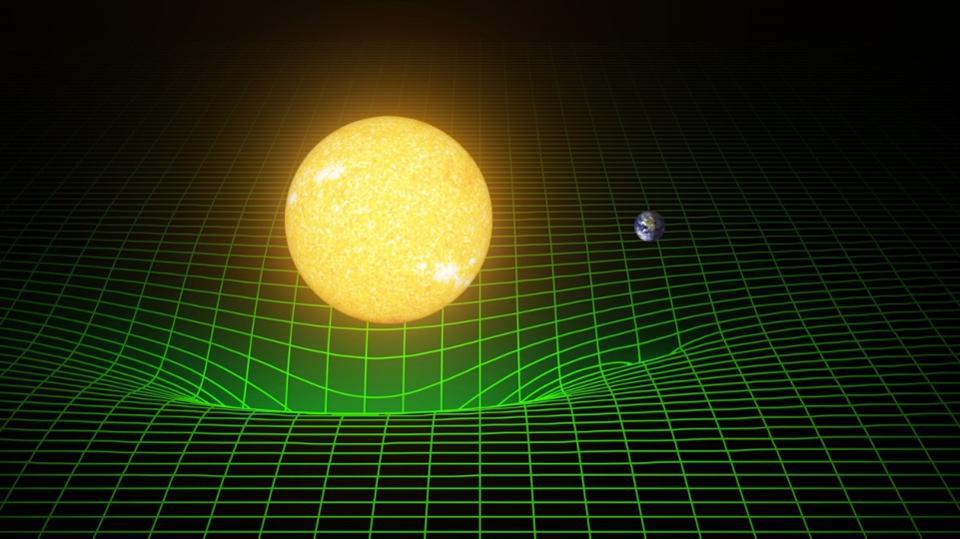
Starts With A Bang The fabric of space is a Cheshire Cat Most waves need a medium to travel through. But the way that light and gravitational waves travel shows that space can’t be a medium at all.
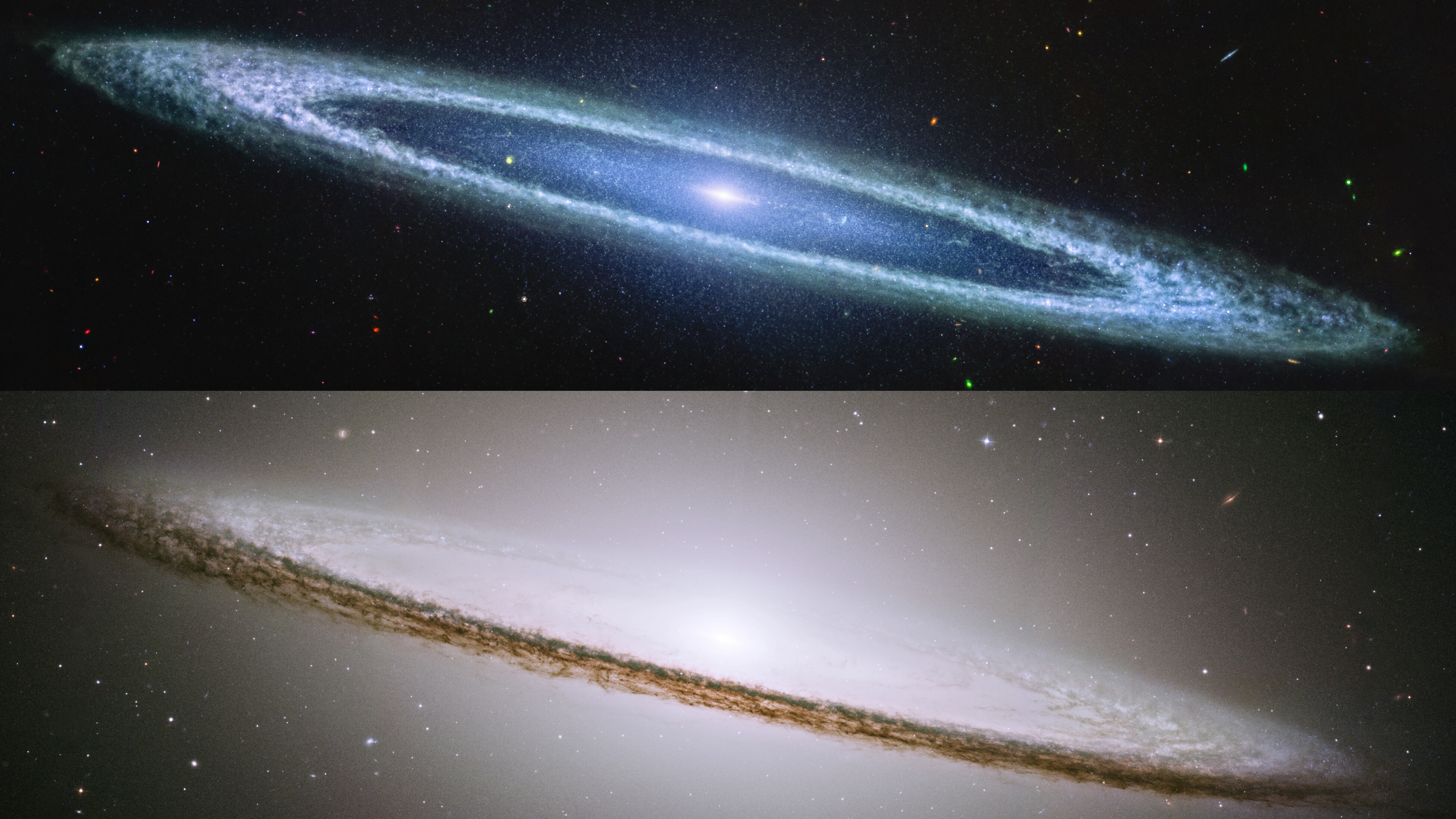
Starts With A Bang What JWST found beneath the Sombrero galaxy’s hat The Sombrero is the closest bright, massive, edge-on galaxy to us. JWST’s new image, taken with MIRI, finally shows what’s under its hat.
Starts With A Bang Why the number “1/137” appears everywhere in nature One of the fundamental constants of nature, the fine-structure constant, determines so much about our Universe. Here’s why it matters.
Starts With A Bang What happens when a gravitational wave meets a black hole? Gravitational waves are the last signatures that are emitted by merging black holes. What happens when these two phenomena meet in space?
Starts With A Bang The Steady-State Universe: A viable alternative to the Big Bang? For nearly 60 years, the hot Big Bang has been accepted as the best story of our cosmic origin. Could the Steady-State theory be possible?
Starts With A Bang Could dark matter be the same thing as dark energy? Two parts of our Universe that seem to be unavoidable are dark matter and dark energy. Could they really be two aspects of the same thing?
Starts With A Bang Scalar fields: the secret sauce of theoretical physics Scalars, vectors, and tensors come up all the time in physics. They’re more than mathematical structures. They help describe the Universe.
Starts With A Bang Ask Ethan: Does the CMB really “prove” the Big Bang? Since the mid-1960s, the CMB has been identified with the Big Bang’s leftover glow. Could any alternative explanations still work?
Starts With A Bang How to make peace with the weirdness of quantum mechanics Our classical intuition is no good in a quantum Universe. To make sense of it, we need to learn, and apply, an entirely novel set of rules.
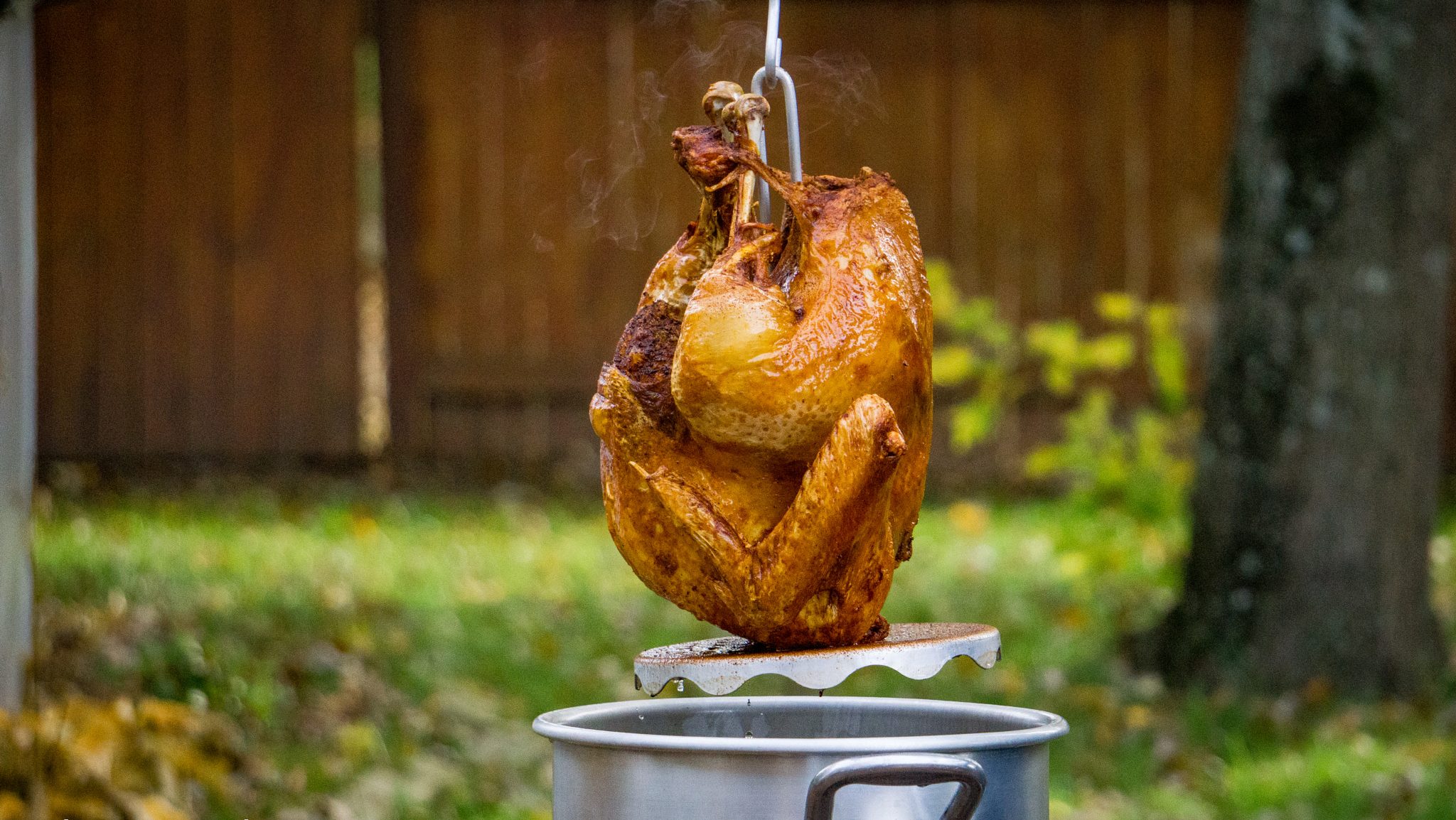
Starts With A Bang What happens if you deep fry a frozen turkey? It’s the ultimate setup for a Thanksgiving Day disaster. The physics of water and its solid, liquid, and gas phases compels us not to do it.