In this excerpt from “One Hand Clapping,” Nikolay Kukushkin makes the case that neurons reveal how memory, meaning, and even consciousness emerge from the same biological roots in humans, sea slugs, and beyond.
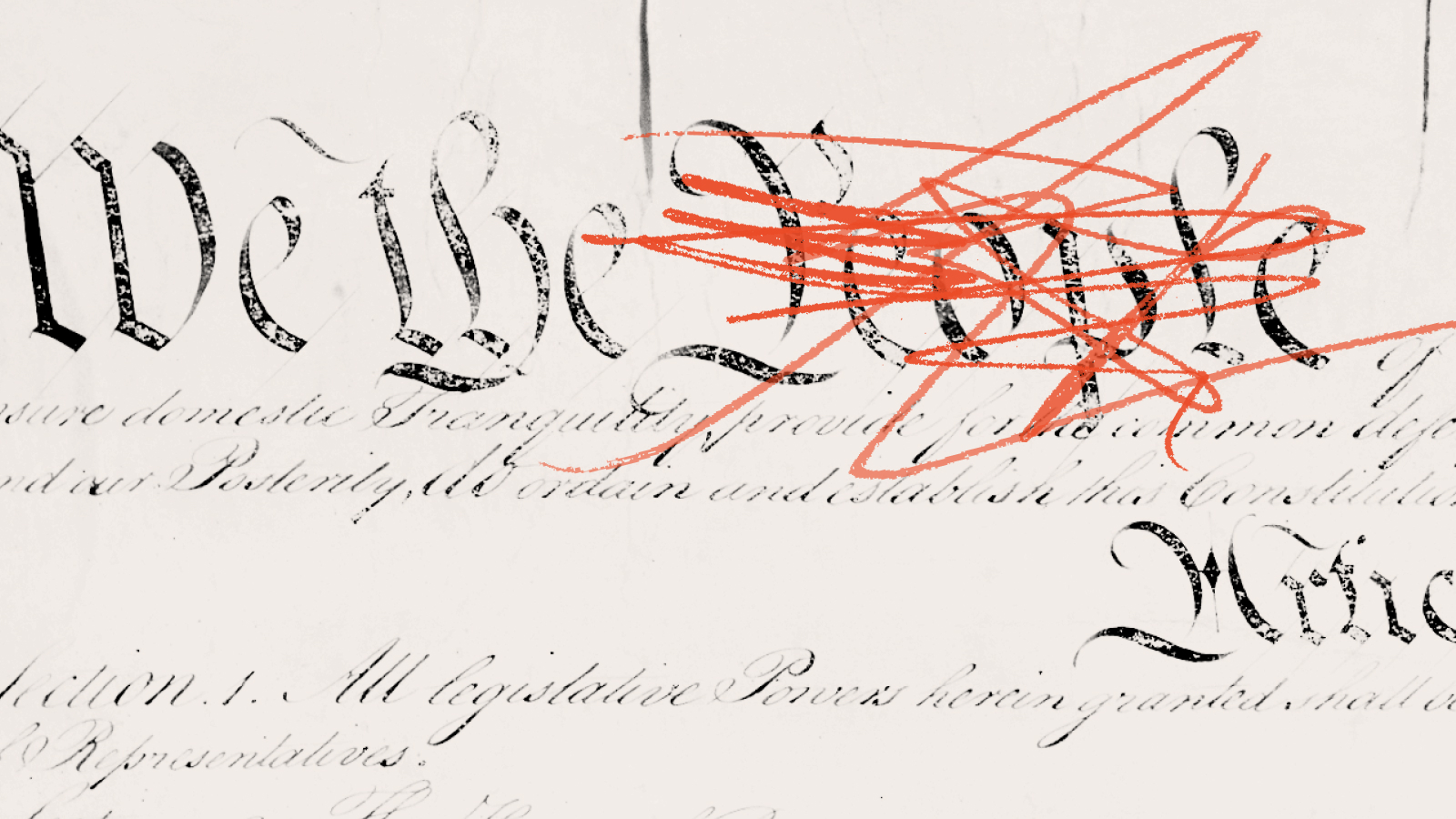
In “We the People,” Harvard historian Jill Lepore examines how the U.S. Constitution became unamendable and its implications for the health of the democracy.
In this excerpt from “Governing Babel,” John Wihbey explores how AI is reshaping online moderation by offering tools that can help human moderators, but also raises the risk of disinformation and digital chaos.
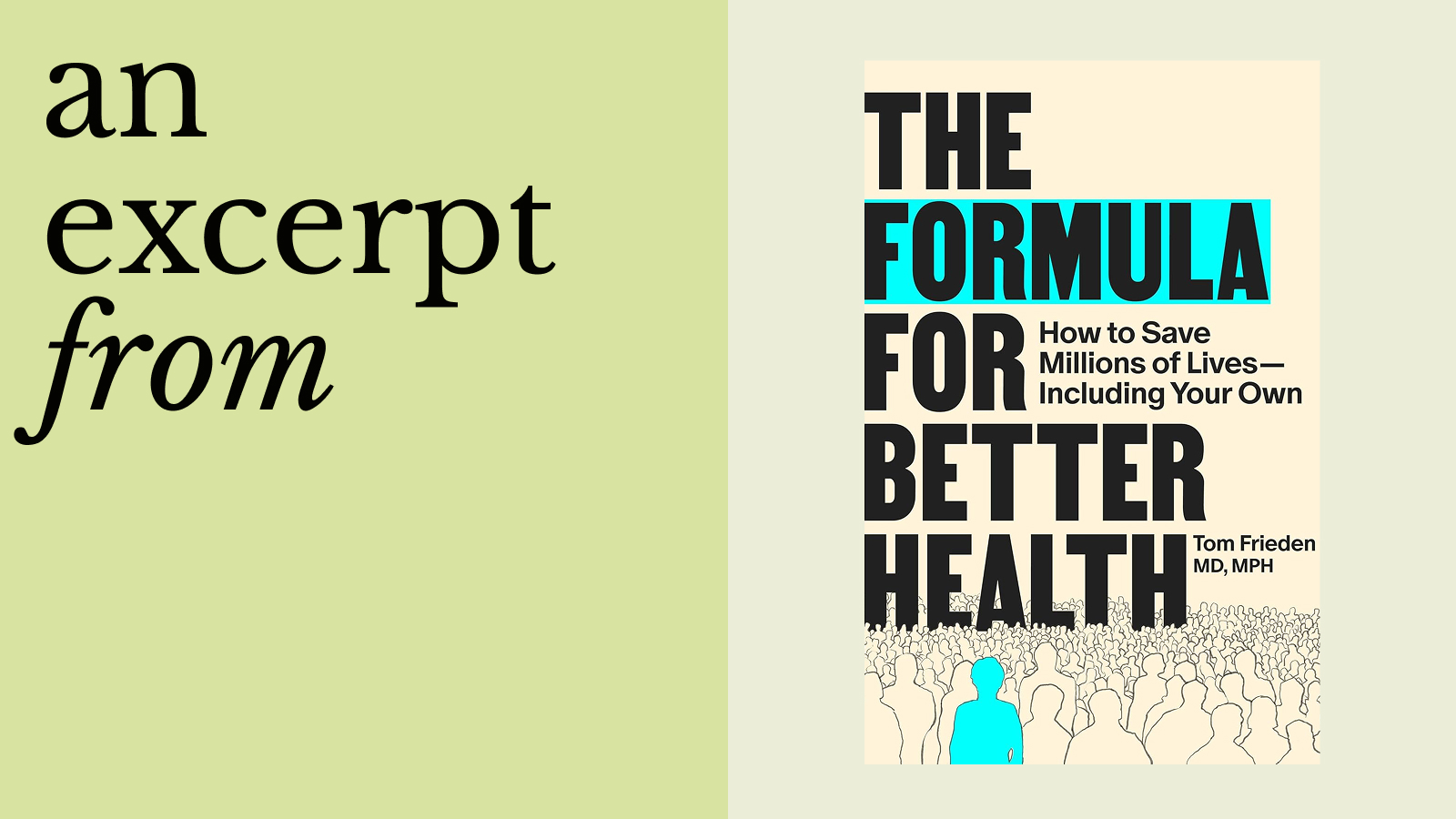
In this excerpt from “The Formula for Better Health,” Tom Frieden explores how Alice Hamilton transformed public health in her fight against lead poisoning.
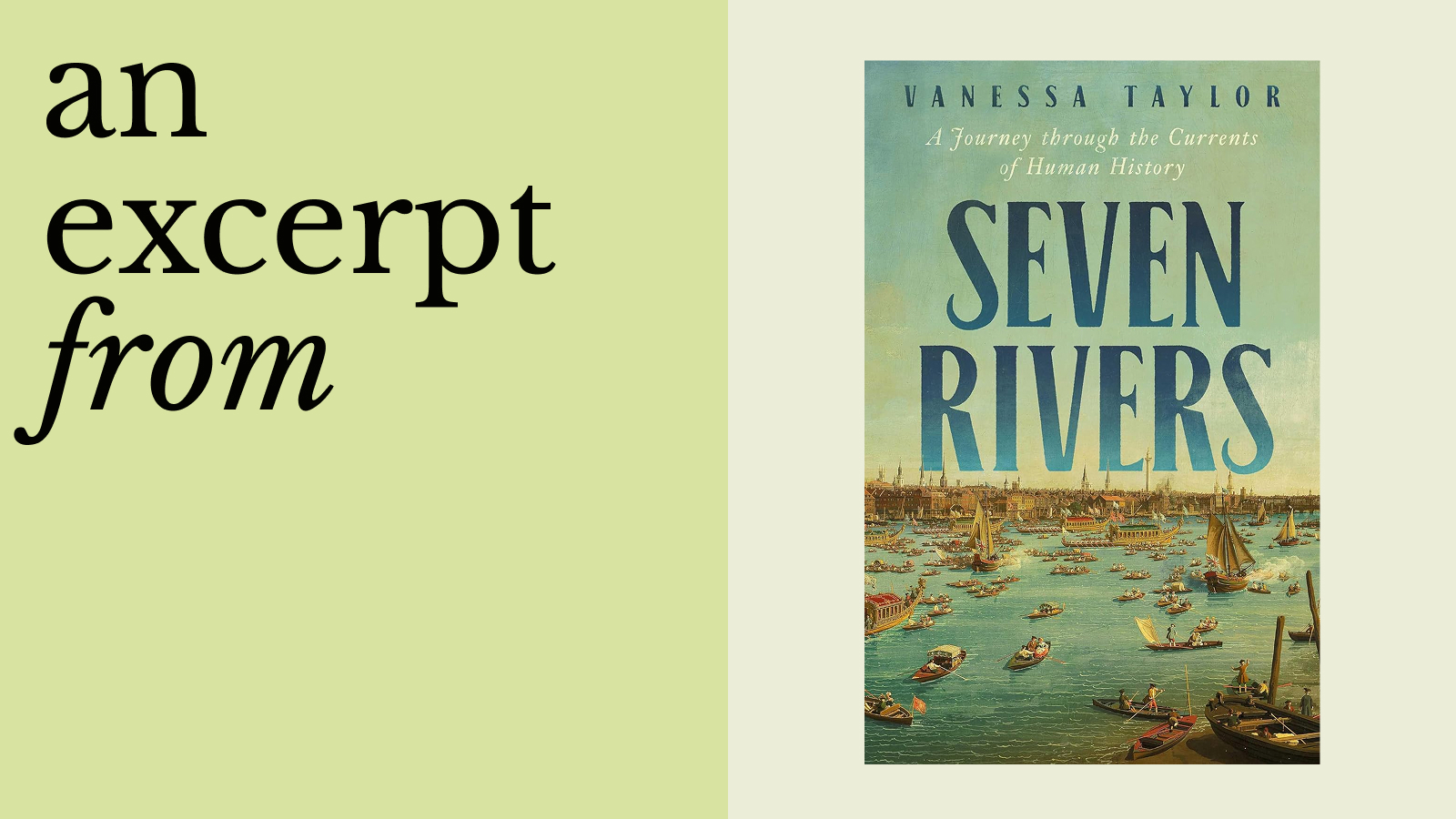
In this excerpt from “Seven Rivers,” historian Vanessa Taylor explores how Ancient Egyptian pharaohs harnessed the Nile River to build empires and secure their power.
In this excerpt from “When Everyone Knows That Everyone Knows…,” Steven Pinker examines how crying may have evolved as part of a suite of emotional expressions aimed at strengthening social bonds.
In “On Liberalism,” Cass Sunstein argues that liberalism can only endure if we reclaim its core commitments and revive its spirit of freedom and hope for the future.
In this excerpt from “Facing Infinity,” Jonas Enander examines how John Michell conceived of “dark stars,” or massive bodies with enough gravity to trap light, all the way back in 1783.
In “That Book Is Dangerous,” author Adam Szetela examines the rise of the “Sensitivity Era” in publishing and how outrage campaigns try to control what books authors can write and readers can read.
In this excerpt from “The Story of CO2,” Peter Brennan explains how changes in the Earth’s ecosystem led to fire, which in turn led our ancestors to become the “fire apes.”
In this excerpt from “Tales of Militant Chemistry,” Alice Lovejoy exposes how the need for uranium during WWII led the Allied governments to turn a blind eye to colonial exploitation.
In the Embers series, historian M.G. Sheftall shares the stories of Hiroshima and Nagasaki’s last survivors and reveals why their testimony must endure.
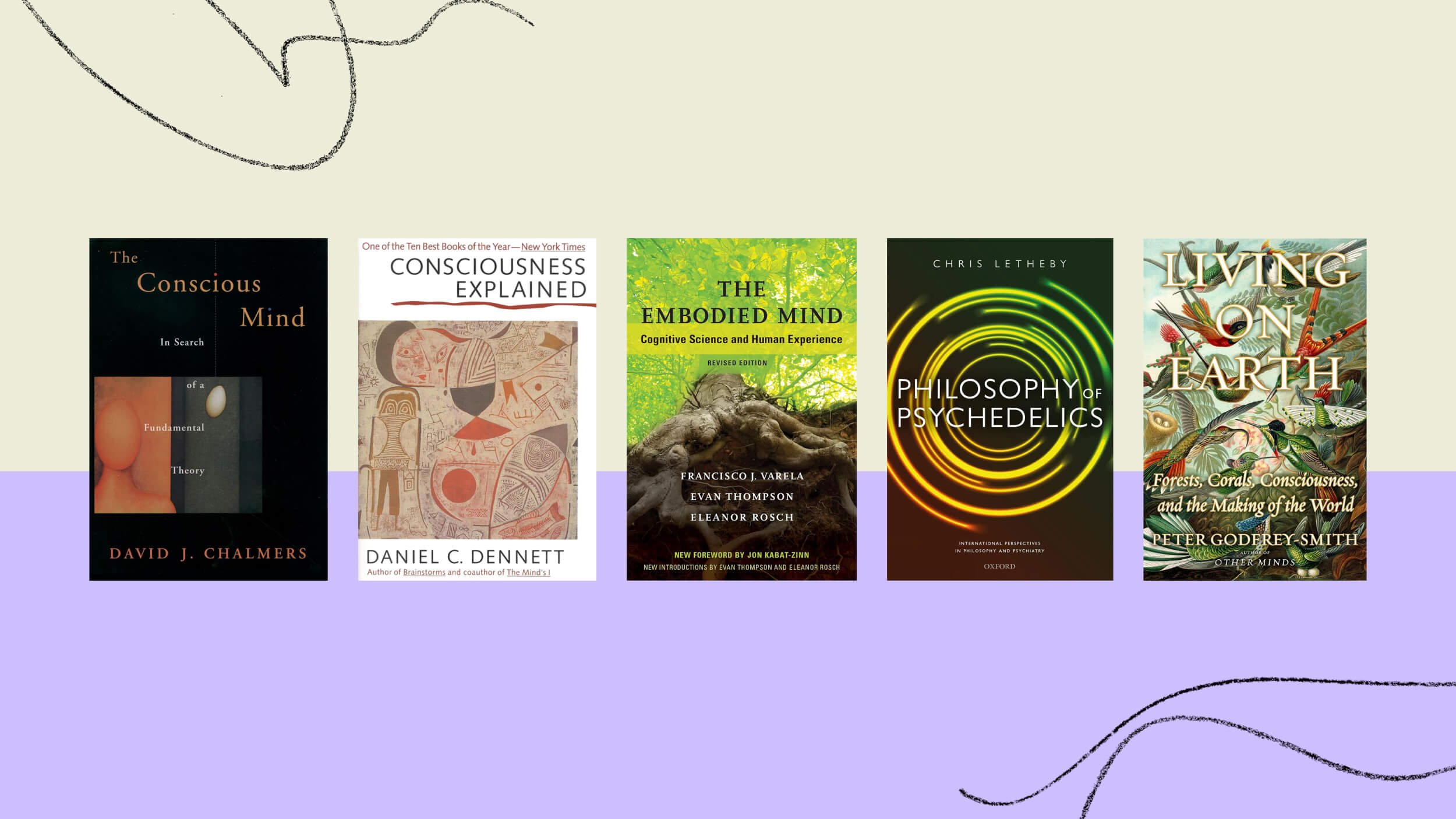
These expert-recommended books try to answer the questions of consciousness, from its fundamental nature to its role in human experience and the natural world.
The psychologist, educator, and former NBA player discusses the professional volumes and childhood stories that shaped his life and his approach to it.
In “After the Spike,” Dean Spears and Michael Geruso show why policy, rather than high population density, has the most significant impact on the environment.