Restaurateur Will Guidara advocates for a team culture in hospitality where asking for help is normalized, emphasizing self-care and support through practices like identifying what fills team members’ “pitchers” and destigmatizing help requests with subtle cues.
Arianna Huffington advocates for celebrating go-givers alongside go-getters, emphasizing that incorporating small acts of giving into our lives can enhance our health and well-being while fostering community support and mindful leadership.
Arianna Huffington emphasizes the importance of rediscovering wonder in our lives through Presence and Storytelling, encouraging us to be present in the moment and connect with others by sharing and learning from our narratives.
Arianna Huffington emphasizes the importance of auditing our lives for wisdom, promoting deep sleep for better decision-making, and communicating thoughtfully while letting go of energy-draining elements to connect with our inner intuition and creativity.
Huffington argues that true success requires a third metric—well-being, wisdom, wonder, and giving—beyond the traditional measures of money and power, as relying solely on the latter can lead to burnout and imbalance in life.
Arianna Huffington argues that true success should encompass well-being, wisdom, wonder, and giving, rather than just wealth and power, challenging the notion that sacrificing happiness and working excessively defines achievement.
In her lesson, Salzberg emphasizes fostering organizational meaning through individual and institutional commitments to compassion, self-care, and resilience, while highlighting the importance of balance to prevent collective burnout.
Organization expert Carson Tate encourages questioning the importance of our “shoulds” using the POWER Method, which helps evaluate their purpose, opportunity, expectations, and truth, ultimately empowering us to prioritize effectively and confidently say “no” when necessary.
In this video lesson, Bill McDermott, CEO of ServiceNow, emphasizes the importance of prioritizing personal relationships and life goals, urging viewers to reflect on how they want to be remembered and to focus on meaningful moments over work obligations.
Work-life balance may be a misleading concept, as true equilibrium between work and life is unattainable; instead, Bill George advocates for “work-life integration,” encouraging thoughtful trade-offs and authentic engagement in all aspects of life to avoid burnout.
Many U.S. employers struggle to offer extended paid parental leave without regulatory changes, but Lauren Smith Brody suggests fostering a supportive culture through flexible policies, open communication, and individualized solutions to enhance employee well-being and commitment.
Cal Newport emphasizes the importance of setting clear boundaries for hybrid and remote teams, suggesting synchronized schedules, designated workspaces, and simulated commutes to enhance efficiency and well-being.
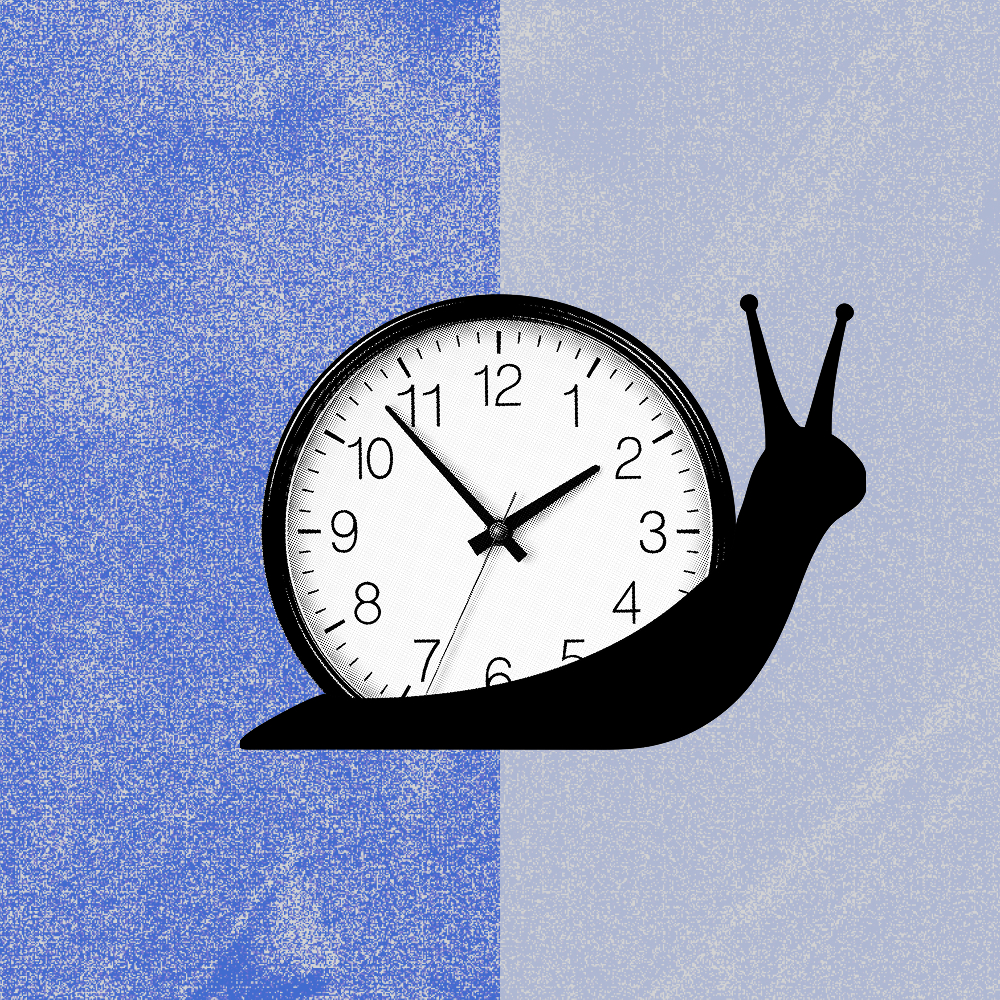
Productivity expert Cal Newport advocates for slowing down to prioritize quality in work, emphasizing the importance of identifying key priorities, enhancing professional skills, and avoiding perfectionism to achieve better outcomes and a more fulfilling work experience.
The Industrial Revolution shaped our work habits towards constant intensity, but productivity expert Cal Newport advocates for a balanced approach that includes rest, realistic task estimates, and mindful work environments to enhance sustained productivity without burnout.
In this video lesson, productivity expert Cal Newport challenges the notion that constant busyness equates to productivity, urging us to redefine success by meaningful outcomes and reclaim our time and energy for work we can truly take pride in.
Despite the pitfalls of multitasking leading to burnout, productivity expert Cal Newport advocates for “slow productivity,” which emphasizes focused, intentional work that prioritizes long-term output over performative tasks, ultimately enhancing both accomplishment and well-being.
Positive psychologist Tal Ben-Shahar emphasizes that while stress can enhance performance, it’s crucial to balance it with recovery—through mini, mid, and macro-level strategies—to prevent burnout and promote overall well-being.
Positive psychologist Tal Ben-Shahar argues that while resilience is valuable, developing antifragility through the SPIRE model—focusing on Spiritual, Physical, Intellectual, Relational, and Emotional well-being—is even more beneficial for achieving happiness.
Professor Yuval Harari discusses how AI’s relentless, “always-on” nature contrasts with human needs for rest, potentially disrupting our daily rhythms, privacy, and decision-making processes as power shifts from humans to machines.
Many individuals experience frustration with workplace technology, but author Nir Eyal argues that the real issue lies in workplace culture, emphasizing the need for psychological safety, employee forums, and modeling focus-friendly behaviors to foster a healthier, more productive environment.
Emma Seppälä from Stanford highlights that our best ideas often emerge during moments of rest, suggesting that scheduling regular breaks can enhance creativity and productivity, especially in a work culture that undervalues time off.