Skip to content


Deepak Chopra advocates for “radical well-being,” urging us to rethink our physical, social, and emotional health through self-reflection and gradual behavior changes, emphasizing that true success encompasses love, compassion, and creativity alongside goal achievement.
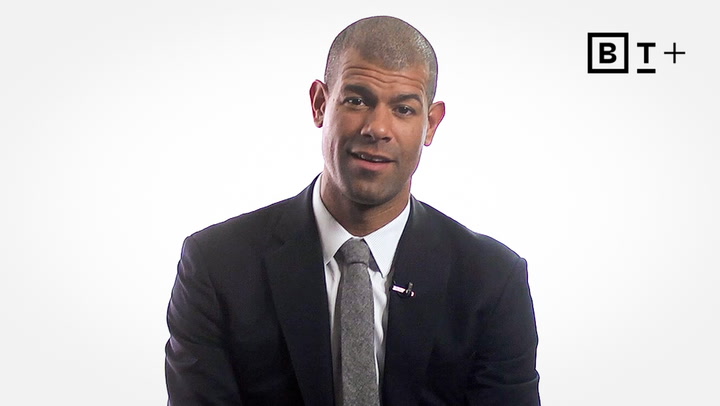
Former NBA player Shane Battier, dubbed “the no stat all-star,” emphasizes that being a valuable team player, rather than focusing solely on statistics, is essential for team success and can lead to recognition and significant rewards.
Shane Battier emphasizes that success, whether in basketball or any organization, hinges on embracing the unique skills of each team member, balancing aggressive offensive strategies with steadfast defensive approaches, and clearly defining roles to optimize performance.
Shane Battier emphasizes the importance of goal setting, habit formation, and a winning mindset in personal productivity, drawing from his NBA journey to illustrate how these principles can enhance individual and team performance.
Arianna Huffington argues that true success should encompass well-being, wisdom, wonder, and giving, rather than just wealth and power, challenging the notion that sacrificing happiness and working excessively defines achievement.
Simon Sinek emphasizes that both individuals and organizations thrive by identifying their “why,” fostering a purpose-driven culture that supports personal growth and honesty in the pursuit of meaningful goals.
Moms, often undervalued despite their extensive skills in efficiency and multitasking gained from caregiving, should take time to recognize their worth and contributions in the workplace, as outlined by Lauren Smith Brody in her video lesson.
Western culture often views mindfulness negatively due to its emphasis on constant productivity, but Jon Kabat-Zinn argues that mindfulness can actually enhance ambition and self-actualization by fostering a healthier relationship with the challenges of being human.
Susan David highlights that while the desire for happiness is universal, common Western beliefs like “happiness is a choice” and “think positive” can create unrealistic expectations, leading to guilt and disconnection from our emotions; instead, she advocates for embracing difficult experiences and focusing on intrinsic values.
In her video lesson, Susan David outlines a four-step process to regain control over your life by recognizing and managing your emotions and thoughts, aligning decisions with your values, and pursuing goals driven by internal motivations rather than external pressures.
American culture prioritizes acquisition, but Amy Cuddy emphasizes that true presence is an ongoing commitment to being emotionally and physically engaged in the moment, requiring self-affirmation and the harnessing of personal power to navigate stress and improve over time.
Designing a fulfilling life involves making deliberate choices about what truly matters, as Ayse Birsel’s reconstruction phase encourages you to identify and rank your top three priorities across emotional, physical, intellectual, and spiritual quadrants, ultimately guiding your daily actions and energy.
Designer Ayse Birsel advocates for deconstructing your life into its basic components—emotional, physical, intellectual, and spiritual—to reclaim agency and optimism, allowing for a fresh perspective and the ability to reshape your life.
To reconcile the tension between childhood aspirations and the realities of the working world, embrace flexibility in your career path while remaining grounded in your core values, allowing for personal growth and unexpected opportunities.
Self-actualization, a concept by Abraham Maslow, involves fulfilling one’s potential through intentional living, and Sir Ken Robinson suggests two strategies—using aptitude tests critically and conducting an internal inventory of weekly activities and associated aptitudes—to navigate external pressures that may hinder this journey.
Sir Ken Robinson emphasizes that finding your place in the world is a dialogue between your passions and societal needs, urging exploration of both internal desires and external realities to discover your true potential and contributions.
In this lesson, developmental psychologist Howard Gardner outlines ten classifications of intelligence, encouraging viewers to reflect on their own strengths and those of their colleagues while considering whether to focus on enhancing strengths or addressing weaknesses.
In this lesson, Tony Coles emphasizes the importance of self-knowledge for decision-making by sharing strategies to align with your moral compass, learn from failures, and courageously uphold your beliefs in challenging situations.
This class, led by experts like Lisa Lampanelli and Amy Cuddy, teaches essential communication skills for authentic audience connection, focusing on storytelling, self-awareness, and adapting to diverse perspectives in today’s multicultural workplace.