Skip to content


Even the most qualified hires require structured training to clarify expectations, enhance engagement, and boost productivity; without a training plan, new employees struggle to integrate and perform effectively, ultimately impacting team performance.
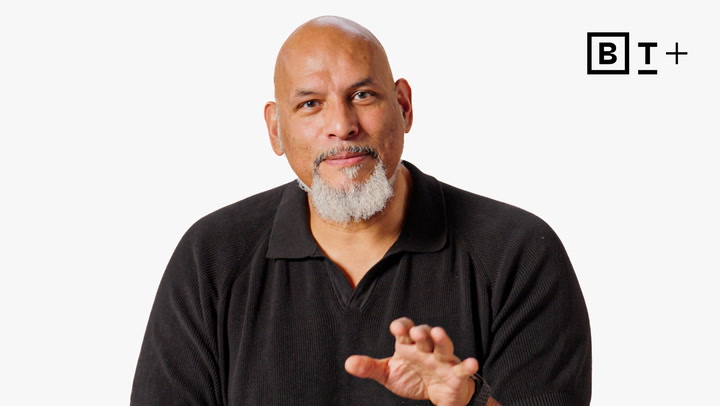
In elite sports, true greatness stems from enduring the monotony of basic drills and overcoming frustration, as highlighted by former NBA player John Amaechi, who emphasizes that mastery requires focused effort and well-executed practice rather than just flashy performances.
Deepak Chopra advocates for “radical well-being,” urging us to rethink our physical, social, and emotional health through self-reflection and gradual behavior changes, emphasizing that true success encompasses love, compassion, and creativity alongside goal achievement.
In her lesson, Salzberg emphasizes fostering organizational meaning through individual and institutional commitments to compassion, self-care, and resilience, while highlighting the importance of balance to prevent collective burnout.
A vision drives motivation and purpose, but not everyone is a natural visionary; instead of seeking personal clarity, Simon Sinek suggests supporting a leader or organization with a compelling vision and focusing on collective efforts to ignite passion and purpose.
Personal success varies greatly among individuals, but without a clear understanding of their “why,” they risk losing direction in their pursuit of happiness and fulfillment, as emphasized by leadership consultant Simon Sinek, who advocates for purposeful decision-making in career choices.
Moms, often undervalued despite their extensive skills in efficiency and multitasking gained from caregiving, should take time to recognize their worth and contributions in the workplace, as outlined by Lauren Smith Brody in her video lesson.
Former CIA operative Andrew Bustamante shares how the “win or die trying” mindset can enhance leadership by fostering accountability, minimizing distractions, and promoting excellence in business through strategic decision-making and support for high performers.
Susan David highlights that while the desire for happiness is universal, common Western beliefs like “happiness is a choice” and “think positive” can create unrealistic expectations, leading to guilt and disconnection from our emotions; instead, she advocates for embracing difficult experiences and focusing on intrinsic values.
In this video lesson, Susan David emphasizes that understanding and affirming your values is crucial for guiding your path to success and well-being, helping you resist negative biases and impulses while fostering resilience and happiness.
American culture prioritizes acquisition, but Amy Cuddy emphasizes that true presence is an ongoing commitment to being emotionally and physically engaged in the moment, requiring self-affirmation and the harnessing of personal power to navigate stress and improve over time.
Cal Newport emphasizes that while frequent email and social media checks are common, they lead to “continuous partial attention,” hindering productivity, and suggests adopting deep work strategies to enhance focus and efficiency in achieving high-quality results.
Productivity expert Cal Newport advocates for slowing down to prioritize quality in work, emphasizing the importance of identifying key priorities, enhancing professional skills, and avoiding perfectionism to achieve better outcomes and a more fulfilling work experience.
In this video lesson, productivity expert Cal Newport challenges the notion that constant busyness equates to productivity, urging us to redefine success by meaningful outcomes and reclaim our time and energy for work we can truly take pride in.
In sports and life, rushing into decisions can lead to negative outcomes, so Jon Acuff advises channeling impatience into thoughtful preparation by assessing motivations, seeking honest feedback from friends, and ensuring your character and relationships are aligned before making significant jumps.
Positive psychologist Tal Ben-Shahar argues that viewing work merely as an obligation limits fulfillment, but by identifying meaningful aspects of your job, you can transform it into a calling, enhancing your spiritual well-being and overall happiness.
In his Big Think+ expert class, positive psychologist Tal Ben-Shahar addresses the “happiness paradox,” suggesting that instead of avoiding hardship, embracing it can lead to greater happiness through the SPIRE model, fostering an “antifragile” mindset.
Businesses must recognize their profound responsibilities to society when engaging with AI, as its influence on privacy and decision-making can reshape industries and everyday life, necessitating a comprehensive understanding of various fields to anticipate potential consequences.
In a competitive business landscape, prioritizing employees’ emotional well-being and relationships, as advocated by psychologist Daniel Goleman, can lead to long-term success, with leaders fostering a high emotional intelligence environment through clear expectations and genuine care.
Designing a fulfilling life involves making deliberate choices about what truly matters, as Ayse Birsel’s reconstruction phase encourages you to identify and rank your top three priorities across emotional, physical, intellectual, and spiritual quadrants, ultimately guiding your daily actions and energy.
Designer Ayse Birsel advocates for deconstructing your life into its basic components—emotional, physical, intellectual, and spiritual—to reclaim agency and optimism, allowing for a fresh perspective and the ability to reshape your life.
To reconcile the tension between childhood aspirations and the realities of the working world, embrace flexibility in your career path while remaining grounded in your core values, allowing for personal growth and unexpected opportunities.
Self-actualization, a concept by Abraham Maslow, involves fulfilling one’s potential through intentional living, and Sir Ken Robinson suggests two strategies—using aptitude tests critically and conducting an internal inventory of weekly activities and associated aptitudes—to navigate external pressures that may hinder this journey.
Sir Ken Robinson emphasizes that finding your place in the world is a dialogue between your passions and societal needs, urging exploration of both internal desires and external realities to discover your true potential and contributions.
Professor Temple Grandin emphasizes the importance of cultivating resilience through four principles: embracing failure, seeking supportive mentors, connecting with like-minded friends, and identifying your prime directive to navigate life’s challenges effectively.
In this lesson, Tony Coles emphasizes the importance of self-knowledge for decision-making by sharing strategies to align with your moral compass, learn from failures, and courageously uphold your beliefs in challenging situations.
Dan Pontefract highlights the benefits of a sense of purpose for individuals and organizations, emphasizing that alignment with personal purpose can reduce disease risk, enhance business outcomes, and warning against leadership practices that prioritize profit over purpose, leading to employee disengagement.
This class, led by experts like Lisa Lampanelli and Amy Cuddy, teaches essential communication skills for authentic audience connection, focusing on storytelling, self-awareness, and adapting to diverse perspectives in today’s multicultural workplace.