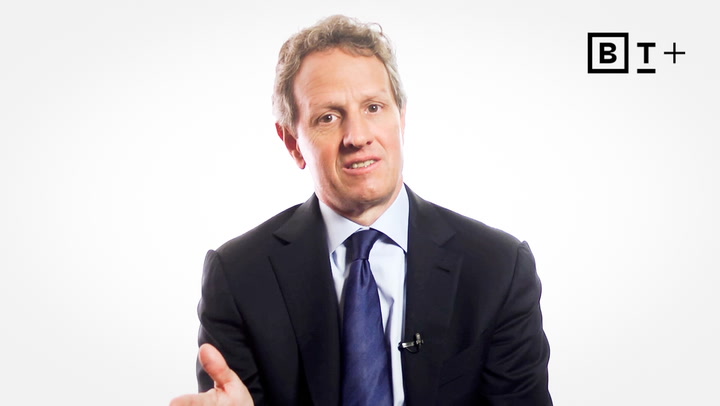
Organizational culture, crucial for effective decision-making in crises, emphasizes psychological qualities like collaboration and trust, as highlighted by former U.S. Treasury Secretary Timothy, who advocates for diverse perspectives and a supportive environment free from competitive behavior.
Leadership hinges on choosing between fear and love as motivators; while fear may ensure compliance, fostering loyalty and commitment through trust, respect, and psychological safety ultimately strengthens a team’s resilience and creativity in challenging times.
Dan Shapiro emphasizes the importance of addressing five core emotional concerns—appreciation, autonomy, affiliation, status, and role—to foster a positive and productive work environment, stating that effectively managing these concerns enhances leadership power.
This class, led by experts like Amy Cuddy and Tony Coles, focuses on developing presence, emotional intelligence, and self-knowledge to enhance personal and professional growth, emphasizing the importance of self-affirmation, leadership dynamics, and creating a supportive workplace culture.
In response to low employee engagement, TELUS, led by Chief Envisioner Dan Pontefract, transformed its culture to prioritize transparency and collaboration, resulting in a remarkable increase in engagement scores from 53% to 87%, over 300% shareholder return, and a significant rise in job applications.
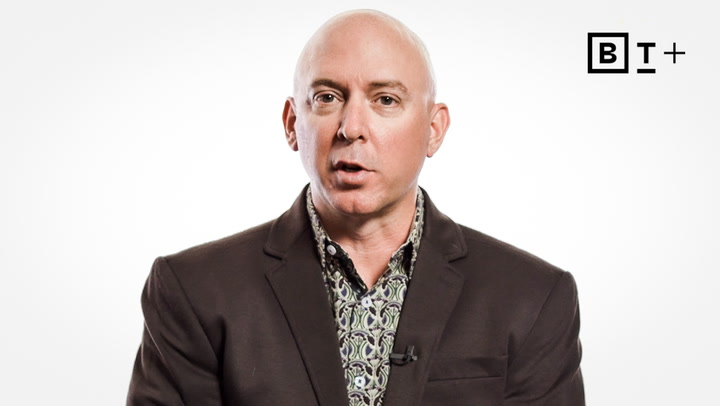
Dan Pontefract highlights the benefits of a sense of purpose for individuals and organizations, emphasizing that alignment with personal purpose can reduce disease risk, enhance business outcomes, and warning against leadership practices that prioritize profit over purpose, leading to employee disengagement.
To foster engagement and prevent disillusionment, employees and organizations must align personal and organizational purposes, creating a “sweet spot” that benefits customers, employees, and the overall organization while prioritizing ethical practices and shared values.
Dan Pontefract, TELUS’s Chief Envisioner, introduces the Collaborative Leader Action Model (CLAM), which emphasizes emotional and transformational connections in leadership, guiding leaders through a structured process of connection, evaluation, communication, execution, confirmation, and celebration of outcomes.
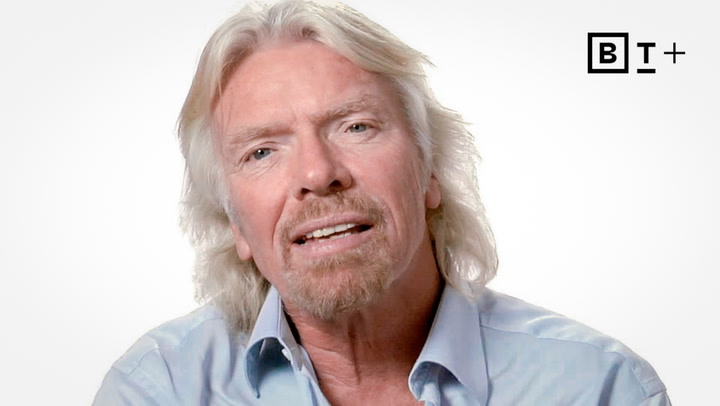
Richard Branson emphasizes the importance of effective delegation in leadership, advocating for genuine praise to help team members flourish and trusting them to learn from their own mistakes to foster autonomy and success within the Virgin Group.
This class emphasizes that effective leadership relies on fostering psychological safety and trust, encouraging genuine commitment through empathy, delegation, and intrinsic motivation, while providing practical strategies to inspire meaningful engagement and resilience within teams.
Video game designer Jane McGonigal argues that games can train for real life by fostering a challenge mindset at work, encouraging employees to choose their own challenges and set personal goals, which minimizes a threat-based mentality.
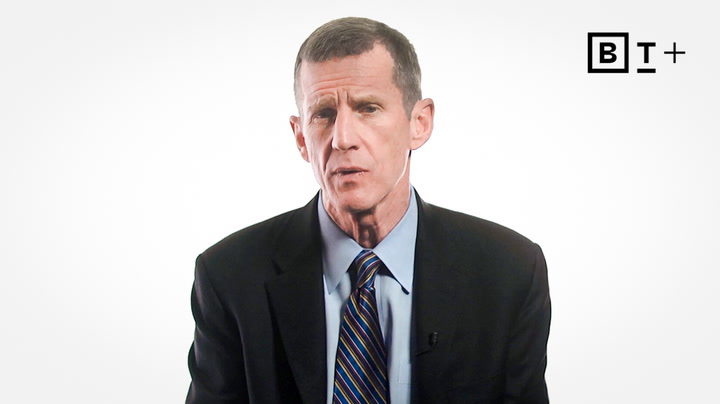
Retired four-star general Stanley McChrystal discusses fostering shared consciousness and team-based performance incentives to align individuals with organizational goals, emphasizing transparency to prevent rogue behavior and encouraging collective success over individual achievements.
General Stanley McChrystal emphasizes the importance of communication in leadership, advocating for transparency, shared consciousness, and strategic overlaps in responsibilities to build trust and streamline information flow across teams and business units.