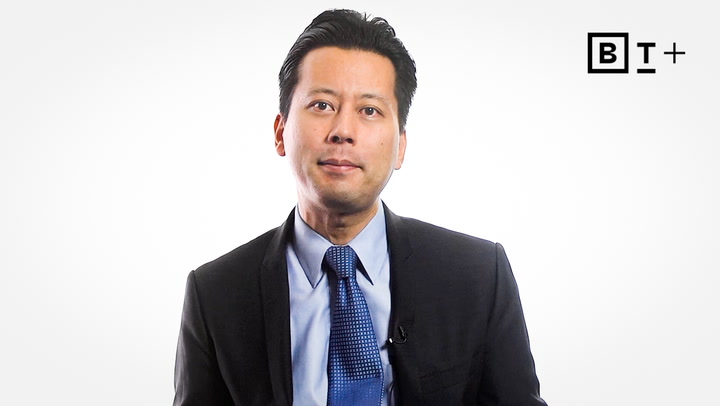
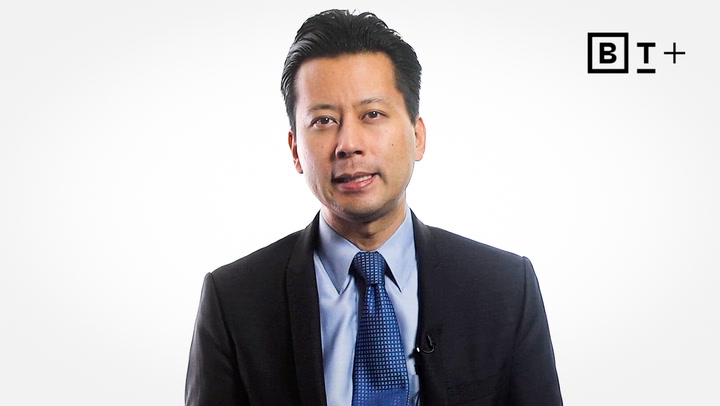
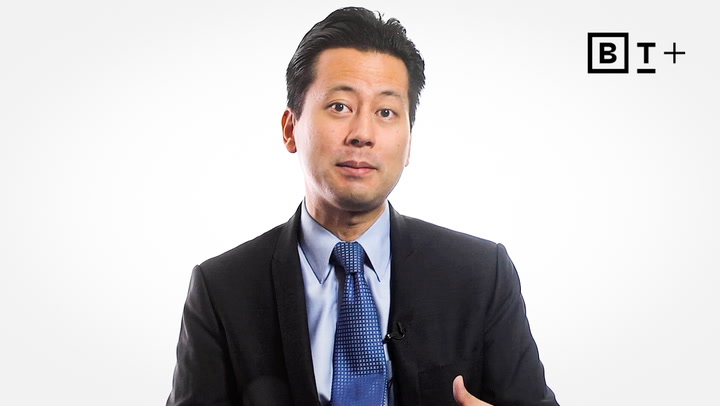
Kenji Yoshino’s research highlights the inadequacy of many diversity initiatives since the 1960s, proposing a three-step framework—diagnose, analyze, and act—to effectively address identity covering in workplaces and foster genuine inclusion.
Kenji Yoshino’s research highlights the gap between organizations’ stated and lived inclusion values, urging leaders to engage in meaningful dialogue with employees to align practices with core values and address any discrepancies.
Kenji Yoshino discusses Robert Putnam’s bonding and bridging capital, emphasizing that while bonding capital unites individuals within groups, bridging capital fosters connections across diverse groups, advocating for combined bonding and bridging activities to prevent isolation in organizations.
Kenji Yoshino’s research highlights that covering demands from leaders significantly diminish employee commitment and engagement, emphasizing the need for leaders to actively support diversity initiatives to fully harness their workforce’s talents.
Covering, the tendency to downplay stigmatized aspects of identity, affects individuals across various groups, particularly minorities, and understanding its four axes—appearance, affiliation, advocacy, and association—can enhance inclusivity and bridge-building in the workplace.
Sociologist Erving Goffman introduced “covering” in 1963 to describe efforts by individuals with stigmatized identities to downplay their stigma, a concept later expanded by Kenji Yoshino, who found that everyone, including straight white men, engages in covering, fostering solidarity through shared experiences.
As workplaces evolve into total institutions that demand more of individuals, leaders must prioritize authenticity and support human flourishing, as 61% of employees report covering, which significantly harms their sense of self.
In this lesson, Sharon Salzberg teaches how to integrate interdependence into organizational culture through guided reflection, encouraging participants to recognize their impact on the world and redefine success in an interconnected context.
Sharon Salzberg teaches that compassion is a skill requiring balance and practice, especially for leaders, and guides participants through essential questions and a loving-kindness meditation to cultivate this vital quality.
In her lesson, Salzberg emphasizes fostering organizational meaning through individual and institutional commitments to compassion, self-care, and resilience, while highlighting the importance of balance to prevent collective burnout.
Recognizing that strengths can become weaknesses when overemphasized, it’s essential to manage both your own and others’ strengths by identifying when to dial them up or down, ensuring they enhance rather than hinder relationships and performance.
Todd Davis emphasizes that while electronic communication, particularly email, is effective for building relationships, it requires overcommunication to ensure clarity, as tone and emotion can be easily misinterpreted without face-to-face interaction.
Psychological studies reveal that even infants possess a natural impulse to help others, highlighting the importance of reflective listening—an empathetic approach that prioritizes understanding over judgment, allowing individuals in distress to feel heard and supported.
Healthy relationships rely on mutual trust and goodwill, akin to an emotional bank account where genuine acts of kindness build deposits, while emotional withdrawals can create imbalance; thus, consistent, sincere interactions are essential for maintaining and repairing these connections over time.
Lawrence Summers emphasizes that effective problem-solving begins with clearly defining the issue, grounding oneself in core principles, and analyzing universal aspects of the situation to enhance decision-making.
Great managers meet their team members where they are by understanding their habit tendencies—Upholders, Questioners, Obligers, and Rebels—enabling effective habit formation and fostering collaboration, patience, and reduced resentment within the team.
Effective mission success, whether in space exploration or business, relies on robust contingency planning and the ability to improvise solutions when critical systems fail, leveraging team skills to adapt to unforeseen challenges.
NASA exemplifies innovation under pressure through “situationally appropriate leadership,” where diverse, empowered individuals on the frontlines lead problem-solving efforts, fostering adaptability and efficiency while enhancing talent retention and collaboration.
Rasmus Hougaard argues that integrating mindfulness and kindness into business practices enhances customer satisfaction and employee engagement, ultimately making kindness a competitive advantage that fosters deeper connections in an uncertain world.
Rasmus Hougaard’s lesson on mindfulness emphasizes focused attention as a foundation for developing advanced awareness, fostering connection and compassion, achieving balance through a beginner’s mind, practicing acceptance, and effectively dealing with change.
In volatile markets, CEO Brent Gleeson emphasizes that resilience—rooted in adaptable mindsets, agile behaviors, and strategic execution—must replace outdated hierarchies to foster growth and engagement within organizations.
Real accountability, as emphasized by CEO Brent Gleeson, involves individuals taking full responsibility for project outcomes, fostering a culture of trust and resilience, and requires leaders to model this behavior by owning mistakes and prioritizing ethical values in peer reviews.
Brent Gleeson emphasizes that trust is essential for team success, advocating for trustworthy leadership, transparent communication, and authentic empowerment to build a strong organizational culture that compensates for individual weaknesses and fosters collaboration.
In his video lesson, CEO Brent Gleeson emphasizes that fostering a cohesive team mindset, driven by leaders, is essential for overcoming individualistic incentives and achieving shared goals through collaboration, trust, and a collective sense of purpose.
Brent Gleeson emphasizes the importance of cultural transformations over metric-focused goals for effective change, outlining steps to inspire emotional investment, assign change evangelists, and communicate progress through purposeful storytelling in his culture-driven transformation model.
Transforming an organization’s culture is challenging but essential; CEO Brent Gleeson outlines a three-step Culture-Driven Transformation Model that emphasizes performing a culture diagnostic, engaging employees, and defining mindsets to drive meaningful change and mission success.
In a rapidly evolving business landscape, CEO Brent Gleeson emphasizes that successful organizational transformation hinges on cultivating a strong culture, as engaged employees are crucial for navigating change and achieving objectives amidst fierce competition and limited resources.
An inflection point marks a shift in trajectory, and business consultant Rita McGrath suggests viewing life as a series of these moments, encouraging us to assess our decisions by asking if they expand our options and offer learning opportunities for better choices.
Paradigm shifts, like those introduced by Copernicus, Newton, and Darwin, also affect economies, with innovation consultant Rita McGrath highlighting the rise of stakeholder capitalism and consumer protection concerns, urging businesses to adapt to these emerging signals for long-term success.
Business innovation expert Rita McGrath emphasizes the importance of recognizing market inflection points and adapting strategies around emerging technologies and new business models to ensure survival and success, while also preparing for increased competition.