Leadership strategist Dan Pontefract argues that effective workers balance action with reflection, taking time to introspect, learn from mistakes, and prioritize tasks, emphasizing that the best workers think as much as they do.
Lisa Bodell, Founder and CEO of FutureThink, teaches how to lead teams through her “Wildcards” thought experiment, which encourages agile responses to change by having small groups tackle a problem and adapt to unexpected shifts in its definition.
Lisa Bodell, Founder and CEO of FutureThink, shares an exercise to foster innovation by having teams identify obstacles to problem-solving, swap lists, and collaboratively turn challenges into achievable solutions.
Lisa Bodell, CEO of FutureThink, emphasizes overcoming inertia in change management through “Little Bigs”—small exercises that encourage innovative thinking and behavior shifts, such as brainstorming risky ideas, involving outsiders in problem-solving, and empowering team members to make independent decisions.
Lisa Bodell, Founder and CEO of FutureThink, discusses her “Kill a Simple Rule” exercise, which empowers teams to challenge existing rules and foster innovative cultures by allowing them to change two rules while identifying non-negotiable ones.
In this video, FutureThink’s Lisa Bodell presents a team exercise that encourages companies to adopt their competitor’s perspective, identify their weaknesses, and strategize on how to leverage those insights for innovation and change.
FutureThink CEO Lisa Bodell emphasizes that to thrive in a rapidly changing market, it is essential to challenge outdated thinking and embrace innovation by developing new ideas.
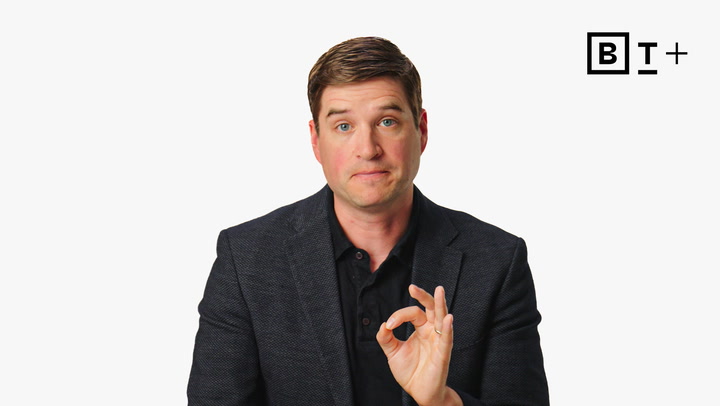
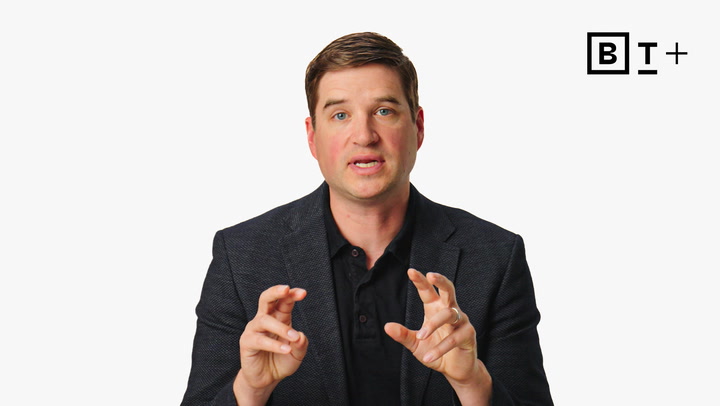
In this video lesson, Charles Duhigg explores how Disney’s “Frozen” overcame developmental challenges using the “Disney Method,” emphasizing that creativity stems from a process of combining existing knowledge and experiences to innovate effectively.
Google’s research revealed that team success relies not on member qualities but on psychological safety, characterized by equality in conversational turn-taking and social sensitivity, which can be fostered by leaders through inclusive practices and attentiveness to team dynamics.
Charles Duhigg suggests improving productivity by prioritizing a “stretch goal” at the top of your To-Do list, followed by “SMART goals” that break down your big ambition into manageable tasks, avoiding the pitfalls of mood-repairing trivial tasks.
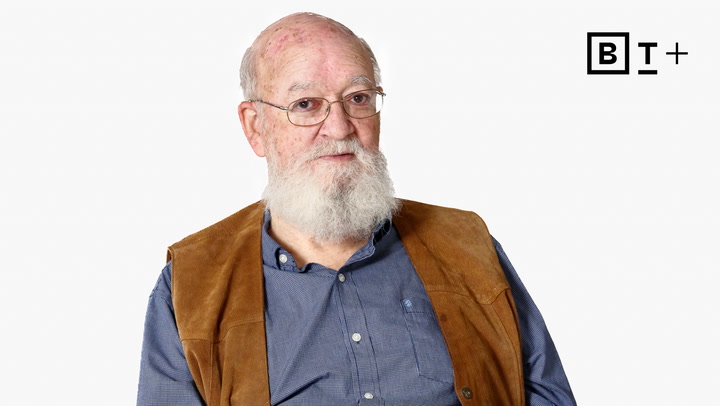
In a video lesson, philosopher Daniel Dennett explores the neurological basis of humor, explaining how our brains catch mistakes, the emotional interplay involved, and how humor can challenge assumptions and reveal important truths.
Analogies can effectively clarify complex ideas by drawing comparisons, but philosopher Daniel Dennett warns they can also mislead; thus, it’s essential to test their validity, acknowledge critical differences, and refine them through discussion with others.
Philosopher Daniel Dennett offers time-tested techniques from philosophy and cognitive science to help navigate modern challenges like “fake news” and AI, emphasizing the importance of inquiry and critical thinking in uncovering the truth.
Improvisational comedy teaches that effective workplace collaboration hinges on active listening and engagement, encouraging a “yes, and” mindset that fosters open-mindedness and connection, ultimately enhancing communication and career success.
In today’s complex marketplace, effective leaders must balance self-management, network influence, and team collaboration to close performance and opportunity gaps, transforming from mere bosses into value creators and game changers.
Productivity expert Cal Newport advocates for slowing down to prioritize quality in work, emphasizing the importance of identifying key priorities, enhancing professional skills, and avoiding perfectionism to achieve better outcomes and a more fulfilling work experience.
The Industrial Revolution shaped our work habits towards constant intensity, but productivity expert Cal Newport advocates for a balanced approach that includes rest, realistic task estimates, and mindful work environments to enhance sustained productivity without burnout.
Professor Michael Watkins emphasizes that instead of being overwhelmed by AI, professionals should actively engage with it to enhance strategic thinking, problem-solving, and career advancement by challenging AI to produce smarter, more creative solutions.
Professor Michael Watkins emphasizes that to effectively achieve a strategic vision, organizations must dream big while starting small, engaging their teams early to create a compelling, shared vision that balances ambition with achievability.
The “fail fast” mantra, while popular among entrepreneurs, can lead to unpreparedness for success, as it often distracts from planning for positive outcomes and neglects the realities faced by those without safety nets, emphasizing the need for strategic preparation for both failure and success.
Curiosity, when nurtured through deep engagement with material, enhances intellectual well-being and is linked to longer, more productive lives, emphasizing the importance of slow learning and dedicated time for exploration and analysis.
Albert Einstein’s warning against uniform thinking highlights the dangers of groupthink, which can stifle innovation and growth; organizational psychologist Adam Grant emphasizes the importance of diverse perspectives and strategies to counteract the HIPPO Effect in leadership.
Organizational psychologist Adam Grant argues that traditional group brainstorming stifles potential, advocating for individual idea generation followed by group evaluation to harness diverse perspectives and overcome self-limiting beliefs, ultimately enhancing team effectiveness and leadership.
The emergence of AI like AlphaGo, which developed unexpected strategies in the ancient game of Go, challenges our understanding of machines as mere tools, prompting profound questions about coexisting with an intelligence that can create and innovate beyond human comprehension.
Forbes highlights that companies with strong cultures can achieve 4x revenue growth, and Executive Advisor Tiffani Bova emphasizes that trusted leadership, cross-functional collaboration, and diversity of thought are essential for fostering an engaging work environment that benefits both employees and customers.
In a video lesson, restaurateur Will Guidara emphasizes that both defensive and offensive strategies are crucial for business success, advocating for small, impactful cuts during tough times and encouraging team creativity to drive innovation and revenue growth.
Leadership expert Simon Sinek emphasizes that worthy rivals inspire improvement through process-focused competition, a principle restaurateur Will Guidara applied at Eleven Madison Park, encouraging professionals to learn from competitors to foster innovation and enhance their own offerings.
Theme parks like Disneyworld enhance guest experiences through pattern recognition and creative responses, such as personalizing interactions with buttons and alleviating wait times with entertainment, as explained by restaurateur Will Guidara in his video lesson on tailored hospitality.
Restauranteur Will Guidara emphasizes the importance of “one size fits one” hospitality, encouraging businesses to embrace individual uniqueness by creating tailored experiences that foster meaningful relationships and elevate customer satisfaction through intentional service.
Engaging in “unreasonable hospitality,” as defined by restaurateur Will Guidara, can be your strongest competitive advantage in sales by making customers feel valued, and it can be creatively and systematically implemented without being exhausting.