emotional intelligence
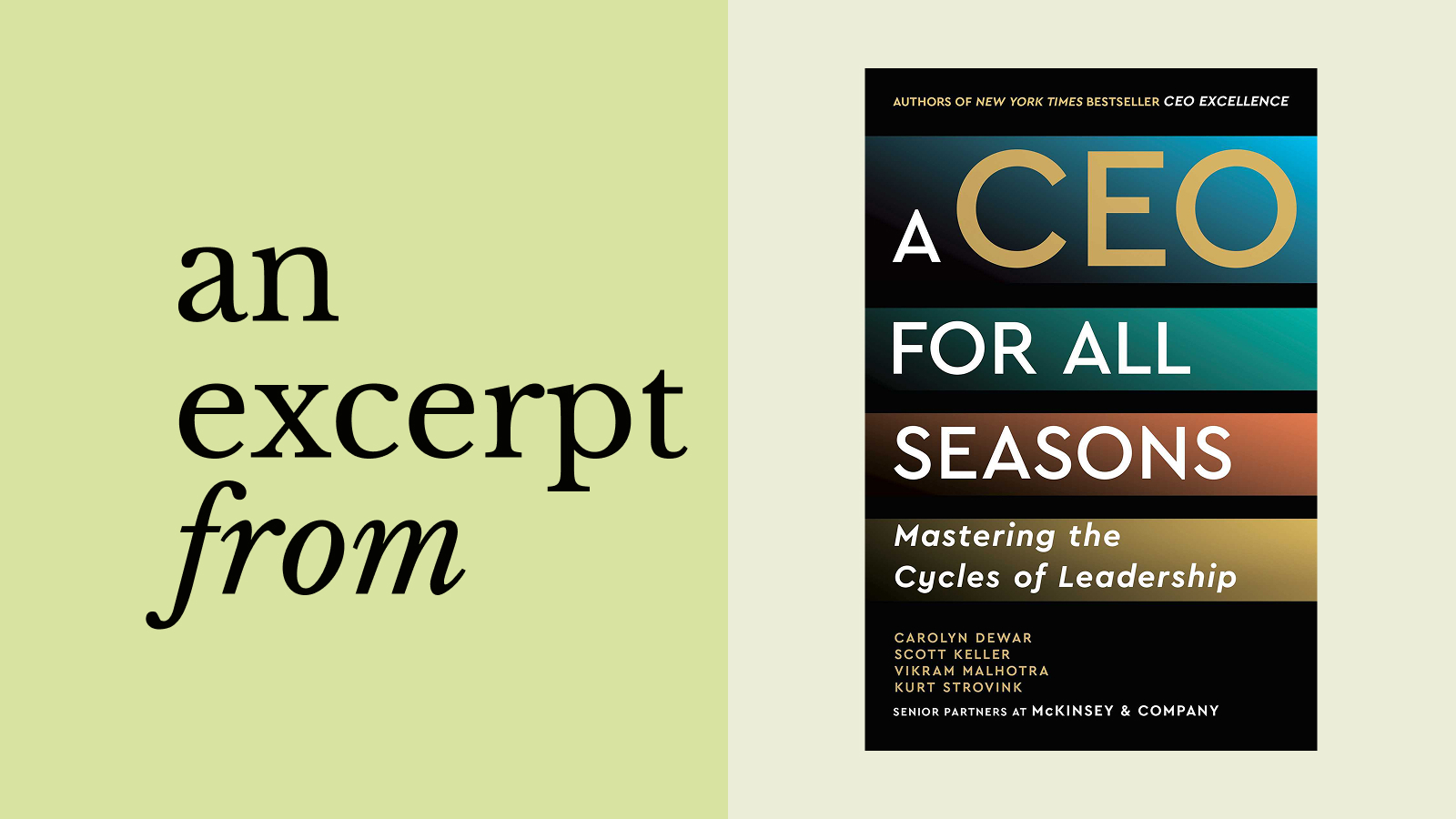
Why the best CEOs make their first year both a personal transition and a profound moment of institutional renewal — with this quartet of skills.

Reality TV star, music producer, and serial entrepreneur JoJo Simmons on the power of listening and the massive benefits of switching off.

It’s OK to hate a frigid pond.
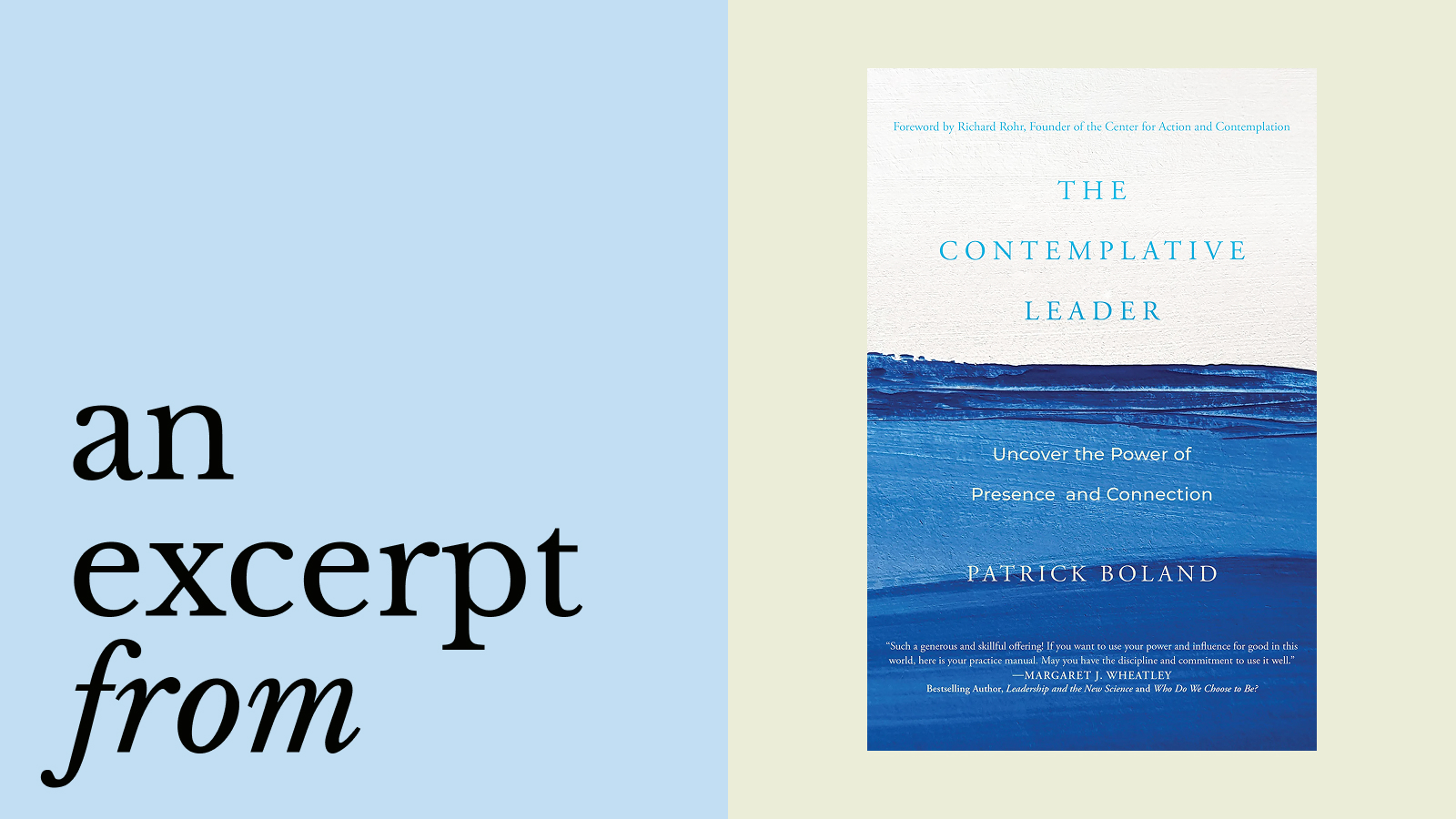
A contemplative approach to leading others can help us accept the tension of not always knowing how things will play out.
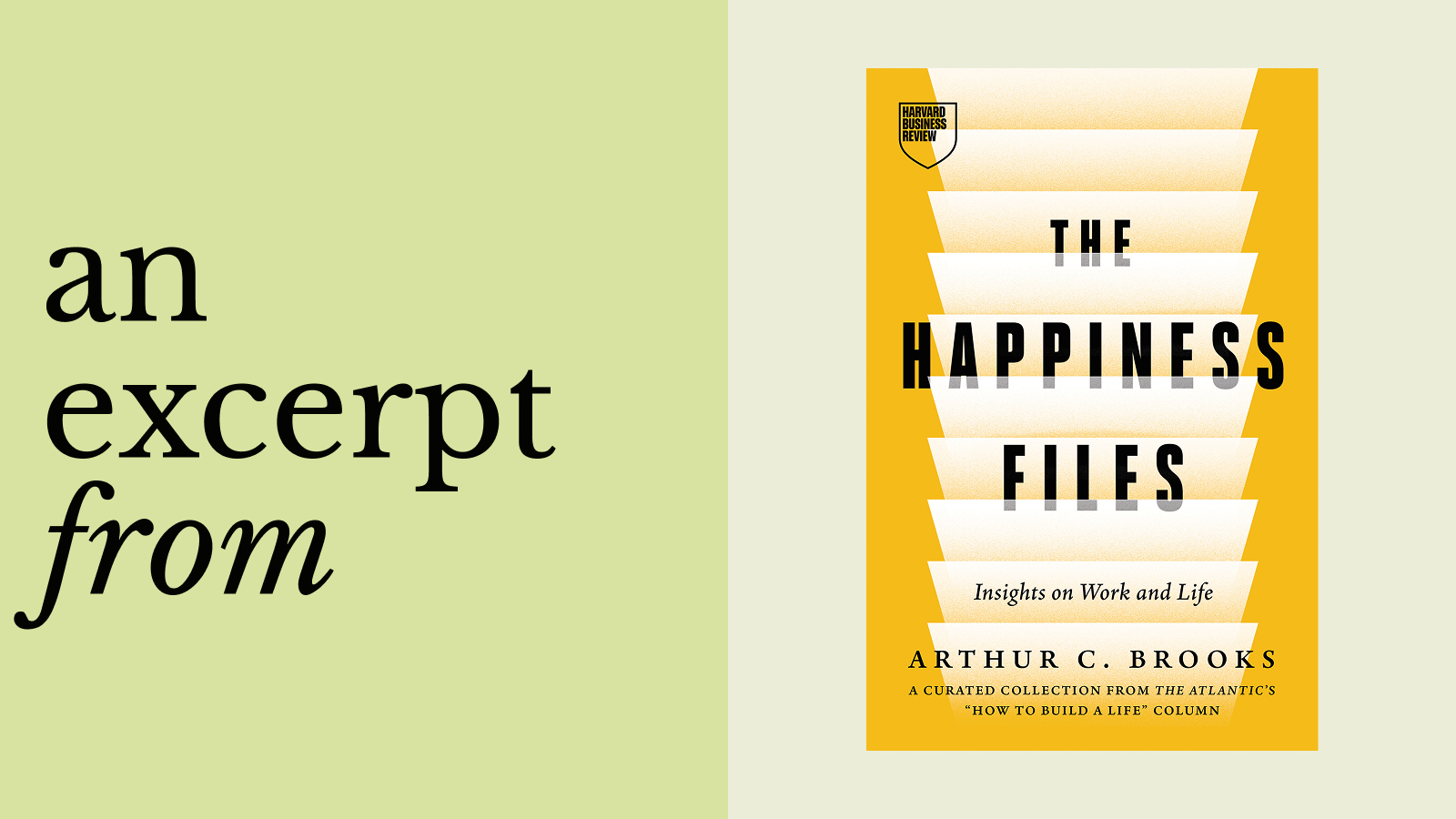
Harvard Kennedy School professor and author Arthur C. Brooks guides us through the give-and-take of feedback — even when it is negative.

Social entrepreneur Aaron Hurst explains why the decline of social connection is the greatest challenge of our time — and offers a roadmap for restoration.

It’s something to wrestle and live with, says behavioral scientist Arthur Brooks.

The benefits of compassion in the workplace are manifold — but leaders should retain an intentional focus on mental, emotional, and physical balance.

A mid-flight scare reveals how embracing death can bring purpose and meaning to everyday life.

Most of us think we’re good listeners, but we’re wrong — and it’s ruining our relationships.
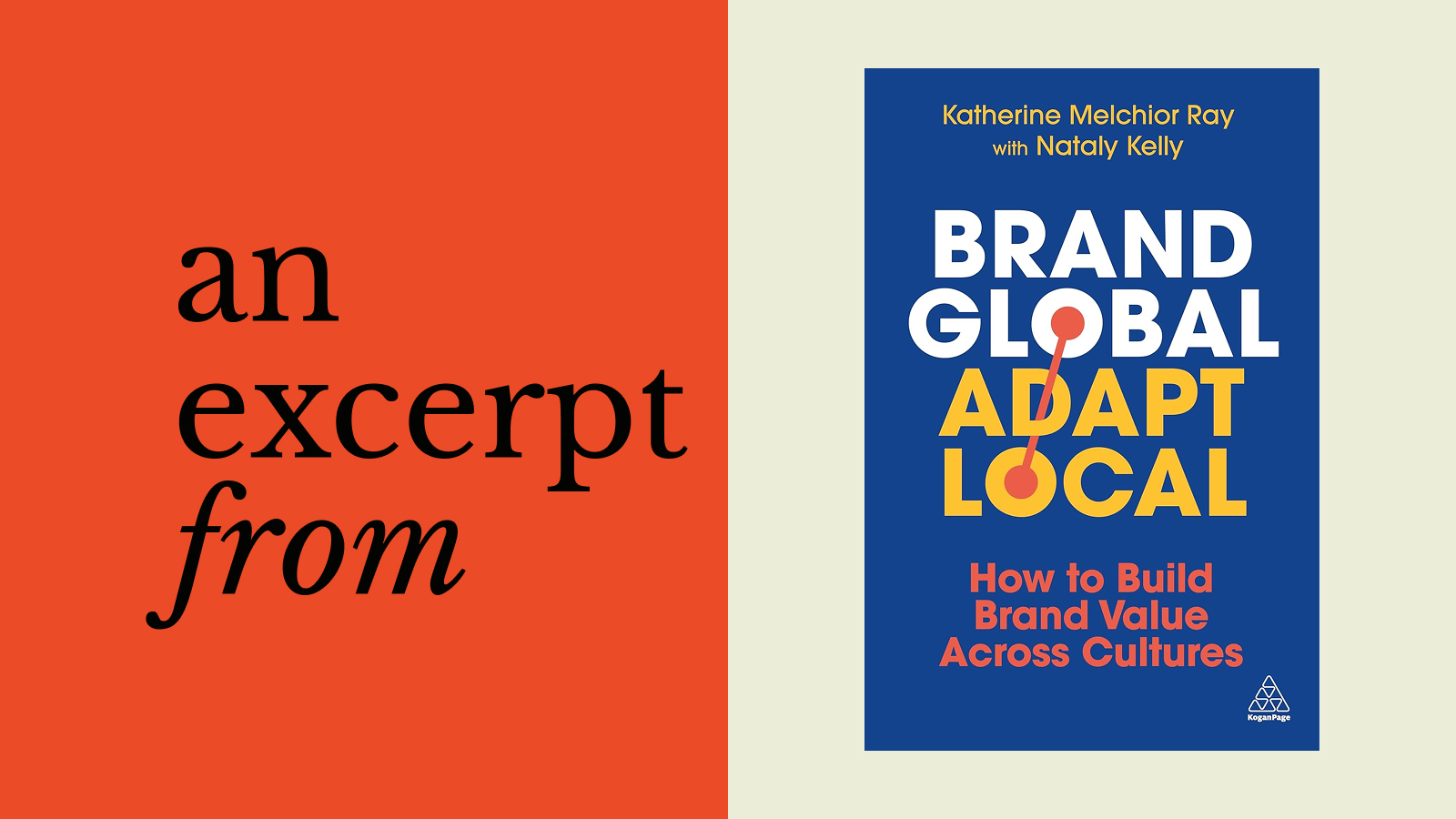
To be culturally intelligent, you must be curious and open-minded — and the benefits can be transformative.
The corporate world is no cake walk — as a leader you need a framework that can equip you for the cross-pressures.
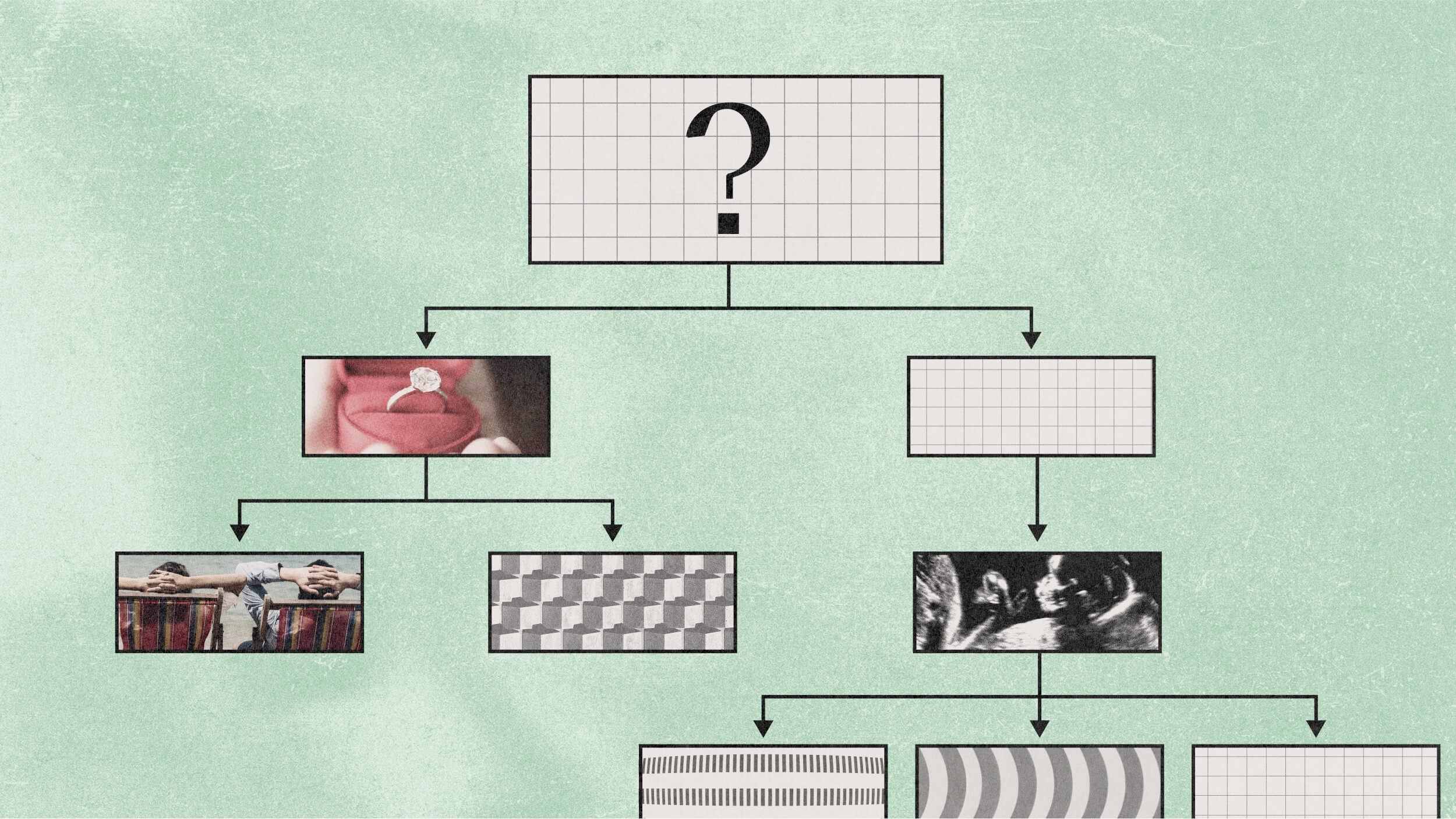
Annie Duke, a poker champion turned decision scientist, talks with Big Think about how to choose well under uncertainty.


The child has no control at all and the adult tries to control too much. But there is a third way.
Harness the power of “respectful engagement” to make sure everyone in your team feels like they matter.

Curiosity is often considered a personality quirk. Neuroscience paints a different picture.

Grandmasters and drug dealers have one thing in common: They are many steps ahead of their rivals.
“Try to love the questions themselves, like locked rooms, like books written in a truly foreign language.”

Those who know who they are — and what they truly value — refuse to compromise their authentic direction to placate others.

Our brains cling to the bad. This method could help balance the scales.
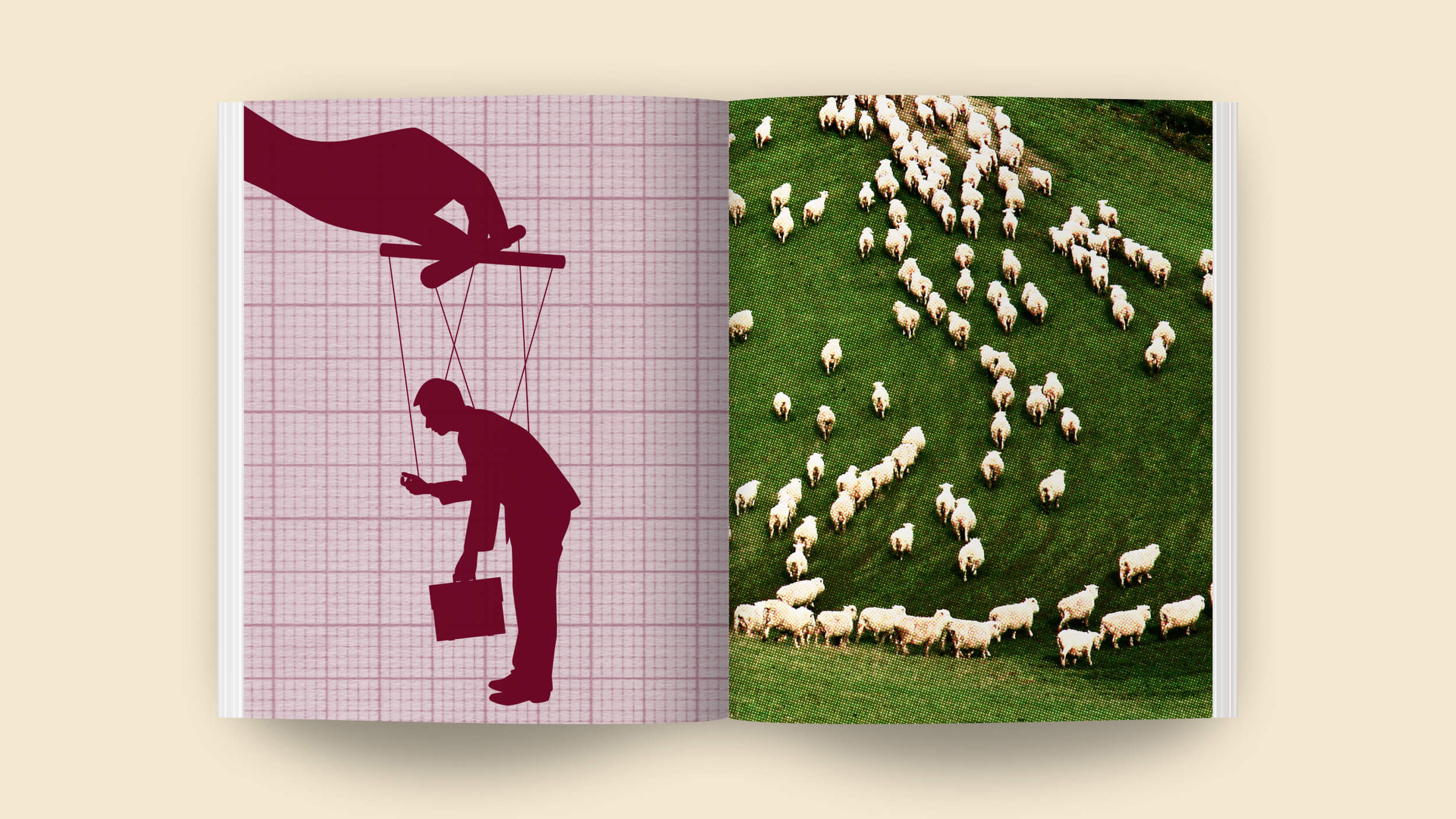
We manipulate constantly — but few of us want to be called “manipulative.” Here, ex-Google executive Jenny Wood redefines an unfairly maligned trait.

When your life’s truth and the reality you live become out of sync, you risk falling into an “anxiety spiral.”

Neuroscientist Anne-Laure Le Cunff on how to spot and break free from cognitive scripts that limit personal growth.

When plans fall apart, adaptability can build something better.
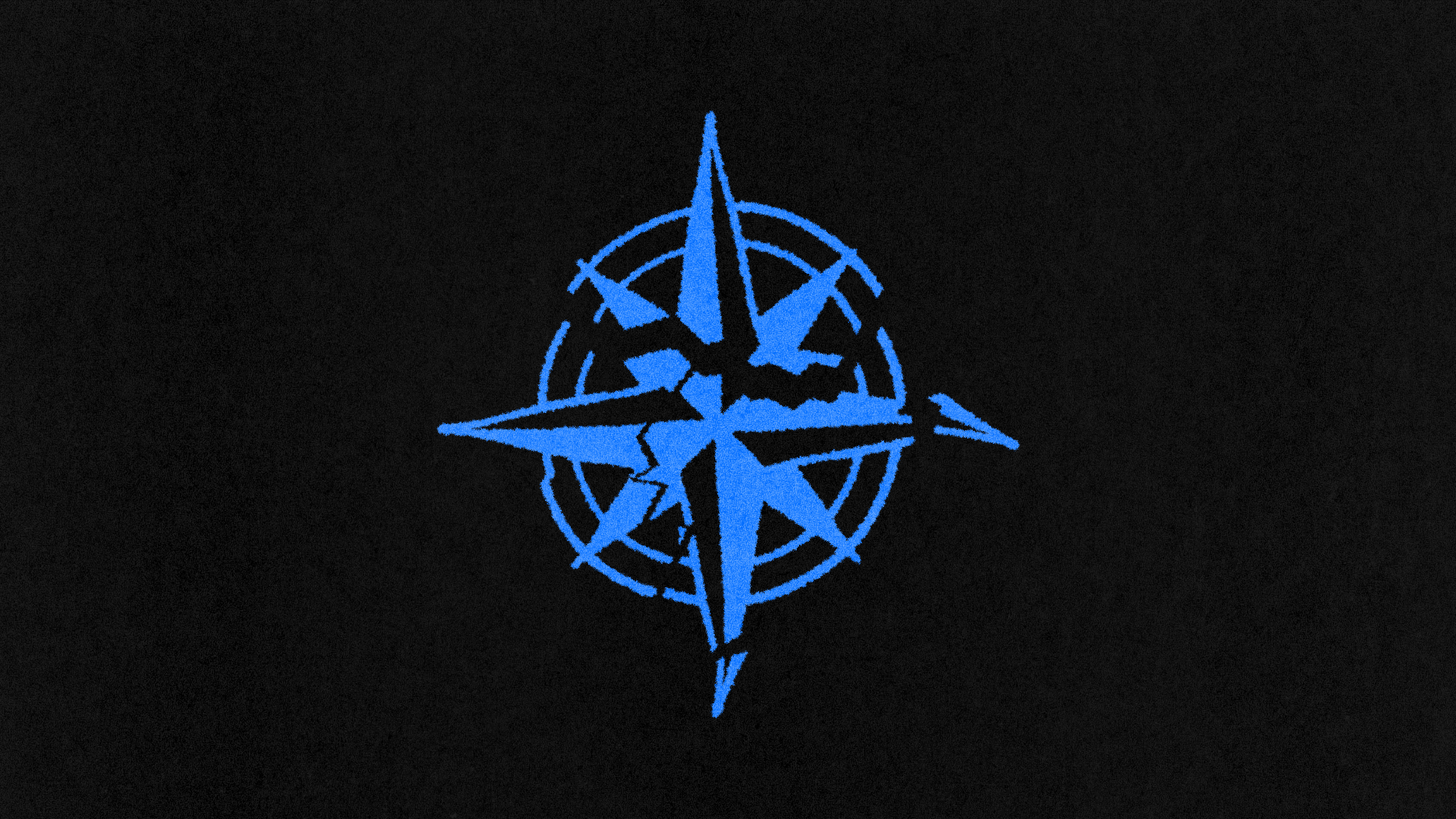
Big Think spoke with author and psychiatrist Elias Dakwar about addiction, rock bottom, and the moment you realize your compass is broken.

A re-evaluation of how we perceive introverts in leadership is long overdue. Here are the compelling reasons why.

From “job crafting” to questioning our preconceived ideas about work, there are many ways to fight burnout and disengagement.

Major League Baseball and Ivy League research confirm that tackling well-being is hard work — but well worth the effort.

Your teams need authentic caregiving, not an insincere plan to merely check all of the well-being boxes.