The Universe is out there, waiting for you to discover it.
Our mission: to answer, scientifically, the biggest questions of all.
- What is our Universe made of?
- How did it become the way it is today?
- Where did everything come from?
- What is the ultimate fate of the cosmos?
For countless generations, these were questions without resolutions. Now, for the first time in history, we have scientific answers. Starts With A Bang, written by Dr. Ethan Siegel, brings these stories — of what we know and how we know it — directly to you.
Featured

Why power generated through nuclear fusion will be the future, but not the present, solution to humanity’s energy needs.
It’s a strange idea to consider: that a tiny building block of matter, the atomic nucleus, holds the greatest potential for energy release.
And yet, it’s true; while electron transitions in atoms or molecules typically release energy on the order of ~1 electron-Volt, nuclear transitions between different configurations release energies a million times as great, on the order of ~1 Mega-electron-Volt.


Popular
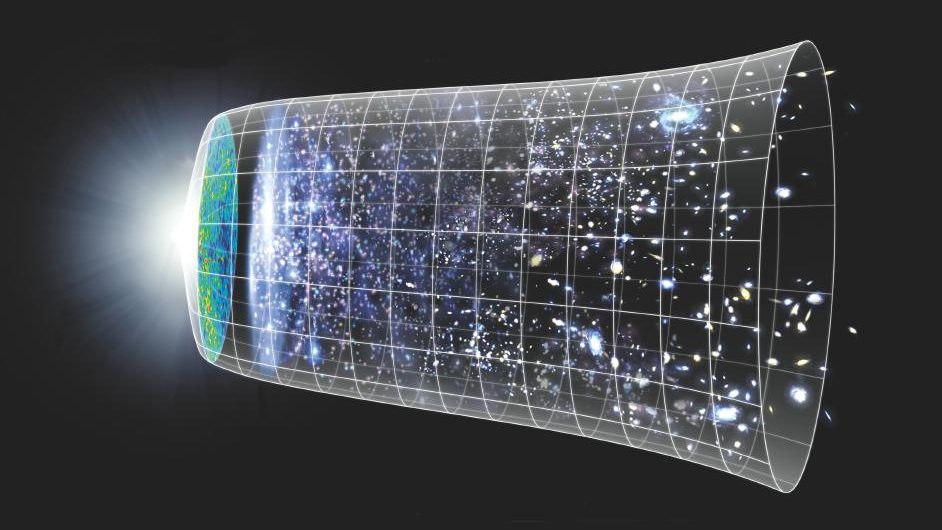
From before the Big Bang to the present day, the Universe goes through many eras. Dark energy heralds the final one.
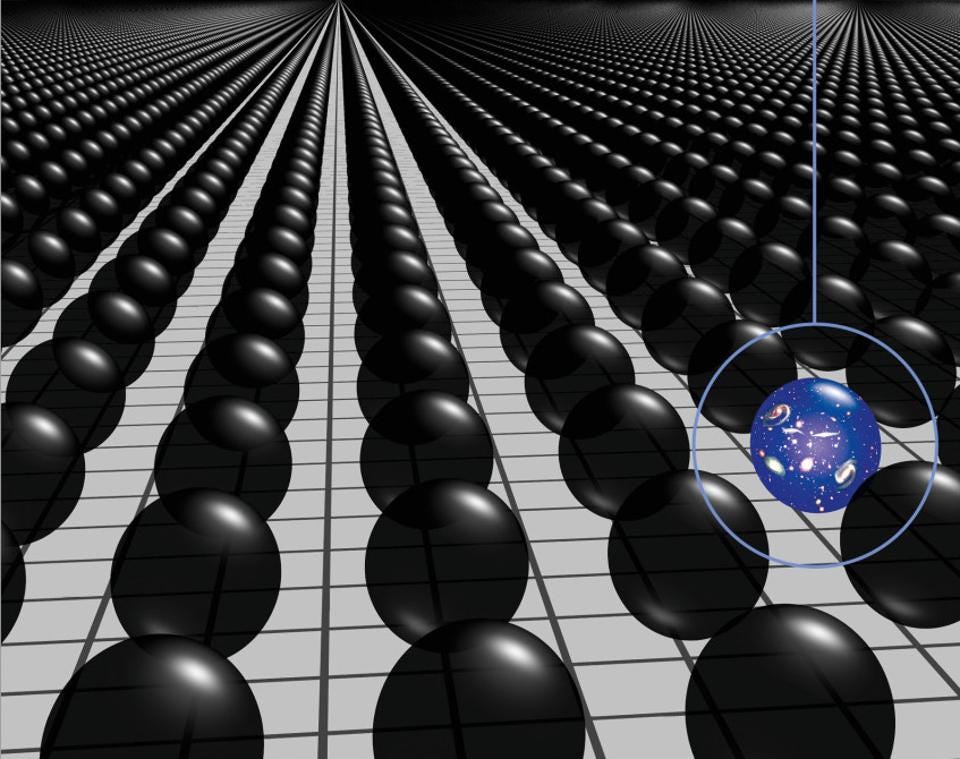
A wild, compelling idea without a direct, practical test, the Multiverse is highly controversial. But its supporting pillars sure are stable.
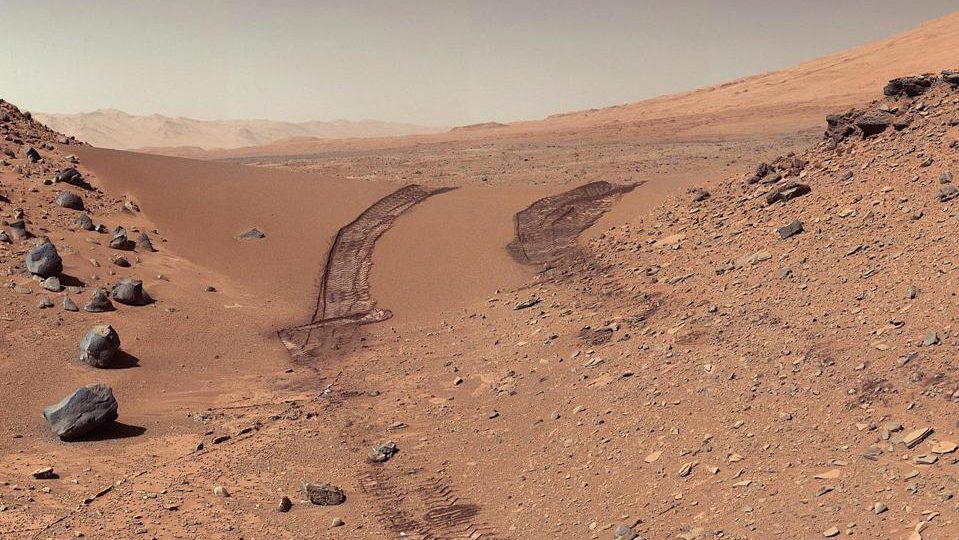
The surface and atmosphere is colored by ferric oxides. Beneath a very thin layer, mere millimeters deep in places, it’s not red anymore.
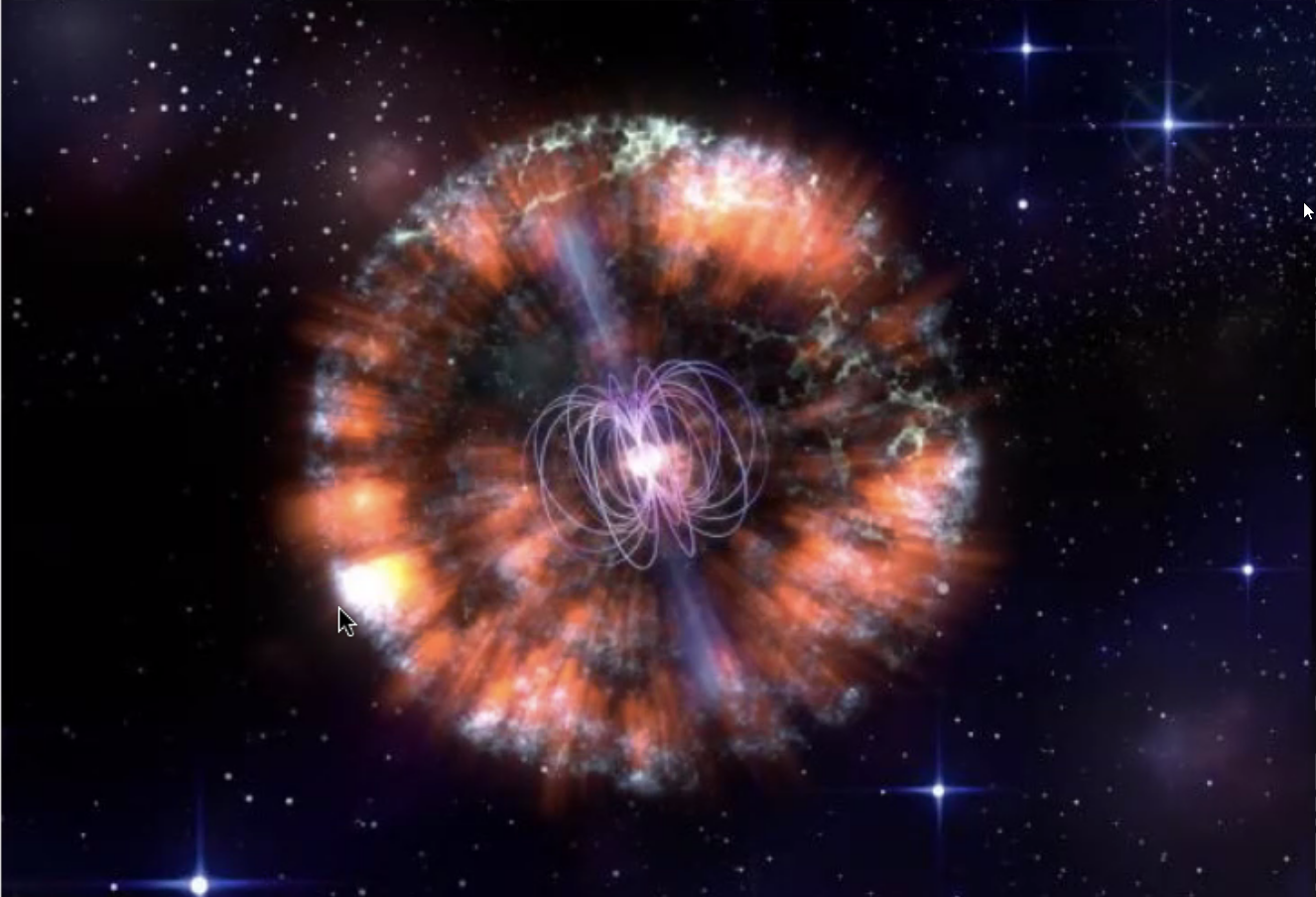
The first supernova ever discovered through its X-rays has an enormously powerful engine at its core. It’s unlike anything ever seen.
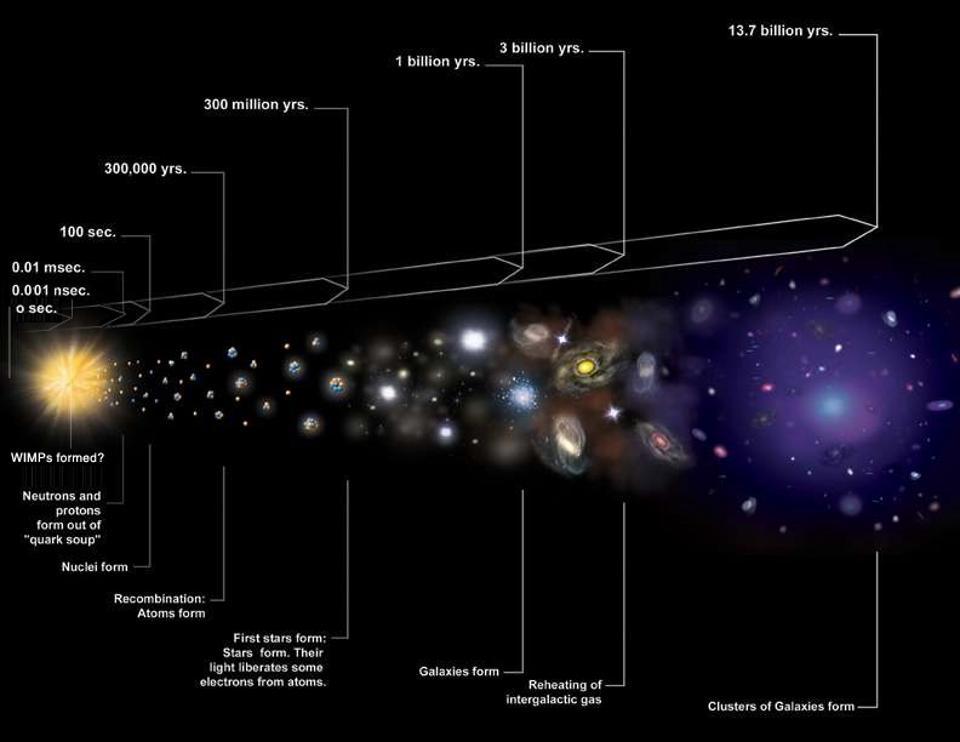
Just 13.8 billion years after the hot Big Bang, we can see 46.1 billion light-years away in all directions. Doesn’t that violate…something?
All Stories

When the Hubble Space Telescope first launched in 1990, there was so much we didn’t know. Here’s how far we’ve come.
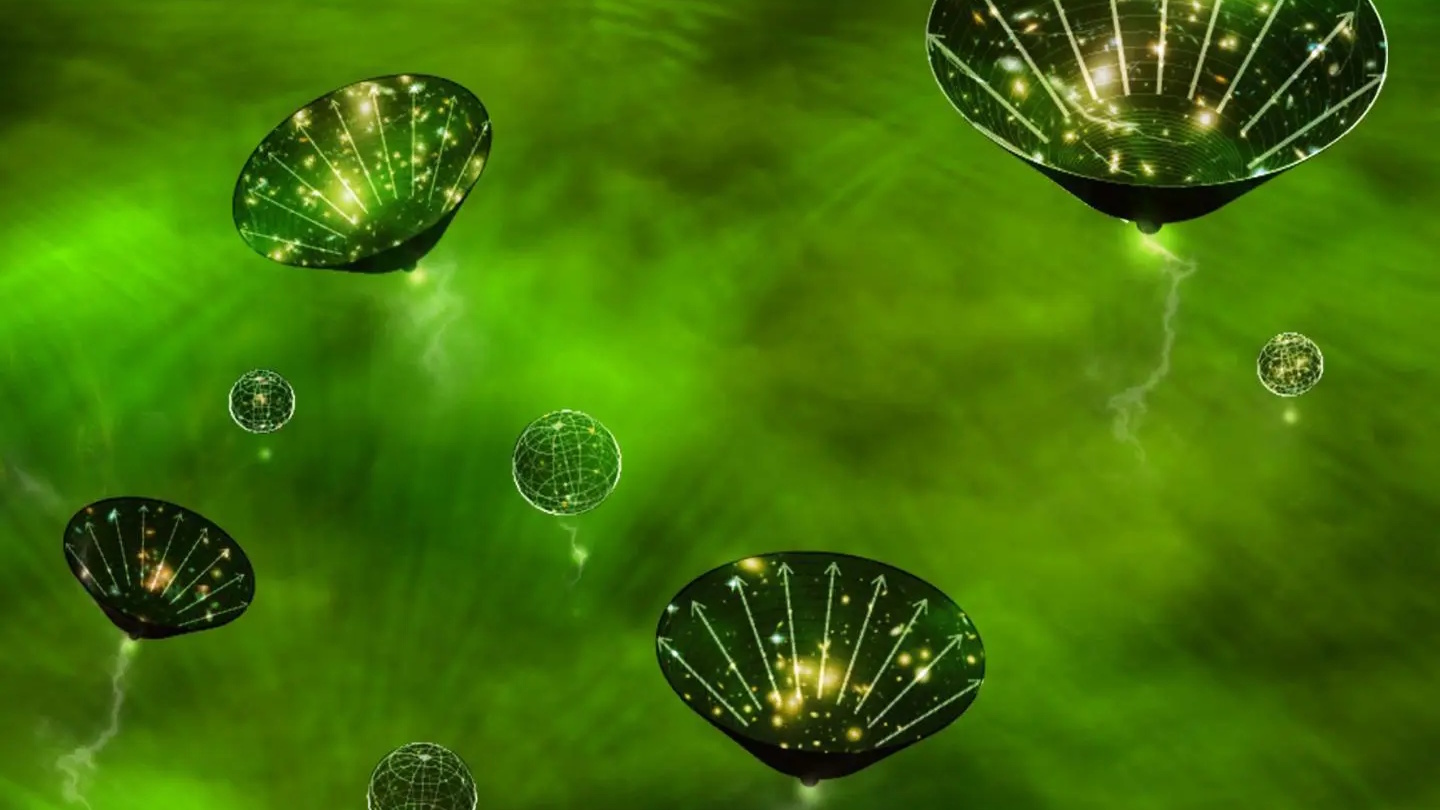
Once you cross a black hole’s event horizon, there’s no going back. But inside, could creating a singularity give birth to a new Universe?

From high school through the professional ranks, physicists still take incredible lessons away from Newton’s second law.

No matter what it is that we discover about reality, the fact that reality itself can be understood remains the most amazing fact of all.

With over 300 high-significance gravitational wave detections, we now have a huge unsolved puzzle. Will we invest in finding the solution?
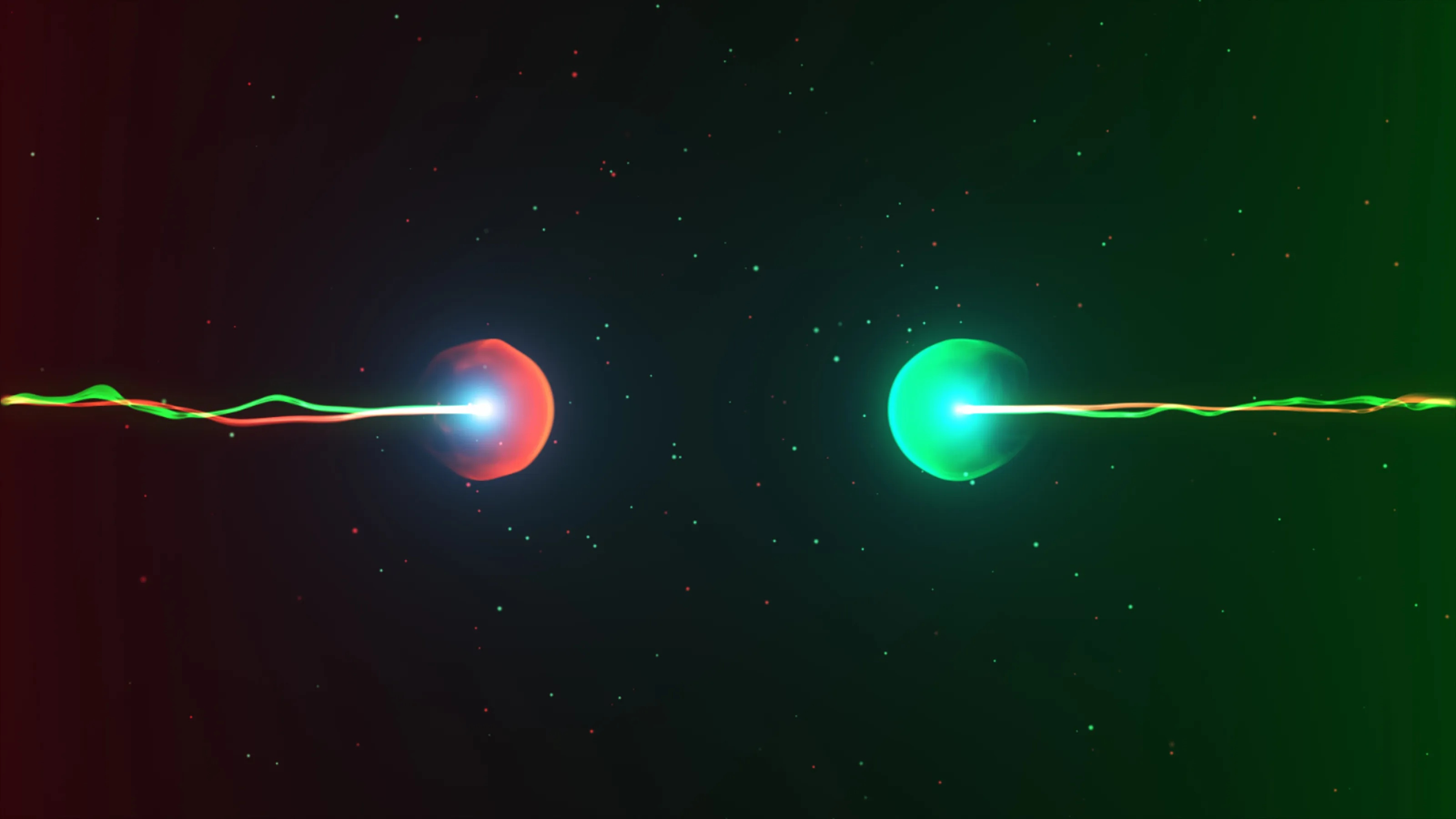
Will we build a successor collider to the LHC? Someday, we’ll reach the true limit of what experiments can probe. But that won’t be the end.
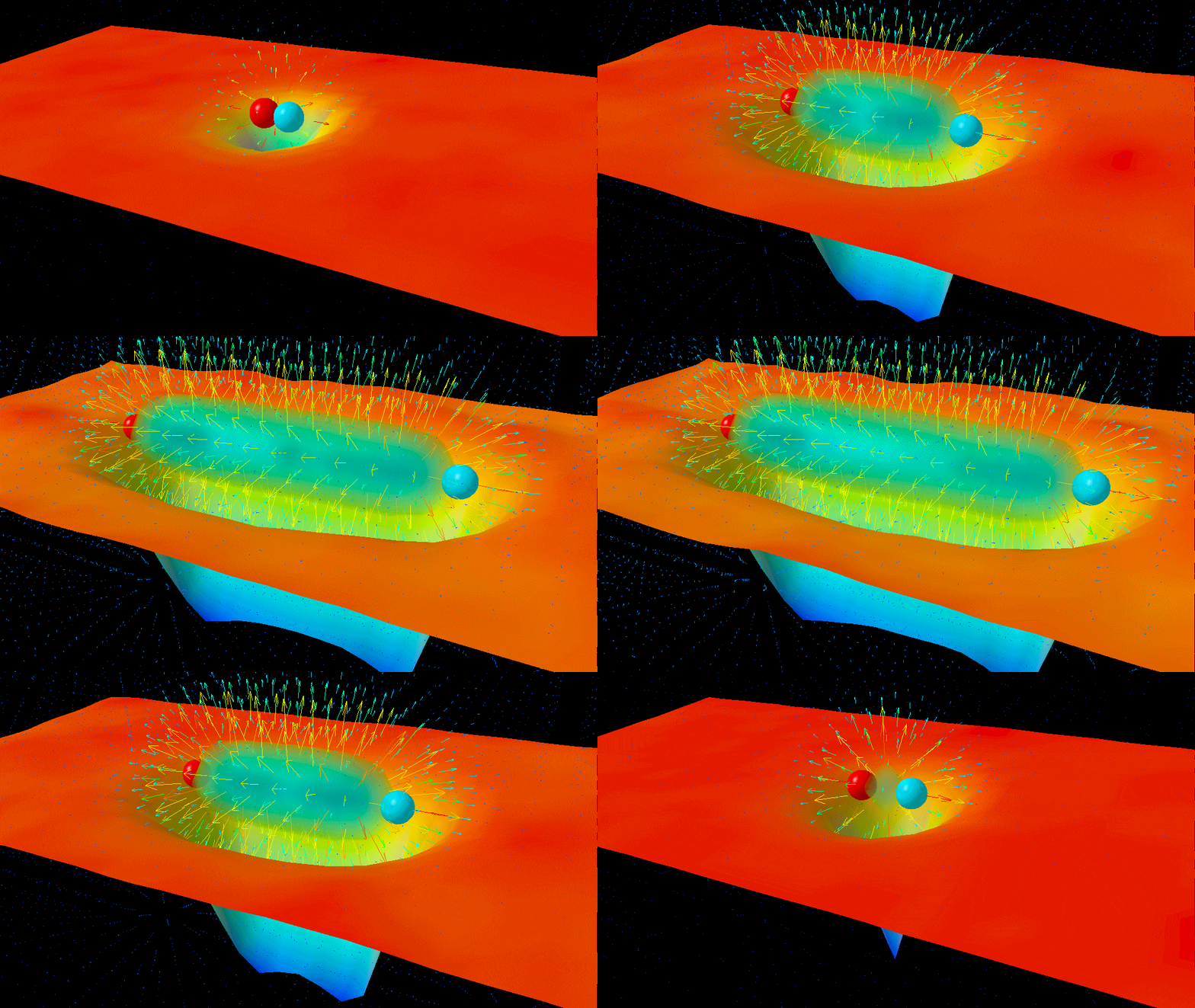
The measured value of the cosmological constant is 120 orders of magnitude smaller than what’s predicted. How can this paradox be resolved?
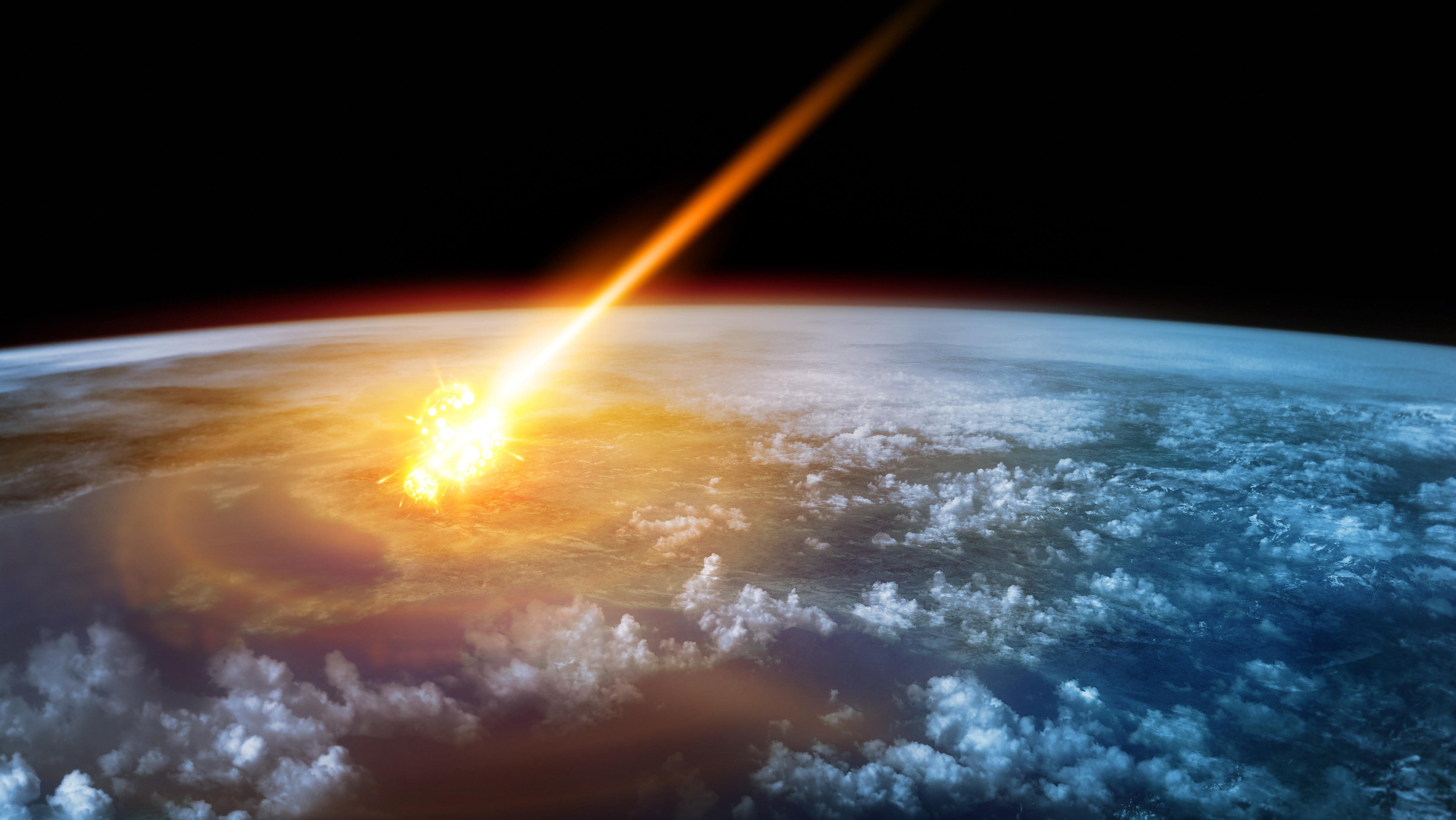
65 million years ago, a massive asteroid struck Earth. Not only did Jupiter not stop it, but it most likely caused the impact itself.
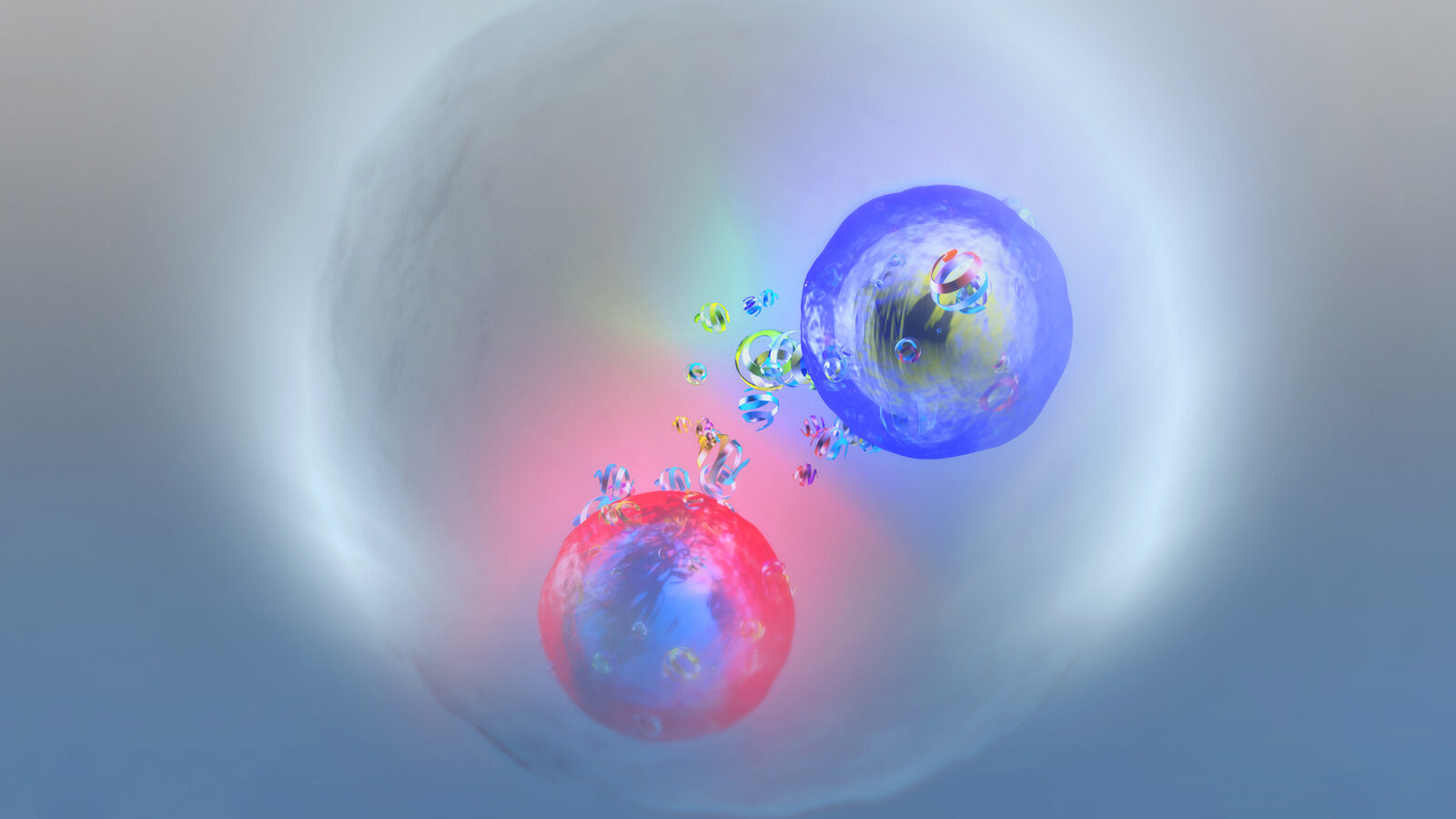
Can the top quark, the shortest-lived particle of all, bind with anything else? Yes it can! New results at the LHC demonstrate toponium exists.
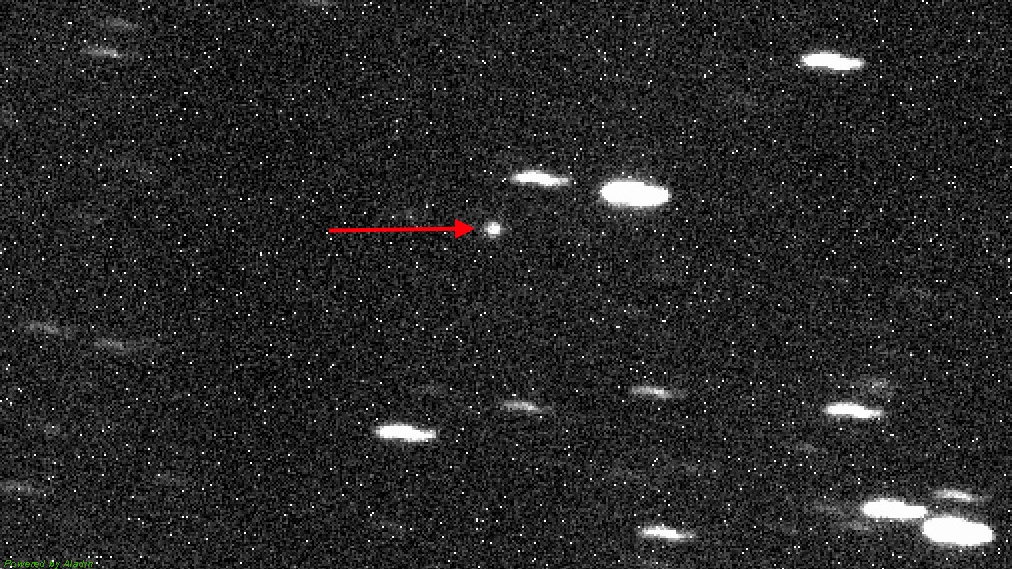
First ‘Oumuamua, then Borisov, and now ATLAS have shown us that interstellar interlopers are real. Here’s what the newest one teaches us.
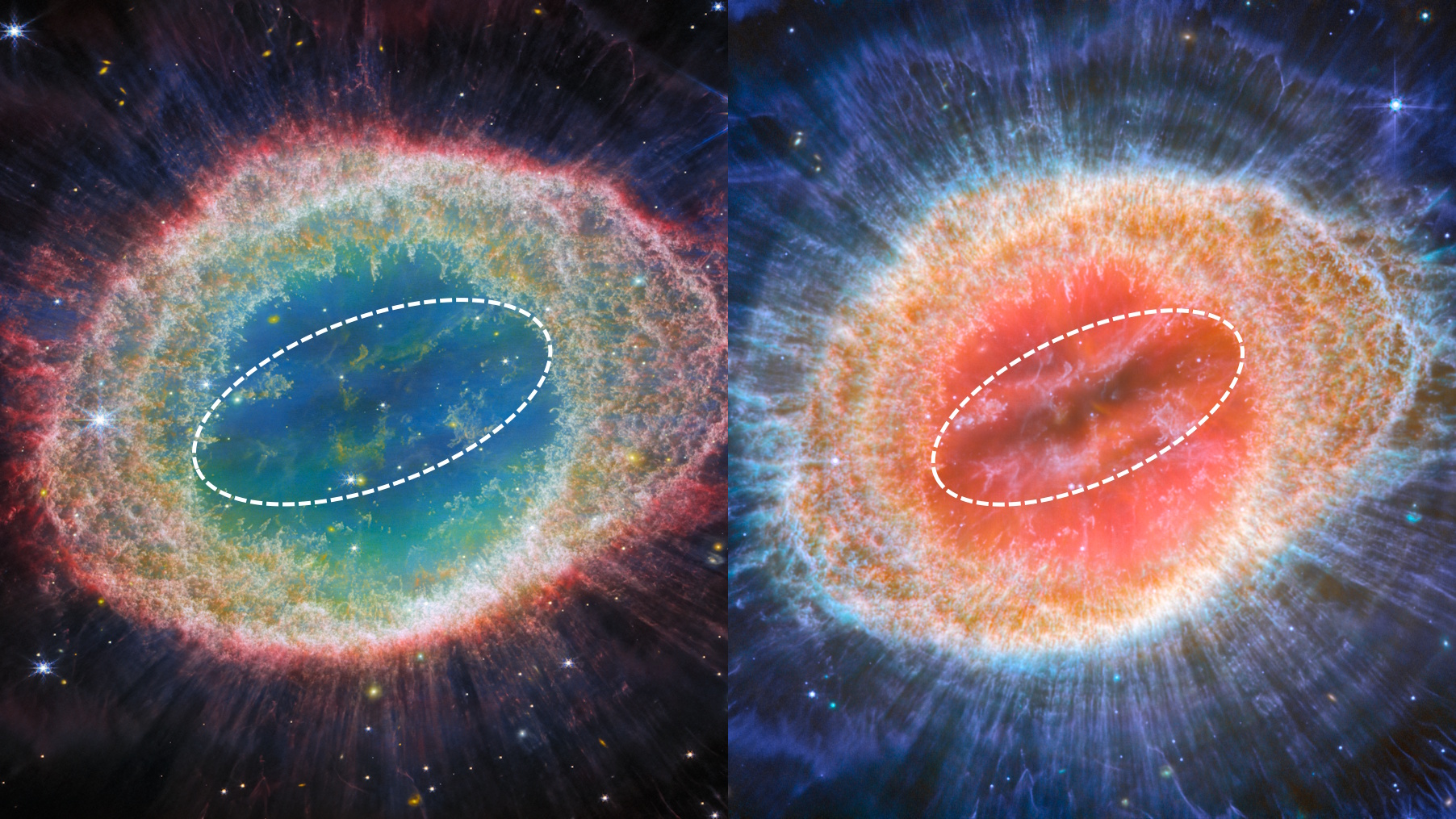
Our nearby Ring Nebula, with JWST’s eyes, shows evidence for planet formation. Will the Sun eventually destroy, and then replace, the Earth?
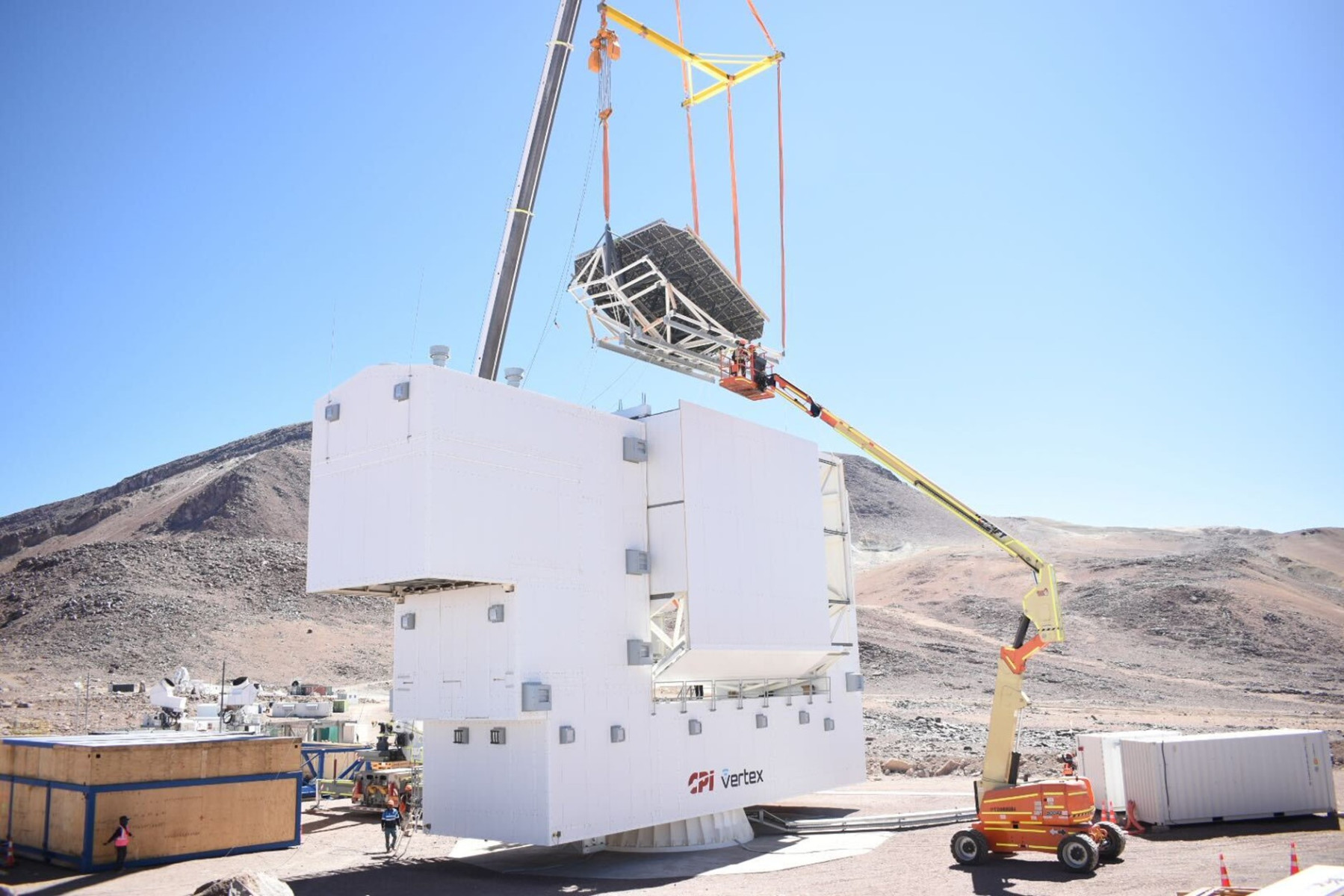
The relic signal that first proved the Big Bang has been known and analyzed for 60 years. Join us at the frontiers of modern cosmology!
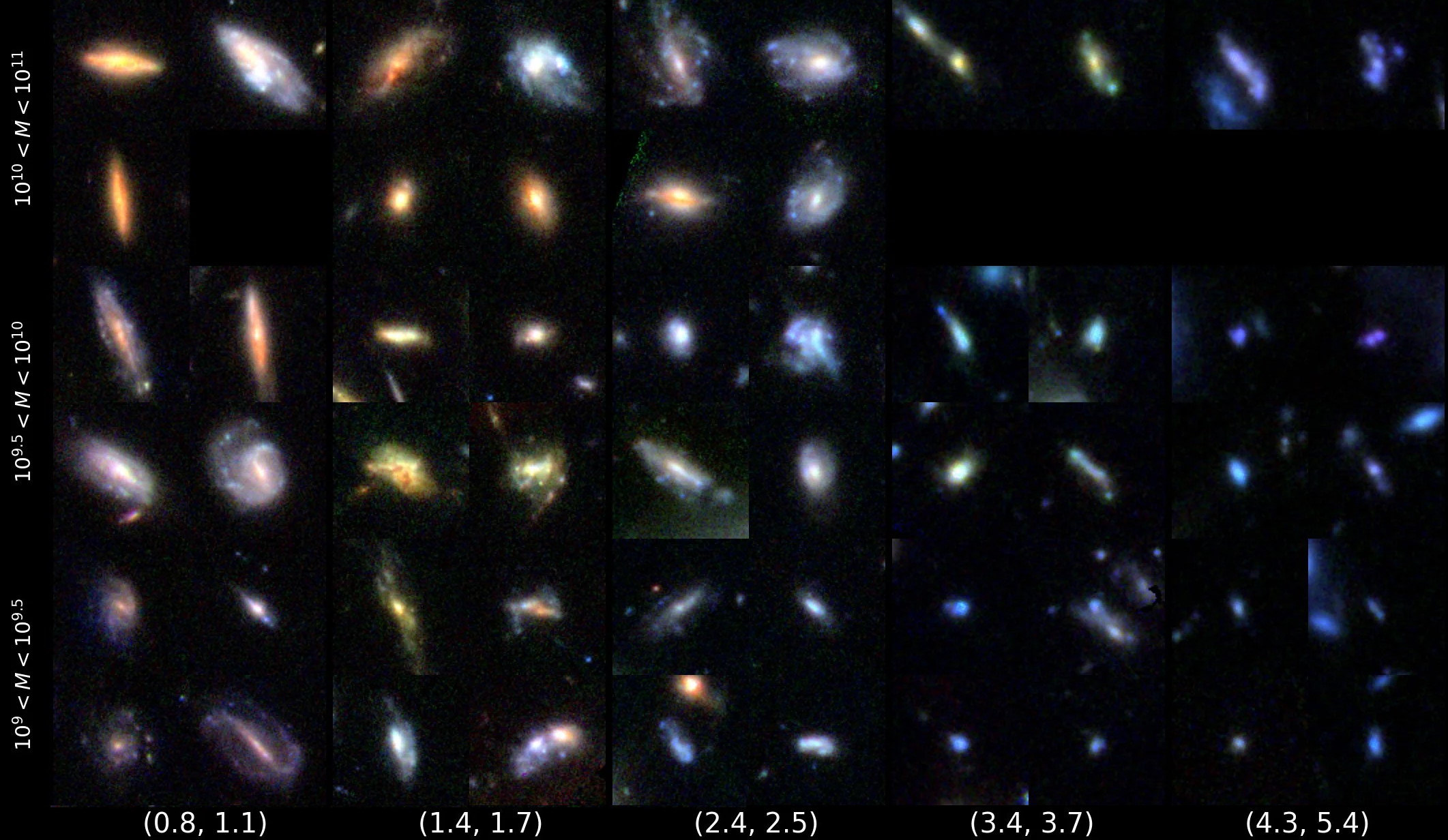
The CMB has long been considered the Big Bang’s “smoking gun” evidence. But after what JWST saw, might it come from early galaxies instead?
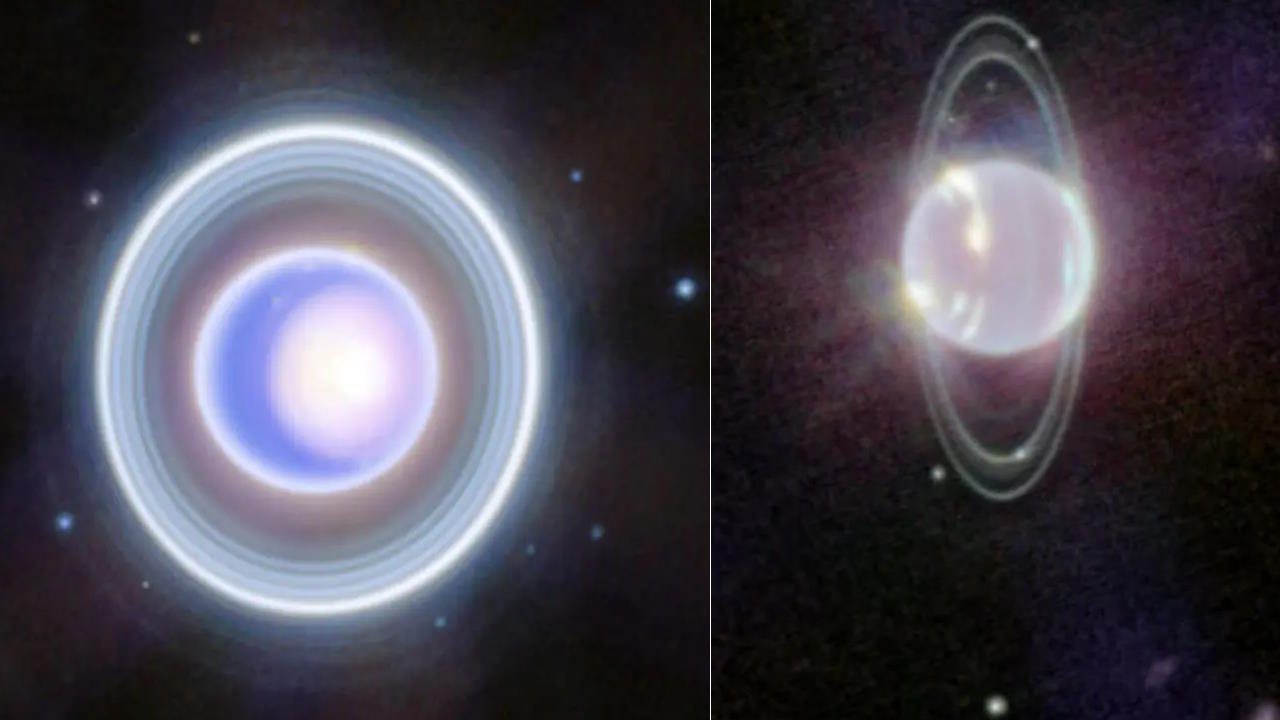
Once every 12 years, Earth, Jupiter, Uranus, and Neptune all line up, opening a window for a joint mission. Our next chance arrives in 2034.
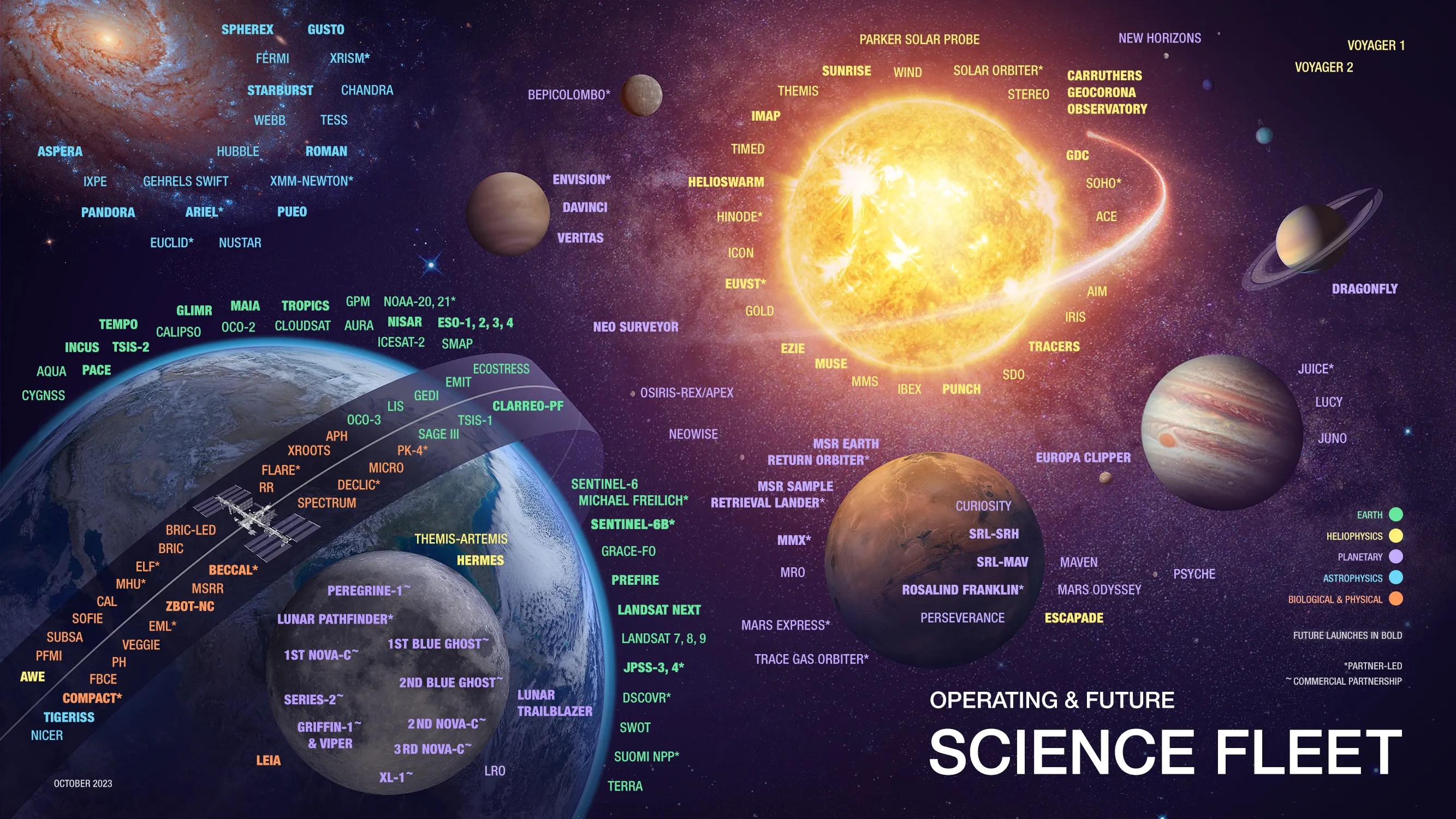
Over the first half of 2025, the US has cut science as never before. This disaster for American science may be a gift to the rest of the world.
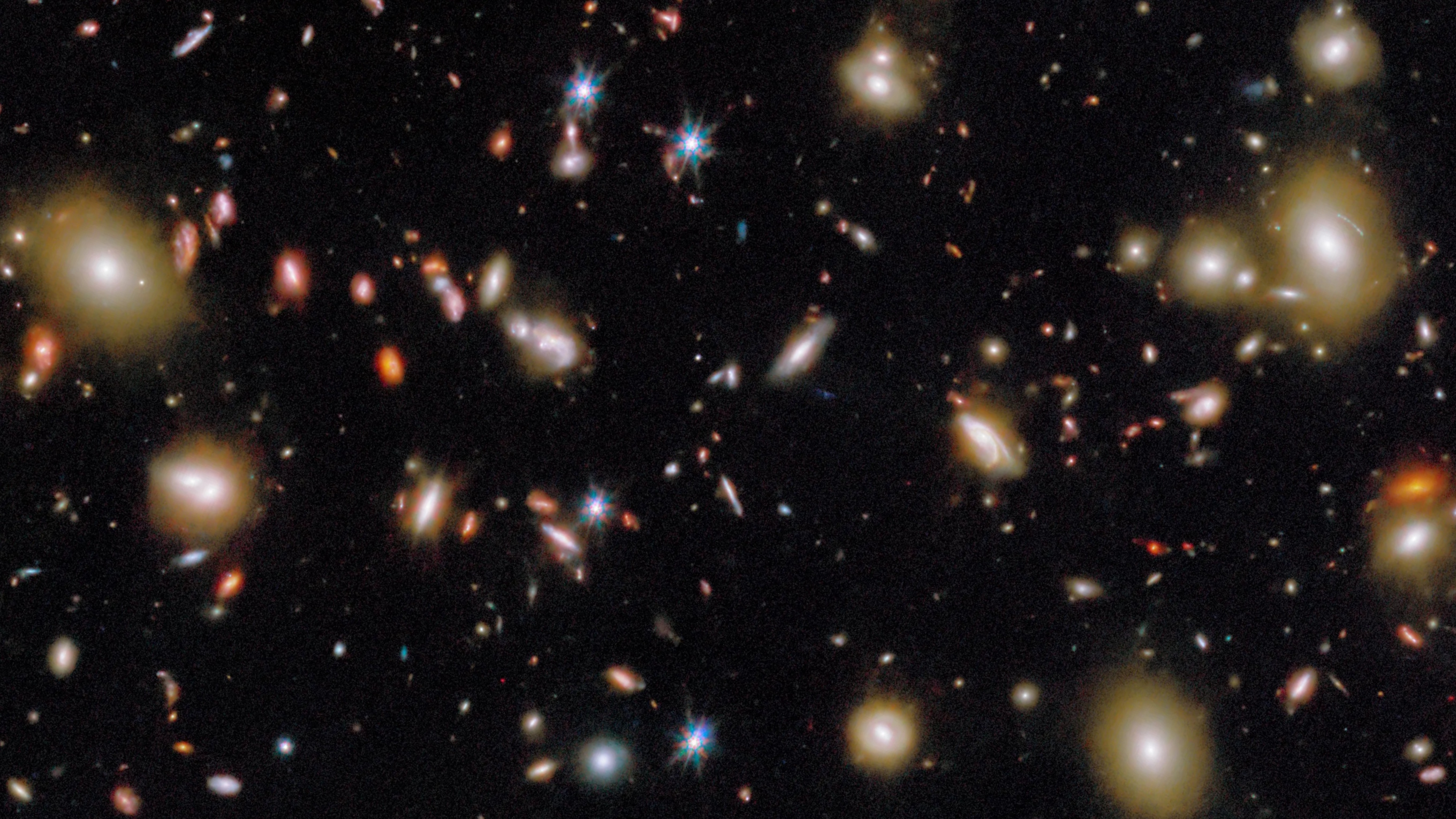
Originally, the abundance of bright, early galaxies shocked astronomers. After 3 years of JWST, we now know what’s really going on.
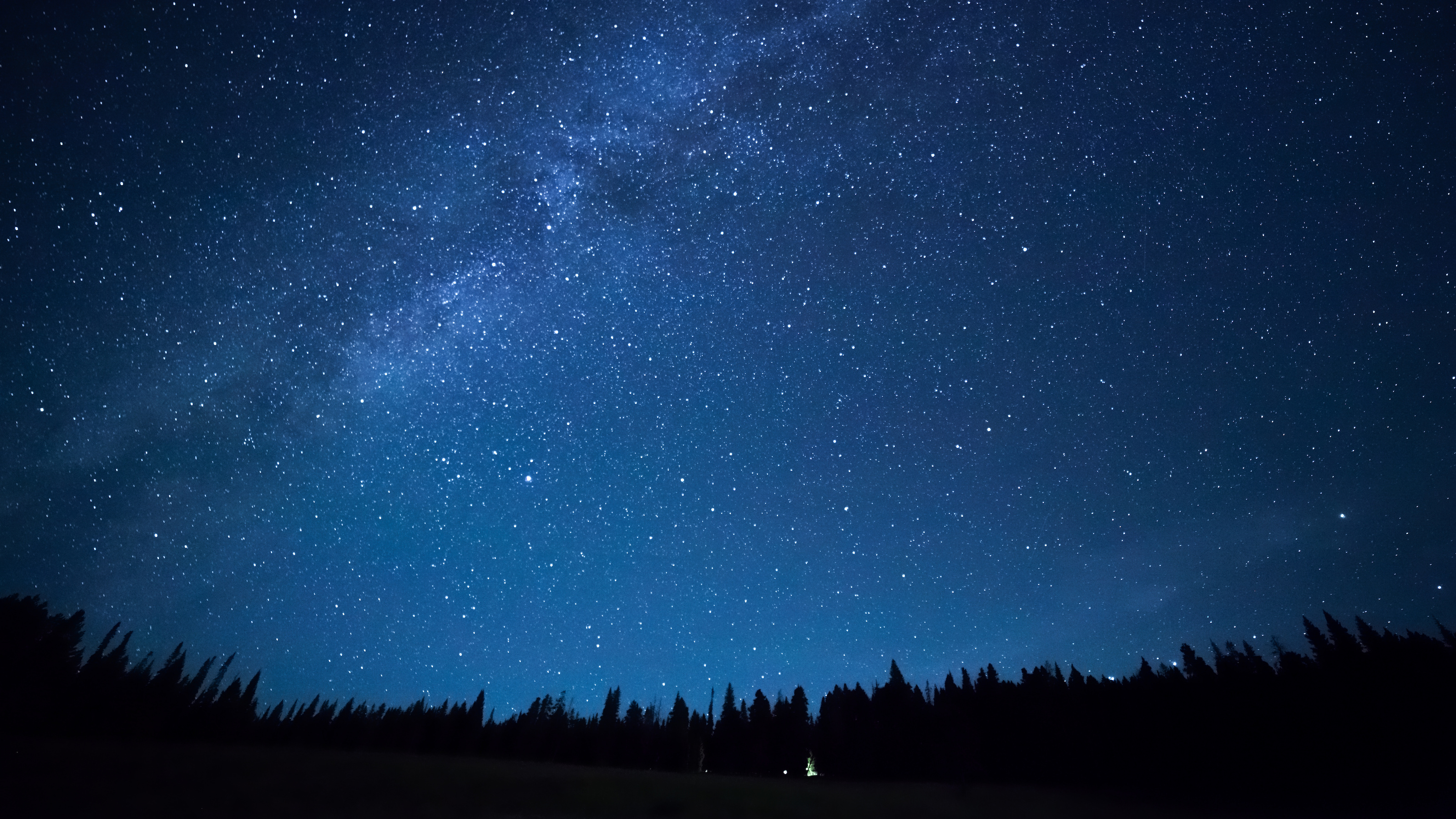
Looking at a dark, night sky has filled humans with a sense of awe and wonder since prehistoric times. But appearances can be deceiving.
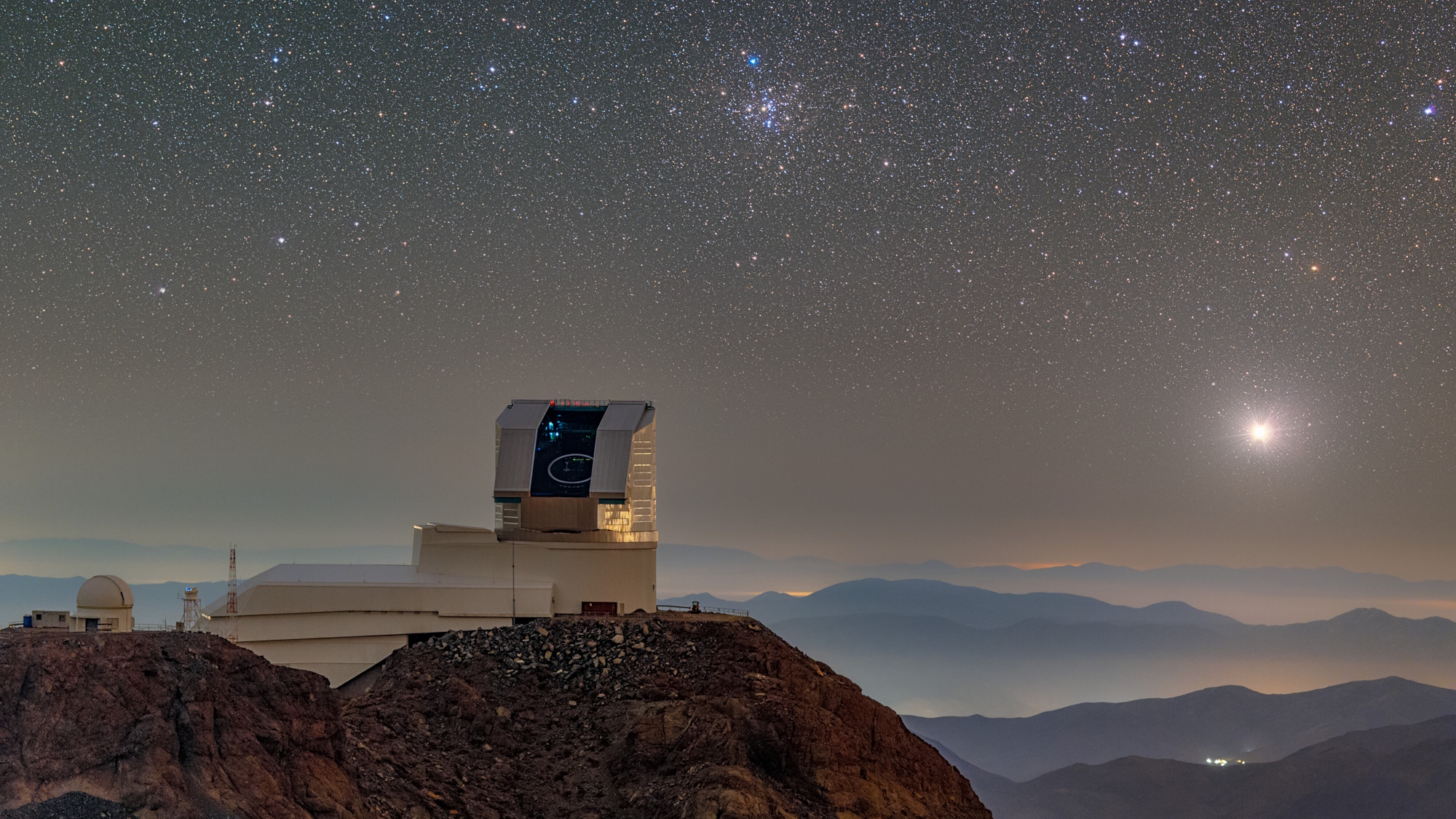
In just its first 10 hours of observations, the Vera Rubin observatory discovered more than 2000 new asteroids. What else will it teach us?
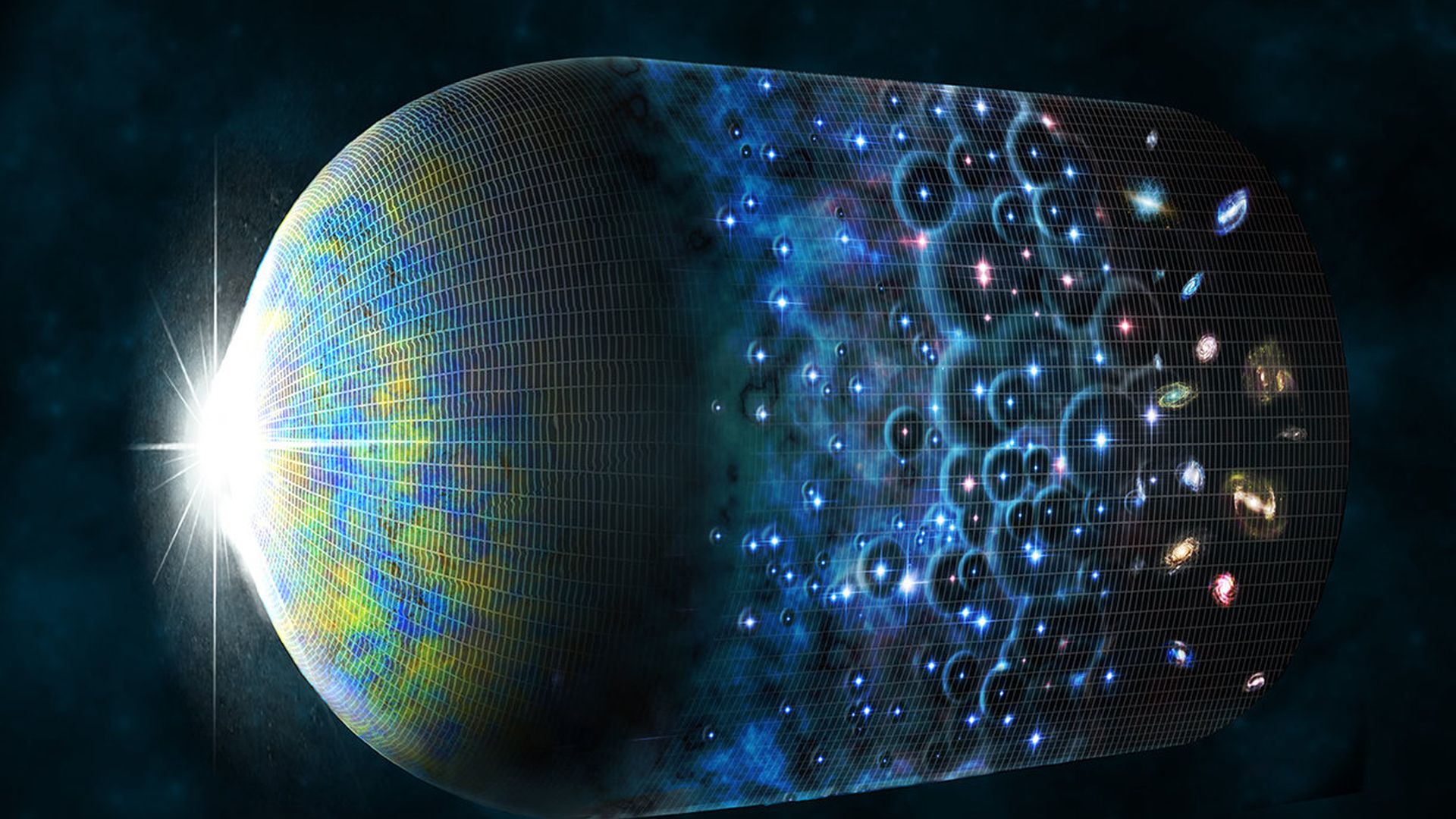
For over 50 years, it’s been the scientifically accepted theory describing the origin of the Universe. It’s time we all learned its truths.
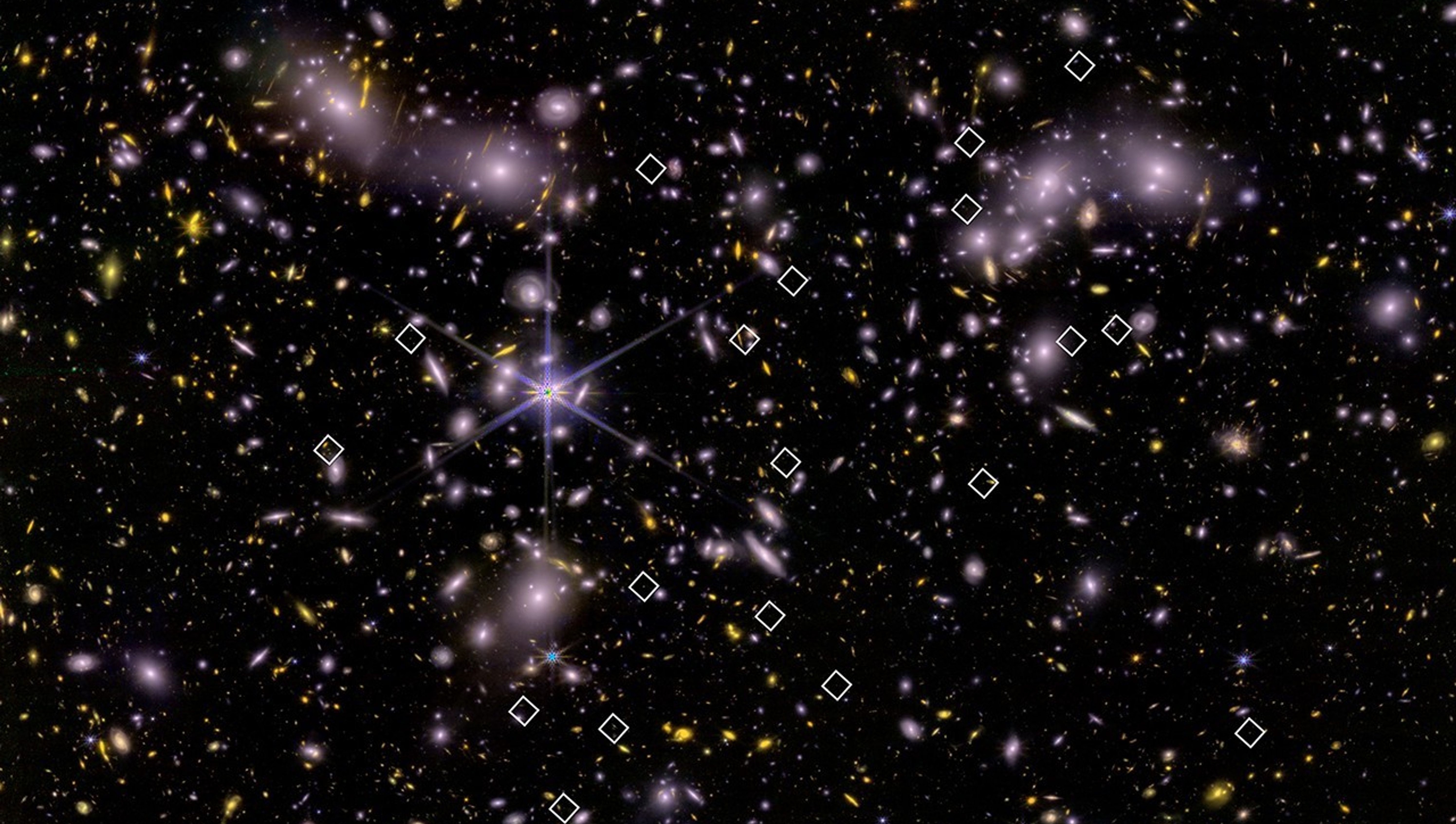
For hundreds of millions of years, a cosmic fog blocked all signs of starlight. At last, JWST found the galaxies that cleared that fog away.