The Universe is out there, waiting for you to discover it.
Our mission: to answer, scientifically, the biggest questions of all.
- What is our Universe made of?
- How did it become the way it is today?
- Where did everything come from?
- What is the ultimate fate of the cosmos?
For countless generations, these were questions without resolutions. Now, for the first time in history, we have scientific answers. Starts With A Bang, written by Dr. Ethan Siegel, brings these stories — of what we know and how we know it — directly to you.
Featured

Why power generated through nuclear fusion will be the future, but not the present, solution to humanity’s energy needs.
It’s a strange idea to consider: that a tiny building block of matter, the atomic nucleus, holds the greatest potential for energy release.
And yet, it’s true; while electron transitions in atoms or molecules typically release energy on the order of ~1 electron-Volt, nuclear transitions between different configurations release energies a million times as great, on the order of ~1 Mega-electron-Volt.


Popular
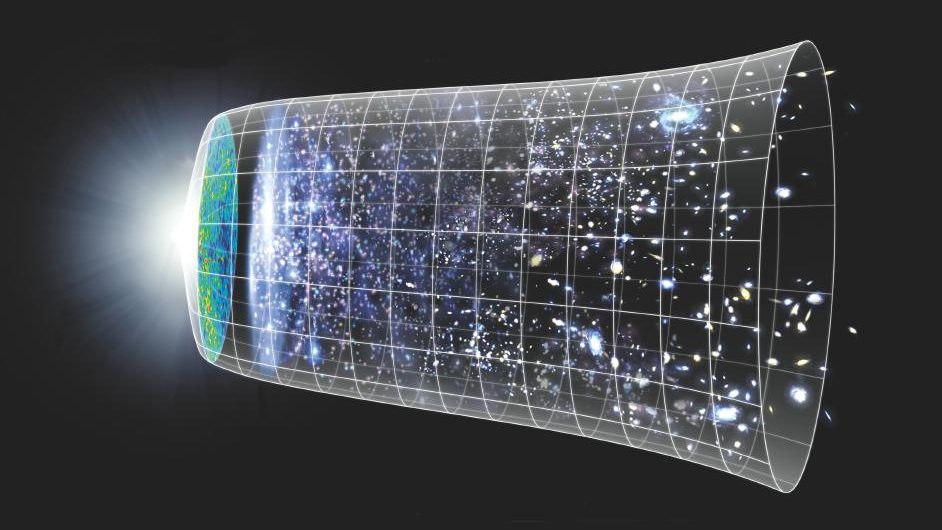
From before the Big Bang to the present day, the Universe goes through many eras. Dark energy heralds the final one.
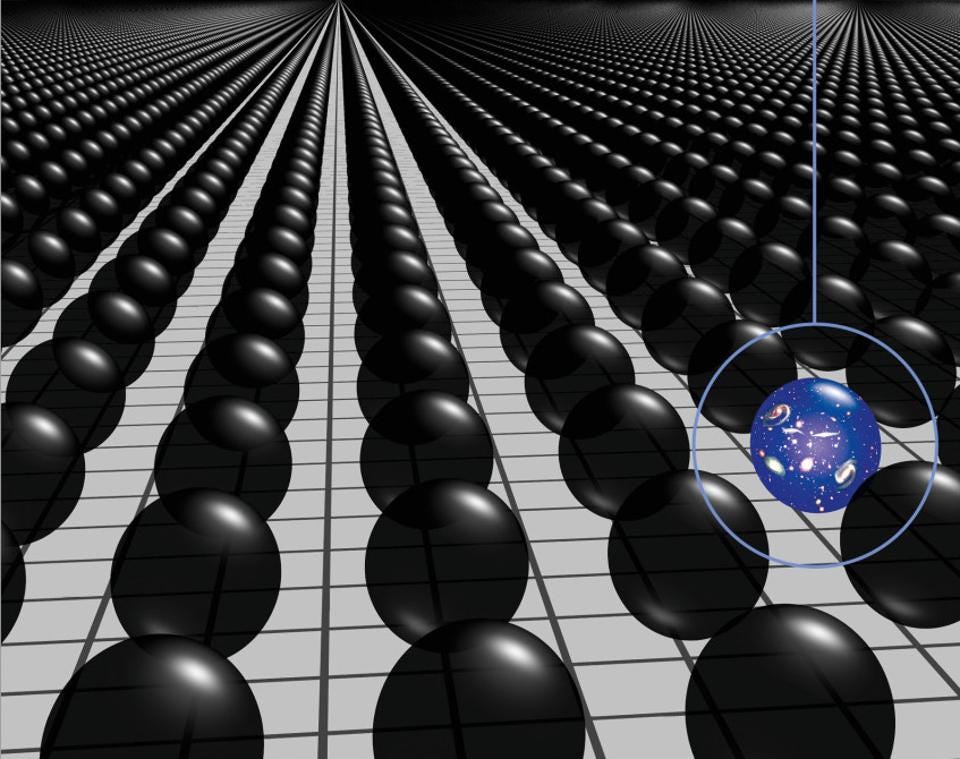
A wild, compelling idea without a direct, practical test, the Multiverse is highly controversial. But its supporting pillars sure are stable.

The surface and atmosphere is colored by ferric oxides. Beneath a very thin layer, mere millimeters deep in places, it’s not red anymore.
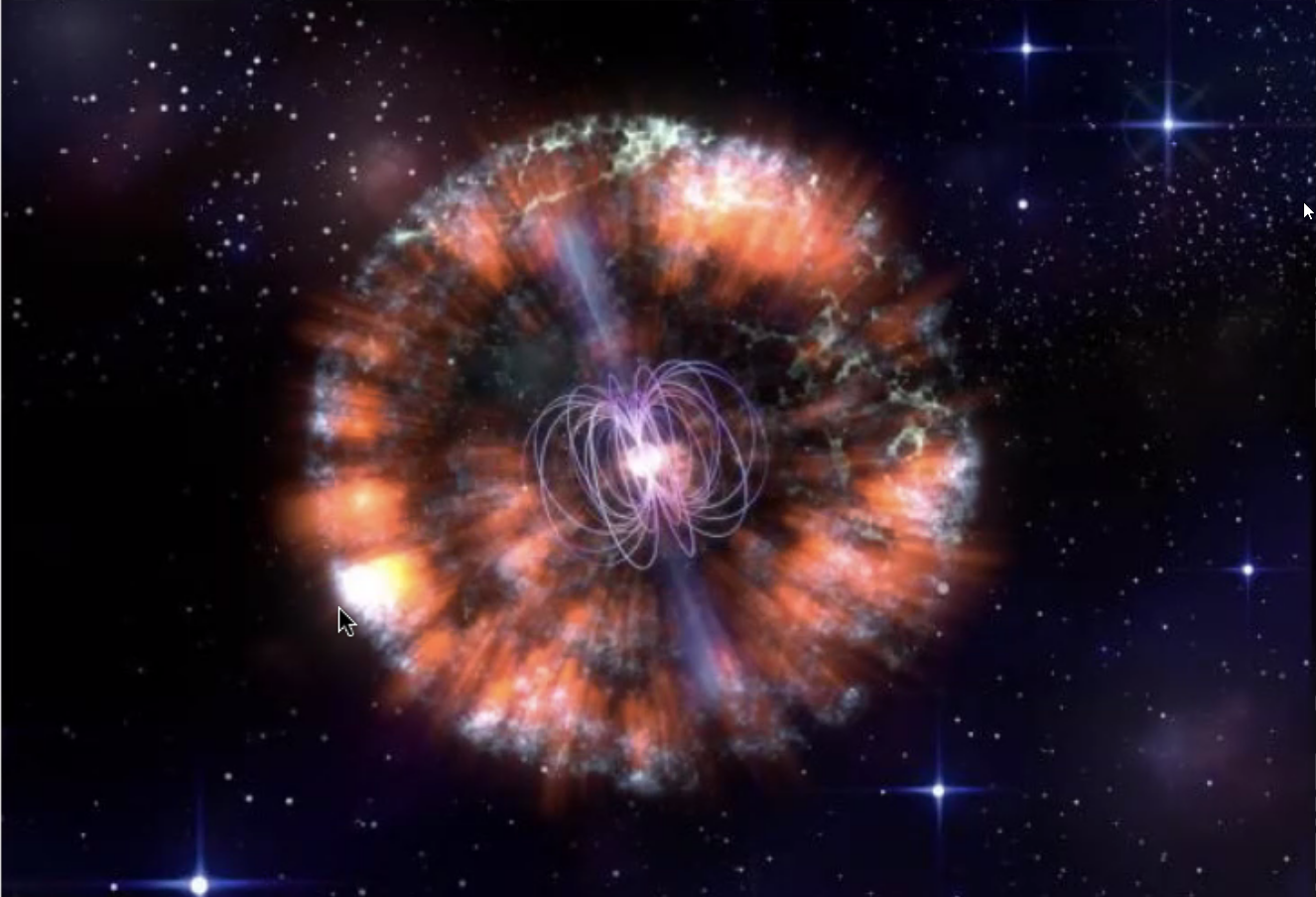
The first supernova ever discovered through its X-rays has an enormously powerful engine at its core. It’s unlike anything ever seen.
Just 13.8 billion years after the hot Big Bang, we can see 46.1 billion light-years away in all directions. Doesn’t that violate…something?
All Stories
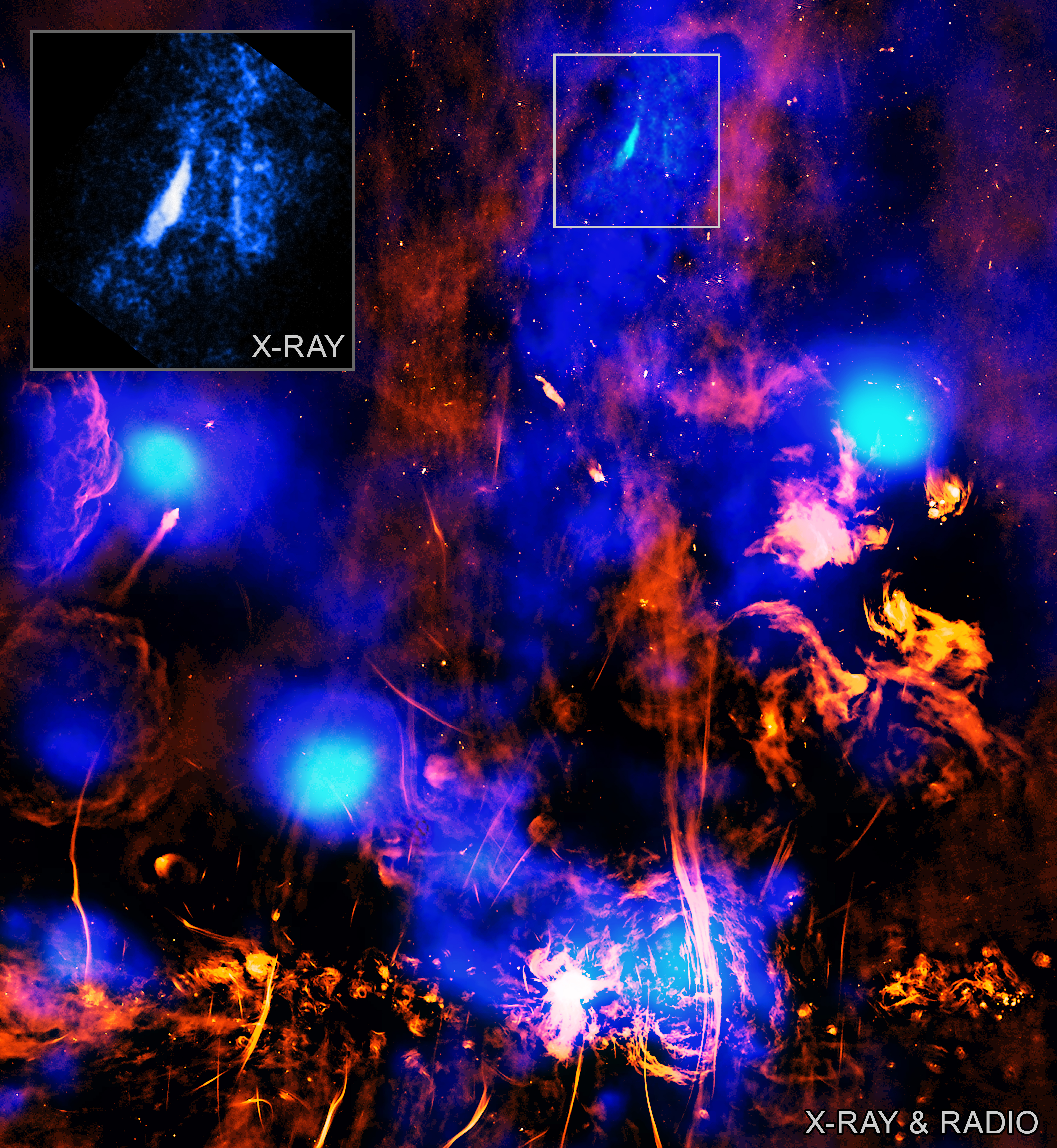
The galactic center is home to the most powerful engine in the Milky Way: a supermassive black hole. How does its energy ultimately escape?

We normally think of dark matter as the “glue” that holds galaxies and larger structures together. But it’s so much more than that.

There are many theories of gravity out there, and many interpretations of wide binary star data. What have we really learned from it all?

The evidence that the Universe is expanding is overwhelming. But how? By stretching the existing space, or by creating new space itself?
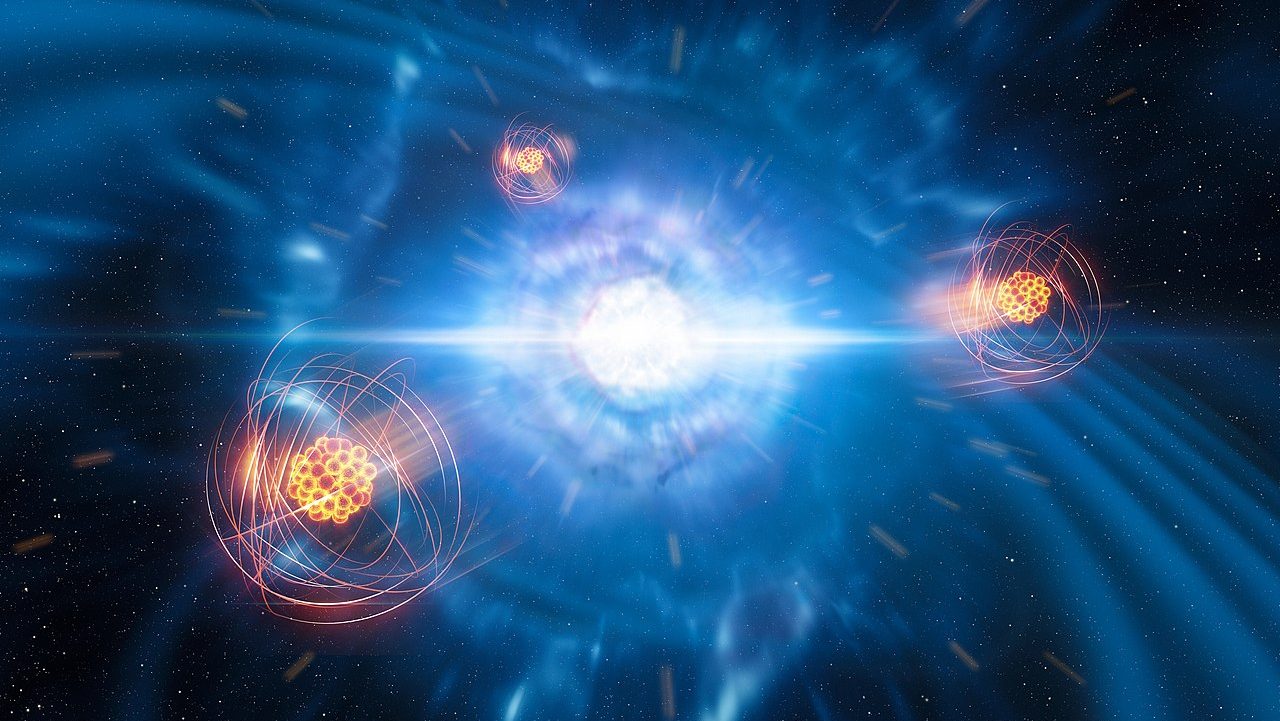
In 2017, we detected gold being forged in a neutron star-neutron star merger. Now, in 2024, the amounts created simply don’t add up.
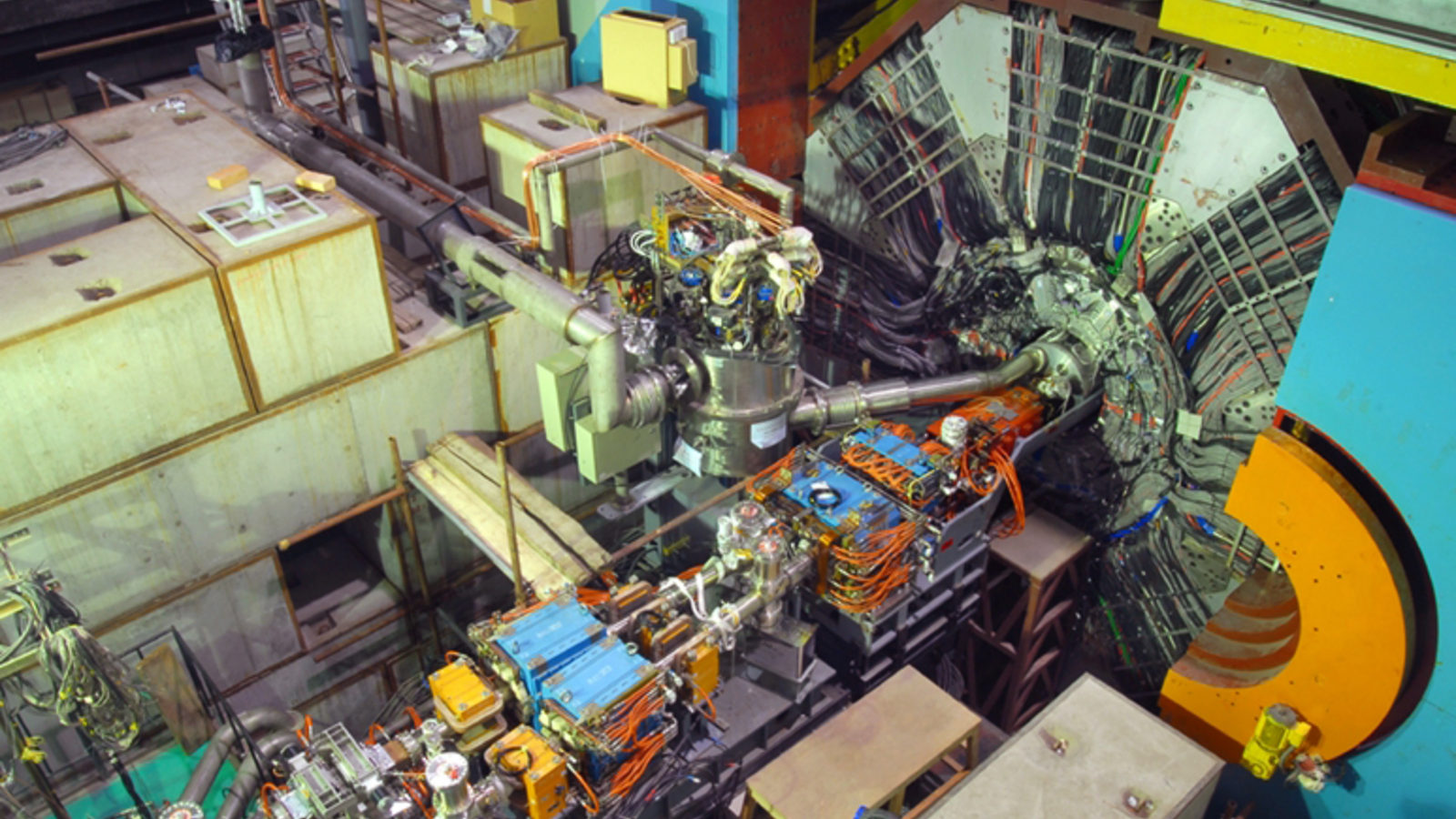
Glueballs are an unusual, unconfirmed Standard Model prediction, suggesting bound states of gluons alone exist. We just found our first one.
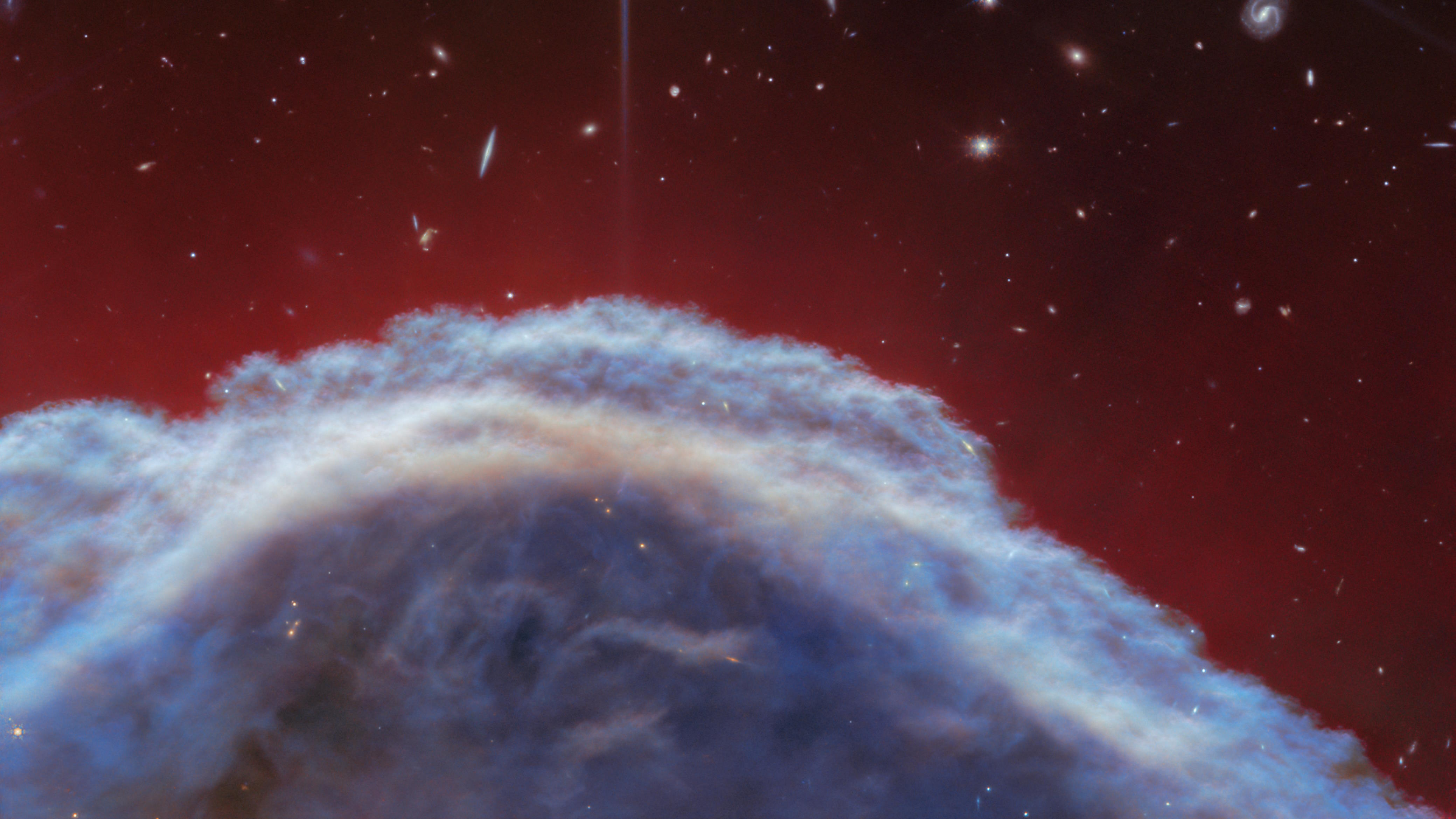
The most iconic “dark nebula” of all lights up under JWST’s infrared gaze. Here’s what’s newly discovered inside.

Holograms preserve all of an object’s 3D information, but on a 2D surface. Could the holographic Universe idea lead us to higher dimensions?
In general relativity, white holes are just as mathematically plausible as black holes. Black holes are real; what about white holes?
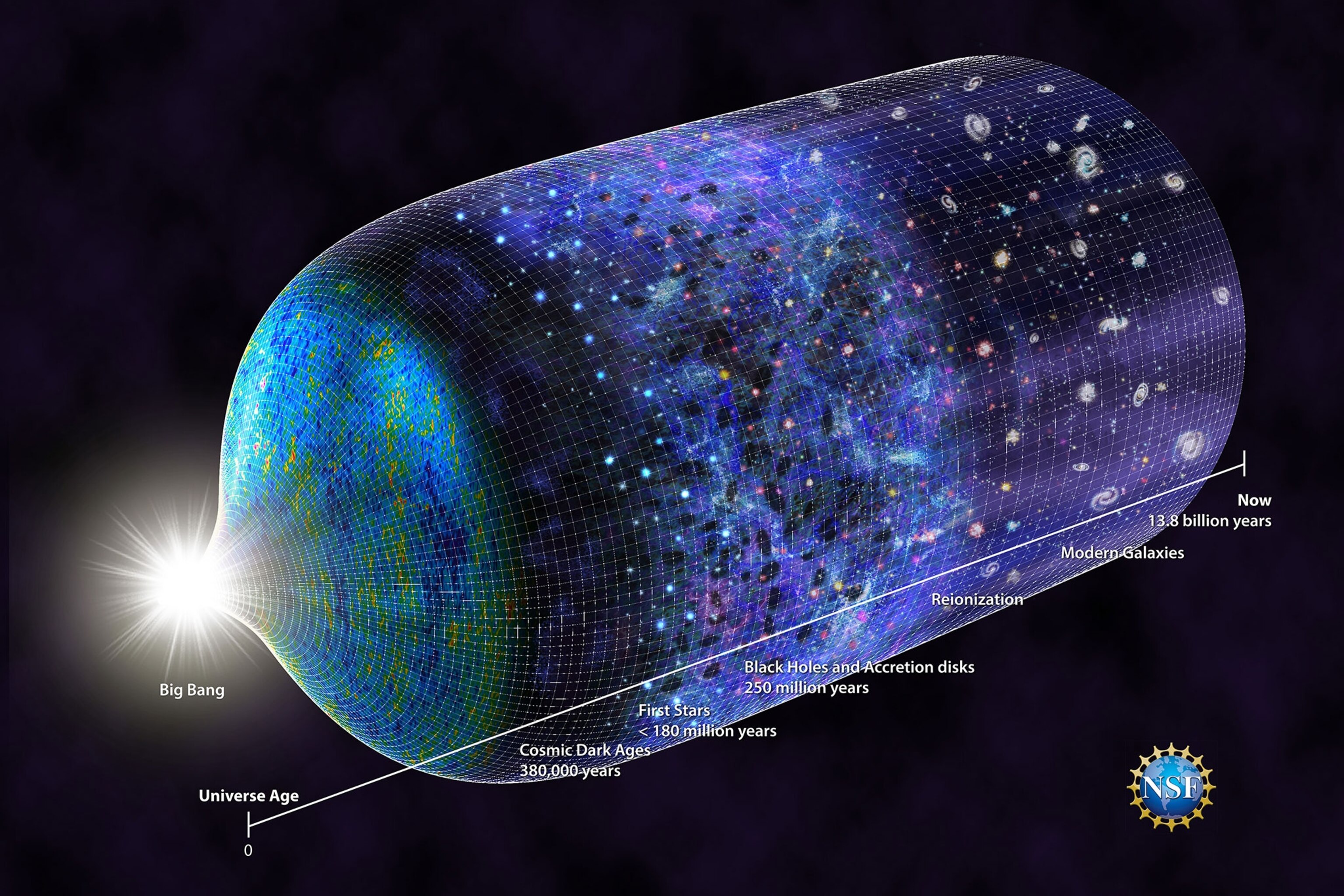
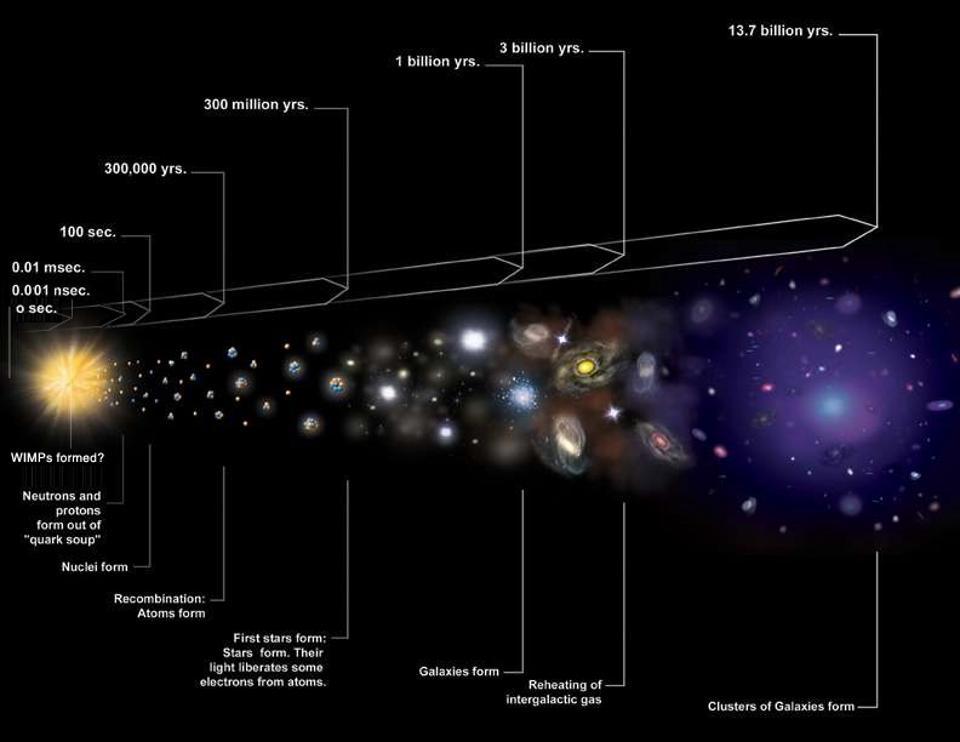
From the earliest stages of the hot Big Bang (and even before) to our dark energy-dominated present, how and when did the Universe grow up?
At a fundamental level, only a few particles and forces govern all of reality. How do their combinations create human consciousness?
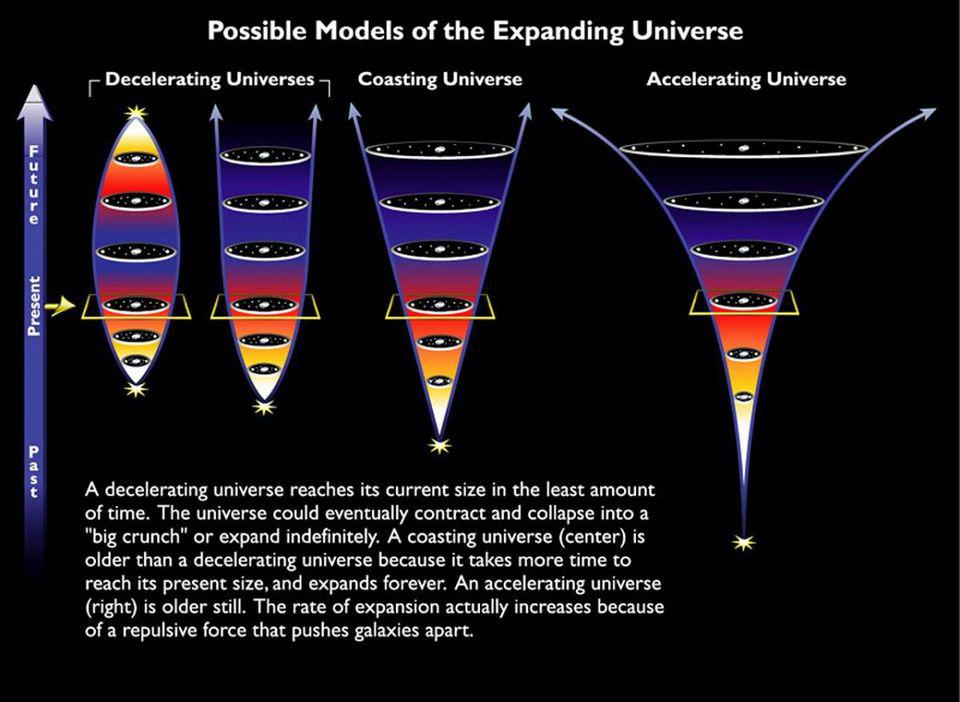
Dark energy is one of the biggest mysteries in all the Universe. Is there any way to avoid “having to live with it?”
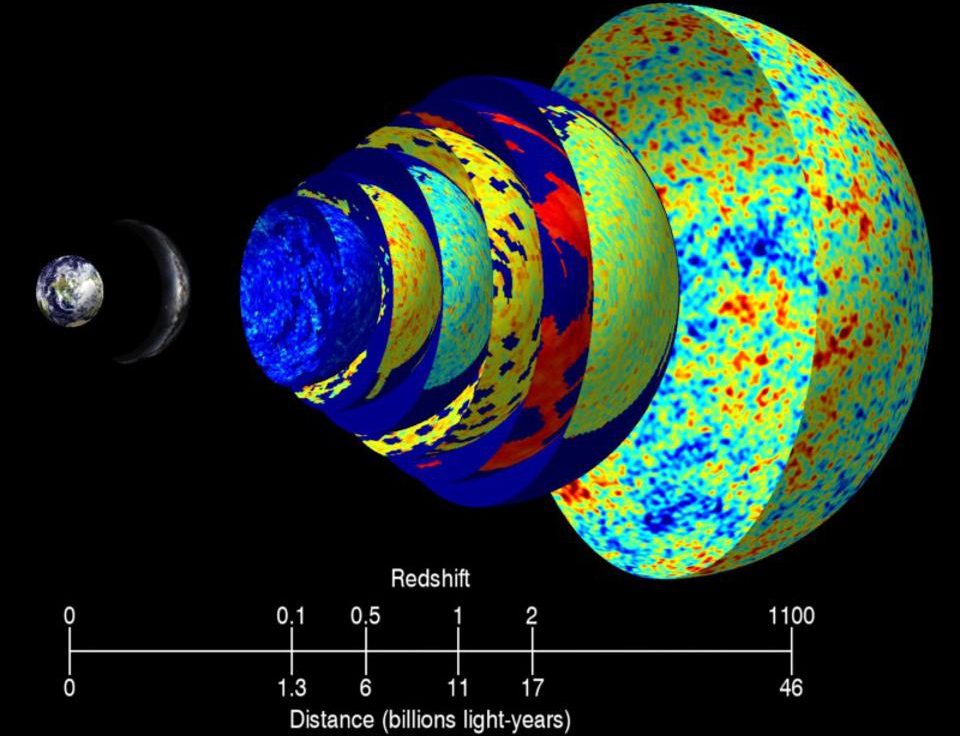
In the 20th century, many options abounded as to our cosmic origins. Today, only the Big Bang survives, thanks to this critical evidence.
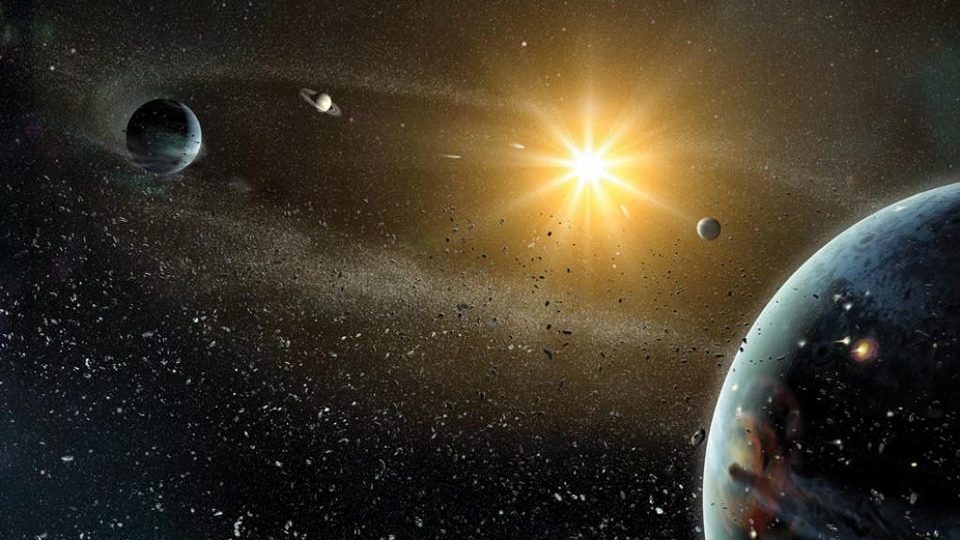
For some reason, when we talk about the age of stars, galaxies, and the Universe, we use “years” to measure time. Can we do better?

The most common element in the Universe, vital for forming new stars, is hydrogen. But there’s a finite amount of it; what if we run out?
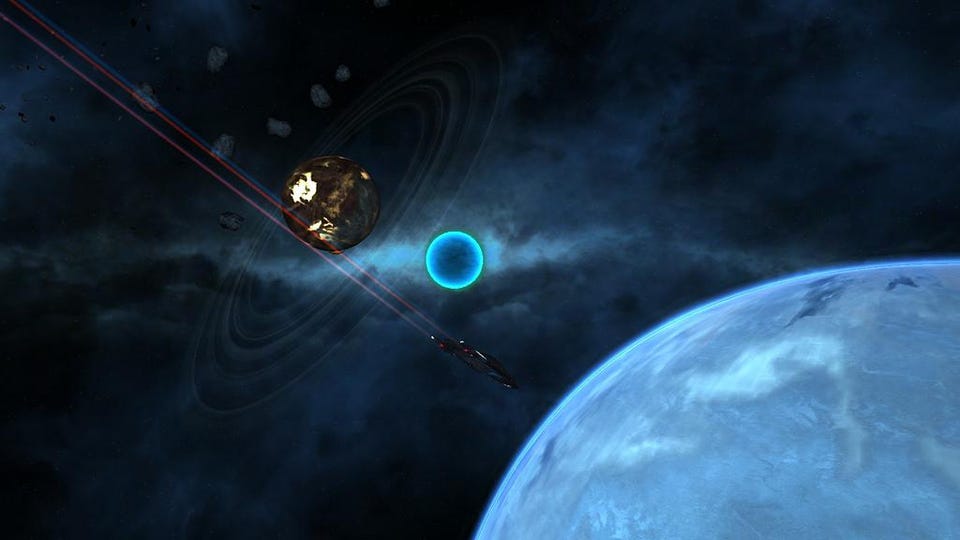
Life arose on Earth very early on. After a few billion years, here we are: intelligent and technologically advanced. Where’s everyone else?
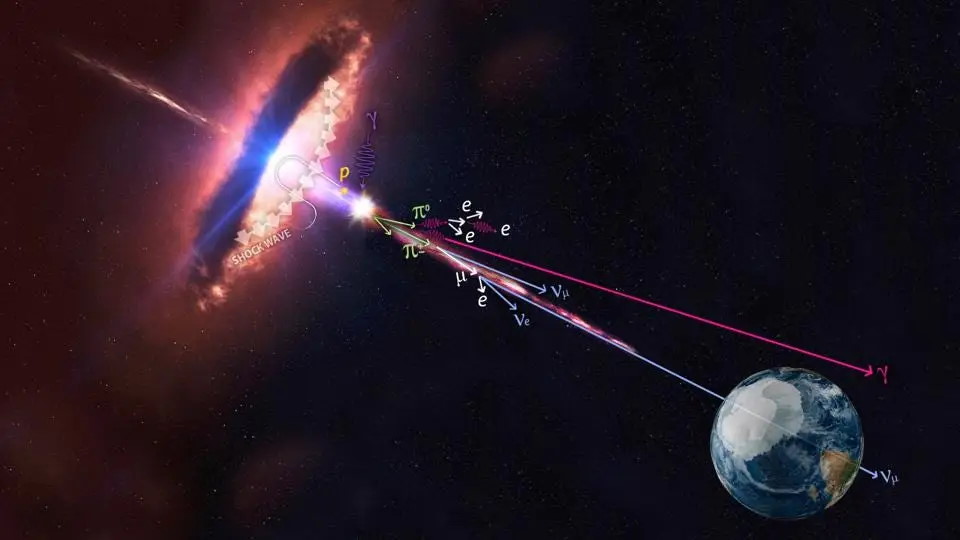
Our Universe requires dark matter in order to make sense of things, astrophysically. Could massive photons do the trick?

Practically all of the matter we see and interact with is made of atoms, which are mostly empty space. Then why is reality so… solid?
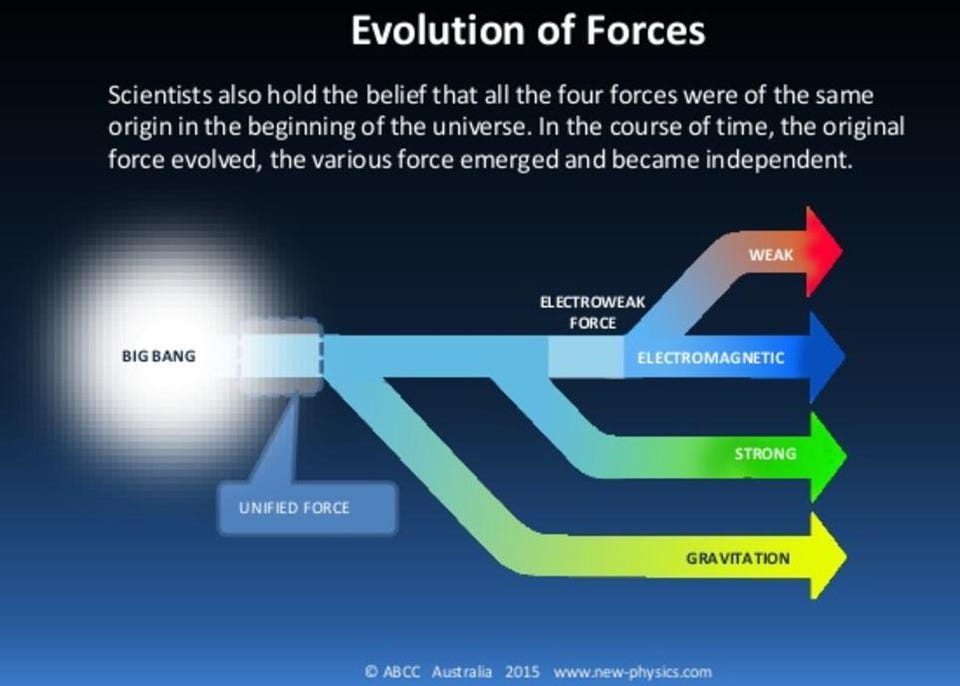
If the electromagnetic and weak forces unify to make the electroweak force, maybe, at higher energies, something even grander happens?
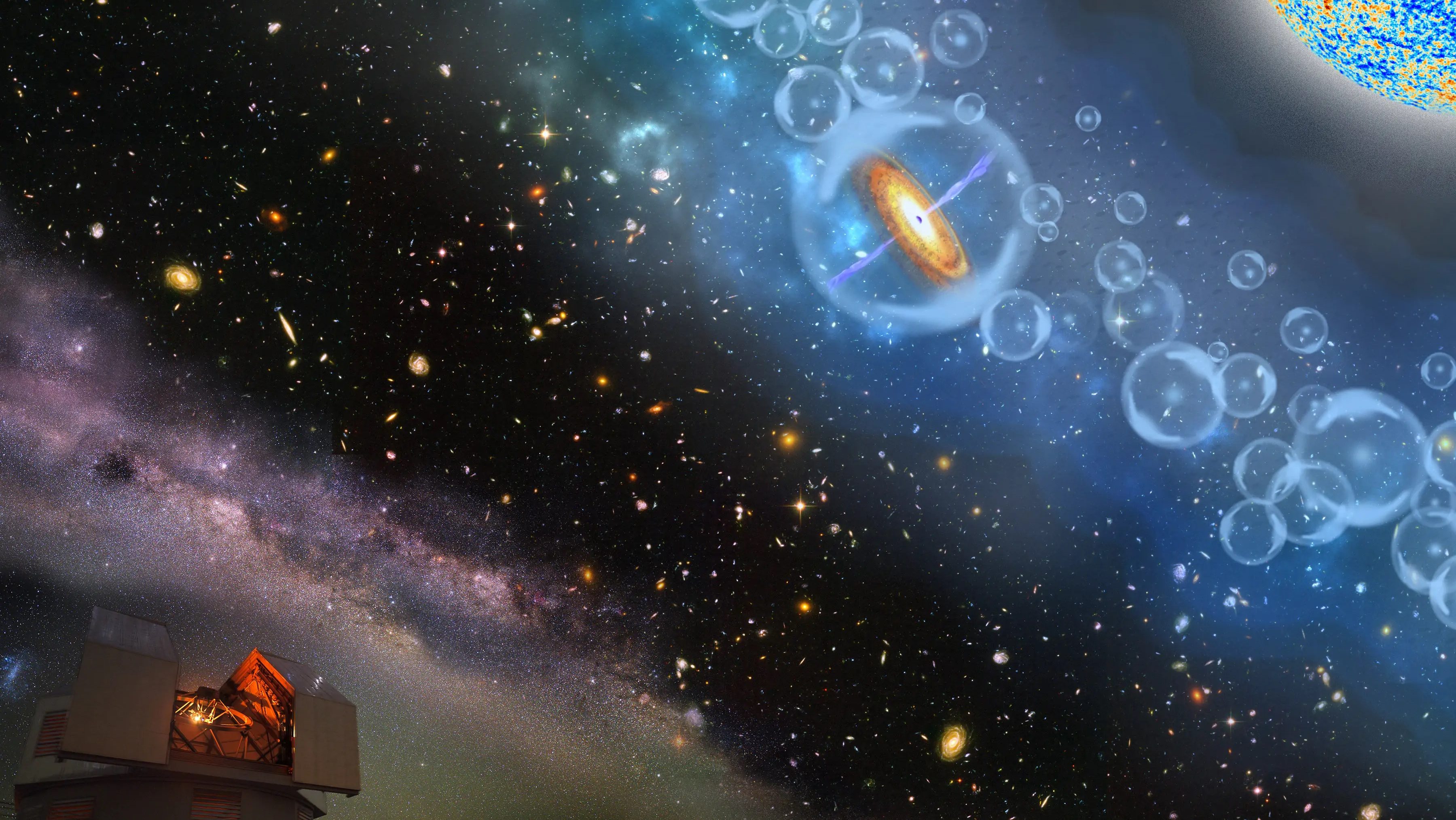
The Universe is expanding, and the Hubble constant tells us how fast. But how can it be a constant if the expansion is accelerating?