How to Command the Room

Defining Presence
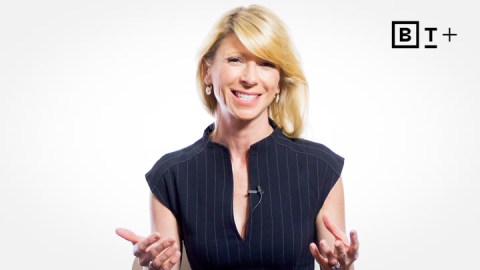
"Presence," as defined by social psychologist Amy Cuddy, is the ability to express your true self under pressure, enabling peak performance by fostering self-acceptance and awareness, particularly in high-stakes situations that trigger anxiety and social judgment.
Perceiving Presence
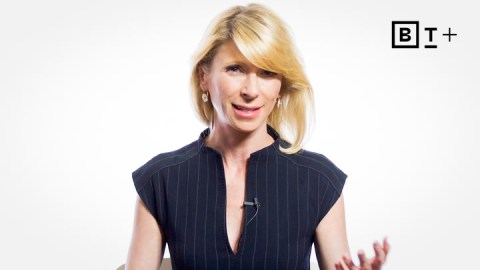
Amy Cuddy explains that true presence, characterized by belief in one's story, confidence, and synchrony between verbal and non-verbal cues, contrasts with inauthenticity, which can be detected through conflicting emotions and behavioral leaks.
Understand What It Means to “Wear the Jacket”
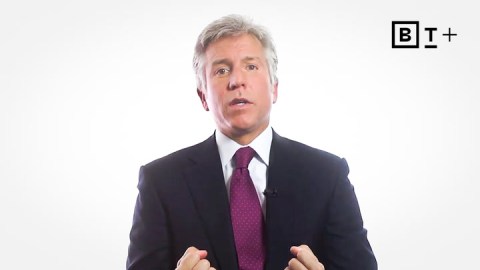
Leaders admired for their "it" factor, characterized by charisma and confidence, embody executive presence, which Bill McDermott calls “wearing the jacket,” emphasizing the importance of body language and accountability in leadership.
A CEO Coach’s Tools for Expanding Your Range
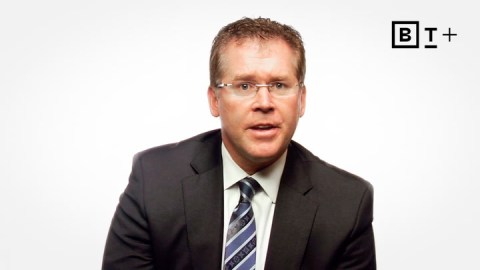
Stephen Miles, CEO of The Miles Group, emphasizes that even top CEOs can enhance their leadership by recognizing blind spots, and offers four tools for self-coaching: identifying your leadership style, modifying it for your audience, fostering dialogue, and affirming opposing viewpoints.
Use the Socratic Method
In debates, the Socratic Method effectively guides opponents to self-realization of their errors by encouraging them to reason through counterarguments, rather than directly confronting them.
Leverage Language and Linguistic Cues
In negotiation, tone of voice significantly influences collaboration and outcomes, with expert Chris Voss highlighting techniques like mirroring and inflection, while emphasizing the critical role of the concept of "fairness" as both a strategic tool and a potential pitfall.
Practice, Practice, Practice
Performance anxiety is common, but John Cleese emphasizes that over-rehearsing and committing lines and movements to muscle memory can alleviate fear, allowing performers to be more present, while relaxation techniques like mindfulness can further reduce anxiety.
Improving Your Emotional State with Movement
Amy Cuddy teaches that adjusting your posture can influence your thoughts and feelings, emphasizing the body-mind connection and offering kinesthetic techniques to decrease stress and boost mood by promoting powerful body language and mindful breathing.
Harness Anxiety for High-Stakes Performances
To manage pre-presentation stress, embrace performance anxiety as a positive force by saying "I'm excited!" and channel it through energetic music or quick exercises to boost adrenaline and enhance your performance.
Tell Purposeful Stories
Peter Guber emphasizes that success in business hinges on crafting compelling stories that engage and motivate audiences, offering strategies to emotionally connect with partners, shareholders, customers, and employees for impactful communication.
Presence is more than confidence — it’s the ability to be fully yourself, especially when the stakes are high. In this class, social psychologist Amy Cuddy explores how to access and express your authentic self so you can perform at your best in any situation. Through science-backed insights and practical techniques, you’ll learn how self-awareness, posture, and mindset work together to create genuine presence.
You’ll also hear from leading thinkers including Bill McDermott, who shares how executive presence drives effective leadership, and Stephen Miles, who explains how adaptability and self-knowledge strengthen your influence. Chris Voss offers strategies for using tone and empathy to improve negotiations, while John Cleese brings humor and wisdom to overcoming stage fright and managing nerves.
By combining psychology, communication, and mindfulness, this class gives you actionable tools to project confidence, connect authentically, and command any room — whether you’re leading a meeting, giving a presentation, or handling a tough conversation.