Search
A 60-day moratorium has halted international research that produced a more communicable strain of the deadly H5N1 bird flu virus, the full findings of which will be reported only to scientists and health officials.
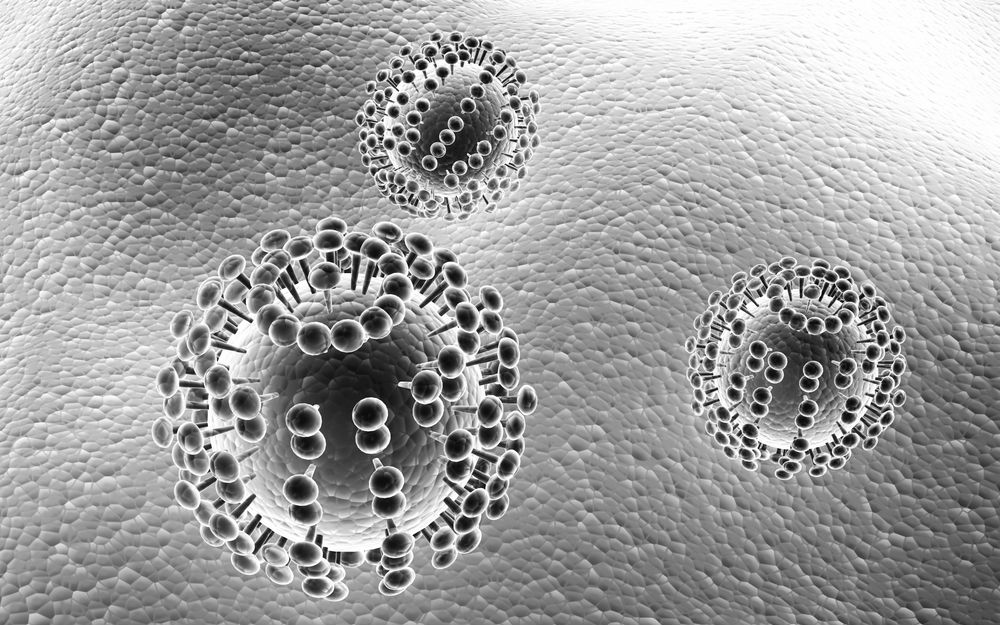
Differences in certain avian and mammalian proteins explain why avian influenza doesn't (typically) infect humans.
The world’s highest mountain is also the world’s highest cemetery, with some bodies serving as creepy landmarks for today’s climbers.
The young and healthy were not just as likely to die as the old and frail, according to a new analysis.
Gamma-ray bursts are so powerful they could vaporize the Earth from 200 light-years away. Recreating them in the lab is not easy.
The CDC estimates that more than 210,000 people in the U.S. have been hospitalized by the flu this season.
Bats are being subjected to a deadly plague that may be threatening their existence. However, a new bacterial spray may help fight the fungus responsible.
U.S. drivers faced a 12% greater risk of dying in a car crash on April 20 over the past 25 years. The likely explanation? High drivers.
Envy hurts, and it can devolve into nastiness and even violence, but envy can also encourage us to aspire to our better or our best selves at work, school or at home.
A new method for creating bird flu vaccines for particular strains could help researchers swiftly develop additional vaccines for other forms of influenza.
If there was an award for the single greatest hub of pseudoscience on the internet, the website Natural News would well and truly take the crown tin foil hat. Expect […]
The Chinese Center for Disease Control and Prevention confirms that 33 people have been infected with the H7N9 strain of influenza which has mutated from its feathered source to infect humans.
What big data means is we are able to learn things about ourselves at the population level, at a huge scale, that we never could in the past.
Fears of a global bird flu pandemic have been abated by the fact that the virus is not communicable by air—until now. Dutch researchers want to publish their new virus recipe.
Big Think sat down with Pfizer scientist Manos Perros to talk about pandemics. The chief scientist in the anti-virals department, he’s no stranger to developing drugs to counteract deadly diseases […]
In this excerpt from "The Formula for Better Health," Tom Frieden explores how Alice Hamilton transformed public health in her fight against lead poisoning.
Kathryn Harkup, chemist and author of V Is for Venom, joins Big Think to discuss why Christie isn’t just a brilliant writer but a unique science communicator.
For centuries, vaccines have been the top life-saving, expert medical intervention known to humans. How can individuals make the right call?
In this preview from "The Saucerian," author Gabriel Mckee explains how the combination of fantastical stories and obscure bureaucracy launched the “space age of the imagination.”
In all the known Universe, Earth is the only planet known to have native life. What should guide us in expanding humanity beyond our world?
In theory, scientists could've produced a deadly virus that accidentally infected lab workers. In practice, we know that didn't happen.
In his new book, the popular science writer tells the story of how scientists discovered the “gaseous ocean” we all swim in — and the trillions of invisible life forms we share it with.