Your teams need authentic caregiving, not an insincere plan to merely check all of the well-being boxes.
Oops! That page can’t be found.
It looks like nothing was found at this location. Maybe try a search?
Were you looking for something like this?
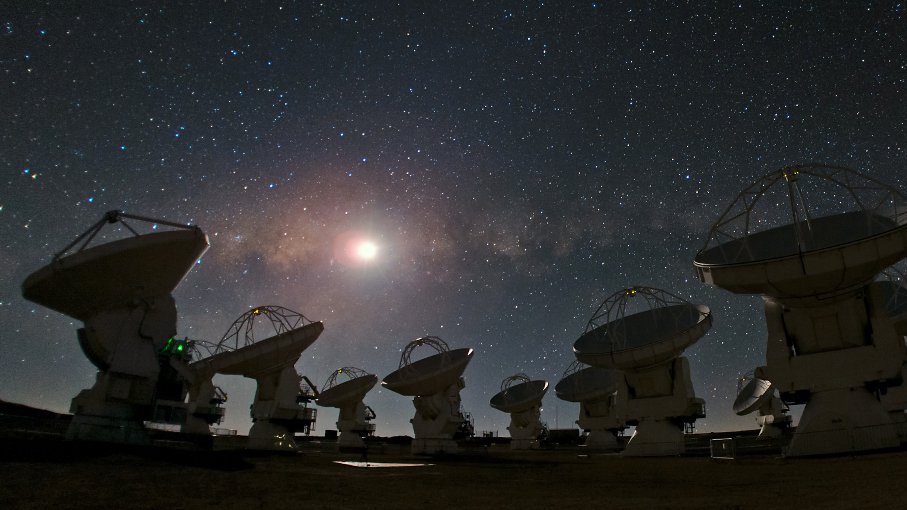
New telescopes, radio dishes, and gravitational wave detectors are needed for next-generation science. Will the USA lead the way?
An authentic career strategy built around sustainability involves embedding these key principles into all jobs, argues Marilyn Waite.
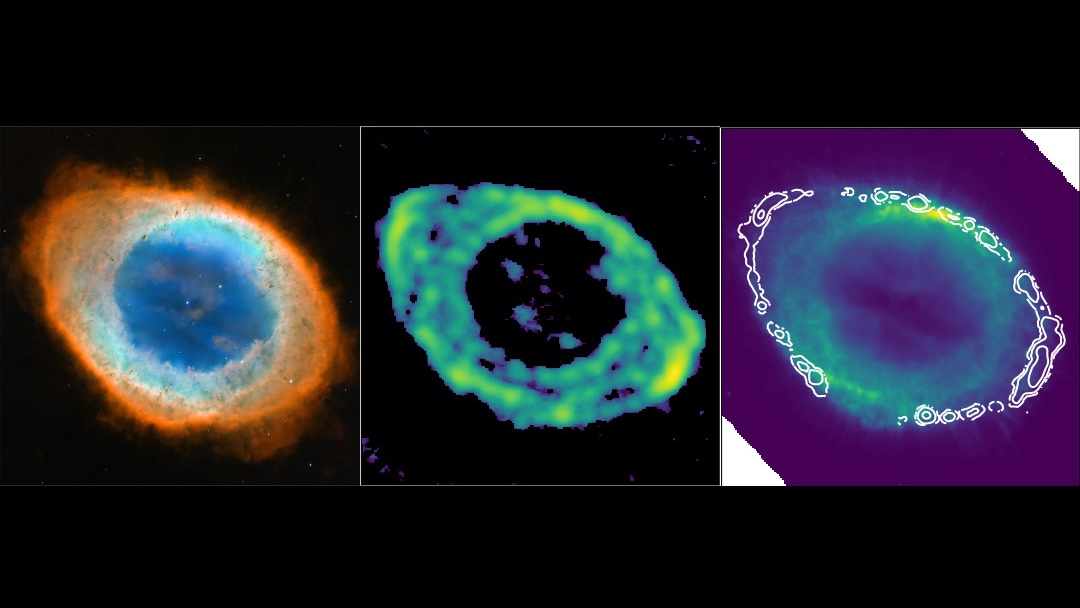
The Ring Nebula, a bright, circular planetary nebula, is created by a dying Sun-like star. After centuries, we finally know its true shape.
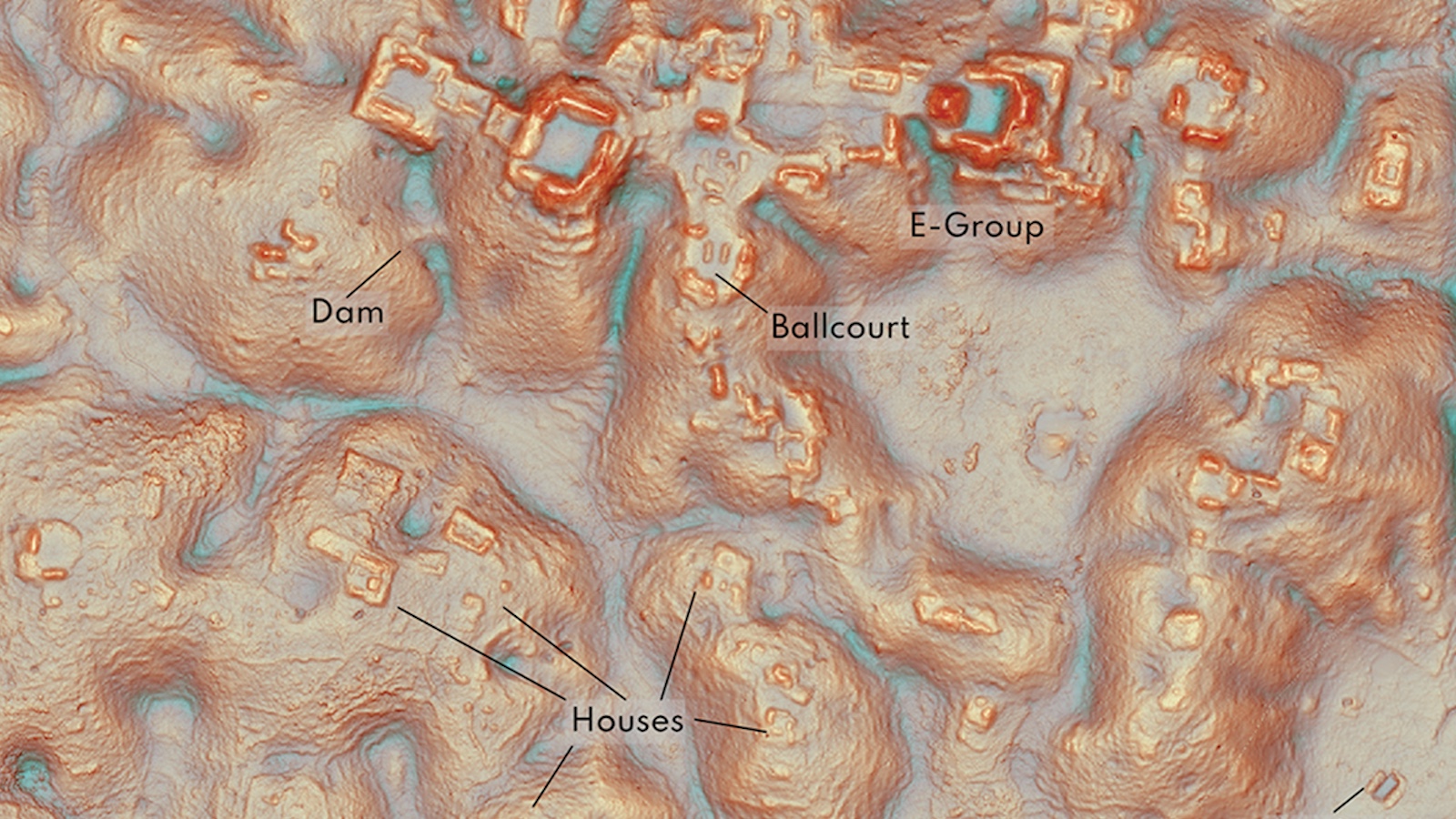
Dubbed “Valeriana” by researchers, the city of 50,000 peaked around 800 AD before being swallowed by the jungle.
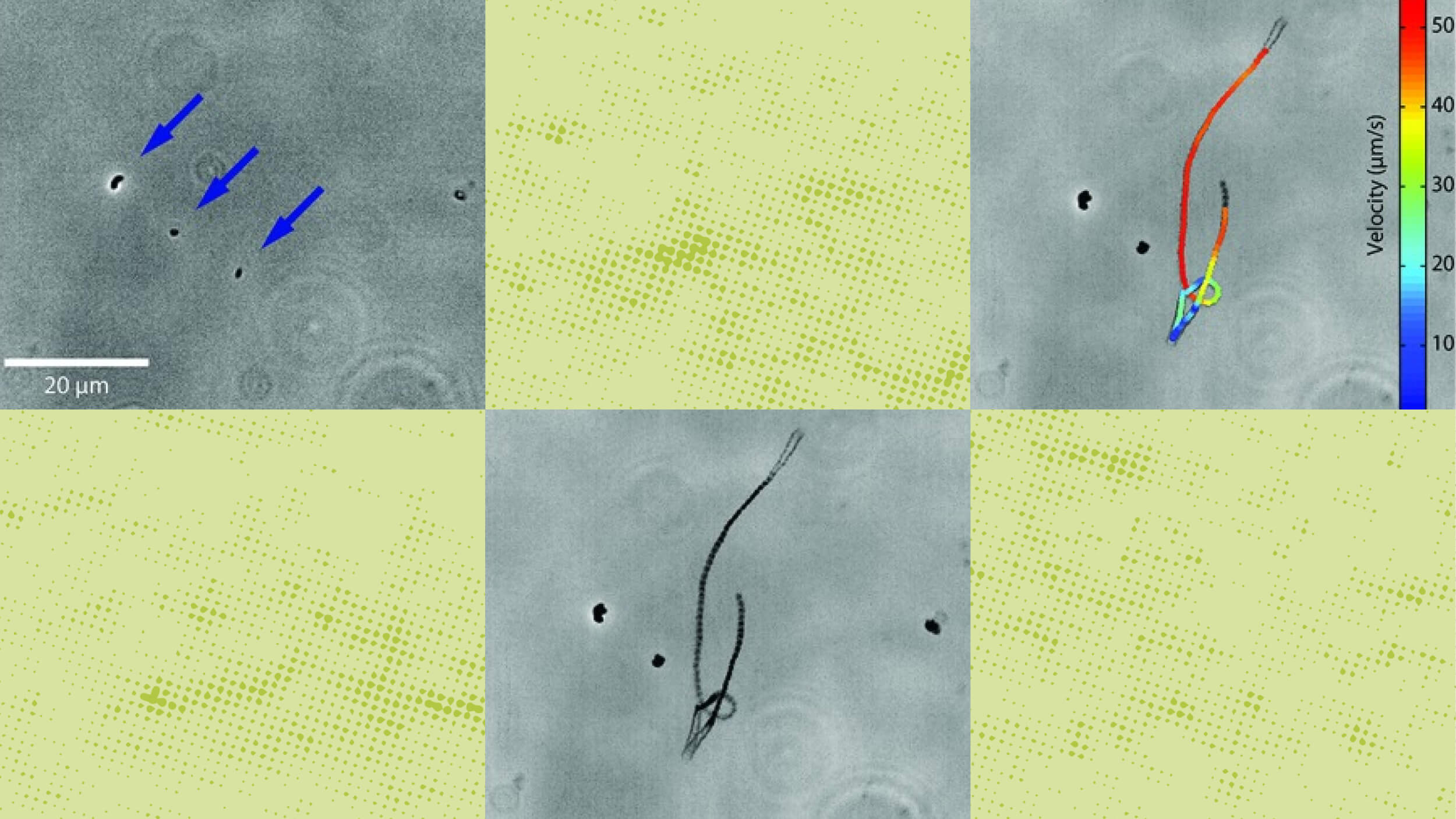
Motility was suggested as a promising “biosignature” as early as the 1960s, but the technology was insufficient — until now.
People who’ve never been partnered tend to be less extraverted, less conscientious, and more neurotic.
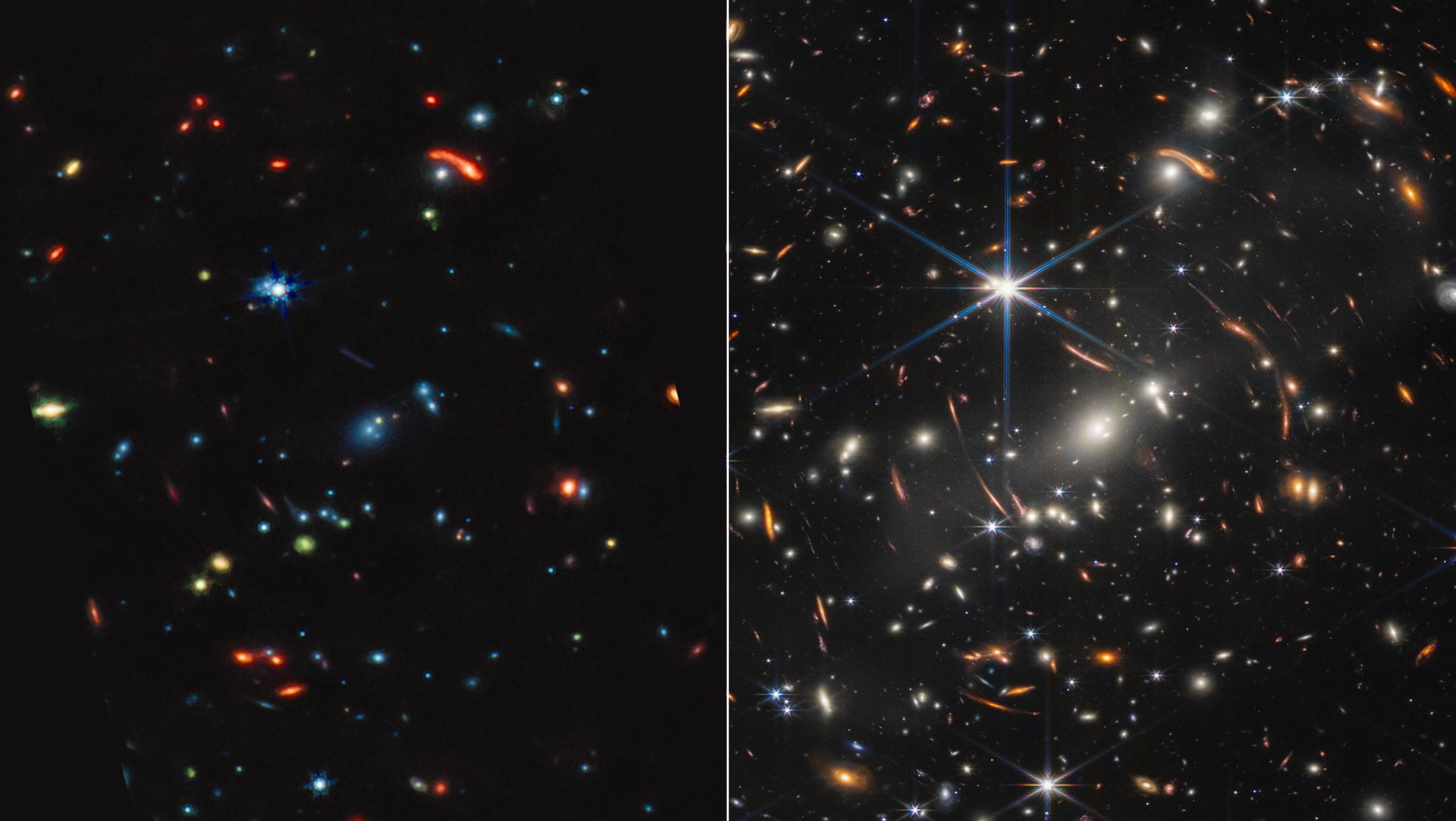
Since mid-2022, JWST has been showing us how the Universe grows up, from planets to galaxies and more. So, what’s its biggest find of all?
Physicist Don Lincoln explains why mathematics is a powerful tool for scientific modeling, but is not a science itself.
Welcome to The Nightcrawler — a weekly newsletter from Eric Markowitz covering tech, innovation, and long-term thinking.
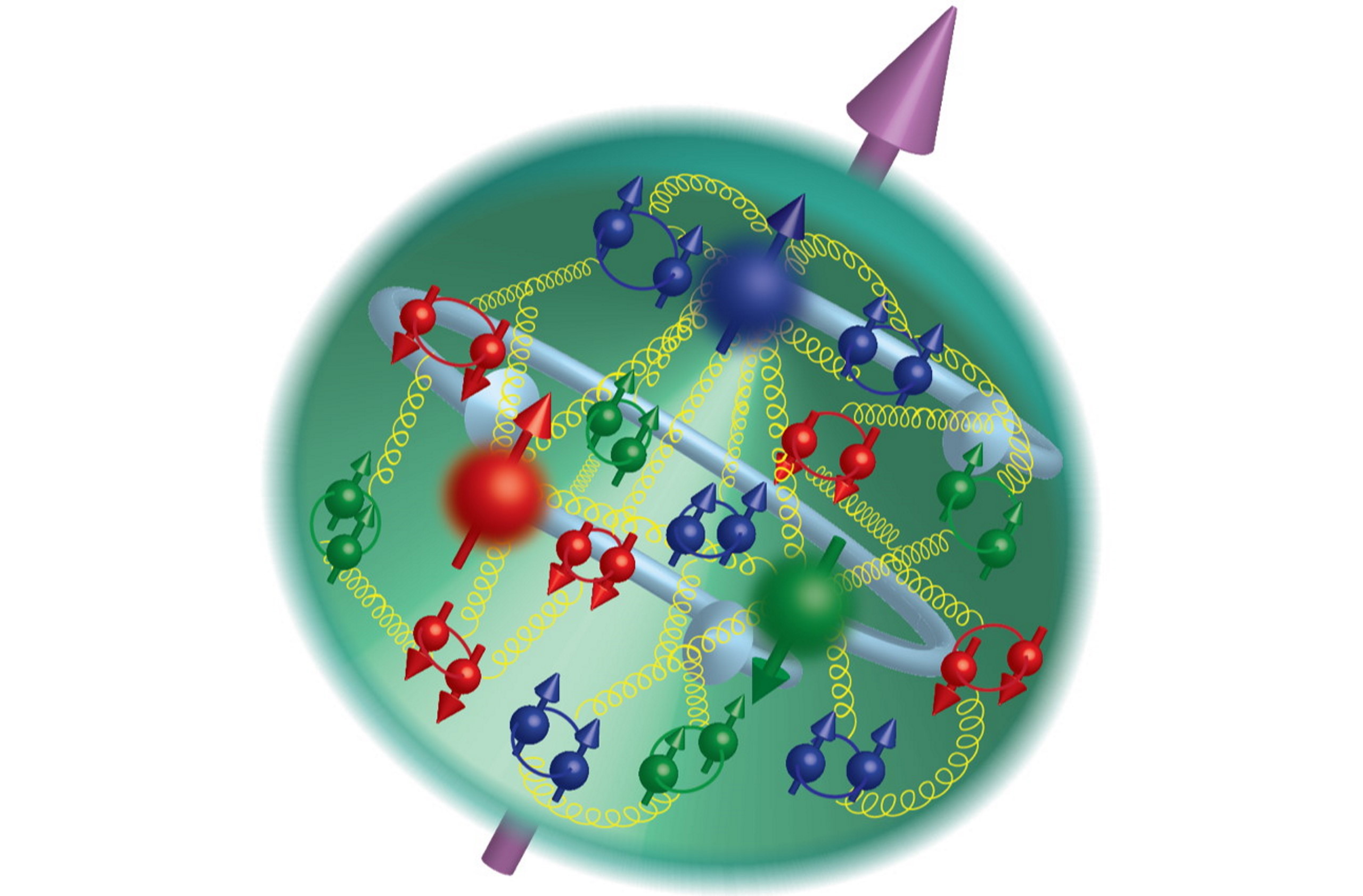
A proton is the only stable example of a particle composed of three quarks. But inside the proton, gluons, not quarks, dominate.
In many ways, the rising anti-phone fervor in schools mirrors moral panics of the past.
Sunita Sah hopes that by redefining defiance, we can build societies that allow people to live more authentic lives.
“There is so much more uncertainty and volatility in a world that is moving fast with big countries that are more at odds with each other and with fewer rules of the road that leaders, companies, and societies are adhering to.”
▸
22 min
—
with
The discovery of ultra-bright, ultra-distant galaxies was JWST’s first big surprise. They didn’t “break the Universe,” and now we know why.
Today’s philosophy students would be justified in asking, “What does any of this have to do with living?”
Resilience isn’t just about pain and perseverance — it’s about embracing the journey.
An approach based on collaboration and empathy can place “connection with people” at the heart of AI’s purpose.
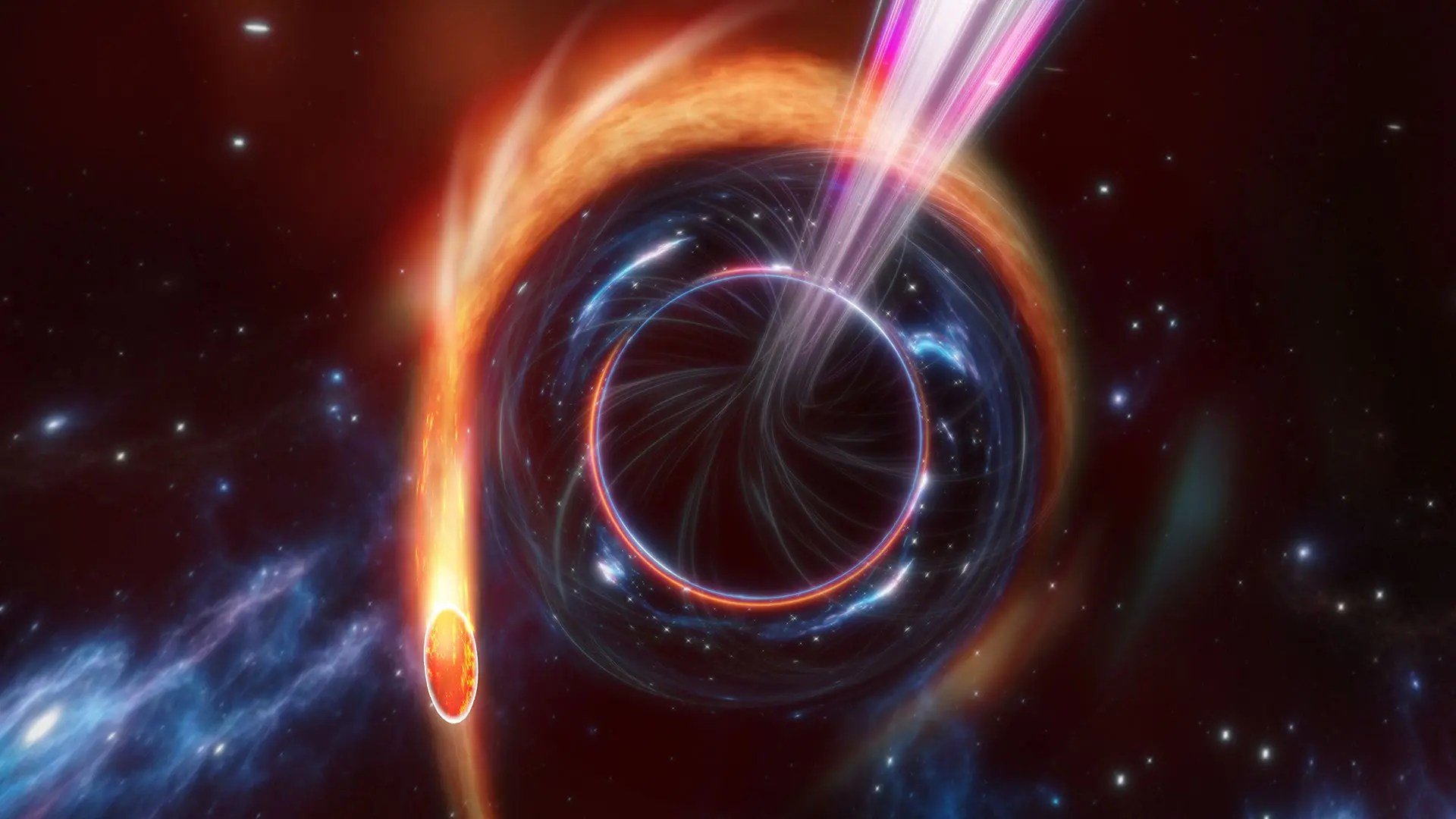
Seven years ago, an outburst in a distant galaxy brightened and faded away. Afterward, a new supermassive black hole jet emerged, but how?
New research is uncovering why we eat first with our expectations.
Yondr CEO Graham Dugoni unpacks the technological zeitgeist in this exclusive Big Think interview covering media ecology, leadership, AI, human connection, and much more.
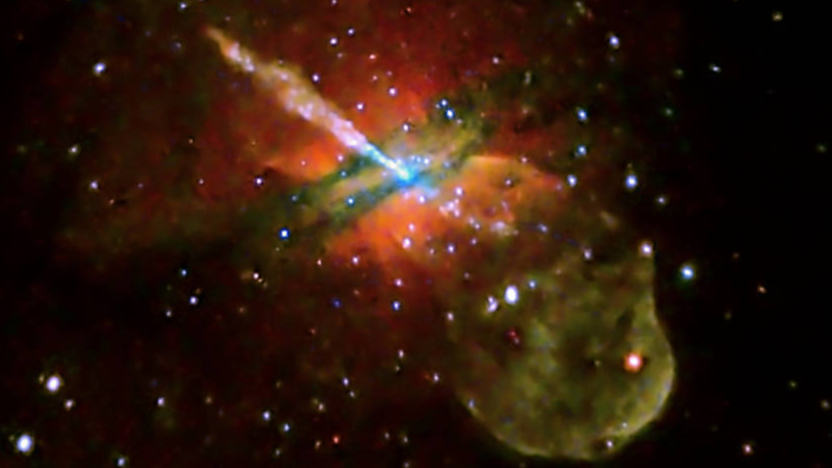
Here in our Universe, stars shine brightly, providing light and heat to planets, moons, and more. But some objects get even hotter, by far.
“Technology has always been co-opted for war, but truly intelligent AI, let alone a superintelligence, is a different beast entirely.”
Other plans for the tech: organ banking and deep space travel.
Most stars shine with properties, like brightness, that barely change at all with time. The ones that do vary help us unlock the Universe.
Astronomer Adam Frank reflects on some responses to his recent appearance on the Lex Fridman Podcast.
“I think it’s about time we stop allowing every male generation bang their frontal lobe through its most developmental stages.”
When Star Trek’s Captain Picard and The Office’s Dwight Schrute channel philosopher Karl Jaspers, we can all benefit.
“Many people get stuck in feeling responsible for their psychological state, and there’s a way in which simply being with whatever uncomfortable emotions rather than believing that you are controlling them can be extremely beneficial for psychological wellbeing.”
▸
10 min
—
with
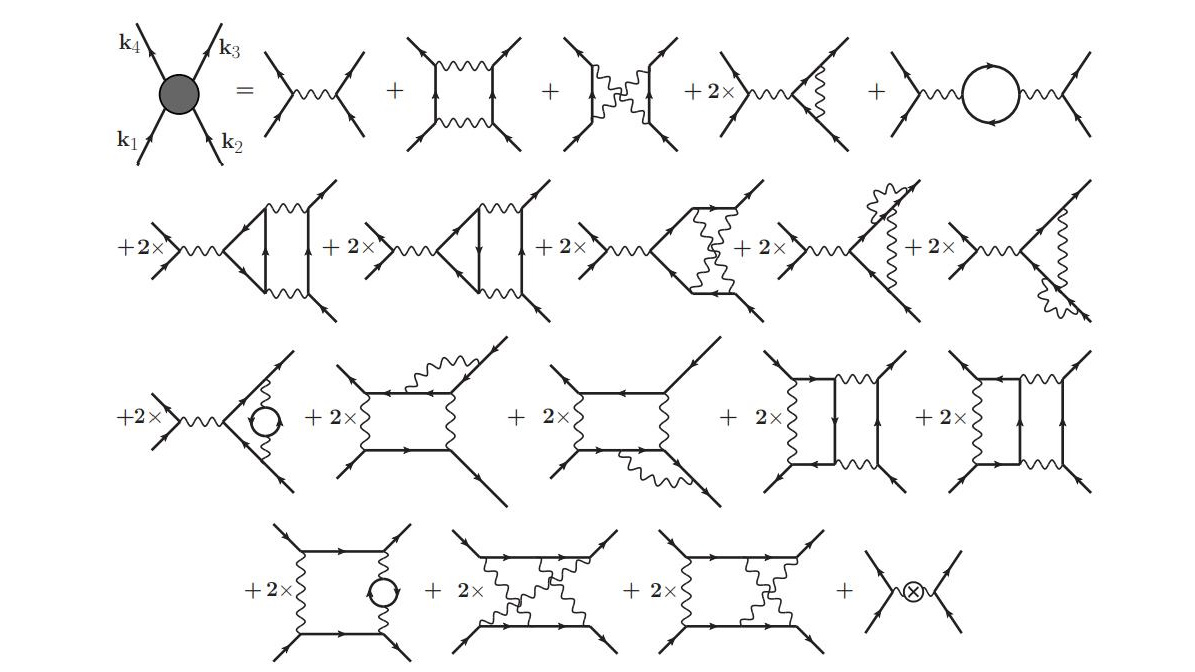
The electromagnetic force can be attractive, repulsive, or “bendy,” but is always mediated by the photon. How does one particle do it all?