It’s OK to hate a frigid pond.
Oops! That page can’t be found.
It looks like nothing was found at this location. Maybe try a search?
Were you looking for something like this?
“If you ask a computer, it will say, most of the time you want to either be raising or folding, right? You want to take an aggressive action or quit. I think this is a great metaphor for lots of things in real life, too.”
▸
5 min
—
with
A neuroscientist, a psychologist, and a psychotherapist discuss how emotions are stories built from old experiences.
▸
7 min
—
with
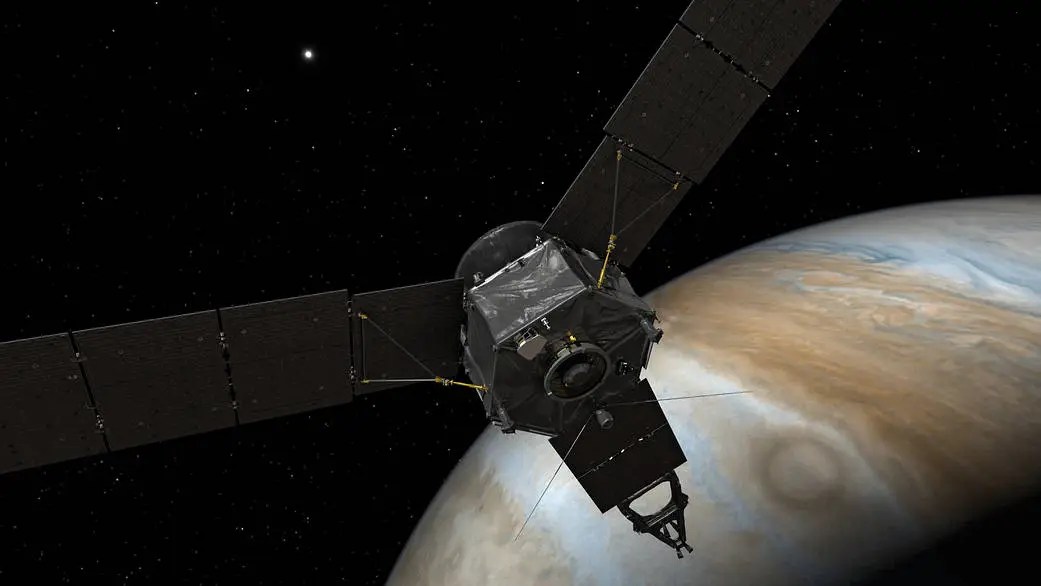
The Juno spacecraft, orbiting and imaging Jupiter since 2016, is still succeeding. Without a further extension, the mission now faces death.
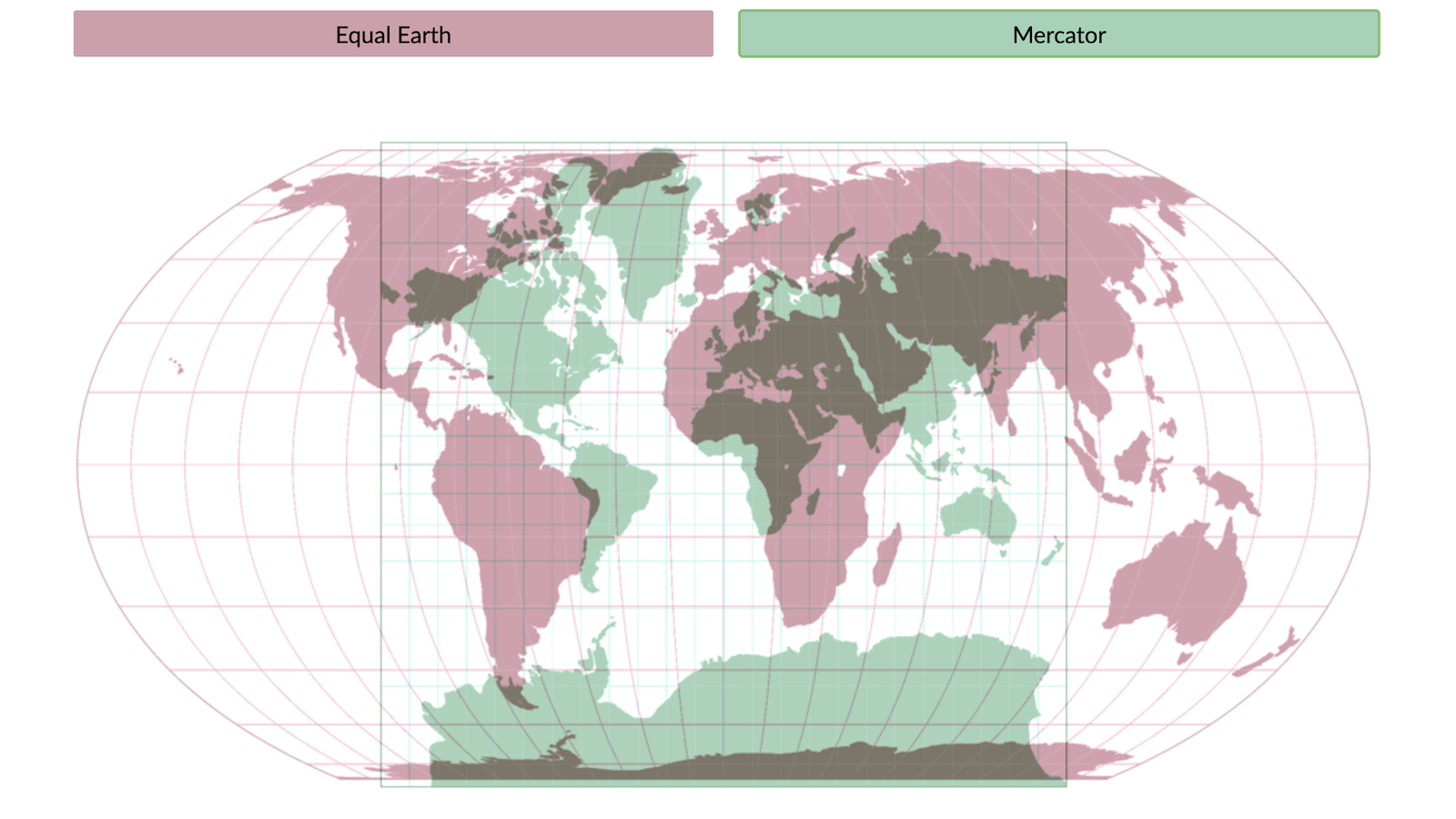
The African Union argues that the Mercator projection distorts the continent, both in size and global attention.
In “That Book Is Dangerous,” author Adam Szetela examines the rise of the “Sensitivity Era” in publishing and how outrage campaigns try to control what books authors can write and readers can read.
The predictions of evolutionary theorists and current advances in “multimodal AI” offer strong clues to the future of employment.
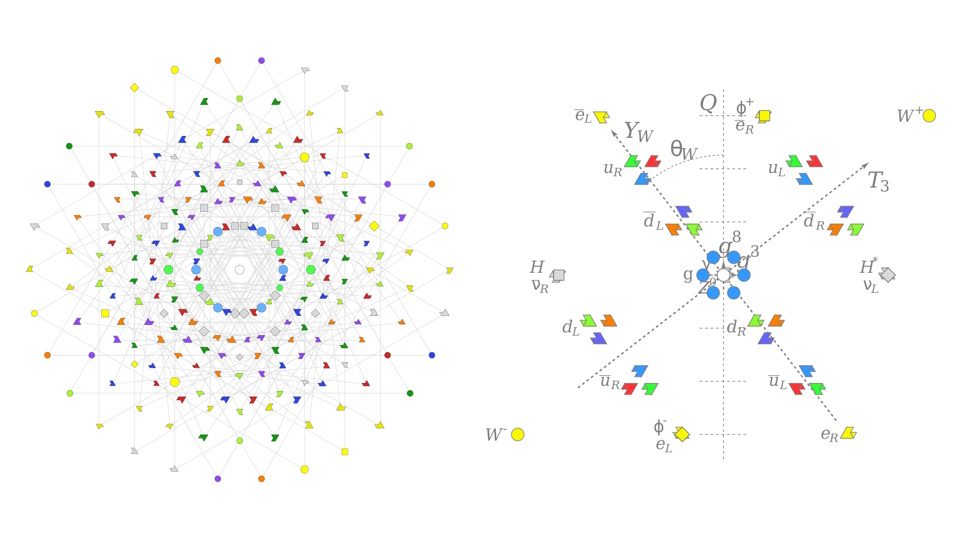
With several seemingly incompatible observations, cosmology faces many puzzles. Could early, supermassive stars be the unified solution?
A contemplative approach to leading others can help us accept the tension of not always knowing how things will play out.
What separates a disciplined life from a virtuous one? Psychologist Sarah Schnitker says the answer lies in your purpose.
▸
3 min
—
with
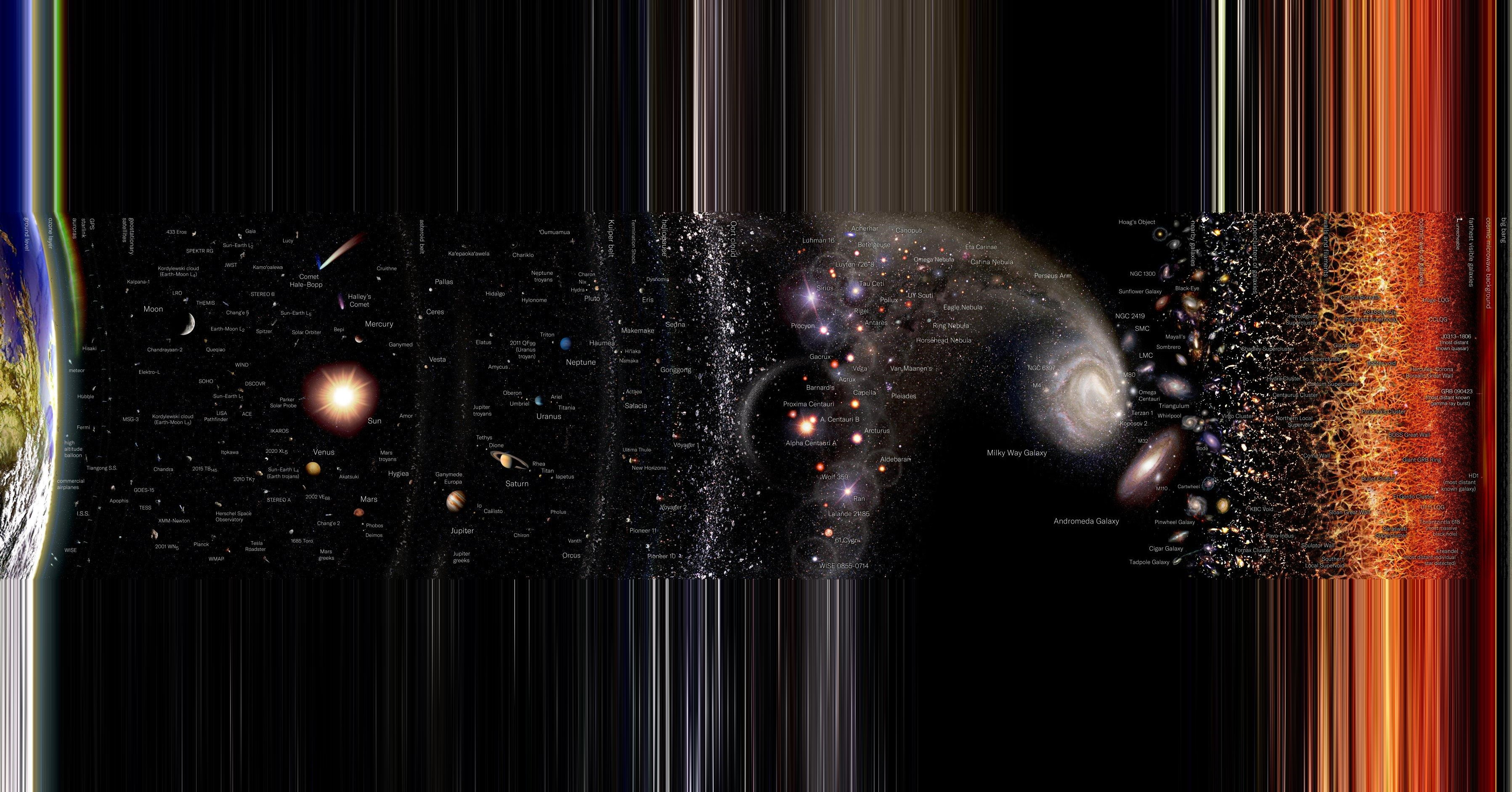
As we look to larger cosmic scales, we get a broader view of the expansive cosmic forest, eventually revealing the grandest views of all.
Explanations for the cosmic speed limit often conflate mass with inertia.
“Nothing about human behavior makes sense except in the light of culture and in anthropology, and we need to understand the cultural component to our behaviors as well.”
▸
01:13:32 min
—
with
The Universe isn’t just expanding; the expansion is accelerating. If different methods yield incompatible results, is dark energy evolving?
In this excerpt from “The Story of CO2,” Peter Brennan explains how changes in the Earth’s ecosystem led to fire, which in turn led our ancestors to become the “fire apes.”
Welcome to The Nightcrawler — a weekly newsletter from Eric Markowitz covering tech, innovation, and long-term thinking.
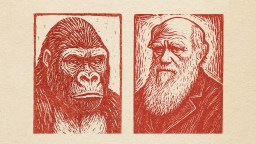
“The idea of evolution by natural selection is, for me, probably the most beautiful idea in biology.”
▸
8 min
—
with
When you don’t have enough clues to bring your detective story to a close, you should expect that your educated guesses will all be wrong.
Happiness researchers Robert Waldinger MD, Tal Ben-Shahar PhD, and Peter Baumann explain why the happiest people aren’t happy all the time.
▸
3 min
—
with
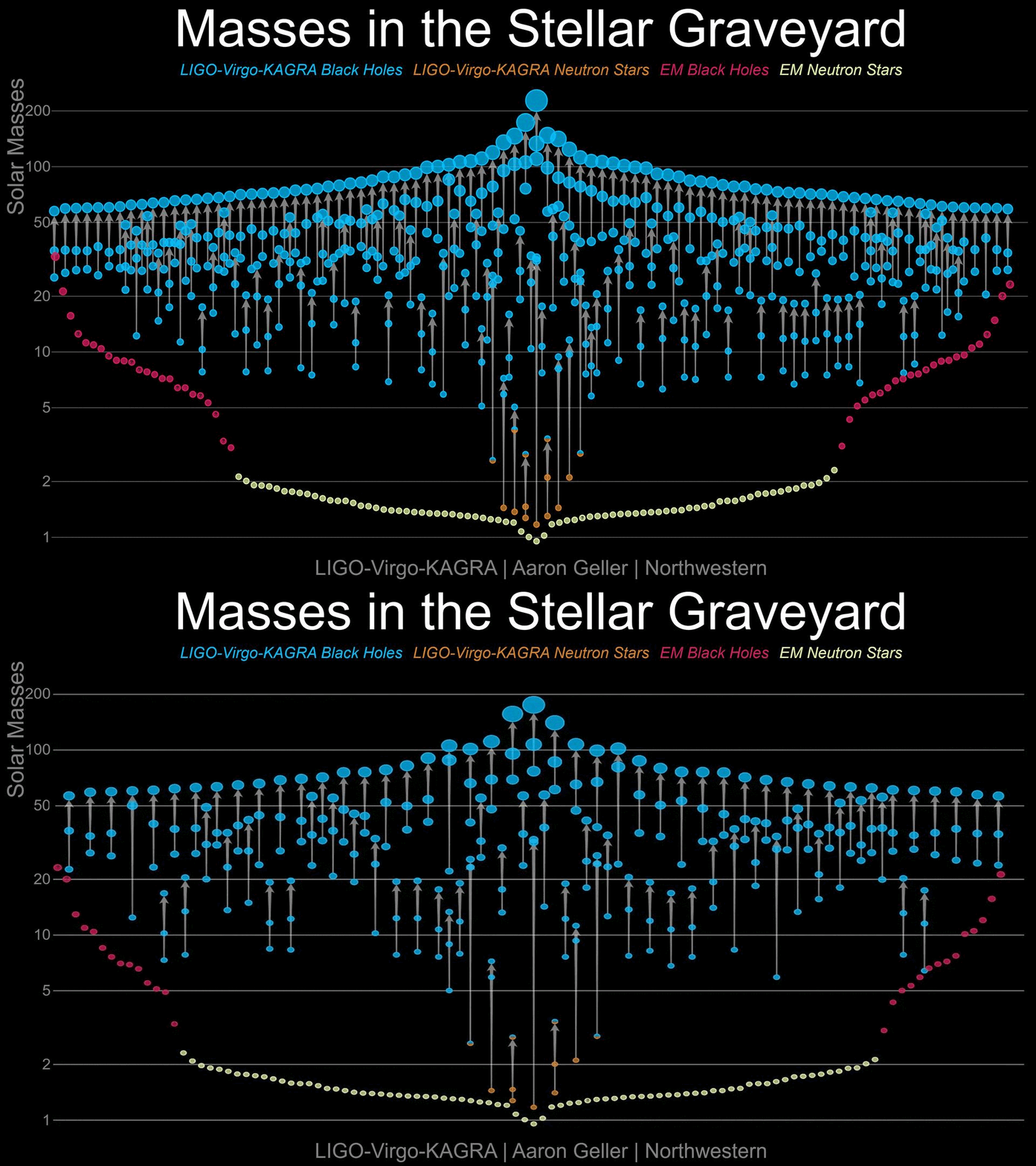
10 years ago, LIGO saw its first gravitational wave. After 218 detections, our view of black holes has changed forever. Can this era endure?
In this excerpt from “Tales of Militant Chemistry,” Alice Lovejoy exposes how the need for uranium during WWII led the Allied governments to turn a blind eye to colonial exploitation.
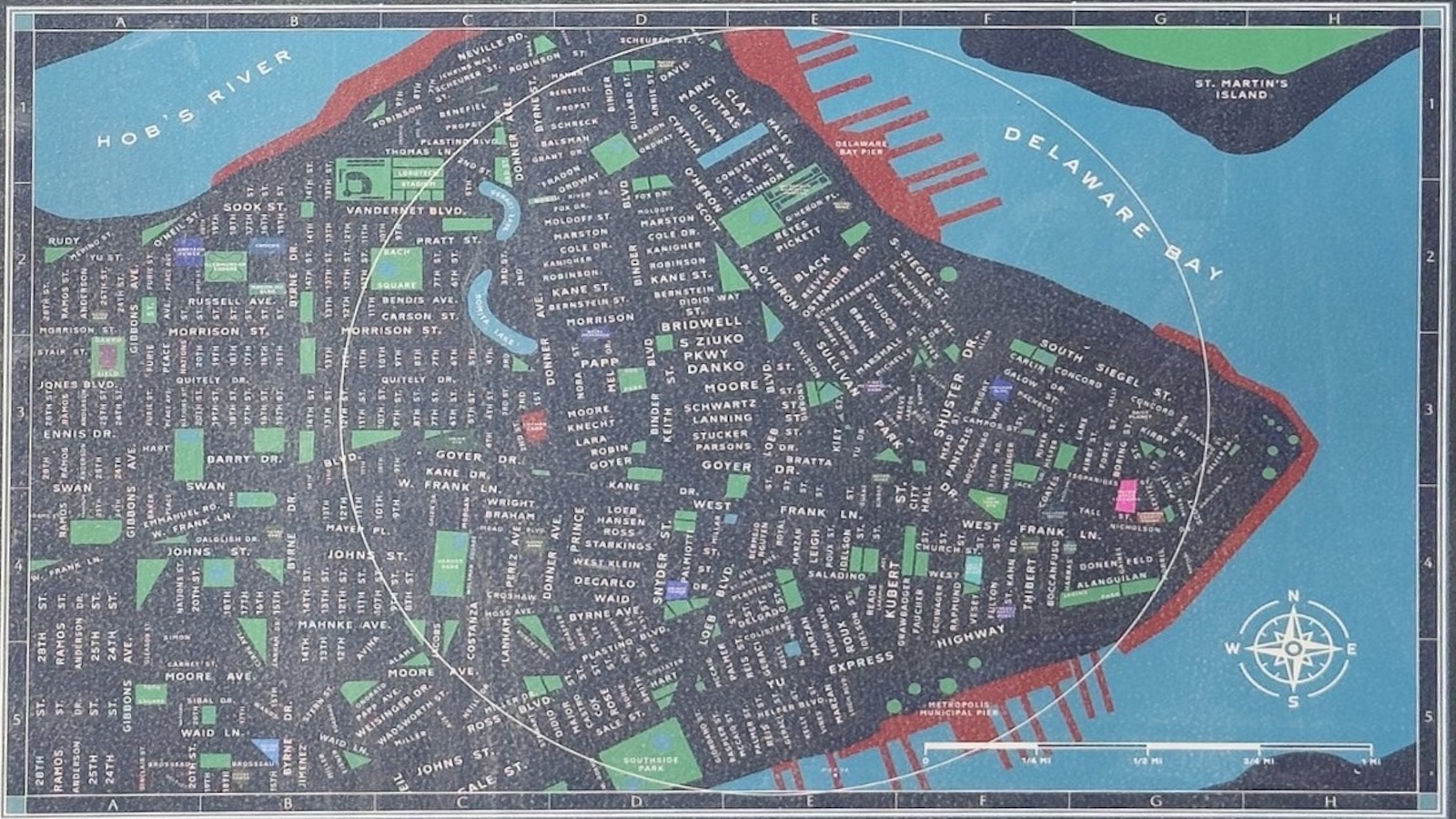
The latest “Superman” film sets Metropolis in the First State.
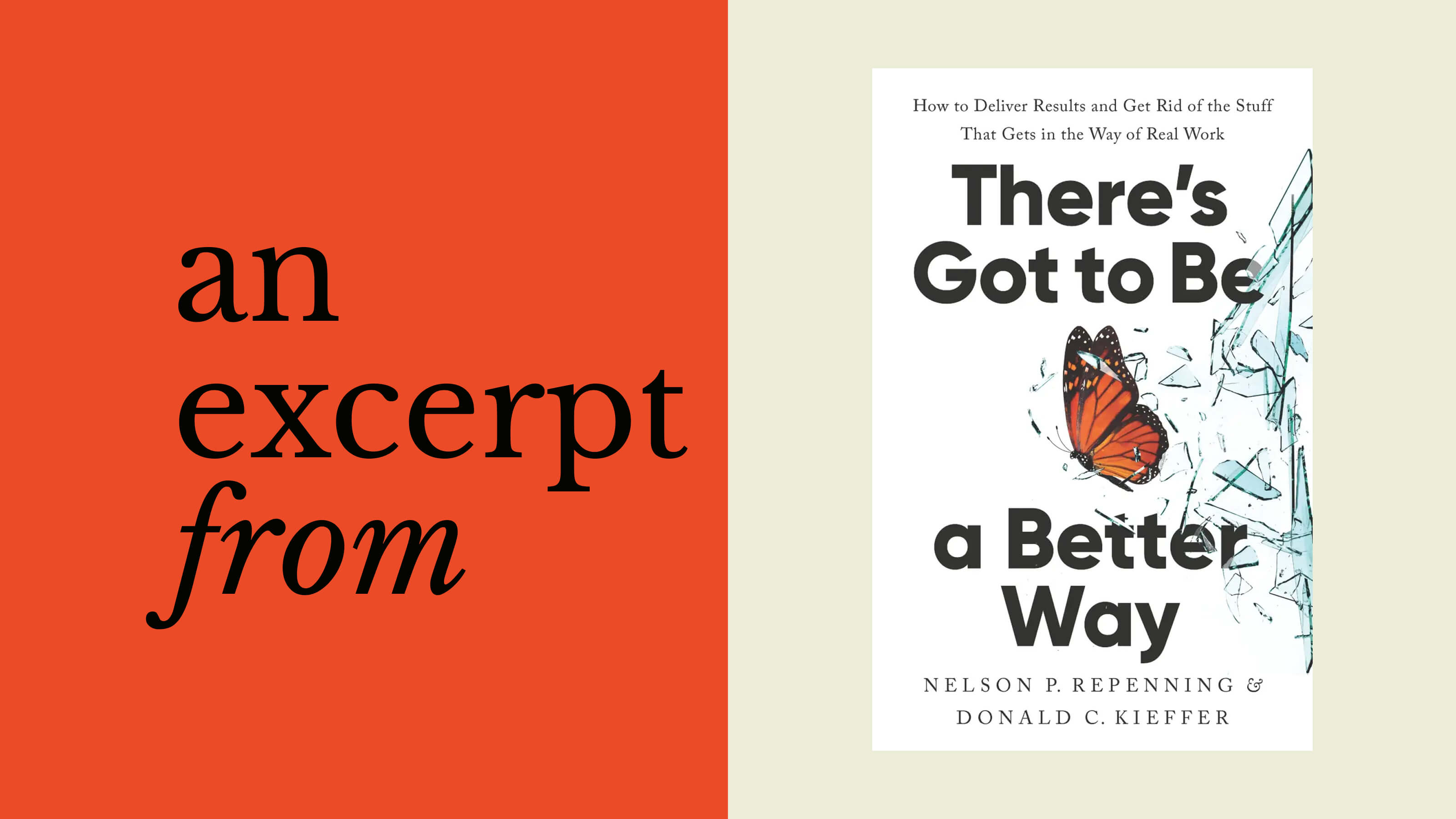
MIT Sloan’s Nelson P. Repenning and Donald C. Kieffer outline their tried-and-tested solution for stubborn workflow blockages.
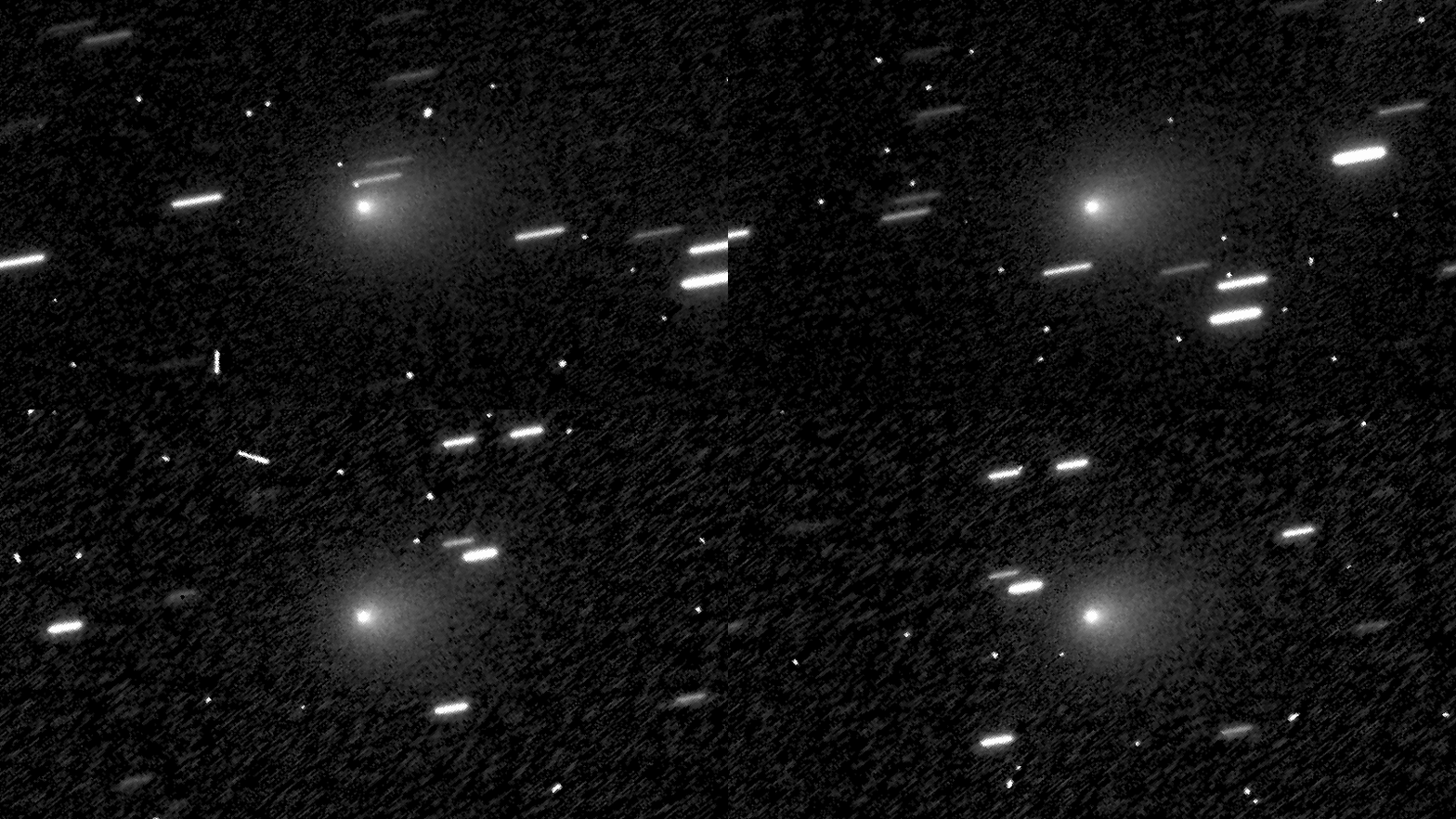
Designed to map galaxies, the SPHEREx mission’s first science result is instead about interstellar interloper 3I/ATLAS. No, it’s not aliens.
You are held, shaped, and sustained by a thousand invisible hands.
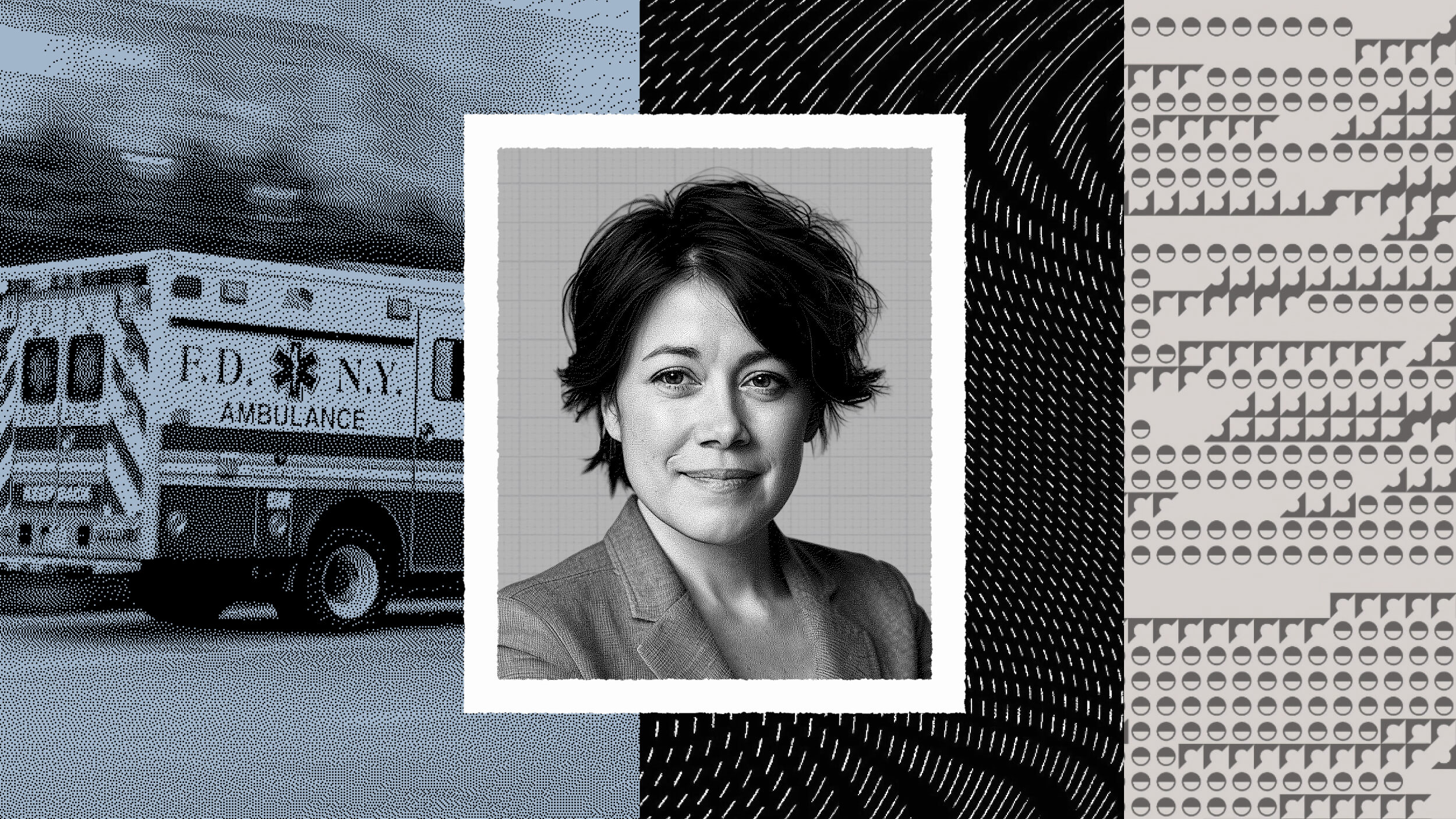
Venture capitalist and Flickr co-founder Caterina Fake talks to Big Think about why AI won’t make the internet better, her influences beyond tech, and more.

Virtue is hard to attain, and that’s the point. Sarah Schnitker explains why self-help shortcuts miss the mark.
▸
6 min
—
with
In our own Milky Way, a recently deceased star creates a ghostly, hand-like shape in X-rays some 150 light-years wide. Here’s how it’s made.