
Skip to content


The investing gap between men and women, driven by a male-dominated financial services industry that emphasizes competition over personal goals, costs women significantly over their lifetimes, as they are often motivated by specific financial aspirations rather than traditional investment metrics.
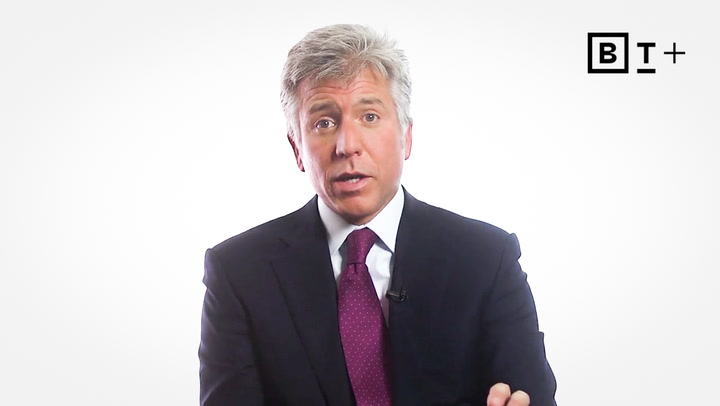
Salespeople often face negative stereotypes, but Bill McDermott, CEO of ServiceNow, emphasizes that selling with passion and empathy, learned from his Xerox days, is far more effective than hard selling, advocating for a personalized approach in sales.
In this video lesson, Chris Voss emphasizes that slowing down negotiations can lead to better outcomes by fostering effective communication, strategic concessions, and relationship-building, ultimately avoiding unproductive conversations and costly mistakes.
Successful negotiation focuses on collaboration for mutual benefit rather than simply achieving “yes,” with FBI negotiator Chris Voss advocating for starting with “no” to foster trust and open communication, ultimately leading to a more productive dialogue.
Negotiation styles—assertive, accommodating, and analytical—reflect our tendencies, and successful negotiators like Chris Voss advocate for blending these approaches to enhance interactions and outcomes, emphasizing the importance of tone and foresight in achieving mastery.
Research by Adam Grant reveals that ambiverts, who balance introverted and extroverted traits, excel in sales by being attuned to others’ needs, outperforming both extroverts and introverts, making them the most effective sellers.
Psychologists refer to “mirroring,” the subconscious imitation of gestures and speech, as a way to foster connections and collaboration, and entrepreneur Nathalie Molina Niño emphasizes its importance in adapting communication styles to enhance relationships and ensure mutual understanding.
As social isolation and loneliness rise, developing meaningful relationships becomes crucial, with psychologist Daniel Goleman emphasizing that effective relationship management—key for leaders—includes assessing skills, coaching, and providing continuous feedback to inspire and develop team members.
Effective parenting and workplace management require balancing strict boundaries with flexibility, empowering staff to personalize customer experiences while maintaining financial discipline, as exemplified by Will Guidara’s approach of tightly managing 95% of the budget to allow for meaningful connections with the remaining 5%.
In a video lesson, restaurateur Will Guidara emphasizes that prioritizing relationships alongside products and empowering employees to make customers feel valued can give businesses a significant competitive edge in the hospitality industry.
This class, led by experts like Amy Cuddy and Tony Coles, focuses on developing presence, emotional intelligence, and self-knowledge to enhance personal and professional growth, emphasizing the importance of self-affirmation, leadership dynamics, and creating a supportive workplace culture.
Peter Guber emphasizes that success in business hinges on crafting compelling stories that engage and motivate audiences, offering strategies to emotionally connect with partners, shareholders, customers, and employees for impactful communication.
This class explores the evolving role of leadership in complex business environments, emphasizing the balance of personal influence, team collaboration, and trust-building, while equipping leaders with tools to foster a high-trust culture that inspires commitment and empowers teams.
This class teaches the vital role of managing professional relationships and networks for career success, emphasizing trust, strategic connections, and effective communication, as highlighted by experts like Linda Hill, Nicholas Christakis, Adam Grant, and General Stanley McChrystal.