To combat workplace sexual harassment, companies must prioritize elevating women into leadership roles, fostering a culture of accountability, ensuring safe reporting mechanisms, and providing comprehensive in-person training that empowers bystanders to act against misconduct.

Sexual harassment thrives in a culture sustained by bystanders and enablers; those who witness harassment must support victims and confront abusers to foster a safer environment.
Sexual harassment lawsuits primarily involve clear, overt acts, yet misconceptions about false accusations persist; legally recognized forms include quid pro quo harassment, which is objective, and hostile work environments, which can be subjective, necessitating focused policy development to address both.
Tens of millions of American employees face “forced arbitration” clauses in their contracts, which silence sexual harassment claims and protect perpetrators, prompting advocates like Gretchen Carlson to call for federal legislation to eliminate these clauses and promote workplace accountability.
Gretchen Carlson’s whistleblowing on workplace sexual harassment sparked a transformative journey for justice, highlighting the need for multifaceted solutions—including legal reforms, education, and organizational culture shifts—to effectively combat harassment and improve women’s lives and corporate outcomes.
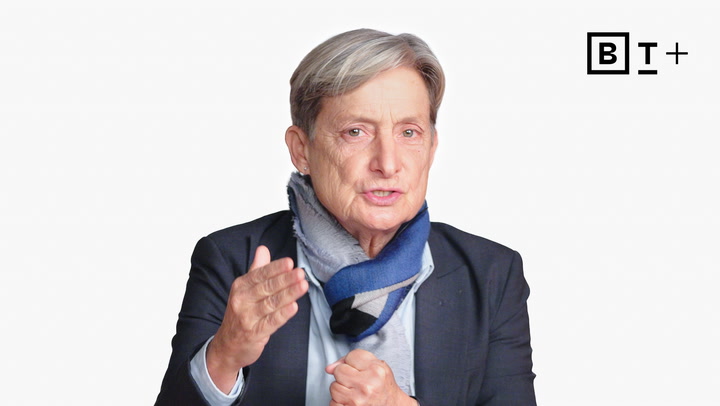
Philosopher Judith Butler emphasizes the importance of adopting a growth mindset to understand and accept diverse gender identities, encouraging patience and active listening to navigate the complexities of individual experiences that may challenge our fixed assumptions.
Emma Watson advocates for viewing gender as a spectrum rather than a binary, a perspective supported by Judith Butler’s theory, which emphasizes the fluidity of gender identity shaped by societal norms, cultural influences, and historical contexts.
This video lesson examines how cultural gender norms shape identity, questioning whether a girl who prefers dinosaurs or a boy who likes pink can still embrace their gender, as philosopher Judith Butler argues that gender identity transcends biological sex.
Psychologist Valerie Purdie Greenaway’s video lesson offers strategies to combat subtle biases against LGBTQ+ individuals, older adults, and overweight individuals, emphasizing the importance of awareness in fostering an inclusive workplace.