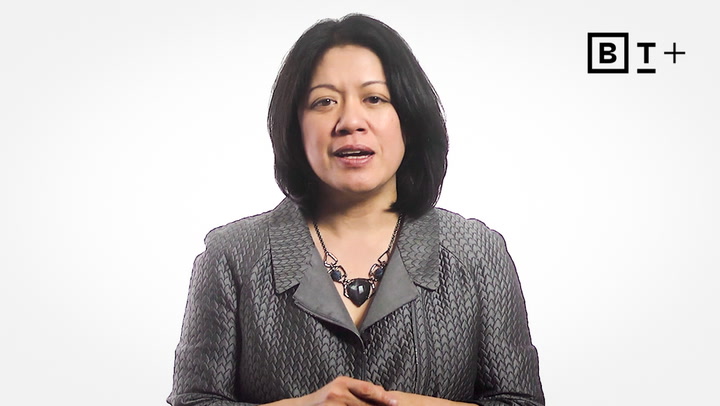
Charlene Li highlights Pope Francis as a model of engaged leadership, using social media to connect with ordinary Catholics and embodying confidence, humility, and a genuine desire to serve, encouraging leaders to bridge power gaps and engage authentically with their audiences.
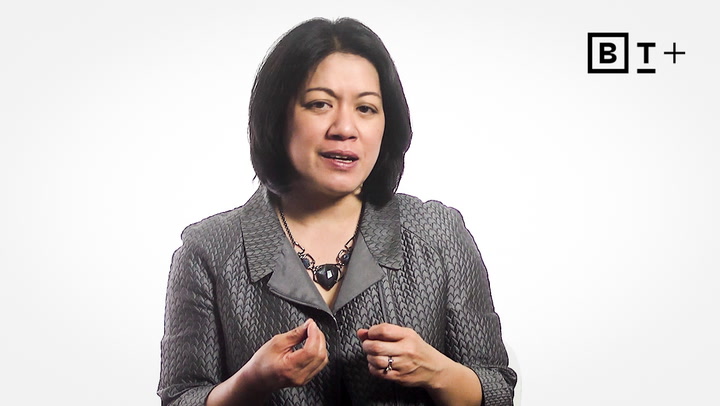
Engaging stakeholders through two-way dialogue is crucial for effective leadership, as demonstrated by a CEO who used Twitter for public interaction, highlighting transparency while also necessitating careful planning to avoid potential PR pitfalls.
Broadcasting information often neglects audience needs, while effective sharing involves listening and aligning with common goals, as demonstrated by Cisco leaders who use technology to foster relationships and communicate authentically.
Charlene Li defines an engaged leader in the 21st century as someone who effectively utilizes digital and social media to foster relationships that align with their top priorities, emphasizing the importance of listening, sharing, and engaging to achieve key objectives.
Charlene Li emphasizes that instead of mastering specific social media tools, leaders should prioritize engaging their audience through strategic listening, informed priority-setting, and effective communication, as social media platforms will continue to evolve.
Thoughts, feelings, and actions are influenced by unconscious factors, and “pre-suasion” involves strategically preparing audiences to be receptive to a message by using imagery or cues that align with desired behaviors, enhancing the effectiveness of persuasion.
Designer Debbie Millman explains that branding extends beyond fashion to encompass religious and cultural beliefs, illustrating how shared symbols historically fostered community and safety, while modern technology has shifted brand creation back to a bottom-up approach, empowering consumers to shape their identities.
Warren Buffet’s insight on legacy thinking highlights the importance of prioritizing future care in professional endeavors, a philosophy echoed by Gary Vaynerchuk, who emphasizes that authenticity and long-term vision can yield both spiritual fulfillment and financial success.
Gary Vaynerchuk emphasizes that just as ripened fruit is more enjoyable, a patient approach in business—rewarding long-term achievements and measuring metrics over months or years—can lead to better results, while fear of failure should be eradicated to foster growth.
Entrepreneur Gary Vaynerchuk encourages leaders to adopt a “maybe” mindset towards emerging technologies, as this openness fosters growth and adaptability, while defaulting to “no” can hinder progress and allow competitors to take the lead.
Entrepreneur Gary Vaynerchuk emphasizes the importance of adapting marketing strategies in real-time by monitoring consumer attention, utilizing underpriced attention opportunities, and fostering creativity and self-awareness to effectively engage audiences across various platforms.
In advertising, as in education, showing genuine care for your audience enhances engagement, and by leveraging consumer insights and social media feedback, marketers can create relevant content that addresses pain points and adds value to consumers’ lives.
Gary Vaynerchuk, known as Gary Vee, challenges the notion that professional success must be a choice between financial gain and positive impact, emphasizing that caring for customers and employees can be central to entrepreneurship and legacy-building.
Entrepreneur Gary Vaynerchuk, known as “GaryVee,” emphasizes the importance of listening before speaking, a practice that enhances his advertising success and helps him build a meaningful life and legacy, as discussed in his video lesson.