Skip to content


Inclusion specialist Ruchika Malhotra emphasizes the importance of fostering inclusivity in meetings by implementing strategies like a “no interruptions” rule and amplifying others’ ideas to ensure that all voices are heard and credited appropriately.
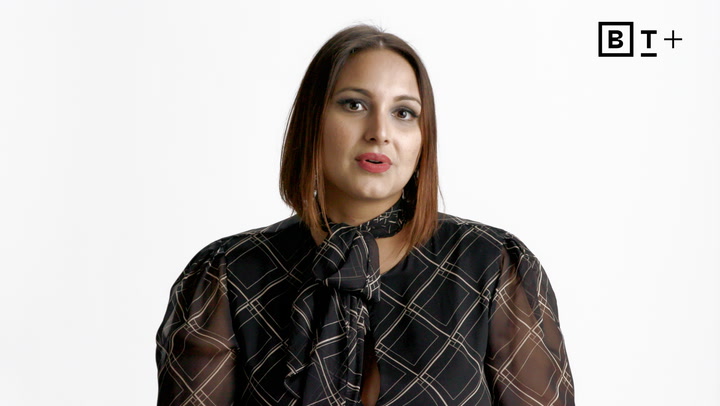
Ruchika Malhotra emphasizes that meetings should be redesigned to foster inclusivity, ensuring equal opportunities for all participants to share and receive credit for their ideas, thereby enhancing innovation and reducing marginalization.
In this video lesson, inclusion strategist Ruchika Malhotra highlights the unfair distribution of “office housework,” which disproportionately burdens women and people of color, and offers strategies for ensuring a fairer division of tasks to support career advancement.
In a video lesson, inclusion strategist Ruchika Malhotra emphasizes the importance of recognizing “exclusionary behaviors,” such as mispronouncing names and stereotype-based assumptions, which can significantly impact marginalized individuals’ well-being and sense of belonging, and suggests asking for correct name pronunciations as a simple act of inclusion.
Code-switching, a natural behavior adjustment based on context, becomes unhealthy when it requires suppressing one’s identity to avoid discrimination, as explored by inclusion strategist Ruchika Malhotra, who highlights its psychological toll and suggests methods to identify unconscious biases.
Irish author George Bernard Shaw highlighted that patriotism often stems from a belief in the superiority of one’s own country, a mindset echoed by inclusion strategist Ruchika Malhotra, who advocates for cultural humility in leadership to foster inclusivity and learn from diverse global perspectives.
Inclusion strategist Ruchika Malhotra emphasizes that true impact in promoting diversity, equity, inclusion, and belonging (DEIB) requires humility, purposeful action, and a shift from individual character to addressing systemic biases, urging individuals to embrace discomfort and cultivate a growth mindset.
In this video lesson, inclusion strategist Ruchika Malhotra explores how intersecting marginalized identities can compound workplace challenges, emphasizing the need for inclusive cultures to support women of color, who often face both hypervisibility and invisibility, and are frequently underestimated in their career progression.
In a video lesson, inclusion strategist Ruchika Malhotra discusses how workplace messages contribute to imposter syndrome in women, particularly women of color, and offers strategies to foster a more inclusive and equitable environment.
Forbes highlights that companies with strong cultures can achieve 4x revenue growth, and Executive Advisor Tiffani Bova emphasizes that trusted leadership, cross-functional collaboration, and diversity of thought are essential for fostering an engaging work environment that benefits both employees and customers.
In today’s complex, multicultural workplace, effective leaders must adapt their communication styles to connect with diverse individuals by understanding their differences and preparing for interactions with thoughtful pre-engagement questions, as advised by leadership strategist Jane Hyun.
Cultural assumptions, often perceived as common sense, can lead to misunderstandings in international relations; thus, David Kang emphasizes the importance of questioning these biases, particularly Eurocentrism, and integrating local knowledge to better understand Asia’s diverse perspectives and trends.