Skip to content


Deepak Chopra advocates for “radical well-being,” urging us to rethink our physical, social, and emotional health through self-reflection and gradual behavior changes, emphasizing that true success encompasses love, compassion, and creativity alongside goal achievement.

Regular stretching enhances flexibility and quality of life, yet many avoid it due to discomfort; similarly, political scientist Ian Bremmer emphasizes that strategic thinkers must regularly challenge their worldviews to adapt and thrive in a rapidly changing environment.
Huffington argues that true success requires a third metric—well-being, wisdom, wonder, and giving—beyond the traditional measures of money and power, as relying solely on the latter can lead to burnout and imbalance in life.
Mindfulness, often seen as a stress-reduction tool in the West, is fundamentally about self-reflection and compassion, leading to wisdom that enhances our actions and relationships without diminishing our edge or making us complacent.
Experts highlight that mindfulness is essential for reducing toxic stress in high-pressure professions, as it helps rewire the brain for better focus and productivity, enabling professionals to navigate challenges with patience, presence, and kindness.
Mindfulness, as defined by Jon Kabat-Zinn, is the intentional, nonjudgmental awareness of the present moment that fosters relational clarity and healing, encouraging individuals to cultivate discernment and embrace their experiences without the distractions of judgment or striving.
Organizations today face the challenge of complexity driven by technology and globalization, necessitating agility and adaptability, which can be cultivated in employees through training to enhance mental flexibility and decision-making amidst uncertainty and stress.
In his Big Think+ expert class, positive psychologist Tal Ben-Shahar addresses the “happiness paradox,” suggesting that instead of avoiding hardship, embracing it can lead to greater happiness through the SPIRE model, fostering an “antifragile” mindset.
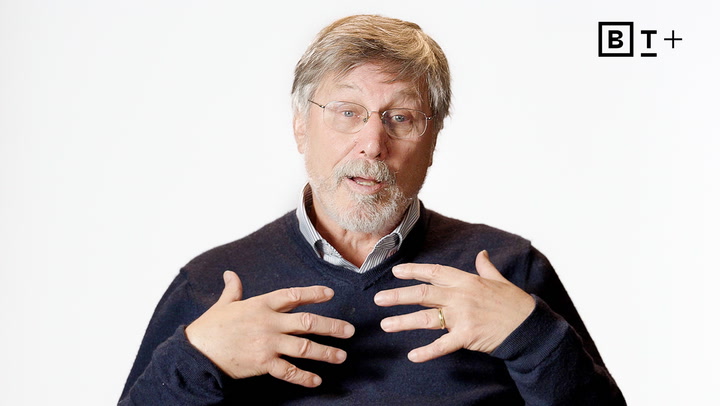
Bessel van der Kolk explains that trauma, once seen as an exception, is now recognized as common, emphasizing the importance of understanding experiences and behaviors rather than viewing trauma as something that needs to be fixed.
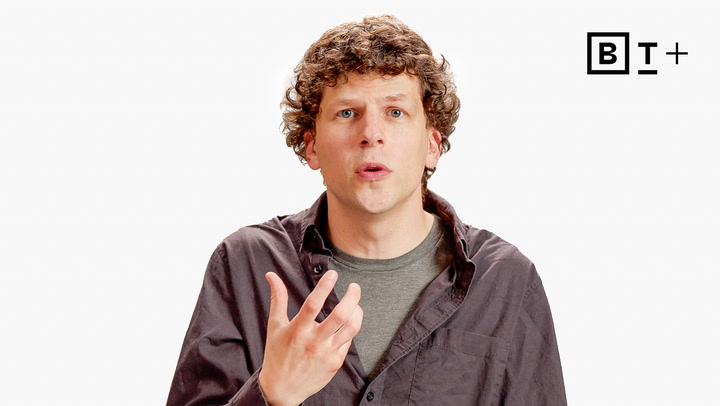
In this video lesson, actor and director Jesse Eisenberg offers strategies to positively channel common work-related anxieties, establish effective boundaries, and foster collaborative environments that leverage individual strengths.
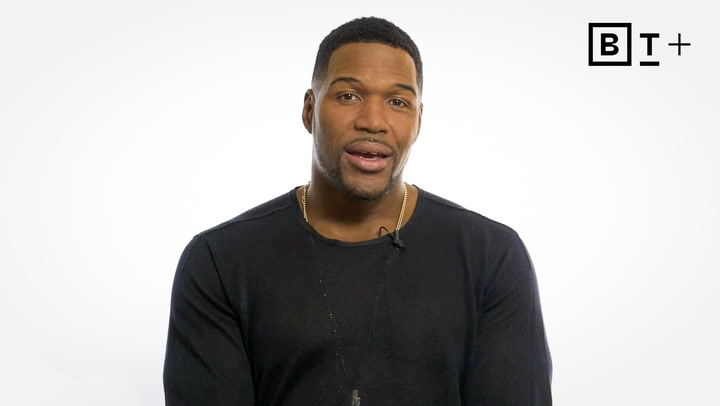
Michael Strahan emphasizes the importance of learning from past mistakes without dwelling on them, advocating for a balance between reflection and moving forward, while encouraging accountability, collaboration, and embracing new challenges to foster personal growth.
To cultivate mental strength and stability, quiet your mind by recognizing negative self-talk, tuning out external influences, and starting each day with intentional positive actions that foster constructive dialogue with yourself.