Skip to content


Yoga instructor Vanda Scaravelli’s insight on flexible versus rigid thinking parallels Jesse Eisenberg’s principles for effective team leadership, emphasizing the importance of adaptability, empowering individual strengths, and prioritizing collective goals over personal ego for professional success.

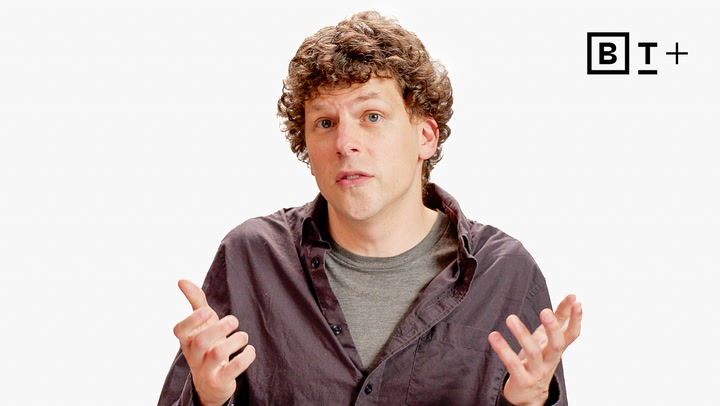
Jesse Eisenberg emphasizes that while perfectionism can hinder project completion, effective leaders should manage time by acknowledging their team’s contributions and guiding them to prioritize essential tasks over unnecessary refinements.
Jesse Eisenberg emphasizes that true leadership involves humility—prioritizing the skills and expertise of team members over one’s own, fostering an environment where everyone can excel and contribute effectively to achieve the best outcomes.
In a video lesson, Jesse Eisenberg emphasizes that effective leadership can thrive on harmonious relationships and collaboration rather than extroverted bravado, encouraging leaders to prioritize understanding their team and fostering a supportive environment over traditional authoritative styles.
Jesse Eisenberg emphasizes the importance of self-compassion and normalizing anxiety in professional settings, advocating for reframing difficult emotions and helping others manage their feelings to foster empathy and serenity.
Actor Jesse Eisenberg argues that fear, often seen as a weakness, can be a motivating superpower for high achievers, encouraging acceptance of discomfort and the establishment of boundaries to prevent overwhelm while fostering personal growth.
In this video lesson, actor and director Jesse Eisenberg offers strategies to positively channel common work-related anxieties, establish effective boundaries, and foster collaborative environments that leverage individual strengths.
Kieran Behan’s journey to the 2012 Olympics exemplifies resilience in the face of adversity, a theme echoed by Ginni Rometty, who emphasizes the importance of relationships and a positive attitude in overcoming life’s challenges.
Dan Shapiro emphasizes the importance of addressing five core emotional concerns—appreciation, autonomy, affiliation, status, and role—to foster a positive and productive work environment, stating that effectively managing these concerns enhances leadership power.
In today’s complex, multicultural workplace, effective leaders must adapt their communication styles to connect with diverse individuals by understanding their differences and preparing for interactions with thoughtful pre-engagement questions, as advised by leadership strategist Jane Hyun.
In this lesson, Tony Coles emphasizes the importance of self-knowledge for decision-making by sharing strategies to align with your moral compass, learn from failures, and courageously uphold your beliefs in challenging situations.
Managers and leaders must foster team agility by creating an authentic, structured environment that encourages open dialogue, shared goals, and critical analysis, while also helping team members navigate uncertainty and build resilience through collaboration and creative problem-solving.
Ginni Rometty, former CEO of IBM, advocates for reconciling differences and co-creating a viable third option instead of compromising, emphasizing the importance of understanding both parties’ end goals and motivations through respectful debate.
Avoiding conflict can lead to greater issues later, so leaders should address disputes promptly, ensuring all parties feel heard, while also sharing the emotional labor of conflict management to foster a smoother organizational environment.
In response to low employee engagement, TELUS, led by Chief Envisioner Dan Pontefract, transformed its culture to prioritize transparency and collaboration, resulting in a remarkable increase in engagement scores from 53% to 87%, over 300% shareholder return, and a significant rise in job applications.
Dan Pontefract highlights the benefits of a sense of purpose for individuals and organizations, emphasizing that alignment with personal purpose can reduce disease risk, enhance business outcomes, and warning against leadership practices that prioritize profit over purpose, leading to employee disengagement.
Dan Pontefract, TELUS’s Chief Envisioner, introduces the Collaborative Leader Action Model (CLAM), which emphasizes emotional and transformational connections in leadership, guiding leaders through a structured process of connection, evaluation, communication, execution, confirmation, and celebration of outcomes.
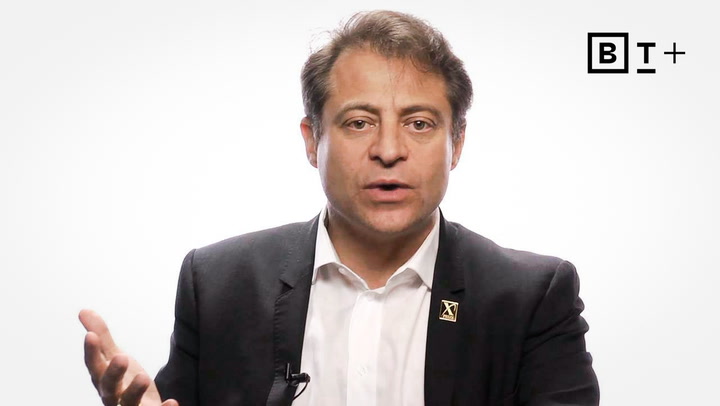
XPRIZE Chairman Peter Diamandis emphasizes the importance of defining a clear goal, encouraging innovative solutions, enlisting expert support, and personalizing outcomes to effectively harness a team’s creativity in achieving objectives.
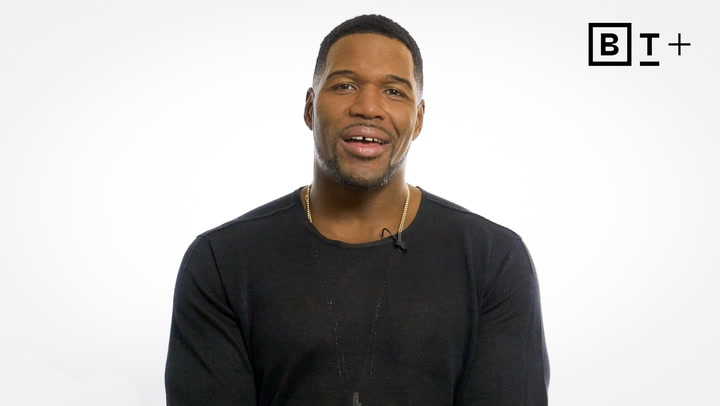
Michael Strahan emphasizes that effective leadership involves modeling desired behaviors, fostering authenticity, and ensuring every team member feels valued, while also reflecting on one’s role in team dynamics to promote a positive environment.
Charisma, once seen as a divine gift, is now recognized as a learnable skill that involves being present, empathetic, self-confident, and attuned to others’ needs, as explained by Emma Seppala from Stanford’s Center for Compassion.
In his video lesson, PR strategist Ryan Holiday advises against the common advice to “hit the ground running” in a new role, advocating instead for a more measured approach that emphasizes humility, observation, and understanding the existing dynamics before implementing one’s vision.
Stephen Miles, CEO of The Miles Group, emphasizes that even top CEOs can enhance their leadership by recognizing blind spots, and offers four tools for self-coaching: identifying your leadership style, modifying it for your audience, fostering dialogue, and affirming opposing viewpoints.
Trust is a delicate yet essential tool for building relationships and organizational reputations, and Joel Peterson outlines five laws—investing in respect, measuring goals, communicating transparently, striving for win-win negotiations, and embracing humility—to cultivate high-trust environments.
Retired four-star general Stanley McChrystal discusses fostering shared consciousness and team-based performance incentives to align individuals with organizational goals, emphasizing transparency to prevent rogue behavior and encouraging collective success over individual achievements.
General Stanley McChrystal emphasizes the importance of communication in leadership, advocating for transparency, shared consciousness, and strategic overlaps in responsibilities to build trust and streamline information flow across teams and business units.
Isabel Allende emphasizes that giving enriches us non-materially, while Adam Grant highlights that generosity fosters stronger relationships and connections, urging a balance between helping others and self-advancement to avoid being exploited by takers.