Many individuals experience frustration with workplace technology, but author Nir Eyal argues that the real issue lies in workplace culture, emphasizing the need for psychological safety, employee forums, and modeling focus-friendly behaviors to foster a healthier, more productive environment.
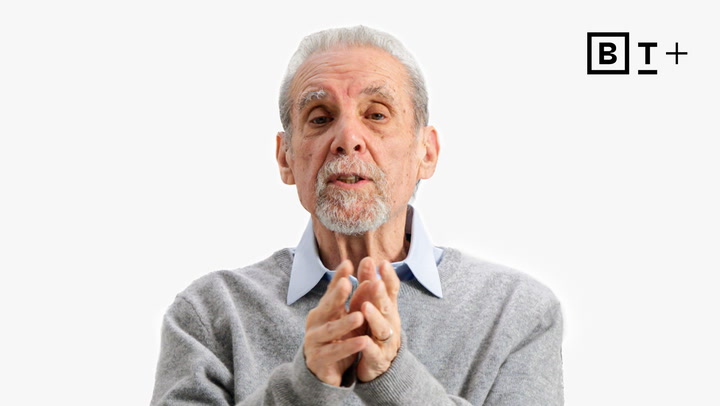
In a competitive business landscape, prioritizing employees’ emotional well-being and relationships, as advocated by psychologist Daniel Goleman, can lead to long-term success, with leaders fostering a high emotional intelligence environment through clear expectations and genuine care.
Leadership consultant Simon Sinek emphasizes that true leadership involves caring for your team, while psychologist Daniel Goleman highlights that emotionally intelligent leaders foster positivity and support, significantly enhancing team performance and well-being.
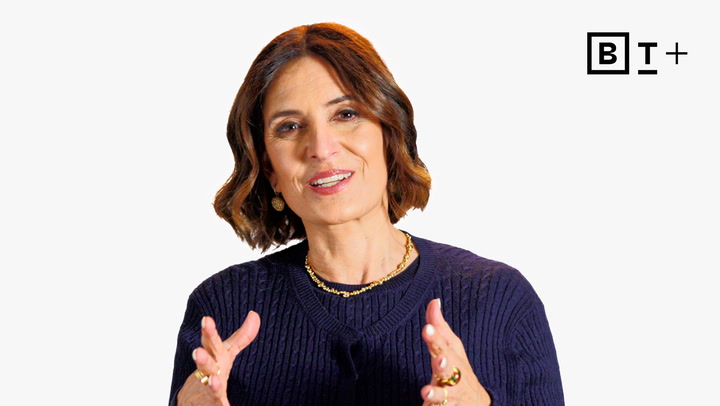
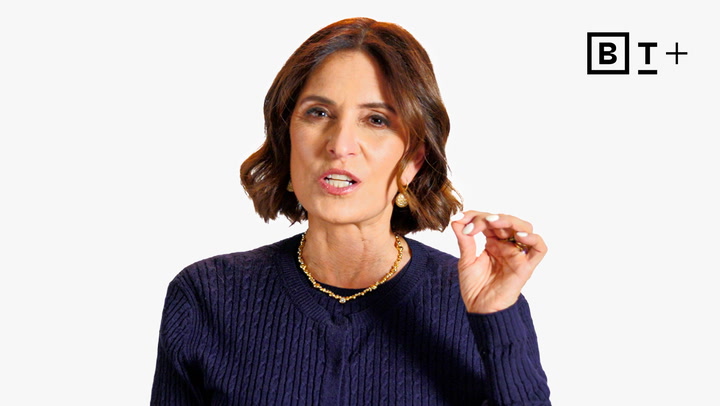
Professor Suzy Welch emphasizes the importance of recognizing and supporting star employees to prevent resignations, while also addressing the challenges posed by different employee types—The Departed, The Headache, and The Heartache—to foster team success and maintain respect.
In this video lesson, Professor Suzy Welch outlines a five-step framework for leaders to intentionally cultivate organizational culture by aligning values with actions, ensuring clear communication, modeling behaviors, celebrating adherence, and enforcing standards to create a cohesive workplace.
Professor Suzy Welch introduces “lanaging,” the art of balancing leadership and management by blending inspiration with execution, enabling leaders to build trust, drive results, and effectively communicate between teams and senior leadership.
Professor Suzy Welch argues that the simplistic divide between leaders and managers is misleading; successful teams require a “lanager,” who combines visionary leadership with practical management, as she explains in her video lesson on fostering team success.
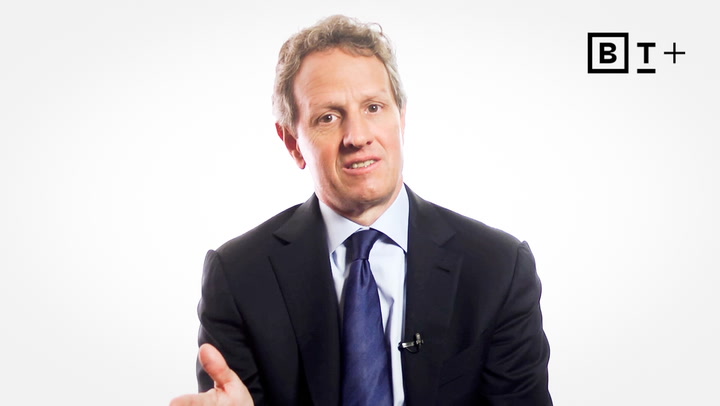
Organizational culture, crucial for effective decision-making in crises, emphasizes psychological qualities like collaboration and trust, as highlighted by former U.S. Treasury Secretary Timothy, who advocates for diverse perspectives and a supportive environment free from competitive behavior.
Trust is a delicate yet essential tool for building relationships and organizational reputations, and Joel Peterson outlines five laws—investing in respect, measuring goals, communicating transparently, striving for win-win negotiations, and embracing humility—to cultivate high-trust environments.
Retired four-star general Stanley McChrystal discusses fostering shared consciousness and team-based performance incentives to align individuals with organizational goals, emphasizing transparency to prevent rogue behavior and encouraging collective success over individual achievements.