Skip to content


Michael Watkins likens today’s AI moment to choosing between being a dinosaur facing extinction or a surfer embracing change, inviting you to join a class that enhances your skills in crafting prompts, designing human-AI systems, and inspiring others to adapt.

A great idea requires resilience, persistence, and effective marketing for success, as highlighted by former GE vice chair Beth Comstock, who defines a “changemaker” as someone willing to take risks to achieve their vision.
Effective mission success, whether in space exploration or business, relies on robust contingency planning and the ability to improvise solutions when critical systems fail, leveraging team skills to adapt to unforeseen challenges.
Space flight involves significant risks, prompting astronauts like Chris Hadfield to develop strategies for evaluating and mitigating these risks by assessing their probability and consequences, which can be applied to various problem-solving scenarios.
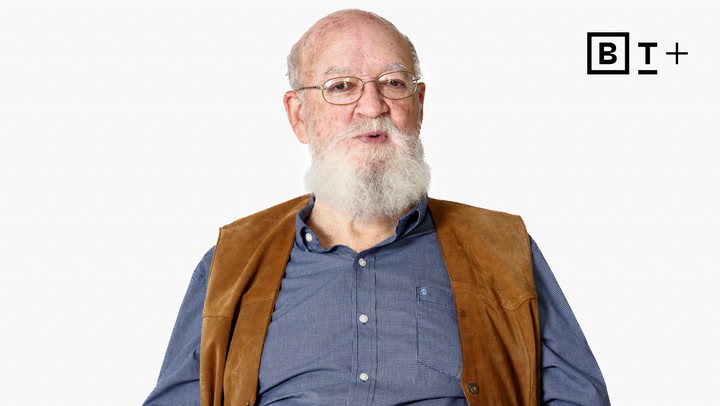
Philosopher Daniel Dennett warns against treating AI as rational agents, emphasizing the importance of recognizing their limitations and the potential for misinformation, urging users to design prompts that seek actual truth rather than accepting misleading outputs.
The “fail fast” mantra, while popular among entrepreneurs, can lead to unpreparedness for success, as it often distracts from planning for positive outcomes and neglects the realities faced by those without safety nets, emphasizing the need for strategic preparation for both failure and success.
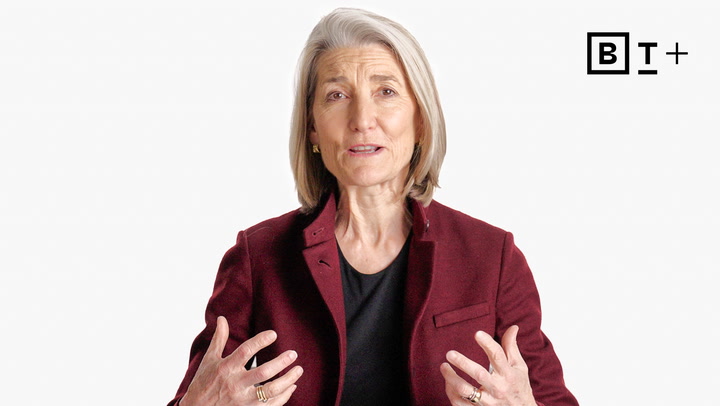
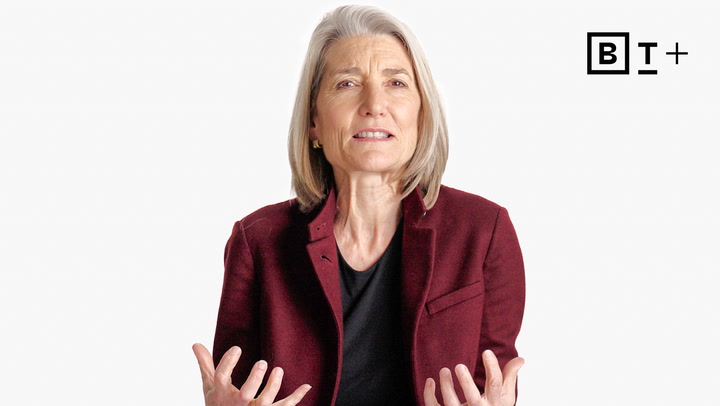
Harvard researcher Amy Edmondson emphasizes the importance of addressing subtle signals of potential problems early, advocating for vigilance and open communication to prevent complex failures that arise from ambiguous threats.
Harvard researcher Amy Edmondson discusses the impact of simple human errors, like misnaming clients or accidental email replies, highlighting their potential consequences and offering strategies for individuals and organizations to reduce such basic failures.