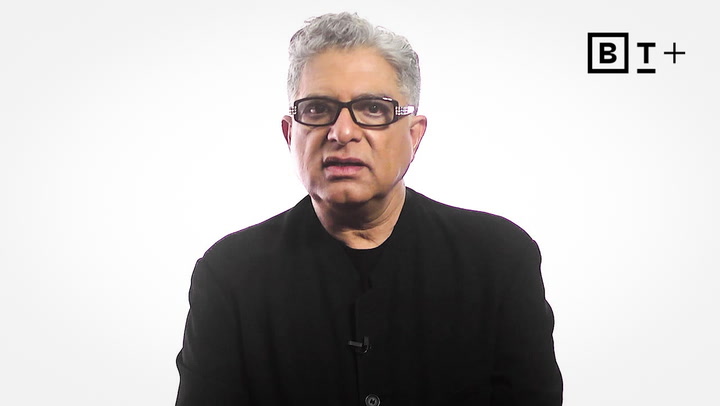
In today’s high-pressure workplace, leaders must prioritize employee well-being through stress management techniques and supportive environments, as this not only mitigates burnout but also enhances productivity and customer engagement, ultimately benefiting the business.
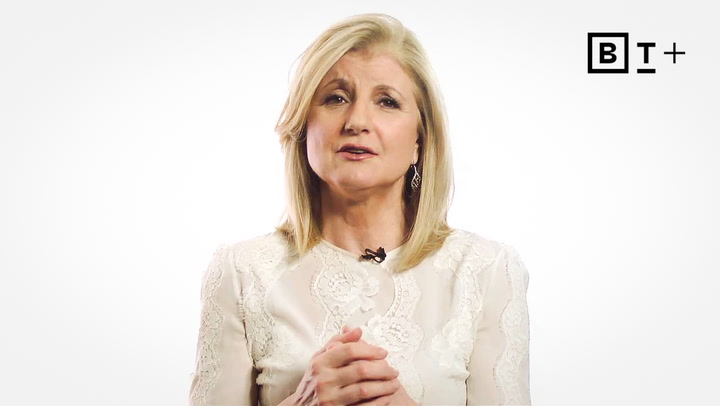
Arianna Huffington advocates for celebrating go-givers alongside go-getters, emphasizing that incorporating small acts of giving into our lives can enhance our health and well-being while fostering community support and mindful leadership.
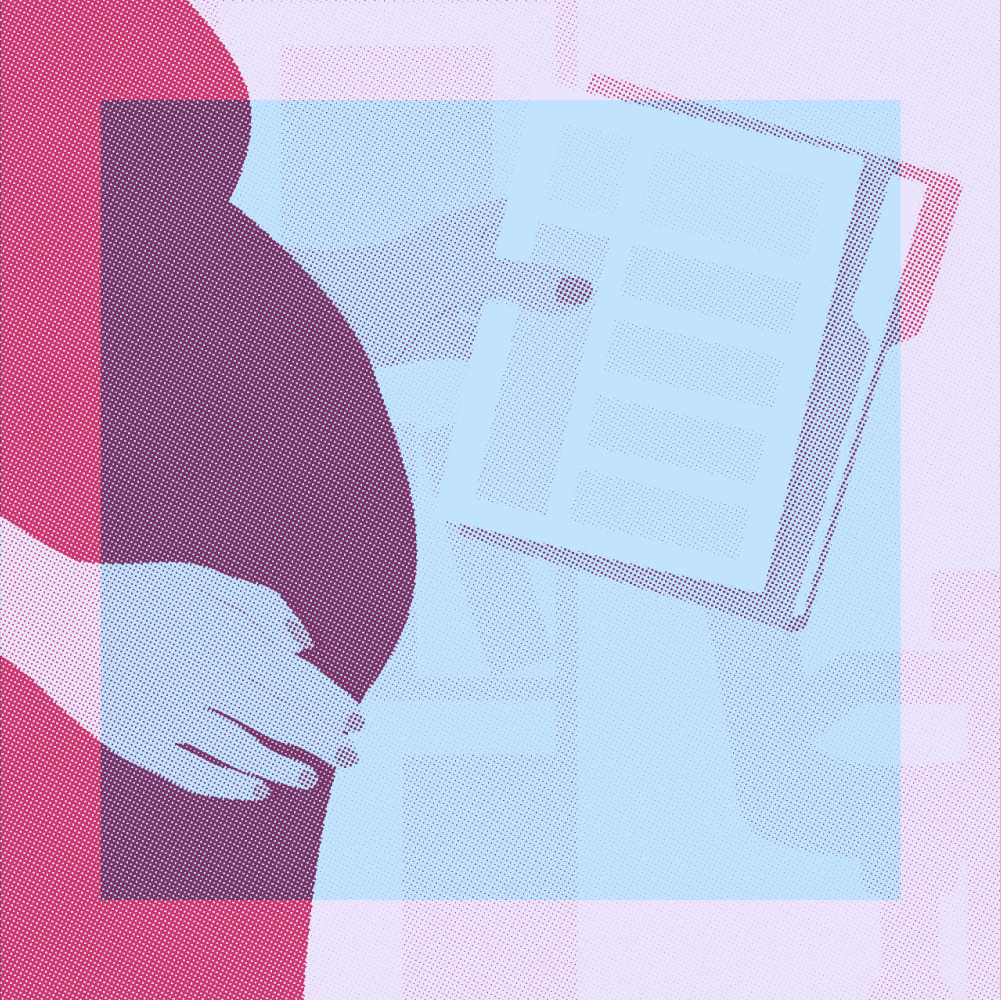
While every baby is unique, working moms face common challenges that often go unsupported, highlighting the need to better recognize and utilize their valuable skills.
Mindfulness in the workplace involves intentional awareness and nonjudgmental engagement, benefiting both individual well-being and organizational culture, as exemplified by companies like Aetna that prioritize employee happiness and compassionate leadership.
Organizations today face the challenge of complexity driven by technology and globalization, necessitating agility and adaptability, which can be cultivated in employees through training to enhance mental flexibility and decision-making amidst uncertainty and stress.
Philosopher Judith Butler argues that public mourning for individuals like George Floyd and Mahsa Amini can serve as a catalyst for social justice, emphasizing the importance of acknowledging loss, whether personal or impersonal, to challenge societal perceptions of who is deemed “grievable.”
Positive psychologist Tal Ben-Shahar emphasizes that while stress can enhance performance, it’s crucial to balance it with recovery—through mini, mid, and macro-level strategies—to prevent burnout and promote overall well-being.
Many individuals experience frustration with workplace technology, but author Nir Eyal argues that the real issue lies in workplace culture, emphasizing the need for psychological safety, employee forums, and modeling focus-friendly behaviors to foster a healthier, more productive environment.
Instead of mundane morning interactions, psychiatrist Bessel van der Kolk suggests that offices should engage in joyful group activities like dance parties to foster camaraderie and support, especially for colleagues healing from trauma, while empowering employees and cultivating community.