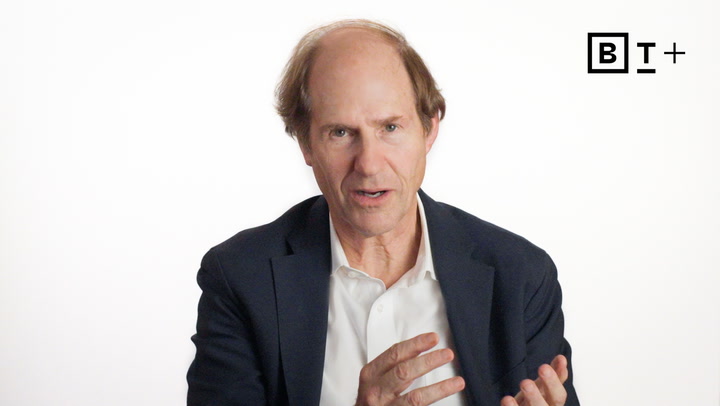
Professor Cass Sunstein discusses how companies use “sludge” to complicate unsubscribing, manipulating consumer behavior against their interests, while advocating for “choice architecture” that promotes beneficial defaults and simplifies decision-making while preserving user freedom.

In a video lesson, professor Cass Sunstein discusses how inertia and various cognitive biases, such as present bias and status quo bias, affect consumer behavior, offering insights on how designers can structure products and services to better engage customers and highlight important features.
In a video lesson, Professor Cass Sunstein discusses three types of designers—manipulative, naive, and human-centered—highlighting how the latter prioritizes user experience by minimizing “sludge” and fostering customer satisfaction.
In this video lesson, Professor Cass Sunstein explores the concept of “sludge”—the bureaucratic obstacles that hinder access to essential services—using Kafka’s “The Trial” and a COVID-19 case study to illustrate how reducing these barriers can improve people’s lives.
In a video lesson, Professor Cass Sunstein discusses how bureaucratic delays, termed “sludge,” hinder our access to desired services and offers strategies for organizations to minimize these frictions, ultimately reclaiming valuable time for individuals.
Entrepreneur Nathalie Molina Niño emphasizes that organizations can compensate individuals creatively beyond monetary payments, such as partnering with universities for housing support or building alternative funding programs, encouraging a smarter approach to value provision.
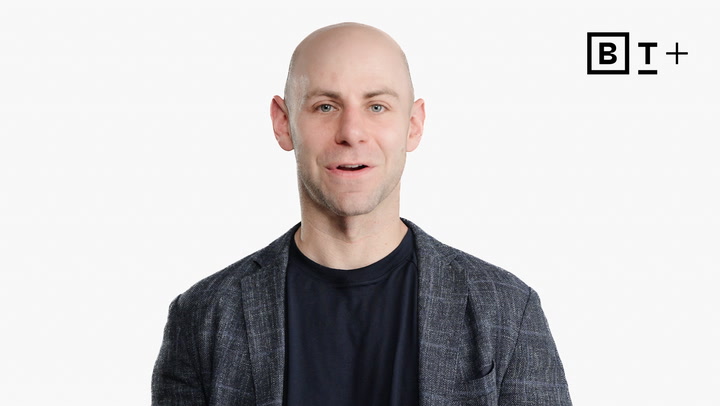
Organizational psychologist Adam Grant argues that traditional group brainstorming stifles potential, advocating for individual idea generation followed by group evaluation to harness diverse perspectives and overcome self-limiting beliefs, ultimately enhancing team effectiveness and leadership.
Tiffani Bova emphasizes the crucial link between customer experience (CX) and employee experience (EX), arguing that fostering happy employees leads to satisfied customers, and suggests balancing their needs to drive growth and improve overall business alignment.
Managers and leaders must foster team agility by creating an authentic, structured environment that encourages open dialogue, shared goals, and critical analysis, while also helping team members navigate uncertainty and build resilience through collaboration and creative problem-solving.
XPRIZE Chairman Peter Diamandis emphasizes the importance of defining a clear goal, encouraging innovative solutions, enlisting expert support, and personalizing outcomes to effectively harness a team’s creativity in achieving objectives.
Salespeople should build trust with clients by being honest about their company’s limitations, offering custom solutions or even referring them to competitors, while also relaying client needs to leadership for potential future development.
Jack D. Hidary, an entrepreneur in finance and technology focused on clean energy, shares strategies for maximizing serendipity through in-person networking, conference crashing, and online engagement to enhance value and foster innovation.
Guru Madhavan emphasizes that while constraints are inevitable, effective problem-solving requires a systems-level perspective that balances specialized skills with resource efficiency, urging individuals to continually question failures to drive improvement.